Where the 55-Inch Cutoff Lands on a Florida Title
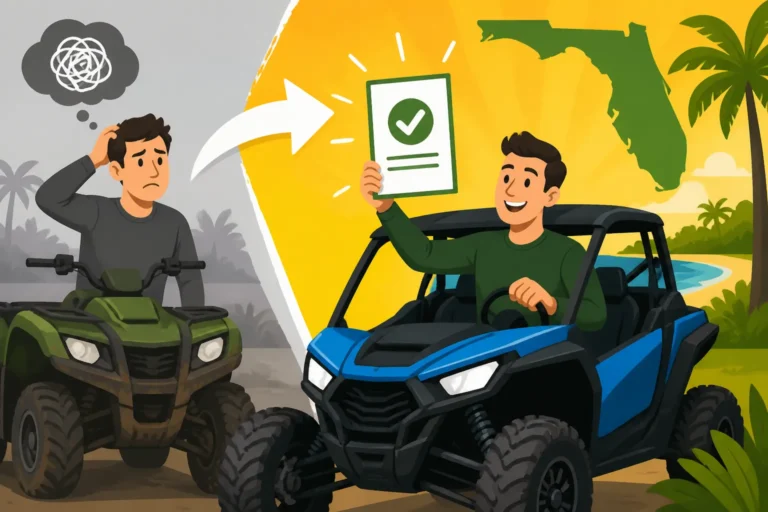
Let's talk about the tricky world of off-highway vehicle titling in Florida, specifically that often-confusing 55-inch rule. You've got your eye on a new quad, or perhaps you're trying to figure out the paperwork for that "new-to-you" machine you just bought from a private seller, and suddenly you're hearing about width limits that affect your title. It can be a real headache, leaving you wondering if your pride and joy even qualifies as an ATV in the Sunshine State's eyes. This guide is here to unravel that mystery, explaining exactly where the 55-inch cutoff lands on a Florida title and what it means for you as a rider and owner.
The Florida 55-Inch Rule: What It Means for Your Ride
Florida's legal definitions for off-highway vehicles can feel like navigating a swamp buggy through dense palmetto thickets – confusing and easy to get stuck. But understanding these definitions, especially the 55-inch rule, is absolutely critical because it dictates how your machine is classified and, consequently, how it gets titled in the state. This isn't just bureaucratic red tape; it genuinely impacts your ownership experience and even where you can legally ride.
Defining an ATV in Florida Law
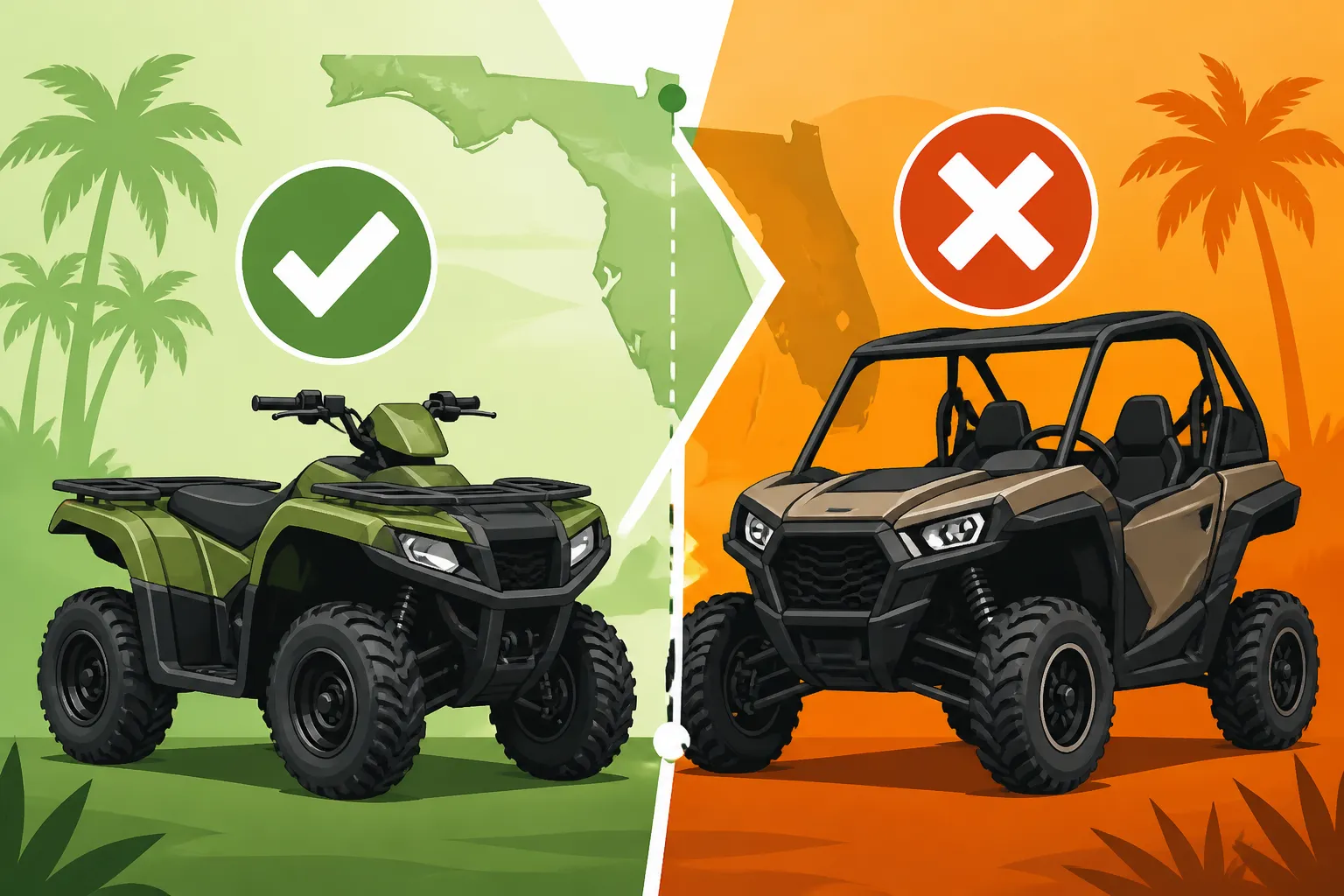
For the purpose of titling and regulation in Florida, an All-Terrain Vehicle (ATV) has a very specific legal definition. It's not just any machine with four wheels and an engine that you ride off-road. Generally, a Florida ATV is defined as a motorized off-highway vehicle that is 55 inches or less in width. It's designed to travel on four or more low-pressure tires, has a seat designed to be straddled by the operator, and has handlebars for steering. Think of your classic sport quad or utility quad – they typically fit this description perfectly. This definition specifically excludes golf carts, swamp buggies, and vehicles like tractors or industrial equipment, which have their own classifications. This width constraint is a foundational element in how the state categorizes your machine, impacting everything from your title type to potential riding restrictions. For a deeper dive, you might find [Florida's 55-Inch ATV Definition and Why It Matters] to be a helpful read.
Why Width Matters for Titling
So, why the fuss about those 55 inches? Because it's the primary dividing line that helps the Florida Department of Highway Safety and Motor Vehicles (FLHSMV) decide what kind of title your machine receives. If your off-highway vehicle fits within that 55-inch width, along with the other criteria (straddled seat, handlebars, low-pressure tires), it will be issued an "Off-Highway Vehicle" title, often colloquially referred to as an "ATV title."
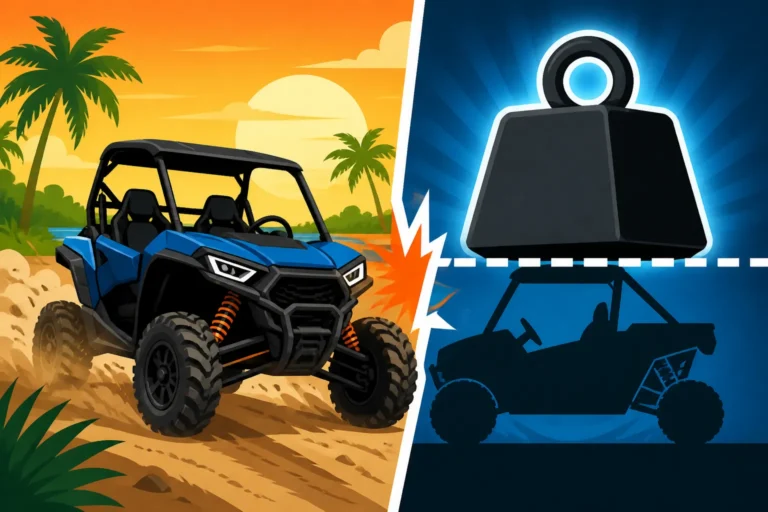
However, if your machine exceeds that 55-inch width, even if it looks and feels like a beefed-up ATV to you, the state will likely classify it differently. It won't get an ATV title. Instead, it will fall under the category of a Recreational Off-Highway Vehicle (ROV) or, as many know them, a Side-by-Side (UTV). These machines, because of their wider stance (and usually different seating like bucket seats and a steering wheel), have a separate titling process and designation. This classification matters because the title is your official proof of ownership, and having the correct one prevents a world of headaches down the line, whether you're selling it, insuring it, or simply proving it's yours.
Titling Your Wider-Than-55-Inch Machine in Florida
It's a common scenario: you bought a fantastic side-by-side, maybe a sporty two-seater or a utility four-seater, assuming the titling process would be similar to an ATV. Then you hit the DMV or tax collector's office and learn that your machine is simply too wide to be considered an "ATV" under Florida law. This isn't a problem; it just means you're dealing with a different classification and a slightly different titling path.
When Your "ATV" Isn't an ATV Anymore
Most Side-by-Sides, or UTVs, are inherently wider than 55 inches, often ranging from 60 to 72 inches or more. These machines typically feature bucket seats (or a bench seat), a steering wheel, and roll-over protection structures, distinguishing them significantly from traditional ATVs. In Florida, if your off-highway vehicle is wider than 55 inches, it's generally classified as a Recreational Off-Highway Vehicle (ROV). This distinction is purely legal and administrative, but it's crucial. It means your machine will require an ROV title, not an ATV title. This is often the first point of confusion for new owners or those buying used machines without clear paperwork. Understanding this classification from the outset can save you time and frustration at the tag office. If you're looking for specifics on ROV definitions, our article [Florida ROV Definition: 80 Inches and 3,500 Pounds] could be a good next step.
The Different Titling Process for ROVs
While the general steps for titling an ROV are similar to an ATV – you'll still need proof of ownership, a completed application, and payment for fees – the specific forms and the designation on the title will differ. For an ROV, you'll be applying for an "Off-Highway Vehicle (OHV) title" that specifically notes it as an ROV, not just a generic ATV.
Here’s a general rundown of what you’ll need:
- Manufacturer’s Certificate of Origin (MCO) or previous title: This is your primary proof of ownership if the machine is new or if you're the first owner to title it in Florida. For used machines, the previous Florida title (or out-of-state title) signed over to you is essential.
- Bill of Sale: While not always mandatory if you have a properly assigned title or MCO, a bill of sale is always a good idea, especially for private sales. It clearly documents the transaction, purchase price, and vehicle identification number (VIN). If you're buying a machine that's close to that 55-inch line, or a UTV, make sure your bill of sale explicitly states the machine's width and classification. You can find helpful templates for these crucial documents through services like LawDepot, which can help ensure all the necessary legal jargon is covered, protecting both buyer and seller.
- Identification: Your Florida driver's license or ID card.
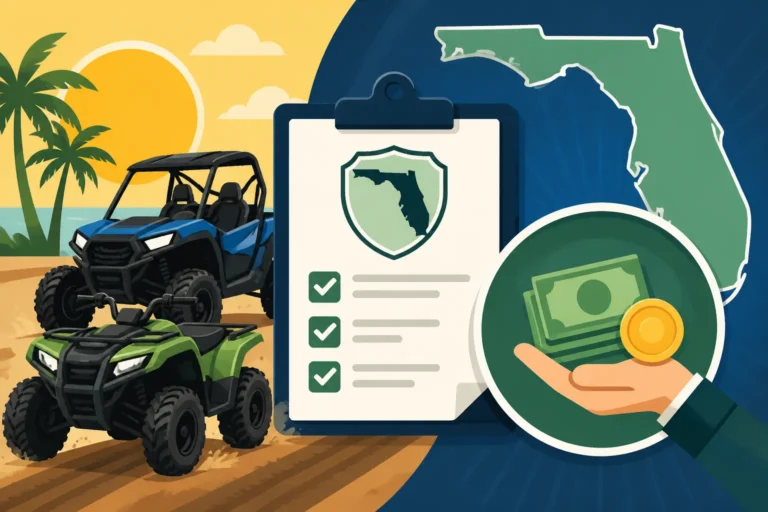
- Completed Application: You'll typically use Florida Form HSMV 82040, "Application for Certificate of Title With/Without Registration." Make sure to correctly identify your vehicle type as an ROV if it exceeds the 55-inch width.
- Payment for Fees: This includes the initial title application fee, any applicable sales tax, and service charges. For more on the costs, check out [Florida ATV Title Fee Breakdown: $29 Plus Service Charges].
It's critical to ensure all information, especially the VIN, make, model, and year, is accurate on your application. A discrepancy could lead to delays or rejection. When in doubt, always measure your machine's width from its widest point (excluding mirrors) to confirm its classification before heading to the tax collector.
Practical Implications for Owners and Buyers
Understanding Florida's 55-inch ATV width cutoff isn't just about getting the right piece of paper; it has tangible impacts on how you buy, sell, and even use your off-highway vehicle. Being aware of these implications can save you from unexpected costs, legal issues, and even disappointment when planning your next trail ride.
Avoiding Surprises When Buying or Selling
Imagine buying what you thought was a huge, powerful ATV, only to find out it's legally an ROV and needs a different title, or vice-versa. This can lead to delays in getting the machine properly titled in your name, or even complications if the seller presented it under the wrong classification.
For Buyers:
- Verify Classification: Before you hand over any cash, especially in a private sale, always verify the machine's classification. Ask for the existing title or MCO. If it's a new machine from a dealer, they'll handle the initial paperwork, but still, ask for confirmation of the classification.
- Measure if Unsure: If you're looking at a used machine and the seller is unclear about its classification, bring a tape measure! Measure the widest point, excluding mirrors or small add-ons. If it's over 55 inches, expect an ROV title.
- Clear Bill of Sale: Ensure the bill of sale explicitly names the type of vehicle (ATV or ROV/UTV), its VIN, and the sale price. A comprehensive bill of sale, easily drafted with resources like LawDepot, can protect you if there are any disputes later regarding the machine's specifications or its condition. [Florida ATV Bill of Sale: What It Needs to Say] offers more details on this.
For Sellers:
- Be Honest About Classification: Clearly state whether your machine is an ATV (55 inches or less) or an ROV (wider than 55 inches) in your listing and to potential buyers. This transparency builds trust and prevents issues during the title transfer.
- Have Proper Documentation Ready: Make sure your title is clear, in your name, and properly signed off if you're the seller. If you're selling a machine you never titled, it can complicate the process for the buyer, so be upfront about that too. For more on this, see [Selling an Untitled ATV in Florida].
Road Use, Trail Access, and the 55-Inch Rule
While the title primarily establishes ownership, the classification based on width can indirectly influence where and how you can ride your machine. Florida has specific rules for off-highway vehicles, and sometimes these rules differentiate between ATVs and ROVs, particularly concerning public land access and limited road use.
For instance, some public trail systems, like the Croom Motorcycle Area, have specific width restrictions for entering certain trails or even the park itself. While the Croom gate check is primarily about their rules, those rules often align with the state's definitions. If your machine is wider than 55 inches, it might be restricted from certain ATV-designated trails that are too narrow or simply not open to wider vehicles.
Regarding road use, Florida has very limited circumstances where ATVs and ROVs can legally operate on public roads. Generally, ATVs (those 55 inches or less) have slightly broader, though still restricted, allowances for crossing roads or using unpaved county roads in some areas. However, for wider ROVs, street legality is even more challenging, often requiring a conversion to a Low-Speed Vehicle (LSV) which involves additional equipment, registration, and insurance. It's crucial not to confuse your machine's titling classification with its road-legal status. Always check [Florida ATV Road Rules: Where You Can Legally Ride] and local county ordinances before attempting to ride on any public road.
Navigating the Paperwork: Tips for Florida Riders
Getting your off-highway vehicle titled in Florida, whether it's an ATV or an ROV, can feel like a bureaucratic maze. Knowing exactly what documents to bring and what to expect when you arrive can make the difference between a quick, smooth process and a frustrating, time-consuming one.
Essential Documents and Information
Preparation is key. Before you even think about heading to your local tax collector's office, gather everything you'll need. This applies whether you're titling a brand-new machine, transferring a title after a private sale, or bringing in an out-of-state vehicle.
- Proof of Ownership:
- New Machine: You'll need the Manufacturer's Certificate of Origin (MCO), sometimes called a Manufacturer's Statement of Origin (MSO). This document from the manufacturer proves the machine's origin and that it hasn't been titled before.
- Used Machine (Florida Title): The previous owner's Florida title, properly signed over to you. Make sure the seller's signature is in the correct spot and that the odometer reading (if applicable) is filled out.
- Used Machine (Out-of-State Title): The original out-of-state title, signed over to you. You'll also likely need a VIN verification completed by a law enforcement officer or authorized dealer. Our article [Titling an Out-of-State ATV After Moving to Florida] has more on this.
- Bill of Sale: Even with an MCO or existing title, a detailed bill of sale is highly recommended, especially for private transactions. It should include the purchase price (for sales tax calculation), the date of sale, the full names and addresses of both buyer and seller, and the machine's VIN, make, model, and year. As mentioned, LawDepot offers excellent templates for these kinds of documents, ensuring all necessary legal components are present.
- Completed Title Application Form (HSMV 82040): This is the main application for your title. You can usually download and fill this out beforehand from the FLHSMV website. Be precise with all information, especially your vehicle's classification (ATV or ROV).
- Identification: A valid Florida driver's license or identification card is required.
- Payment: Be prepared to pay for the title application fee, any sales tax (on the purchase price), and various service charges. Check with your local tax collector's office for accepted payment methods; many prefer debit/credit or checks, but some may accept cash. You can get a general idea of the costs by reading [The $29 Initial Title Application Fee Explained].
Where to Go and What to Expect
In Florida, you'll typically handle all your ATV or ROV titling business at your local county tax collector's office. This is where vehicle services, including titles and registrations, are processed.
- Find Your Local Office: A quick search for "[Your County] Tax Collector" will lead you to their official website, which usually lists locations, hours of operation, and often provides forms you can download. For example, if you're in Central Florida, you might be looking for [Marion County ATV Title Office Hours] or [Polk County ATV Title Walk-In Wait].
- Prepare for the Visit:
- Bring all documents: Double-check your checklist before you leave the house. Missing even one piece of paperwork can mean a wasted trip.
- Measure your machine: If there's any doubt about its width, measure it before you go. This way, you can confidently state its classification on the form and to the clerk.
- Be Patient: Tax collector offices can get busy, especially during peak hours. Arrive early if possible, and be prepared for a wait.
- Ask Questions: The clerks are there to help. If you're unsure about any part of the process or a specific form, don't hesitate to ask for clarification. They've seen it all, and it's better to ask than to make a mistake on your title application.
Once you submit your paperwork and payment, your application will be processed. You'll typically receive a temporary receipt, and your official title will be mailed to you within a few weeks. If you opt for an electronic title, you won't receive a paper copy unless you specifically request one later. For those needing a title quickly, some counties offer a [Florida Fast Title for an ATV: The $7 Expedited Option].
By understanding the 55-inch rule and its implications, and by coming prepared with all your necessary documents, you can navigate the Florida titling process for your ATV or ROV with confidence. Happy riding!
| Feature | ATV (All-Terrain Vehicle) | ROV (Recreational Off-Highway Vehicle) / UTV (Utility Task Vehicle) |
|---|---|---|
| Typical Width | 55 inches or less | Greater than 55 inches (often 60-72+ inches) |
| Steering | Handlebars | Steering Wheel |
| Seating | Straddled by operator | Bucket seats or bench seats |
| Tires | Low-pressure, 4+ wheels | Low-pressure, 4+ wheels |
| Roll-Over Protection | Not typically standard | Usually standard (roll cage/ROPS) |
| Florida Title Type | Off-Highway Vehicle (ATV) | Off-Highway Vehicle (ROV) |
| Road Use in Florida | Very limited, specific exceptions | Very limited, specific exceptions (often requires LSV conversion) |
Disclaimer
This article is for general informational purposes only and does not constitute professional advice. Laws, prices and regulations vary by location and change over time. Consult a qualified professional for guidance on your specific situation.