Titling After Years of Riding Untitled
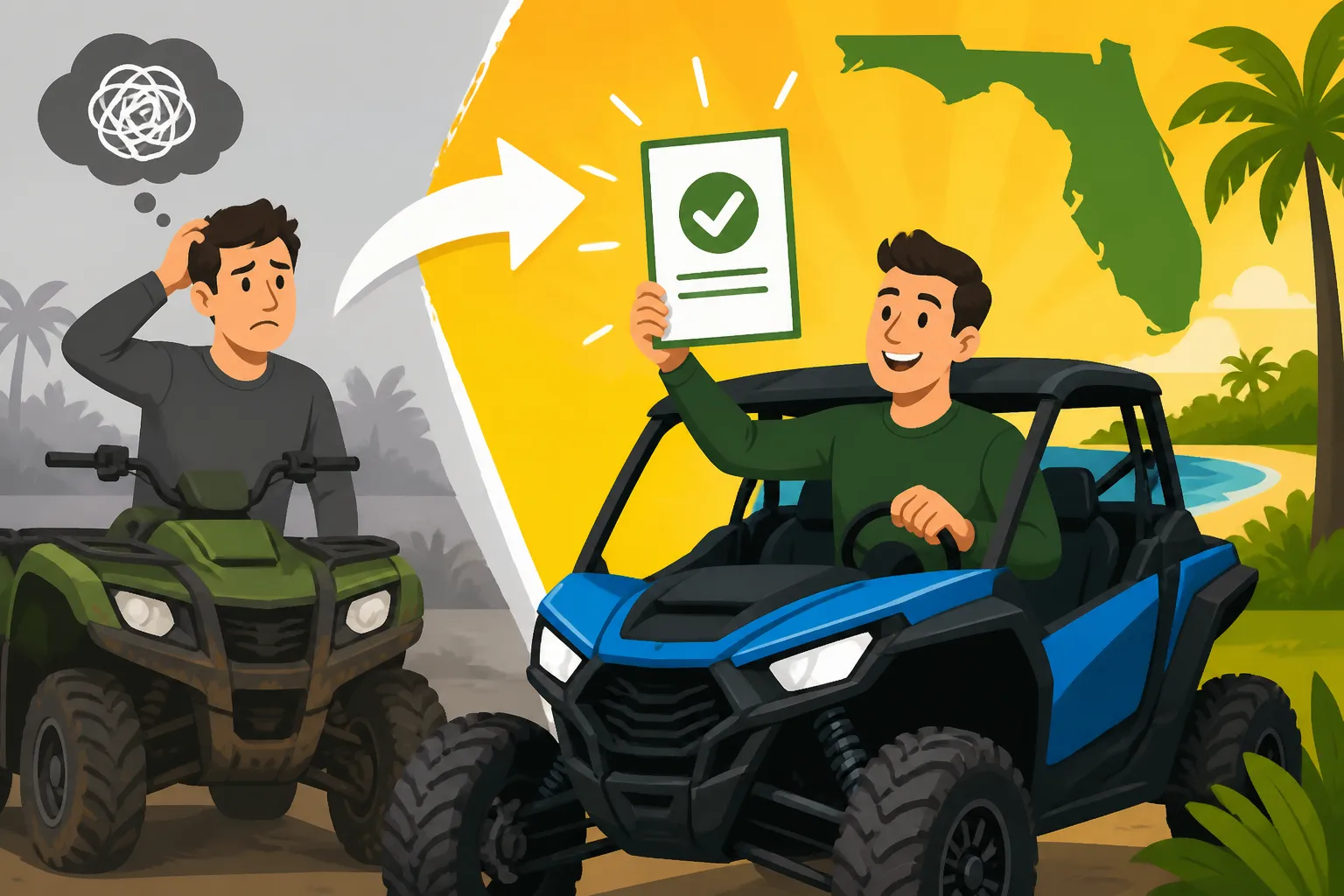
So, you’ve had that trusty ATV or UTV for years, right? Maybe you bought it from a buddy down the road, inherited it from a relative, or just picked it up casually for farm work or messing around on private land. For years, you probably never gave a second thought to a title, because hey, it wasn't a car, and you weren't hitting the paved roads. But now, things have changed – you want to ride some of Florida’s amazing public trails, or perhaps you're finally ready to upgrade and sell your old machine. Suddenly, that missing title is a huge headache. This guide is here to walk you through the often-confusing process of titling an ATV in Florida after it’s been untraveled and untitled for years, helping you navigate the paperwork maze and finally get that machine legitimate.
Why Titling Becomes Essential (Even After Years)
It’s completely understandable why so many Florida ATV and UTV owners have machines that have never seen a title. For a long time, if you weren’t riding on public roads or public land, a title just wasn’t a priority. You had proof of purchase, a handshake, maybe a handwritten bill of sale, and that felt like enough for your needs. But the world of off-highway vehicles has evolved, and with it, the need for official documentation has become more pressing.
The Shifting Landscape of Florida ATV Use
Think about it: Florida is home to some incredible riding opportunities, from the expansive [Ocala National Forest ATV Trails in Florida] to exciting mud parks like Hog Waller. For years, if your riding was confined to your own property or a friend's private land, nobody really cared if you had a title. The state’s laws around OHV titling are primarily triggered by a desire to operate on public lands, regardless of whether those lands are paved or unpaved. When you start eyeing those designated trails or even just thinking about loading up for a weekend at a state forest, that little piece of paper becomes a big deal. Riding on public land requires proof of ownership and a title is the gold standard for that. Without it, you could face penalties or simply be turned away at the gate. This shift from purely private use to wanting broader access is often the catalyst for owners to finally tackle the titling process. It’s not about judging past choices; it’s about recognizing that new adventures require new paperwork. [Riding Public Land as the Trigger for a Title] is a clear signal that the rules have changed for many riders.
The Hurdles of Selling an Untitled ATV
Let’s be honest, trying to sell a significant asset like an ATV or UTV without a title can feel like trying to sell a car without a title—it's incredibly difficult, and for good reason. Potential buyers are, quite rightly, suspicious. They worry about the machine being stolen, or about inheriting future headaches from improper ownership. Banks certainly won’t finance a purchase without a clear title, severely limiting your pool of serious buyers. Even if you find someone willing to pay cash, they’ll likely demand a significant discount because they know they’ll have to go through the titling hoops themselves, assuming it's even possible.
What often happens is a phenomenon sometimes called "title jumping," where previous owners never properly titled the machine in their name, intending to skip a step and a fee. This is a huge red flag and can bite the next buyer. When you go to sell your years-old, untitled quad, you're not just selling a machine; you're selling a problem. Getting it titled before you put it on the market makes it infinitely more attractive, proves clear ownership, and ensures you get a fair price for your hard-earned investment. It transforms a questionable transaction into a legitimate one, benefiting both you and the buyer. This is a critical step, especially if you want to avoid the messiness of [Selling an Untitled ATV in Florida].
Proving Ownership When Documents Are Scarce
Here’s where the real challenge often lies: you’ve owned the ATV for ages, but the original Manufacturer's Certificate of Origin (MCO) is long gone. Maybe the person you bought it from didn't have it either, or perhaps you just have a faded, coffee-stained scrap of paper with a signature from a decade ago. This lack of a clear paper trail is the biggest hurdle when titling a machine that's been untitled for years. Florida's Department of Highway Safety and Motor Vehicles (FLHSMV) needs to be absolutely sure that you are the rightful owner. Without an MCO or a recent, notarized bill of sale from a titled owner, you're essentially starting from scratch to prove your claim. This might involve looking for old receipts, bank statements from the purchase, or even tracking down previous owners for sworn affidavits. It requires a bit of detective work and a strong narrative to convince the state that this machine is truly yours. The good news is, there are pathways, even if they require a little more effort.
Navigating the Titling Process Without a Clear Paper Trail
So, you're ready to get that title, but you're looking at your empty hands and wondering, "Where do I even begin?" It’s a common predicament, and while it might seem daunting, there are established routes to proving ownership even when the usual documents like an MCO or perfect bill of sale are missing. The key is to gather every shred of evidence you do have and understand the alternatives.
Gathering What You Have: Old Bills of Sale and Affidavits
Start by digging through every old folder, box, or digital file you might have. Even seemingly insignificant documents can help build your case for ownership.
- Old Bills of Sale: Did you get anything when you bought it? A handwritten note, an old receipt, a simple printed form? Even if it's not perfect, it's a starting point. Make sure it includes the ATV's VIN, the date of sale, the seller's name and signature, and your name. The more detail, the better. If it's old and sparse, consider using a service like LawDepot to create a sworn affidavit with the seller (if you can reach them) to elaborate on the original transaction.
- Proof of Payment: Did you pay with a check, a money order, or through an app like PayPal or Venmo? A record of that transaction, especially if it mentions the ATV, can be powerful corroborating evidence.
- Maintenance Records: Have you had the ATV serviced? Paid for parts? These records, especially if they list the VIN and your name, demonstrate a long-term connection to the machine.
- Photographs: Old photos of you with the ATV, particularly if they can be dated (e.g., from an old phone or camera), can help establish your long-term possession.
- Sworn Affidavits: If you have absolutely no paper proof, but friends, family, or neighbors can attest to your ownership for an extended period, they might be able to sign a sworn affidavit. This is a formal, written statement under oath, confirming their knowledge of your ownership. Again, a tool like LawDepot can provide affidavit templates that help ensure all the necessary legal language is included. It’s not ideal, but it’s better than nothing, especially if you've been riding it for Titling After Years of Riding Untitled.
The Role of a Prior Owner or Seller
Ideally, the person you bought the ATV from, or the person who last held a title (even if it wasn't them), is your best ally. If you can locate them, reaching out is crucial.
- Requesting a Proper Bill of Sale: Ask them to provide a current, dated, and signed [Florida ATV Bill of Sale: What It Needs to Say] that includes the VIN, their name, your name, and the sale price (even if it was years ago or a gift). If possible, a notarized bill of sale carries more weight.
- Getting an Affidavit of Ownership: If they no longer have any records, or if the original sale was very informal, they might be willing to sign an affidavit stating they sold the ATV to you on a certain date and relinquish all claims to it. This is particularly helpful if they never titled it themselves after buying it.
- What if They’re Gone? This is the tough part. If the original seller is unreachable, deceased, or uncooperative, you'll have to rely on the documents you do have and potentially look at more advanced solutions like a bonded title. It makes the process more complex, but not impossible. The goal here is to establish a clear chain of custody, and the closer you can get to the last titled owner, the smoother your journey will be.
Understanding Bonded Titles as a Last Resort
When all other avenues fail – you can't produce an MCO, a convincing bill of sale, or track down a previous owner – a bonded title becomes your last option in Florida. This isn't a simple process, and it's definitely considered a "last resort" because it involves more steps and costs.
- What is a Bonded Title? Essentially, a bonded title provides a "surety bond" to the state, protecting previous owners and subsequent buyers for a set period (usually three years). If someone else comes forward later with a legitimate claim to the ATV, they can make a claim against that bond for compensation. After the bond period expires without a claim, the title becomes regular.
- When is it Needed? A bonded title is specifically designed for situations where proof of ownership is severely lacking, and you can't otherwise satisfy the FLHSMV requirements. It's often required if you bought an ATV with no title from a casual seller, or if all your paperwork has been lost over the years.
- The Process: It involves applying to the FLHSMV, getting the ATV appraised, purchasing a surety bond (the cost of which depends on the appraised value), and submitting all the necessary forms. There will likely be an inspection, and you'll need to demonstrate why you can't get a standard title. It adds layers of complexity and cost, but for many who truly want to legitimize their long-owned, untitled machine, it's the only path forward. Be prepared for a detailed review by the state and potentially higher fees. [What a Bonded Title Takes in Florida] is a good resource if you find yourself in this situation.
The Steps to Take at the Florida Tax Collector's Office
Once you’ve done your detective work and gathered all possible documentation, it's time to face the music at your local Florida Tax Collector's office. This is where all your efforts will culminate, and you’ll either walk out with a temporary title or a clear path to getting a permanent one. Be prepared, be patient, and bring every piece of paper you’ve collected.
Required Documentation Checklist (Even for Older Machines)
Even for an ATV that's been untitled for years, the basic requirements for a title application in Florida remain largely the same, but you might need to lean more heavily on alternative proofs of ownership. Here's a rundown of what you should aim to bring:
| Document Category | What You Need | Notes & Alternatives |
|---|---|---|
| Application Form | Florida Highway Safety and Motor Vehicles (FLHSMV) Form 82040, Application for Certificate of Title With/Without Registration. | Make sure to fill out all relevant sections accurately. You can often download this online. [Florida's ATV Title Application Explained] |
| Proof of Ownership | Original MCO (Manufacturer's Certificate of Origin) OR prior Florida Certificate of Title. | Alternative: Detailed Bill of Sale, Sworn Affidavits, Old Receipts, Maintenance Records, Bonded Title Application. [Proof of Ownership When the MSO Is Missing] |
| VIN Verification | Completed FLHSMV Form 82042, Vehicle Identification Number and Odometer Verification. | Must be completed by an authorized verifier (law enforcement, Florida dealer, or DMV employee). |
| Photo Identification | Your valid Driver's License, State ID Card, or Passport. | Needed to verify your identity. |
| Payment for Fees | Funds for the title fee, service charges, and sales tax (if applicable). | Check the current fees with your local tax collector. |
Even if you don't have the "ideal" proof of ownership like an MCO, having a strong combination of other documents will give you the best chance. The tax collector's staff is there to help, and they've likely seen every scenario under the sun when it comes to older, untitled machines.
VIN Verification and Why It's Crucial
One step that absolutely cannot be skipped, regardless of how old or new your ATV is, is VIN verification. The Vehicle Identification Number (VIN) is your ATV's unique fingerprint, and the state needs to confirm that the number on your paperwork matches the number physically stamped on the machine itself. This is a critical anti-theft measure and ensures the machine isn't reported stolen or illegally modified.
- Who Can Verify? In Florida, VIN verification (using FLHSMV Form 82042) must be performed by an authorized agent. This typically includes:
- A law enforcement officer (e.g., Sheriff's Deputy, Police Officer).
- A Florida dealer (for new or used sales).
- A Florida Department of Highway Safety and Motor Vehicles (FLHSMV) employee.
- The Process: You'll typically take your ATV to one of these authorized locations, or in some cases, a law enforcement officer might come to your property (though this isn't always guaranteed or convenient). They will visually inspect the VIN on the machine and complete the verification form. This step proves the physical existence and identity of the ATV you're trying to title. Make sure the VIN on all your supporting documents (bill of sale, affidavits, etc.) matches the VIN on the machine perfectly. This is a non-negotiable step to ensuring you can [How to Title an ATV in Florida].
Fees and Processing Time: What to Expect
Titling an ATV in Florida, even an old one, comes with certain fees. These aren't just for the title itself but cover administrative costs and, in some cases, sales tax that might be due.
- Initial Title Application Fee: This is the standard fee for issuing a new title.
- Service Charges: Your local Tax Collector's office will add a service charge for processing the paperwork. This is standard for almost all DMV-related transactions. [Florida's $4.25 Service Charge on Every Title Transaction] is common.
- Sales Tax: This is a crucial one for long-untitled machines. If you bought the ATV years ago and sales tax was never collected and remitted to the state, it will likely be assessed when you apply for the title. The sales tax is generally based on the purchase price or, if that’s unknown or unreasonably low, on the fair market value of the ATV.
- Potential Additional Fees: If you opt for a "Fast Title" to get your paper title quicker, there's an additional expediting fee. If you need a bonded title, the cost of the surety bond will be an extra expense.
- Processing Time: Once you've submitted all your documents and paid the fees, the processing time can vary. A standard paper title might take a few weeks to arrive in the mail. If you qualify and opt for a [Florida Fast Title for an ATV: The $7 Expedited Option], you could potentially receive it much sooner, sometimes even the same day if all conditions are met and your local office offers immediate printing. For more complex cases, like bonded titles, the process can take longer due to additional review by the FLHSMV. Be sure to ask about current processing times when you visit the tax collector.
Common Pitfalls and How to Avoid Them
Even with all the right intentions, trying to title an ATV that's been untitled for years can throw some curveballs. Understanding these common stumbling blocks beforehand can save you a lot of frustration and wasted trips to the tax collector's office.
Dealing with a Missing MSO or Original Paperwork
This is perhaps the most frequent headache for owners of long-untitled ATVs. The Manufacturer's Certificate of Origin (MSO) is essentially the birth certificate for a new vehicle, and it's what's typically used for the very first title application. If you don't have it, or any original title from a previous owner, you're not alone.
- The Power of the Bill of Sale: This is where a detailed bill of sale, even an old one, becomes your absolute best friend. It needs to clearly identify the ATV (make, model, VIN), list the buyer and seller, the date of sale, and the purchase price. The more specific, the better. If your old bill of sale is sparse, and you can still contact the original seller, ask them to create a new, more comprehensive one, or sign a sworn affidavit confirming the original sale. [Proof of Ownership When the MSO Is Missing] often requires relying on these alternatives.
- Affidavits are Key: When no MSO or clear bill of sale exists, a notarized affidavit from the seller stating they sold you the ATV on a specific date and that they have no further claim to it can be accepted by the FLHSMV as proof of ownership. If the seller is unavailable, affidavits from other individuals who can attest to your long-term ownership might be considered, though this is a less ideal scenario and might trigger the need for a bonded title. Using a reliable template from a service like LawDepot can help ensure your affidavit is legally sound.
Sales Tax Considerations for Years-Old Purchases
One aspect that often catches people off guard when titling an older, untitled ATV is sales tax. Unlike annual registration fees (which ATVs in Florida don't have), sales tax is a one-time transaction tax.
- When It Applies: If you bought the ATV years ago in a private sale and sales tax was never paid to the state (which is common for many informal sales), the Florida Tax Collector will assess and collect it when you apply for the title. It's often calculated based on the purchase price listed on your bill of sale.
- Fair Market Value: If your bill of sale states an extremely low price (or if you claim it was a gift and it's not from a direct family member where certain exemptions might apply), the tax collector might assess the tax based on the ATV's fair market value. They have resources to determine the approximate value of used machines.
- Don't Be Surprised: Be prepared for this potential additional cost. It's not a penalty for not titling it earlier, but simply the state collecting the tax it was due at the time of the original sale. This can be a significant chunk of change, so factor it into your budget. This is a common part of [Florida Sales Tax When You Title an ATV].
Be Prepared for Questions and Potential Delays
Titling an older, untitled ATV is rarely as straightforward as titling a brand-new one with a pristine MCO. The tax collector’s staff are trained to look for irregularities and ensure the machine is legitimately yours.
- Bring Everything: Over-prepare rather than under-prepare. Bring every single document, receipt, photo, or affidavit you have, even if you think it's insignificant. You never know what piece of information might be the missing link.
- Be Patient and Polite: The process might involve multiple questions about how you acquired the ATV, why it wasn't titled sooner, and details about the seller. Answer honestly and calmly. Getting frustrated or defensive won't speed things up.
- Expect Potential Roadblocks: The first person you speak with might not have all the answers for complex cases. They might need to consult a supervisor or even refer you to a different department or process (like the bonded title route). Be ready for the possibility of having to return with additional documentation or pursue a different path. It's a journey, not always a sprint, but with persistence, you can get that long-awaited title in your hand.
Disclaimer
This article is for general informational purposes only and does not constitute professional advice. Laws, prices and regulations vary by location and change over time. Consult a qualified professional for guidance on your specific situation.