Florida Riding Areas With Washdown Stations
Florida mud and sand can pack into an ATV’s radiator, suspension, and trailer before you’ve even left the riding area. Finding a washdown station matters, but amenities can change and aren’t always listed clearly. This guide explains where Florida riders are most likely to find machine-washing facilities, what to confirm before driving, and how to clean up responsibly when no station is available.
Where to look for ATV washdown stations in Florida
Start with private parks and mud-riding venues
If washing your machine before heading home is a priority, start by checking private riding parks and mud-focused venues. These places are more likely than public forest trailheads to have designated cleanup areas because riders may arrive with machines coated in wet soil. That does not mean every private park has a washdown station, or that a station is available on every visit.
Florida riding areas worth contacting include Hog Waller near Palatka, Redneck Mud Park near Punta Gorda, and Hard Rock Off Road Park near Ocala. Treat them as places to ask about—not as a guaranteed list of locations with wash stations. Park facilities, operating arrangements, and rules can change. Confirm directly with the riding area before loading up, especially if you’re planning a long trip around cleanup access.
Ask what “washdown” means at that particular venue. It could refer to a dedicated washing bay, a hose connection, a rinse area with limited water pressure, or simply a recommendation about where riders can clean machines. Find out whether the facility is open during your riding session, whether you need to bring a hose or other supplies, and whether it is intended for ATVs and UTVs. A rinse spot designed for boots or small gear won’t necessarily work for a muddy side-by-side.
For event weekends, make the call close to your visit and ask whether facilities are available to day riders as well as campers. A wash area may have limited space or be governed by event-specific instructions. If you’re riding with several machines, ask whether groups can use the wash area together or whether riders need to queue. That small detail can affect how quickly you get on the road after a busy day.
Check public OHV areas without assuming they provide washing
Public riding areas such as Croom Motorcycle Area and the OHV trail systems in Florida’s national and state forests can offer a very different experience from a private mud park. A riding area may have staging, parking, or other visitor facilities without having a machine wash station. Don’t assume that water available to visitors is intended for rinsing vehicles, or that a hose connection near a facility is open for public use.
Before visiting a public area, check its official recreation information and contact the managing office if the wash question isn’t answered. Ask whether washing an ATV or UTV is allowed anywhere on site, and whether there is a specifically designated wash area. If staff say washing isn’t available or permitted, plan to leave with the machine dirty and clean it somewhere authorized later. Rules that protect the site can include restrictions on where water and sediment may drain.
It’s also important to separate “a place to ride” from “a place to wash.” A forest pass or OHV permit addresses access under the applicable rules; it doesn’t automatically provide washing access. For help planning the riding side of the trip, see [Florida ATV Trails: Every Public Riding Area] and [Florida State Forest OHV Areas Explained]. If you’re headed to a national forest, [Florida National Forest Riding vs State Forest Riding] can help you understand why facilities and operating rules may differ by location.
Use maps to plan the ride, then verify amenities directly
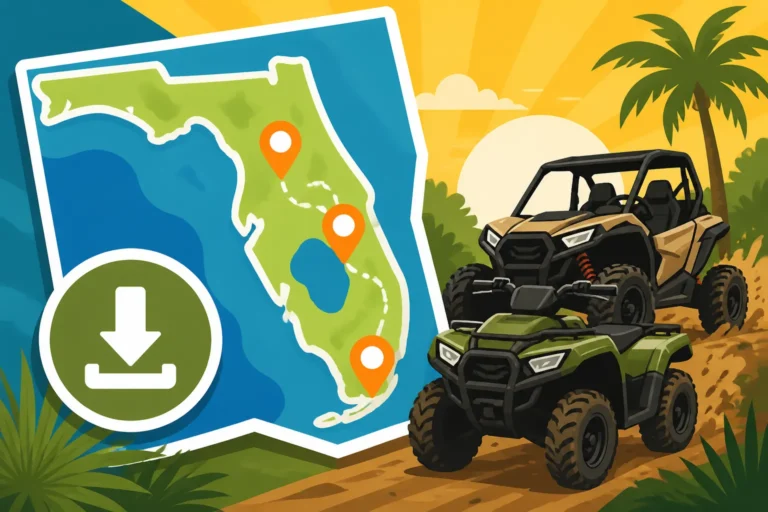
A map can help you compare trailheads, roads, and nearby services, but don’t treat a map pin as proof that a wash station exists or is open. The onX Offroad app can help with ride planning and locating relevant map features, but confirm any washdown amenity with the property or land manager before relying on it. A listing may be incomplete, outdated, or refer to a general water source rather than a vehicle wash area.
When calling a park, be specific: “Do you have a designated washdown area where I can rinse an ATV or UTV after riding?” Follow with practical questions about availability, permitted hours, payment or access conditions, and whether riders need to bring equipment. If the staff member isn’t sure, ask whether they can direct you to the person who handles trailhead facilities or day-use operations.
| Type of riding area | What to expect about washing | What to confirm before you go |
|---|---|---|
| Private mud park | A wash area may be more likely, but it is not guaranteed | Whether machine washing is allowed, where it is, and what equipment is provided |
| Public forest OHV area | A dedicated vehicle wash station may not be available | Whether washing is permitted at all and whether a designated location exists |
| Event venue | Facilities and access may depend on the event setup | Whether the wash area is open to day riders and how busy it may be |
| Campground near trails | Campground water access is not automatically vehicle-washing access | Whether the campground explicitly allows washing machines and where runoff goes |
For trip planning, onX Offroad can be one part of the process: use it to orient yourself, identify possible staging areas, and understand the surrounding route, then contact the land manager or park for current amenity details. It is especially useful to keep the riding location and cleanup stop separate in your plan. A nearby gas station, campground, or roadside water source is not necessarily authorized for washing an off-highway vehicle.
What to ask before you count on a wash station
Confirm what the facility can handle
A small ATV and a wide UTV have different cleanup needs. A wash bay might fit one machine but not a long, wide side-by-side, particularly if the area is crowded or has limited maneuvering space. Ask whether the washdown area is suitable for your machine’s size and whether trailers can enter or turn around nearby. If your UTV is wide, the guide to [Florida ATV Trails That Allow Side-by-Sides] can help with the trail-access question, but it won’t confirm washing access.
Also ask whether the facility is self-service or managed by staff. A self-service setup may require you to bring a hose nozzle, gloves, or a brush. A managed wash area may have specific instructions about where to park and how long you can use the space. Don’t assume a pressure washer is available just because the park advertises a washdown station. Pressure, water supply, drainage, and access can all differ.
If you’re riding with a group, ask whether everyone can use the same wash area and whether there’s a preferred order. Four machines leaving a muddy trail at the same time can turn a small cleanup area into a bottleneck. Knowing this in advance lets you plan staggered departures or bring a realistic amount of time for rinsing.
Ask about water use and runoff rules
Rinsing an ATV sends more than water down the drain. Sand, clay, grass, oil residue, and small debris may wash off with it. That is why a property may restrict washing to a designated surface or prohibit it outside a managed area. Never assume it is acceptable to wash a machine into a ditch, wetland, stream, pond, trail, or storm drain.
Florida’s sandy soils and frequent rain can make it tempting to rinse a machine wherever water is available. But runoff can carry sediment into places where it doesn’t belong, and a hose connection may be intended for another use. Follow signs and staff instructions. If a site has no approved wash area, take the machine to a location where vehicle washing is explicitly allowed rather than improvising at the trailhead.
Bring a small container or bag for debris you remove by hand. Mud clumps, leaves, and grass should not be pushed into a drain or left in the parking area. When staff provide rules for wash water or disposal, follow those rules even if they make cleanup take longer. The point of a designated wash area is to manage the mess, not simply move it somewhere else.
Check hours and access details, not just the amenity listing
A wash station can exist but still be unavailable during your visit. It may be closed outside staffed hours, reserved for certain users, temporarily out of service, or unavailable during a special event. Verify the hours and access conditions for your actual riding date. If you’re arriving late in the day, ask whether the wash area closes before the riding area does.
If you’re camping, confirm whether campers can use the same facility and whether access continues after riding hours. A campground near an OHV area may have its own rules that differ from the park’s day-use rules. Don’t wash a machine at a campsite or shared water point unless the campground explicitly allows it. For more trip-planning context, see [Florida ATV Camping With Trail Access].
Finally, ask what happens if the wash station is out of service. A backup plan could be a nearby vehicle wash that permits off-highway machines, a suitable home wash area, or simply transporting the quad dirty and cleaning it later. A quick call can prevent the frustrating end-of-day discovery that the facility you planned around is closed.
How to clean an ATV or UTV when no station is available
Protect the machine before you ride
The easiest cleanup starts before the first trail. A light layer of suitable protectant on appropriate non-braking surfaces can make some mud easier to remove, but avoid applying products to tires, brake components, grips, or other areas where reduced traction or contamination would create a safety problem. Follow your machine manufacturer’s maintenance guidance, especially around electrical connectors, air intakes, bearings, and cooling components.
Carry a few basics in the truck: work gloves, a small plastic scraper, a soft brush, shop towels, and a bag for wet or dirty items. These won’t replace a proper rinse, but they can remove packed grass and thick clumps before they harden. A small hand sprayer can help with spot cleaning if you have a suitable water source and are allowed to use it. Don’t spray runoff into a sensitive area or wash at a trailhead without permission.
Consider where mud is most likely to collect on your machine. Radiator fins, suspension arms, footwells, skid plates, wheel wells, and the underside of a UTV can hold debris long after the visible body panels look clean. On a ride through Florida’s sand or wet trails, check these areas before loading. For machine-specific setup considerations, [Keeping a Radiator Clean in Palmetto Country] and [Washing Sand Out After a Big Scrub Ride] offer related preparation and cleanup topics.
Remove debris carefully and inspect the important areas
Once you’re at an approved wash location—or back somewhere that permits vehicle washing—start with the large debris. Use a gloved hand or plastic tool to remove clumps of grass and mud rather than forcing them deeper into crevices with a high-pressure stream. Keep the machine stable and follow the owner’s manual for safe cleaning practices.
Pay particular attention to the radiator and cooling system. Mud and vegetation can block airflow, so clear debris carefully without bending delicate fins. Avoid directing high-pressure water straight at bearings, seals, electrical connectors, or other vulnerable components. If you’re uncertain about a cleaning method, use the manufacturer’s guidance rather than assuming that more pressure means a better result.
After rinsing, inspect for damage that mud may have hidden: loose fasteners, torn boots, damaged lines, bent guards, or debris wrapped around moving parts. Let the machine dry as appropriate and check it again before the next ride. Cleaning isn’t only about keeping the trailer tidy; it’s also a useful chance to spot problems before they become a roadside repair.
Keep the trailer and tow vehicle in the plan
A washed ATV can still leave a mess if the trailer is coated in mud and sand. Bring a broom or brush to clear loose debris from the trailer deck, and use tie-down points in a way that keeps straps away from sharp edges and dirty moving parts. Avoid washing grime into a public parking area or onto a road. If the venue offers a designated cleanup area, ask whether it is intended for trailers as well as machines.
The tow vehicle may need attention too, particularly after a wet or sandy ride. Keep a separate set of towels or floor protection in the cab, and store muddy gear in a sealed tote rather than placing it on seats or carpet. If you use a nearby commercial wash, check that it allows off-road vehicles and muddy trailers before pulling in. A regular vehicle wash may not be equipped for large clumps of clay or trail debris.
If you’re new to an area, onX Offroad can help you plan the route between riding and nearby services, but call those businesses before showing up with a heavily muddied machine. Their equipment, space, and rules may not suit an ATV or UTV. Having a confirmed cleanup option—and a backup—makes the ride home far less stressful.
A simple pre-ride checklist for washdown access
Make the confirmation call
Before leaving home, contact the riding area and ask whether there is a designated ATV or UTV washdown station. Confirm that it is open during your planned visit, available to your type of admission, and large enough for your machine. Ask whether water, hoses, or pressure-washing equipment are provided, and whether any restrictions apply to runoff or cleaning products.
If the answer is unclear, plan as though washing will not be available. This avoids relying on a vague amenity listing and gives you time to arrange an approved alternative. You can also check [Florida Trail Closures You Should Check First] before traveling, since access information matters just as much as cleanup facilities when choosing a riding destination.
Pack for a dirty ride home
Even with a confirmed station, bring basic cleanup supplies and assume there may be a wait. Pack gloves, a brush, a scraper, towels, and a way to contain muddy gear. If you’re taking a UTV or several machines, think through where each one will go while the others are being washed. Keep straps, clothing, and cab interiors separate from muddy equipment.
A useful final planning step is to save the riding area’s contact information and the location of your planned cleanup stop. onX Offroad can help organize your route, but direct confirmation is what tells you whether washing is actually permitted and available. Before you head out, it may also help to review [Florida OHV Trail Etiquette Locals Expect] so your group is prepared to share staging and cleanup spaces considerately.
Treat washing access as a facility to verify
The safest expectation is simple: private mud parks may be more promising places to ask about washdown access, while public forest riding areas should not be assumed to have vehicle-washing facilities. Neither category guarantees a station. Confirm directly, follow posted rules, and keep runoff away from natural areas and public roads.
That bit of planning can save an unpleasant surprise at the end of a long ride. You’ll know whether to rinse before leaving, clean the machines later, or adjust your destination based on the facilities that are actually available.
Disclaimer
This article is for general informational purposes only and does not constitute professional advice. Laws, prices and regulations vary by location and change over time. Consult a qualified professional for guidance on your specific situation.