Florida Mud Park Weekend Events
Florida mud park weekends can be a blast, but the details that make or break a trip are easy to miss: event schedules change, mud conditions vary, and a park’s rules may not match the trails you usually ride. This guide explains how to choose an event, prepare your ATV or UTV, plan for safety and camping, and avoid common surprises.
What to expect at a Florida mud park weekend
Events can mean very different kinds of riding
“Weekend event” can describe anything from a casual open-ride weekend to a large organized gathering with scheduled activities, camping, vendors, or music. Some weekends are centered on mud holes and machine challenges; others offer a broader mix of trail riding and social time. Before you commit, check what the event actually includes rather than assuming every park weekend follows the same format.
A mud-focused event may suit riders who enjoy testing their machine in deep, soft ground. A family weekend might call for easier routes, a kids’ riding area, or a quieter campground. If you prefer to explore varied terrain instead of spending most of the day around the mud, look for information about trail options and whether the event schedule leaves room for general riding.
Florida parks and private riding areas have their own calendars and admission policies. Places such as Hog Waller in Palatka and Redneck Mud Park near Punta Gorda are familiar names among riders, but that does not mean every event or operating detail is the same from one weekend to another. Start with the park’s own current event information, then confirm the rules that matter to your group. For a broad overview of destinations, see [Florida Mud Parks: Where Riders Actually Go].
The crowd and conditions shape the experience
A large event can bring a lively atmosphere and plenty to watch, but it can also mean busier trails, longer lines at popular features, and a more active campground. If you are traveling with children, new riders, or someone who prefers a slower pace, think about how your group feels in a crowd before choosing a major event weekend.
Weather can change the riding experience quickly. Rain may soften trails and create deeper mud, but it can also make routes difficult, affect access, or prompt organizers to close certain areas. Dry weather can leave some sections firmer while making exposed rides hot and dusty. Florida’s rainy season can make planning especially unpredictable, so it helps to read [Florida Trail Riding in the Rainy Season] and check event updates before departure.
Do not treat a social media post or an old event listing as confirmation that a particular activity, trail, or camping area will be available. Ask the park whether the event is still scheduled, what areas are open, and whether any vehicle or passenger restrictions apply. That short check can save a long drive from Orlando, Tampa, or Jacksonville to a weekend that does not fit what you had in mind.
| Weekend style | Best fit | What to confirm before leaving |
|---|---|---|
| Open riding weekend | Riders who mainly want trail time | Open areas, vehicle limits, trail conditions, and admission details |
| Organized mud event | Riders looking for scheduled activities and a busy atmosphere | Event schedule, activity rules, noise expectations, and arrival process |
| Family-focused outing | Mixed-age groups and newer riders | Children’s areas, supervision rules, quieter routes, and campground setup |
| Camping and riding weekend | Groups staying overnight | Campsite availability, generator and fire rules, wash facilities, and check-in details |
| Side-by-side outing | UTV owners and passengers | Width or vehicle restrictions, passenger rules, and which routes allow UTVs |
How to choose an event and riding area
Match the park to your group
Start with the people going, not just the machine you want to bring. A group of experienced riders who enjoy deep mud may be happy with a demanding event. A family with a first-time rider may prefer a place with a range of terrain, space to take breaks, and clear rules for younger participants. If your group includes both ATVs and UTVs, confirm that the park accommodates both types and that the routes you plan to use are suitable for each.
Riders often compare familiar destinations such as Hog Waller and Redneck Mud Park because they offer different settings and event experiences. Avoid choosing based on the name alone. Look at the specific weekend’s schedule, the park’s layout, accommodation or camping arrangements, and any restrictions that could affect your vehicle. [Hog Waller ATV Resort in Palatka, Florida] and [Redneck Mud Park Near Punta Gorda, Florida] are useful starting points for comparing those destinations.
Think about how much of the weekend you want to spend riding versus hanging out. A major gathering may be appealing if the social scene is part of the fun. If your priority is to ride at your own pace, ask whether ordinary trail access remains available during the event and whether organizers route traffic differently. For more on the practical differences between riding areas, [Florida Riding Areas That Charge by the Machine] can help you identify one detail to check while comparing options.
Read the rules as carefully as the event schedule
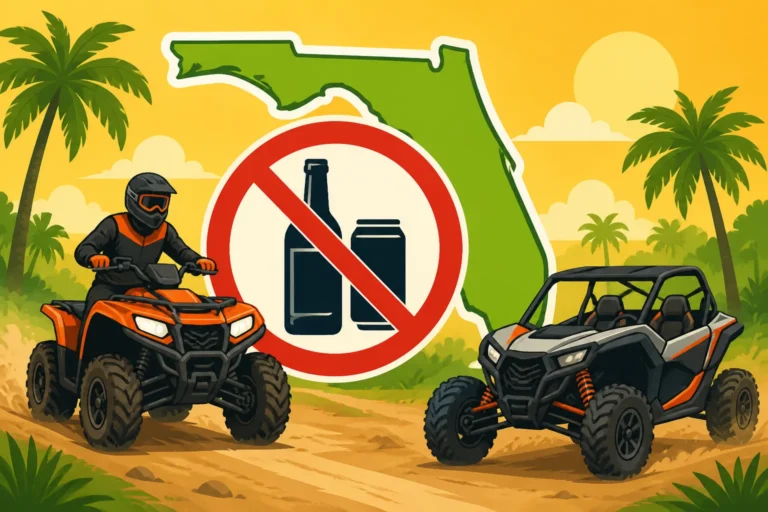
A mud park is not automatically an unrestricted playground. Parks may set their own rules for riders, passengers, helmets, age limits, noise, alcohol, pets, and vehicle use. Some also have separate requirements for camping or organized activities. Read the posted rules before arrival, especially if someone in your group is under 16 or plans to ride as a passenger.
Do not assume a route is open just because it appears on a map or a friend rode it on a previous visit. Closures, weather, event layouts, and land-management decisions can change access. If you use onX Offroad to help plan your trip, treat it as a navigation aid rather than proof that a particular trail is currently open or permitted. Confirm access with the park directly, and review [Florida ATV Trails That Allow Side-by-Sides] if you are bringing a UTV.
It also helps to know what kind of riding you are actually seeking. Some public trails are designed and managed differently from private mud parks, and a trail system may not offer the deep mud or event atmosphere you expect. [Florida ATV Trails With Mud Holes] can help you compare the idea of a mud-focused ride with other places to ride. If you are heading to public land instead of a private park, check its own passes, access rules, and closures; a private-park event pass should not be assumed to cover public riding.
Prepare your ATV or UTV for mud
Inspect the machine before the trip
Mud can expose small mechanical problems that are easy to overlook in the garage. Before loading, check tires for damage, confirm that the brakes work properly, and look for loose fasteners, worn belts, damaged wiring, or leaks. Make sure the battery is secure and that the cooling system is clean and functioning. A machine that runs well on a short neighborhood test may behave differently when it spends hours in heavy mud or slow-moving traffic.
Check the owner’s manual for maintenance guidance and for any limits on water exposure. A snorkel or other modification does not make a machine waterproof, and deep water can damage components or leave you stranded. If a route includes water crossings or deep muck, decide in advance whether the machine is equipped for that kind of riding and whether the risk is worth it for your experience level.
Bring basic recovery and repair supplies suited to your vehicle and the event’s rules. Useful items may include a tow strap designed for recovery, a tire repair kit, a compact tool set, gloves, and a way to contact your group. Do not attach recovery equipment to parts of the machine that are not intended to take a pulling load. If you are uncertain where safe recovery points are, consult the manufacturer’s guidance before the weekend rather than improvising in a crowded mud hole.
Plan for cleaning, heat, and post-ride care
Mud is not only messy; it can hide damage and hold moisture against components. After riding, remove packed mud from areas where it can interfere with brakes, cooling, steering, or suspension. Follow manufacturer recommendations when washing. High-pressure water directed at seals, bearings, electrical connectors, or radiators can cause trouble, so a careful rinse is often better than blasting every surface.
Ask the park whether it has washdown facilities and what rules apply to using them. Not every riding area offers the same setup, and crowded facilities may take time to access after a busy event. [Florida ATV Trails With Washdown Stations] is useful when comparing destinations where cleanup options matter. Bring extra clothes, towels, sturdy bags for muddy gear, and footwear that you can clean or keep separate from the rest of your vehicle.
Florida heat deserves as much attention as mud. Wear protective clothing that works for the weather, take breaks, and carry water for the ride rather than leaving it all at camp. Long sleeves, gloves, eye protection, and a properly fitted helmet can help with branches, debris, and flying mud. The recommendations in [Florida Trail Riding Gear for the Heat] are relevant even when your destination is a private park rather than a public trail.
Plan travel, camping, and navigation
Sort out logistics before event day
For a weekend visit, confirm the practical details that determine whether your trip will run smoothly: arrival and check-in procedures, whether advance reservations are needed, what camping options exist, and what equipment or supplies the site provides. Ask about quiet hours, generators, fires, pets, and how close you can park a trailer to your campsite. These rules can differ by location and event, so do not rely on assumptions from a previous park visit.
Plan the drive with the trailer in mind. Check that the tow vehicle is ready, the trailer’s tires and lights work, and the ATV or UTV is secured using suitable tie-down points. Leave room for muddy gear and any supplies you need to keep dry. If you are coming from a distance, decide where you can stop for fuel and food without needing to unload or leave equipment unattended.
Camping can make the weekend more relaxed, but it does not guarantee that a campsite is included with an event admission. Confirm the relationship between riding access and overnight stays directly with the park. [Florida ATV Camping With Trail Access] can help you think through what to ask when comparing ride-and-camp options. Pack for both wet and dry conditions, since a sunny arrival does not guarantee a dry campsite or an easy ride the next morning.
Use maps as planning tools, not permission slips
Before you leave home, save the park’s address, check your route, and make sure your phone or navigation device will be usable where you plan to ride. onX Offroad can be helpful for organizing waypoints and reviewing mapped routes, especially when a group wants to share a general plan. But map information should not replace the park’s official instructions, and a drawn route is not a guarantee of access.
Agree on a simple plan with your group: where to meet if separated, how long to wait before turning back, and who carries the first-aid kit or recovery gear. Keep the plan realistic. In a noisy, muddy area, a phone may be hard to hear, and a rider may not notice a message. Choose a visible meeting point and make sure every rider knows it before splitting up.
Navigation is particularly useful when you are traveling to a new area, but avoid relying on a single device or a signal that may disappear. Download or save relevant information ahead of time when possible. Use onX Offroad as one part of your planning setup, alongside the park’s directions and any maps or instructions the staff provides. If conditions change or a marked route is closed, follow the park’s direction rather than trying to route around a closure.
Ride safely and handle common problems
Set expectations for the whole group
A weekend event can bring together riders with very different experience levels. Before the first ride, agree on a pace, identify the least experienced rider, and choose routes that person can manage comfortably. Make sure nobody feels pressured to enter a mud hole or attempt an obstacle just because other riders are watching. A calm ride that everyone enjoys is better than a breakdown or injury caused by showing off.
Keep a safe distance between machines, especially in poor visibility or around deep mud. Do not follow so closely that you cannot stop if the rider ahead gets stuck or changes direction. Avoid standing where another machine could slide, spin a tire, or suddenly move under power. If someone needs help, pause the group in a safe place before attempting a recovery.
Be respectful of other visitors, staff, and the property. Follow one-way routes, observe posted closures, keep noise within the park’s rules, and leave campsites and riding areas clean. [Florida OHV Trail Etiquette Locals Expect] offers useful habits that apply well beyond public trail systems. Good etiquette matters even more on a busy event weekend, when a single careless act can affect a lot of people.
Have a plan for breakdowns, weather, and changing conditions
If a machine breaks down, move it out of the path of other riders if it is safe to do so. Turn it off if there is a suspected mechanical or electrical problem, and avoid repeated attempts to drive through water or mud when the vehicle is struggling. Use the recovery method you planned, and ask park staff for help when the situation calls for it. A group should not crowd around a stuck machine in a way that creates another hazard.
Keep an eye on weather and the condition of the ground. Heavy rain can turn a familiar route into a much more difficult ride, while standing water may hide ruts, debris, or a sudden change in depth. If you are unsure about a section, stop somewhere safe and ask staff or choose another route. [Florida ATV Trail Conditions After Heavy Rain] explains why recent weather deserves attention when planning any off-road outing.
Finally, know when to call the ride. Heat, fatigue, a damaged machine, or a rider who is uncomfortable are all good reasons to head back early. On a long weekend, it can be tempting to squeeze in one more trail or event activity, but tired riders make poorer decisions. A slower pace, regular water breaks, and a willingness to change plans can prevent a fun outing from becoming a stressful one.
Disclaimer
This article is for general informational purposes only and does not constitute professional advice. Laws, prices and regulations vary by location and change over time. Consult a qualified professional for guidance on your specific situation.