Florida Riding Areas That Ban Alcohol
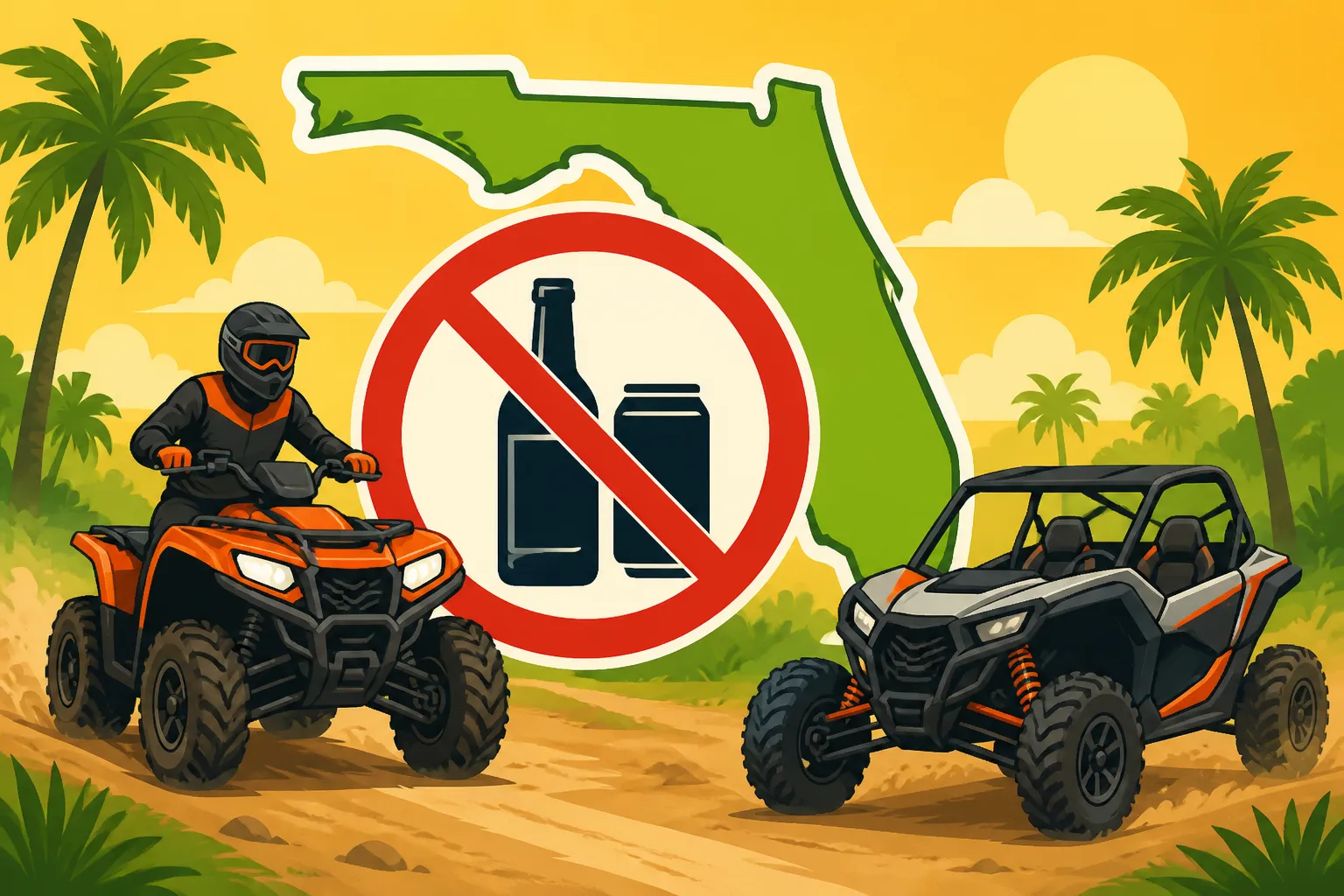
Florida riders can arrive at a trailhead with a cooler and discover that alcohol is prohibited, even if they planned to drink only after riding. The tricky part is that rules differ between public forests, private parks, campgrounds, and event weekends. This guide explains how to check an area’s policy, what different restrictions mean, and how to avoid a frustrating or unsafe day on the trail.
What an Alcohol Ban at a Florida Riding Area Can Mean
“Alcohol is prohibited” is not always used to describe the same rule. One property may ban alcohol anywhere on the premises, while another may focus on drinking and riding or prohibit alcohol only in designated areas. Before you pack, find out whether the policy covers possession, consumption, intoxication, or all three.
A property-wide ban is different from a riding ban
A property-wide alcohol ban may prohibit bringing, possessing, or consuming alcohol anywhere inside the riding area. That can include the staging area, trail system, parking lot, and campground. If the property has a strict rule, keeping drinks in a cooler inside your parked vehicle may still violate it. Don’t assume that alcohol is allowed just because you don’t plan to open it.
A riding ban may instead prohibit operating an ATV or UTV after drinking, without necessarily banning alcohol elsewhere on the property. Even then, the details matter. The rule might apply to anyone who has consumed alcohol, or it might prohibit riding while impaired. If the wording is unclear, ask the operator how it is applied and whether the restriction covers the whole property or only active riding areas.
Some places also distinguish between the trail system and an adjacent campground. That does not mean you can safely infer where one rule ends and another begins. A campground could have its own policy, or a park-wide rule could apply to both. Confirm the boundary and terms with the land manager before bringing alcohol.
Possession, consumption, and impairment are not interchangeable
These terms describe different situations. “No alcohol” may cover possession as well as drinking. “No open containers” may address containers that have been opened, but it does not necessarily mean alcohol can be consumed elsewhere on the property. “No riding while impaired” focuses on operating a machine, but it should not be treated as permission to drink at the trailhead or beside the trails.
A rule against public intoxication or disruptive behavior can also apply even if a location does not have a blanket alcohol ban. If a rider is loud, unsteady, or behaving in a way that creates risk for other visitors, staff may intervene under park rules or applicable law. The practical takeaway is simple: read the actual policy instead of relying on a short phrase repeated in a forum or group chat.
When you see wording that leaves room for interpretation, ask a direct question: “Can visitors bring sealed alcohol onto the property?” or “Is alcohol allowed at the campground after the machines are parked?” Specific questions are more useful than asking only, “Is drinking allowed?”
Rules may change between the trail and a nearby campground
A riding area and its campground may be managed by different operators, or the campground may have separate terms of use. Private parks can also set event-specific rules. A regular riding day may have one policy, while a large event or organized weekend may impose additional restrictions.
Alcohol rules are only one part of planning a legal ride. For example, public riding areas may have separate permit, machine, and rider requirements. If you are visiting from outside Florida, review [Florida OHV Permit Rules for Out-of-State Riders](Florida OHV Permit Rules for Out-of-State Riders) before heading to a forest trail system.
Likewise, campsite access does not automatically mean that every activity is permitted there. Check the campground’s own rules on alcohol, quiet hours, fires, and vehicle use. For more planning details, [Florida ATV Camping With Trail Access](Florida ATV Camping With Trail Access) can help you think through the difference between staying near a riding area and understanding the rules that apply once you arrive.
How to Check Whether a Florida Riding Area Bans Alcohol
A search result, old review, or rider’s recollection can be a useful starting point, but it may not reflect the current policy. Rules can differ by manager, property, campground, and event. Verify them before you load the machines.
Start with the land manager’s own rules
Identify who manages the place you plan to ride. Public land may be managed by a forest or other public agency, while a mud park or private trail system sets rules through its own operator. Look for the official page covering rules, visitor information, camping, or frequently asked questions. Read the full page rather than relying on a search snippet.
If you cannot find an alcohol policy, contact the office or gate staff before your trip. Ask whether alcohol may be brought onto the property, whether consumption is allowed in any area, and whether the answer changes for campers or event attendees. If you get an answer by phone, write down the date and the name or role of the person who helped you. That gives your group a clearer reference if questions come up later.
Check again close to your visit. A posted notice, temporary closure, special event, or change in management can affect what is allowed. [Florida Trail Closures You Should Check First](Florida Trail Closures You Should Check First) is a useful reminder that access conditions are not always fixed, even when a place has been part of your regular riding routine.
Use maps to confirm the place, not to replace its rules
A common planning mistake is checking the alcohol policy for a nearby park instead of the exact property where the group will ride. Florida has public forests, private parks, campgrounds, and other lands that may sit close together. A route can pass near a boundary without giving you permission to enter the land on the other side.
A mapping tool such as onX Offroad can help riders orient themselves and examine land boundaries or route context. Treat that information as a planning aid, not as the final word on access, alcohol, or current operating rules. A map cannot substitute for the manager’s posted terms, and an apparent route does not establish that a trail is open or that alcohol is allowed.
This matters when a riding plan includes more than one stop. Your group might ride at a public trail system and camp at a private campground nearby. Those are two separate properties with potentially different policies. Check each one independently, and avoid carrying alcohol between locations until you understand the applicable rules.
Ask clear questions before you pack
“Do you allow alcohol?” can lead to an incomplete answer if staff interpret the question as asking only about drinking. It is better to ask several short, concrete questions:
- Is alcohol allowed anywhere on the property?
- Can visitors bring unopened alcohol in a vehicle or cooler?
- Is consumption allowed in the campground or at a campsite?
- Is alcohol prohibited during events or on specific dates?
- Does the property prohibit riding after any alcohol consumption, or prohibit riding while impaired?
- Are there restrictions on glass containers or open containers?
If staff direct you to a written policy, read it and save the official page or document for the trip. That is more dependable than passing along an informal interpretation. For general trail conduct beyond alcohol, [Florida OHV Trail Etiquette Locals Expect](Florida OHV Trail Etiquette Locals Expect) offers a useful companion topic for keeping a group ride respectful and safe.
| Policy wording | What it may cover | What to confirm |
|---|---|---|
| No alcohol on the property | Possession or consumption across the entire site | Whether this includes vehicles, campsites, and sealed containers |
| No open containers | Open alcohol containers in specified areas | Whether unopened alcohol can be brought or stored on site |
| No drinking and riding | Alcohol consumption connected with machine operation | Whether the rule applies to the whole property and when riding may resume |
| No riding while impaired | Operating a machine while affected by alcohol | How the operator defines and enforces the rule |
| Campground rules apply | Restrictions in camping areas | Whether trailheads, parking areas, or event spaces have separate rules |
Alcohol, ATV and UTV Safety, and Legal Risk
Even where a property does not have a total alcohol ban, drinking before or during a ride is a poor risk to take. Trails can include loose sand, ruts, mud, water, blind corners, changing weather, and other riders. A mistake that might be minor on flat ground can become serious when a machine rolls, slides, or strikes an obstacle.
Do not ride after drinking
Alcohol can affect balance, reaction time, judgment, and the ability to assess changing trail conditions. Those effects matter on both an ATV and a UTV. A UTV may feel more stable than a quad, but it still has weight, speed, blind spots, and rollover risks. A passenger can also be put in danger by a driver who has been drinking.
Make the decision before the group leaves home: the person operating a machine does not drink. If the group wants to drink at a campsite after riding, park the machines for the remainder of the day and arrange a sober person to handle any necessary transportation. Don’t rely on someone to “wait a little while” and judge their own readiness to ride.
Florida law and the way it applies can depend on where and how a machine is operated. A recreational vehicle does not make alcohol-related operation risk-free. For a general discussion of the legal topic, see [Florida DUI Law Applied to ATV Riders](Florida DUI Law Applied to ATV Riders). For advice about a specific situation, speak with a qualified Florida attorney rather than relying on a trail rumor or another rider’s experience.
Plan for passengers, minors, and group pressure
A group can unintentionally make a risky choice feel normal. One person opens a drink at the staging area, another assumes the rule is relaxed, and a newer rider may feel awkward speaking up. Agree beforehand that nobody will operate after drinking, and make sure everyone knows the property’s policy before the group arrives.
This is especially important when families are riding together. Adults may be responsible for supervising younger riders, and a child may not have the confidence or experience to question an unsafe decision. Keep alcohol separate from the riding plan, and do not put a minor in a passenger seat or on a machine operated by someone who has been drinking.
If someone in your group has consumed alcohol, remove them from the riding plan for the rest of the day. Don’t hand them the keys, and don’t let the group’s schedule or the cost of the trip push you into making an exception. A delayed ride is frustrating; a crash, injury, or citation can have consequences long after the weekend ends.
Keep the ride plan within the rules
Alcohol policy is not a substitute for checking access rules, permits, closures, or road-use restrictions. A trail area might allow riding only on designated routes, or require a pass for each machine. A route shown on a map may cross land where riding is not permitted. Use the manager’s information to confirm access, and follow posted signs once you arrive.
The same care applies when a trip combines trail riding with public-road travel. The legal rules for riding on a road differ from rules on a trail or private property. Do not assume that being allowed to ride on one type of land means you can use nearby roads to reach food, fuel, or a campsite. [Florida ATV Road Rules: Where You Can Legally Ride](Florida ATV Road Rules: Where You Can Legally Ride) explains why the location of a route matters.
For organized rides, assign one sober person to handle questions at the gate, check posted notices, and keep track of the group. If a deputy or park employee gives instructions, follow them calmly. [Florida Sheriff Enforcement of ATV Road Rules](Florida Sheriff Enforcement of ATV Road Rules) provides additional context about enforcement around ATV road use.
A Practical Checklist Before You Leave
The easiest way to avoid an alcohol-policy surprise is to make the decision part of trip planning, alongside permits, fuel, and machine preparation. A few minutes of checking can prevent an awkward conversation at the entrance or a wasted drive.
Confirm the exact property and date
Write down the official name of the trail system, campground, or park. Check that you are looking at the rules for the correct property and not a similarly named location nearby. If you are riding during a special event, holiday, or group gathering, confirm whether event rules differ from normal operating rules.
Use onX Offroad or another mapping resource to help orient your route and identify nearby land boundaries, then verify access and conduct rules with the property manager. A route that appears to connect two places on a map may cross land with different restrictions. Keep the official contact details available in case a gate is closed or posted instructions differ from what you expected.
Agree on a sober-rider plan
Before loading, decide who will operate each machine and make the no-drinking-before-or-during-riding expectation clear. If the group plans to drink at camp after the ride, agree that machines stay parked. Make arrangements for any transportation that might be needed, rather than assuming someone can drive later.
A simple group message can prevent confusion: “We’ve checked the property rules, nobody drinks before or during riding, and the machines are done for the day before any alcohol is opened.” That gives everyone the same expectation and makes it easier for a friend to speak up if plans start to drift.
Pack according to the policy
If the property bans alcohol, leave it at home rather than trying to interpret a loophole about sealed containers or vehicle storage. If alcohol is allowed only in a designated camping area, follow the boundary and container rules exactly. When the policy remains unclear, the safest approach is not to bring it until the manager confirms what is permitted.
Also check the rest of your group’s equipment and access needs. Some riding areas require passes, have machine-width limits, or close trails for weather and land-management reasons. A careful pre-trip check saves time at the gate and helps keep the ride safe for everyone sharing the trail.
Use a simple decision rule at the trailhead
If you cannot confirm that alcohol is allowed, treat the policy as unconfirmed—not as permission. Ask staff before unloading or opening anything. If a posted rule is stricter than what you were told earlier, follow the posted direction and clarify with the manager later.
And if anyone has been drinking, the decision is even simpler: that person does not ride. A planned trail day should be enjoyable, not a test of whether someone can judge their own impairment or whether a group can talk itself into taking a chance.
Disclaimer
This article is for general informational purposes only and does not constitute professional advice. Laws, prices and regulations vary by location and change over time. Consult a qualified professional for guidance on your specific situation.