Reading a County Commission Notice of Hearing
It can feel incredibly frustrating to be a Florida ATV or UTV rider and suddenly hear whispers about new local rules that could impact where you ride, only to find an inscrutable "County Commission Notice of Hearing" buried in a newspaper or on a complex county website. You might wonder what it means, if it affects you, and why it's so hard to understand. This guide is here to demystify those notices, breaking down what they are, how to read them, and most importantly, how to use them to protect your riding freedom and advocate for your passion.
What Exactly is a County Commission Notice of Hearing?
Navigating the world of local government can feel like trying to find your way through a dense Florida scrub without a trail map. One minute you're enjoying the freedom of the open road (or trail!), and the next you're hearing about a new ordinance that could change everything. That's where a County Commission Notice of Hearing comes in – it's an official announcement, but far too often, it's written in a language that feels purposefully obscure to the average resident.
More Than Just a Public Service Announcement
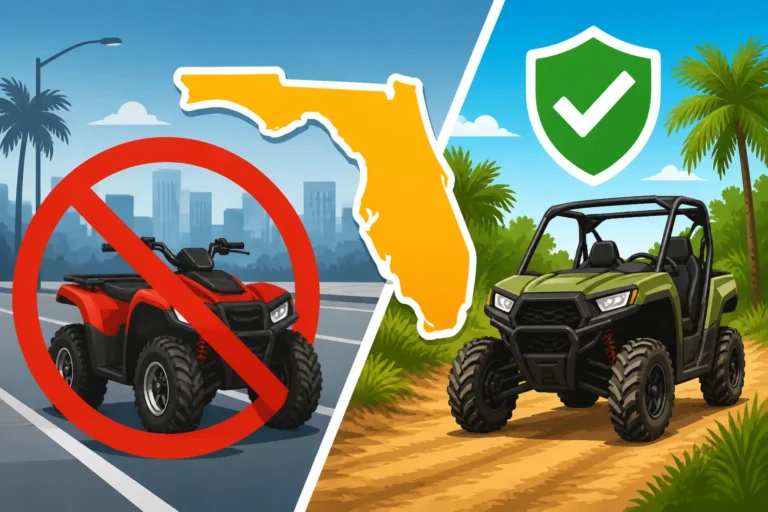
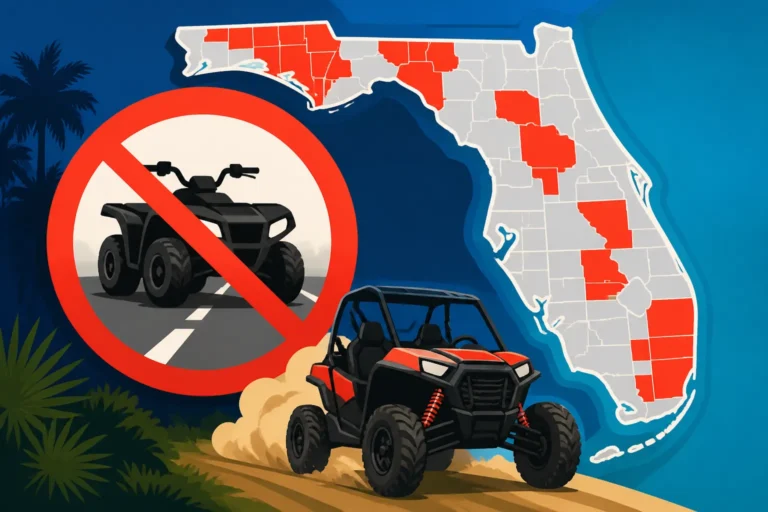
Think of a notice of hearing not as a friendly "heads up," but as a formal legal summons for public input. It's the county's way of saying, "Hey, we're thinking about changing a local law, and we're required by law to tell you about it before we do." For us ATV and UTV riders, these notices are absolutely critical because they often signal proposed changes that could directly affect [Florida ATV Road Rules: Where You Can Legally Ride], determine [Florida Counties That Designated ATV Roads], or, unfortunately, propose [Florida Counties That Banned ATVs From Roads] entirely.
For example, a notice might announce an upcoming hearing to discuss whether ATVs should be allowed on certain unpaved roads in a rural part of your county. This isn't just bureaucratic fluff; it's a direct threat or opportunity for your riding experience. Missing these notices, or failing to understand them, means you miss your chance to speak up before a decision is made that could impact your access to trails, your commute to a riding area, or even your ability to drive your machine to the gas station. It’s the local legislative process at work, and your vehicle is often right in the crosshairs.
Where Do These Notices Appear?
The biggest challenge with these notices is simply finding them. While counties are legally required to publish them, "published" can mean a lot of things. Often, you'll find them buried in the legal notices section of the county's official newspaper – a section most people skim right past. They might also appear on the county's official website, often hidden deep within the Clerk of Courts' site or under the County Commission's meeting agendas, which can be notoriously hard to navigate. Sometimes, you'll even see a physical notice tacked onto a bulletin board at the county courthouse or a local community center.
The unfortunate reality is that while the county is technically transparent, they don't exactly make it easy for residents to stumble upon this vital information. It requires proactive effort on your part to seek out these notices. If you're passionate about riding and want to protect your access, it's crucial to regularly check these sources for any proposed changes related to off-highway vehicles. Think of it as a treasure hunt where the treasure is your riding freedom. Staying informed is your first line of defense against unexpected restrictions or, conversely, your first opportunity to support new riding access.
Deciphering the Jargon: Key Elements of an ATV/UTV-Related Notice
When you finally track down one of these notices, you're often met with a wall of legalistic language that can make your head spin. It’s not written for the everyday rider; it’s written for lawyers and government officials. But don't despair! With a little guidance, you can learn to pick out the vital information and understand what's really at stake for your ATV or UTV.
Identifying the "Who, What, When, and Where"
These are the fundamental questions you need to answer from any notice of hearing. Without these, the rest of the text is just noise.
-
The "Who": This tells you who is behind the proposed action and who will be making the decision. Is it a specific County Commissioner, the Planning Department, or perhaps the Sheriff's Office proposing the change? Understanding the proponent can give you insight into the motivation. The "who" for the meeting itself is usually the County Commission, perhaps even a specific sub-committee, but it's important to note which county office is involved. For example, if it's about titling, it might involve discussions related to the [Marion County ATV Title Office Hours] or other tax collector services, even if the Commission makes the final rule.
-
The "What": This is arguably the most crucial piece of information. You're looking for keywords that directly relate to your interest: "off-highway vehicles," "ATV," "UTV," "all-terrain vehicles," "side-by-sides," "quads," "road use," "unpaved roadways," "recreational vehicles," or even specific statute numbers like Florida Statute [What 316.2123 Actually Permits]. The notice might describe the type of change, such as "an ordinance to amend Chapter 316 concerning the operation of OHVs on county rights-of-way." This is where you'll understand if the county is trying to create new trails, restrict certain vehicles, or even reconsider current speed limits on dirt roads.
-
The "When": This is straightforward: the date and time of the public hearing. Mark it on your calendar immediately! This is your opportunity to attend and, if permitted, speak. Don't assume you can show up late or early; public hearings often have strict sign-up procedures for speakers, and you want to be there for the whole discussion.
-
The "Where": The physical location of the hearing. Typically, this will be the County Commission chambers or another public building. Knowing the exact address and even checking for parking availability beforehand can save you stress on the day of the hearing. In our increasingly digital world, some hearings might even offer virtual attendance options, which would also be specified here.
Here's a quick reference table to help you dissect any notice:
| Key Element | What to Look For | Why It Matters for ATV/UTV Riders |
|---|---|---|
| Who | Names of officials, department, or committee | Identifies the proponents and decision-makers; helps with targeted advocacy. |
| What | Keywords: "ATV," "UTV," "OHV," "road use," "unpaved roads," specific statutes (e.g., 316.2123) | Directly reveals the subject matter and potential impact on riding access and rules. |
| When | Date and time of the hearing | Crucial for planning attendance and public comment. |
| Where | Physical address of the meeting | Essential for navigating to the hearing location. |
Understanding the "Why": Agenda, Ordinances, and Impact Statements
Once you've nailed down the basics, it's time to dig deeper into the intent behind the hearing. The notice often provides clues as to why these changes are being considered.
-
Purpose of the Hearing: Look for phrases like "to consider an ordinance establishing new regulations for off-highway vehicles" or "to amend Chapter X of the County Code to address [Florida ATV Passenger Rules] on unpaved roads." This tells you the specific goal the county is trying to achieve. It might be to enhance safety, reduce [Noise Complaints About Quads in Florida Neighborhoods], or perhaps even to open up new recreational opportunities in line with [How a Florida County Opens Specific Roads to ATVs].
-
Ordinance or Resolution Number: A well-drafted notice will usually reference a specific ordinance or resolution number. This is your golden ticket! Once you have this number, you can request the full text of the proposed law from the county clerk's office or find it on the county's website. Reading the full text is absolutely non-negotiable. The notice is just the summary; the actual language of the law will be in the ordinance. You might find detailed definitions, specific road designations, or even equipment requirements. Perhaps the ordinance will mandate certain safety features that products from brands like SuperATV could easily fulfill, such as specific lighting kits or upgraded suspension for safer road handling.
-
Brief Impact Statement: While not always present, some notices include a short statement explaining the rationale or anticipated impact. This might suggest the county is responding to citizen complaints, trying to align with state regulations, or seeking to improve public safety. For example, if the concern is about trail erosion, the notice might hint at new regulations for tire types or even restrictions on certain kinds of machines. Conversely, if it's about opening new access, it might mention economic benefits for local businesses. This "why" helps you tailor your arguments if you decide to speak at the hearing.
By breaking down the notice into these components, you transform a confusing legal document into an actionable roadmap for understanding and engaging with your local government. The ultimate goal is to understand how any proposed changes might affect your ability to enjoy your machine, whether you're riding a standard ATV or a modified side-by-side with aftermarket parts from SuperATV.
Your Voice Matters: How to Engage with the Hearing Process
You've found the notice, you've deciphered its jargon, and now you understand what's at stake. This is where many riders stop, feeling like their voice won't make a difference. But that's precisely where you need to push through! The public hearing process exists for a reason, and your informed participation can genuinely influence outcomes. Don't let new rules about [Florida Counties That Banned ATVs From Roads] or restrictions on [Florida ATV Passenger Rules] pass without comment.
Before the Hearing: Preparation is Key
Showing up to a hearing without preparation is like hitting the Croom trails without checking your tire pressure – you’re setting yourself up for a rough ride. A little homework goes a long way.
-
Research, Research, Research: You have the ordinance number; now get the full text. Read every single line. Understand the definitions being used (e.g., how the county defines an "unpaved road" or what constitutes a "recreational off-highway vehicle"). Are there specific roads listed? Are there new age restrictions? Knowing the exact wording helps you identify ambiguities, potential loopholes, or even unintended consequences of the proposed law. For instance, if the proposed ordinance refers to machines by width, a rider with a wide [Florida UTV Titling for Side-by-Sides Over 55 Inches] might be impacted differently than someone on a narrower ATV.
-
Talk to Fellow Riders and Clubs: You are not alone! Share the notice with local ATV and UTV clubs. Often, these groups already have established relationships with county officials or know the nuances of local politics. Collective action is always more impactful than individual efforts. Forums and social media groups dedicated to Florida off-road riding are great places to spread the word and gather support. Local groups like [Florida ATV Clubs Worth Joining] often monitor these notices closely.
-
Contact Your Commissioners Directly: Don't wait until the hearing to make contact. Reach out to your County Commissioner's office before the hearing. A polite phone call or email expressing your concerns (or support!) can be very effective. Commissioners often appreciate hearing from constituents in a less formal setting. Explain how the proposed changes would affect you personally, your family, or local businesses. If the county is considering new safety measures, you could even point to high-quality aftermarket safety products from SuperATV as solutions, demonstrating that riders are proactive about safety. This shows them that you’re not just complaining, but you’re also offering practical solutions.
During the Hearing: Making Your Case
The hearing itself can feel intimidating, but remember, it’s a public forum designed for your input.
-
Sign Up for Public Comment: Most hearings allocate a specific time for public comment. The notice of hearing, or signs at the meeting itself, will explain how to sign up to speak. Do this as soon as you arrive, if not beforehand. Be aware that time limits are usually strict (often 3-5 minutes per person), so plan your remarks accordingly.
-
Be Respectful, Clear, and Concise: Even if you're fuming about a potential restriction, maintain a respectful tone. Commissioners are people too, and they are more likely to listen to well-reasoned arguments than angry outbursts. State your name and address, clearly articulate your position, and offer specific reasons. Focus on how the proposed changes impact safety, local businesses, recreational opportunities, or property values. If you've been responsible and encountered [What Florida Deputies Check at a Roadside Stop] positively, share that. For example, you might explain how the proposed rules could force riders onto less safe, more remote areas, or how they might hurt local businesses that rely on ATV tourism. If you believe your [Florida's Unpaved Road Rule for ATVs Explained] is being unfairly targeted, explain why.
-
Bring Data and Solutions: If you have any facts, figures, or real-world examples, bring them. This could be data on the economic impact of ATV riding in your area, safety statistics from other communities with similar rules, or even photos showing how responsibly you ride. Instead of just opposing a measure, try to offer alternative solutions. For example, if the concern is about noise, you might propose specific muffler requirements. If it's about safety, suggest increased enforcement of existing laws rather than outright bans. You could even discuss how investing in high-quality parts from SuperATV, like better suspension or protective gear, contributes to a safer riding experience and demonstrates a commitment to responsible operation.
After the Hearing: Follow-Up and Next Steps
Your involvement doesn't necessarily end when the gavel falls.
-
Monitor the Outcome: County Commissions might vote immediately on an ordinance, or they might table it for further discussion, request staff to make revisions, or even schedule another hearing. Stay informed about the decision. Check the county's website for meeting minutes or recordings, or simply follow up with your Commissioner's office.
-
Ongoing Advocacy: If the outcome isn't favorable, don't give up entirely. Local regulations can sometimes be amended down the road, especially if public sentiment remains strong. Continue to engage with your local officials, support riding advocacy groups, and educate your fellow riders about the importance of being informed and active. Understanding [Florida County ATV Opt-Outs: Why Rules Change at the Line] is crucial for long-term strategy. If a negative rule is enacted, it's also important to understand [Florida Penalties for Illegal ATV Road Riding] so you can adapt and avoid issues.
-
Spread the Word: Whatever the decision, make sure to inform your riding community. Whether it's good news about new access or bad news about restrictions, your fellow enthusiasts need to know. Sharing information within your network ensures that everyone is aware of the final decision and how it might affect their enjoyment of their ATVs and UTVs, whether they're riding a basic quad or a fully customized machine with performance parts from SuperATV. Your vigilance helps foster a stronger, more informed riding community across Florida.
Disclaimer
This article is for general informational purposes only and does not constitute professional advice. Laws, prices and regulations vary by location and change over time. Consult a qualified professional for guidance on your specific situation.