Electronic Title vs Paper Title for a Quad
Navigating the world of ATV titles in Florida can feel like trying to find your way through a swamp after a heavy rain – confusing and full of hidden obstacles. One big question that often pops up is whether you should get an electronic title or a traditional paper title for your quad. This guide will cut through the mud, explaining the key differences, benefits, and considerations for each type of title, helping you make the best choice for your off-road machine in the Sunshine State.
Understanding Florida's ATV Titling System
Before we dive into the nitty-gritty of electronic versus paper titles, it's helpful to understand the basic landscape of ATV titling in Florida. Unlike cars, which often have their titles as a given, off-highway vehicles (OHVs) like ATVs and UTVs have specific rules that sometimes catch new owners by surprise. The state requires a title for any OHV that will be operated on public lands, including state forests and parks, even if it's not street legal. This isn't just a suggestion; it's the law, and rangers do check.
The Florida Department of Highway Safety and Motor Vehicles (FLHSMV) oversees the titling process, usually handled through your local county tax collector's office or a licensed service center. When you buy a new ATV from a dealer, they'll typically handle all the initial paperwork, including submitting the title application on your behalf. If you're buying a used quad in a private sale, the responsibility for title transfer falls squarely on your shoulders. It's crucial to understand these basics to ensure your machine is legally recognized and ready for the trails. For a broader overview, you might want to read up on [Florida Off-Highway Vehicle Title Rules Explained].
The Purpose of an ATV Title
At its heart, an ATV title is the legal document that proves who owns the machine. It's more than just a piece of paper; it's the ultimate evidence of ownership. Imagine you've saved up for months, finally bought that dream quad, and then someone challenges your ownership. Without a title, proving it's yours becomes an uphill battle. The title also serves as a crucial document for recording liens if you financed your purchase, making sure that the lender's interest is officially recognized until the loan is paid off.
Beyond ownership and liens, a title is essential for several practical reasons. If your ATV is ever stolen, having a title makes it much easier to report the theft to law enforcement and helps in its recovery. It also streamlines the process when you decide to sell your quad, providing a clear chain of ownership for the next buyer. Without it, you might find yourself trying to sell an untitled ATV in Florida, which can be a real headache.
Initial Title Application Process
When you first apply for a Florida ATV title, whether for a brand-new machine or one you've brought in from out of state, you'll fill out specific forms provided by the FLHSMV. This usually involves the Application for Certificate of Title With/Without Registration (Form HSMV 82040). You'll need to provide proof of ownership, such as a Manufacturer's Certificate of Origin (MCO) for a new machine, or a previous title for a used one.
There are also fees involved, including the initial title application fee and any applicable sales tax. The tax collector's office will review all your documents, verify the VIN, and process your application. The good news is that Florida aims to make this process relatively straightforward, but having all your ducks in a row – or all your mud tires lined up – makes a huge difference. You can usually find a checklist of required documents on your county tax collector's website or by visiting them in person. This initial application sets the stage for whether your title will be electronic or paper.
The Rise of the Electronic Title
In recent years, Florida has moved heavily towards electronic titling for vehicles, including ATVs. This digital shift aims to modernize the process, reduce paper waste, and potentially speed up transactions. An electronic title, or "e-title," means that there is no physical paper document printed and mailed to you. Instead, your ownership information is stored securely in the FLHSMV's computer system.
This isn't just a trend; it's becoming the default for many transactions, especially when there's a lien involved. If you finance your ATV purchase, the lender will almost certainly keep an electronic title until your loan is fully paid off. It offers them security and streamlines the process of releasing the lien once you've made your final payment.
Benefits of an Electronic Title
One of the biggest advantages of an electronic title is that you simply can't lose it. We've all been there: frantically searching for an important document that you swear you put in a safe place. With an e-title, that anxiety disappears. There's no physical paper to get misplaced, damaged in a flood, or accidentally shredded. This also eliminates the need to apply for a duplicate title, saving you both time and the [Florida Duplicate ATV Title Cost].
For those who finance their ATVs, electronic titles are a godsend. Once your loan is paid in full, the lienholder electronically notifies the state, and the title can be transferred to you (either electronically or as a paper title, depending on your preference) without any physical paperwork needing to be mailed back and forth between the bank and the FLHSMV. This can significantly speed up the lien release process.
When it comes to selling your ATV to a dealership, an electronic title can also make the transaction smoother. Dealers can often process the title transfer electronically, expediting the sale and ensuring funds are disbursed quickly. This digital convenience is a strong point for modern ATV owners.
When an Electronic Title is the Default
For many ATV owners, an electronic title isn't a choice but the default scenario, particularly if they have financed their machine. If you take out a loan to purchase your ATV, the lending institution will typically insist on holding the title electronically. This allows them to maintain a legal interest in your quad until the loan is satisfied. Once that final payment clears, the lienholder electronically notifies the state, releasing their claim. At that point, you'll usually have the option to request a paper copy of your title if you prefer, but often, it remains electronic unless you specifically ask for a physical document.
This system is designed to be efficient for both the lender and the state, reducing the administrative burden and the risk of paper titles getting lost or delayed in the mail. If you're curious about the specifics of titles with liens, take a look at [Florida ATV Title With a Lien Recorded]. While it might feel less tangible than a paper title, the electronic system is a robust and secure way to manage ownership and liens.
The Enduring Appeal of the Paper Title
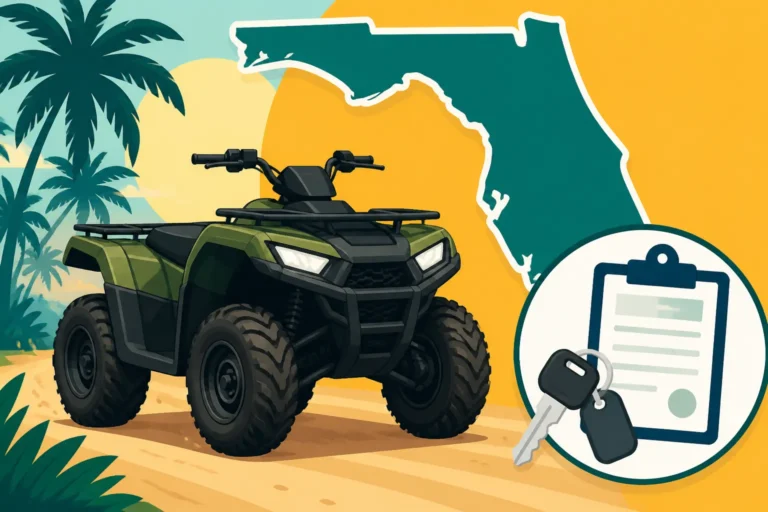
Despite the push towards electronic systems, the traditional paper title still holds a special place for many ATV owners. It's a tangible document, something you can hold in your hand, file away, and feel confident that you have direct proof of ownership right there. For some, the comfort of having that physical piece of paper outweighs the digital convenience.
A paper title is a standard, official document, typically on special tamper-resistant paper, that clearly displays your name as the owner, the ATV's vehicle identification number (VIN), and any recorded liens. It’s what most people historically associate with proving ownership of a vehicle.
Advantages of a Paper Title
The most obvious advantage of a paper title is its tangibility. Many people simply prefer having a physical document as proof of ownership. It can provide a sense of security and control, knowing that you have the official record in your possession. When you're dealing with a private sale, a paper title is often preferred by both buyers and sellers. It allows for an immediate transfer of ownership by signing the title over, right there on the spot. This eliminates any waiting period for the state to process an electronic transfer, which can be a significant benefit for a smooth, face-to-face transaction.
For those who frequently buy and sell used ATVs, or for collectors, having a physical title can be part of the appeal. It feels more complete, like a proper closing to the sale. Furthermore, if you ever need to quickly show proof of ownership in a situation where digital access might be limited (like a remote trail where cell service is spotty, though titles aren't typically carried with you), having a paper document could hypothetically be easier. Just remember to keep it in a safe place at home!
Challenges and Considerations with Paper Titles
While a paper title offers that reassuring physical presence, it also comes with its own set of challenges. The biggest one, of course, is the risk of loss or damage. If your paper title gets lost, stolen, or destroyed (say, in a house fire or a major Florida hurricane), you'll need to go through the process of applying for a duplicate. This involves filling out forms, paying a fee, and waiting for the new title to be processed and mailed to you. It's an inconvenience many would prefer to avoid.
Another consideration is security. A paper title, in the wrong hands, could potentially facilitate title fraud. While rare, it's a reason why the FLHSMV recommends keeping your title in a secure location, like a locked file cabinet or a safety deposit box, separate from your ATV itself. When you sell your ATV privately, you'll need to physically hand over the signed title to the new owner. This often requires meeting in person and completing the paperwork accurately to ensure the transfer is legal and official. Resources like LawDepot can assist with generating comprehensive bills of sale to complement your title transfer, ensuring all terms are clear.
Requesting a Paper Copy of an Electronic Title
Even if your ATV title is held electronically, you're not permanently stuck without a physical document. Florida allows you to request a paper copy of your electronic title at any time. This is a common practice for individuals who pay off a loan and then want the tangible title in their hands, or for those preparing for a private sale.
To request a paper title, you'll typically need to visit your local county tax collector's office or mail in a completed form (often HSMV 82101, Application for Duplicate or Lost in Transit/Reassignment Title). There will be a fee for this service, but it's often worth it for the peace of mind a physical title provides. The process is generally straightforward, but it does involve a waiting period for the title to be printed and mailed. You can get more details on [Requesting a Paper Copy of an Electronic Title] if you decide to go this route.
Making the Right Choice for Your Quad
Deciding between an electronic and a paper title for your Florida ATV really boils down to your personal preferences and your specific situation. There's no single "right" answer that fits everyone, as both options have distinct advantages and disadvantages. Let's break down the key factors to consider to help you make an informed decision.
Factors to Consider
- Financing: If you're financing your ATV, the choice is usually made for you. Lenders almost always opt for an electronic title to secure their interest until the loan is fully repaid. Once the lien is satisfied, you can then decide if you want to keep it electronic or request a paper copy.
- Risk of Loss: Are you prone to losing important documents? Do you live in an area prone to natural disasters that could damage paper records? If so, the electronic title offers unparalleled security against loss. You can never truly "lose" an e-title, as it resides securely in the state's database.
- Selling Your ATV: How do you anticipate selling your ATV in the future? If you plan to trade it in at a dealership, an electronic title can streamline the process. However, if you prefer to sell it privately to another individual, a physical paper title often makes the transaction smoother and more immediate, as you can sign it over on the spot.
- Personal Preference: Ultimately, some people simply prefer the tangible nature of a paper document. If holding a physical title provides you with greater peace of mind and a sense of absolute ownership, then requesting a paper copy is a perfectly valid choice once any liens are cleared.
- Expedited Services: While both titles have their processing times, sometimes a situation arises where you need a title very quickly. Florida offers a "Fast Title" service for an additional fee that can expedite the issuance of a paper title. This is definitely worth considering if you're in a pinch, and you can learn more about [Florida Fast Title for an ATV: The $7 Expedited Option].
When to Choose Each Option
Choose an Electronic Title if:
- You've financed your ATV (it's often mandatory).
- You want to eliminate the risk of losing your title.
- You appreciate the convenience of digital records.
- You plan to trade in your ATV at a dealership in the future.
- You want the lien release process to be as swift and seamless as possible.
Choose a Paper Title (or request one after a lien is released) if:
- You own your ATV outright and prefer a physical proof of ownership.
- You plan to sell your ATV privately and want to hand over the signed title directly to the buyer.
- You feel more secure having a tangible document in your possession.
- You understand the importance of secure storage for your title to prevent loss or damage.
When you're ready to ensure you have all your legal bases covered, especially for private sales, consider using reliable resources. For instance, LawDepot offers templates for documents like bills of sale that can complement your title transfer, adding another layer of security and professionalism to your transactions. This can be especially helpful for documenting all the terms and conditions of a sale, ensuring clarity for both parties.
No matter which option you choose, the key is to ensure your ATV is properly titled in Florida to avoid any legal hassles when you want to hit those beautiful trails. Having a solid understanding of [How to Title an ATV in Florida] will always serve you well, regardless of the format your title takes.
Comparison Table: Electronic vs. Paper ATV Titles in Florida
To help clarify the differences, here’s a quick comparison of electronic and paper titles for ATVs in Florida:
| Feature | Electronic Title (E-Title) | Paper Title |
|---|---|---|
| Physical Document | No physical document; information stored digitally. | A tangible paper document mailed to you. |
| Risk of Loss/Damage | Virtually none; securely stored in FLHSMV database. | High; can be lost, stolen, or damaged. |
| Lienholder Preference | Preferred and often mandatory for financed vehicles. | Less common for financed vehicles; lender holds physical copy. |
| Lien Release | Electronic notification, automatic update to ownership. | Requires physical signing and mailing from lienholder. |
| Duplicate Process | Not applicable; always accessible digitally. | Requires application, fee, and waiting period for replacement. |
| Private Sale | Can be more complex; may require requesting paper copy first. | Straightforward; sign over title directly to buyer. |
| Dealer Transaction | Can be very smooth and fast electronically. | Dealer handles paperwork, but physical title might be mailed to them. |
| Sense of Security | Digital convenience; no physical item to secure. | Tangible proof of ownership; often preferred for peace of mind. |
| Cost | Standard title fees; requesting paper copy costs extra. | Standard title fees; duplicate fee if lost. |
Ultimately, the choice comes down to personal preference and whether your ATV is currently financed. Both options legally prove ownership in Florida, so you can't go wrong as long as you understand the nuances of each. When buying a used ATV, whether the seller has an electronic or paper title will dictate some of the steps you'll take during the transaction, so it's always wise to clarify this upfront. Always ask about the title status when considering [Buying a Used ATV in Florida: Transferring the Title].
Disclaimer
This article is for general informational purposes only and does not constitute professional advice. Laws, prices and regulations vary by location and change over time. Consult a qualified professional for guidance on your specific situation.