Florida Annual OHV Passes Are Per Vehicle
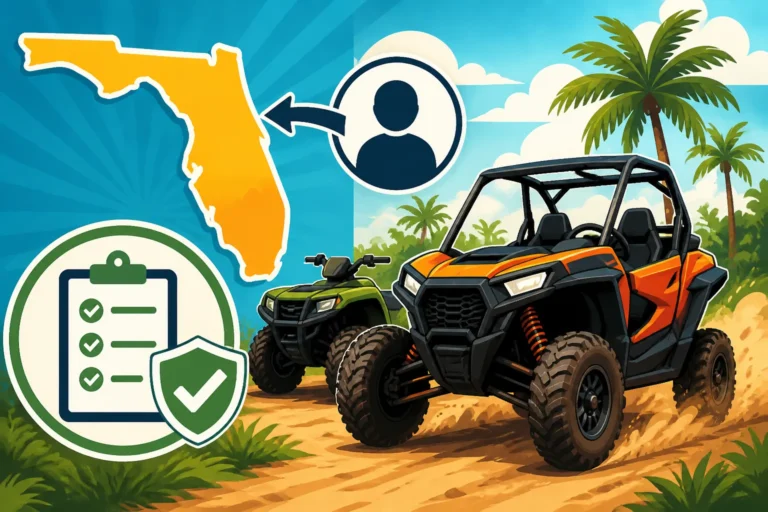
A Florida annual OHV pass can look like a simple season pass, but it usually belongs to a specific machine, not to the rider, family, or trailer. That distinction matters when you own multiple quads, switch vehicles, or take a friend’s side-by-side. Here’s how to think about vehicle-specific passes, what to check before buying, and how to avoid arriving at a trailhead with the wrong pass.
What “Per Vehicle” Means for a Florida OHV Pass
When an OHV pass is issued per vehicle, it authorizes use by the identified or designated off-highway vehicle under that pass. It is not a general pass that lets one rider take whichever quad or side-by-side happens to be available.
That matters because the vehicle is what the land manager needs to identify at the riding area. A pass may be tied to a machine through a decal, permit record, vehicle information, or another method set by the pass program. The exact process can differ between national forest and state forest riding areas, so check the instructions for the land you plan to visit.
In practice, think of it this way:
- One rider with two machines should expect to need a separate pass for each machine that will be ridden.
- A family with several ATVs should plan on a pass for each ATV they intend to use.
- A UTV does not automatically share a pass with an ATV, even if both belong to the same household.
- A pass on a trailer does not cover the machines being hauled on it.
- A rider may be able to use a machine that already has a valid pass, but should not assume the pass can be moved to another machine.
“Per vehicle” generally concerns the machine being operated on the OHV area, not the tow vehicle used to get there. Your pickup or SUV is not the ATV or UTV for which the OHV pass is intended. Trailer parking, general day-use fees, camping, and other recreation charges may follow separate rules.
| Your riding plan | How to think about the pass |
|---|---|
| One machine, one rider | Check that the pass is valid for that machine and riding area |
| One rider, two machines | Expect to arrange coverage for each machine you may ride |
| Several family machines | Plan separately for every ATV or UTV that will be used |
| Borrowed machine | Verify that its pass is valid and assigned or displayed as required |
| Machine replacement | Ask whether the pass can be transferred or must be replaced |
| Multiple riding areas | Confirm that the pass covers each specific property or forest |
This is the practical meaning behind Florida OHV Annual Passes Are Per Vehicle: don’t count passes by the number of people in your group. Count the machines you expect to operate, then confirm the pass rules for the destination.
Riders and vehicles are not interchangeable categories
A pass issued for a machine is different from a rider requirement, such as a safety-course certificate or supervision rule. One pass may cover the vehicle according to the program’s terms, while every rider still has to meet the applicable age, training, and supervision requirements.
Passengers can also be treated differently from vehicles. A passenger generally is not a separate machine requiring a separate vehicle pass, but the vehicle still needs its own valid pass. Check passenger rules for the specific riding area and machine class; a pass does not make a single-rider ATV suitable or lawful for carrying a passenger. For a closer look at how these charges and requirements differ, see Florida OHV Pass and Passenger Fees.
Florida Has More Than One OHV Pass System
A common source of confusion is assuming that “Florida OHV pass” means one statewide pass that works everywhere. It does not. Pass requirements and coverage depend on the land manager and the riding area.
Florida’s national forests and state forests have separate programs. A pass for a national forest OHV area should not be assumed to cover a state forest area, and a state forest pass should not be assumed to work in a national forest. Even where two areas are both public land and both welcome OHV riders, their passes may be administered differently.
National forest riding areas
National forest OHV riding has its own pass program. Riders looking at areas such as the Ocala or Apalachicola National Forests should verify the current pass options, how the pass is assigned to a machine, and which approved routes or designated areas it covers. A national forest pass may cover more than one participating forest, but confirm that the particular destination is included before setting out.
The pass program may offer options for shorter visits as well as an annual option. If you only ride once or twice, compare the available choices rather than assuming the annual pass is automatically the best value. Florida National Forest OHV Pass: 3-Day, 7-Day or Annual explains the choice in more detail.
State forest riding areas
State forest OHV areas have a separate system. The available passes, how they are purchased, and how a pass is displayed or recorded can differ from the national forest program. Some state forest passes are associated with a particular vehicle, and an annual pass may have a fixed expiration date rather than lasting a full year from the day you buy it.
That calendar-based detail can catch riders off guard. If you buy late in a pass period, don’t assume you’ll receive a full year of use. Check the current dates and terms for the state forest program before purchasing. The article Florida State Forest OHV Day Use and Annual Passes covers that system separately, while Florida Annual OHV Pass Expiration focuses on how expiration timing can affect your plans.
A pass is not automatically a statewide riding permit
Even if an annual pass covers multiple participating locations within one program, it does not grant access to every trail, forest road, private mud park, conservation tract, or public property in Florida. The pass covers only the sites and uses described by the issuing program.
Before a trip, confirm three separate things:
- The land is open to your type of machine. A trail may be restricted by vehicle class, width, or other site rules.
- Your pass program covers that location. Similar names or shared public ownership do not mean the same pass applies.
- The route is open on your visit date. Closures, seasonal restrictions, maintenance, weather, or other conditions can change access.
A pass is permission within a particular program’s boundaries, not a substitute for checking those boundaries.
When You Need a Separate Pass for Another Machine
If you own more than one ATV or UTV, the most useful question is not “How many passes does my household have?” It is “Which machines could we actually ride on this trip, and does each one meet the pass requirement?”
A person may be able to ride different machines at different times, but that does not mean a vehicle-specific pass can be swapped freely. The pass instructions might require a decal to stay on the machine, associate the permit with vehicle information, or set other conditions that make transfer impractical or prohibited. Get a clear answer from the issuing office or official pass system before moving a pass.
You bring two machines for yourself
Suppose you haul a quad and a side-by-side, intending to ride whichever suits the trail or weather. If each is a separate machine, plan for each to meet the pass requirement. Buying one annual pass and deciding on arrival which machine gets it could leave the other without valid coverage.
This is why the decision in Florida OHV Pass for a Second Machine should be made before you pay. Compare the cost and terms of covering both machines with the alternative of choosing one machine for that visit. For current costs or available pass options, check the official provider; fees and terms can change.
Your group shares one vehicle
If several people take turns driving one machine, that is different from bringing several machines. The pass is still associated with the vehicle, while each person’s eligibility to operate or ride depends on the area’s separate rules.
Before leaving, make sure everyone in the group knows the site’s requirements. A pass does not replace a safety certificate, age requirement, helmet rule, or passenger restriction. Families riding with minors should review Florida ATV Safety Course Requirements for Riders Under 16 and the destination’s supervision rules as well.
You borrow or lend a machine
A friend’s machine may already have a pass, but don’t rely on a verbal “it’s covered.” Ask to see the pass information and confirm it is valid for the area and date of your trip. Check whether it is assigned to that specific machine and whether another rider may operate it under the program terms.
If you lend your own machine, explain where its pass information is and whether it has to remain attached or displayed. A paper confirmation in the owner’s phone may not be enough if the site requires a decal or another vehicle-specific proof.
You replace, sell, or trade the machine
A pass associated with one machine should not be assumed to follow the owner to a replacement machine. If you sell or trade a quad, ask the pass provider whether the existing pass can be transferred, canceled, or replaced. Some programs may handle changes differently, and there may be no transfer option.
Do this before removing a decal, discarding paperwork, or handing the machine to a buyer. If a pass is lost or damaged, use the official replacement process rather than improvising a copy. See Florida OHV Pass Transfer to a New Quad and Florida OHV Pass Replacement If Lost for the specific questions to check.
How to Buy and Keep Track of Vehicle-Specific Passes
The simplest way to avoid a pass mix-up is to treat every machine as its own file. Before purchasing, record the machine’s identifying details and confirm that you are using the right pass program for the place you intend to ride.
Before purchasing
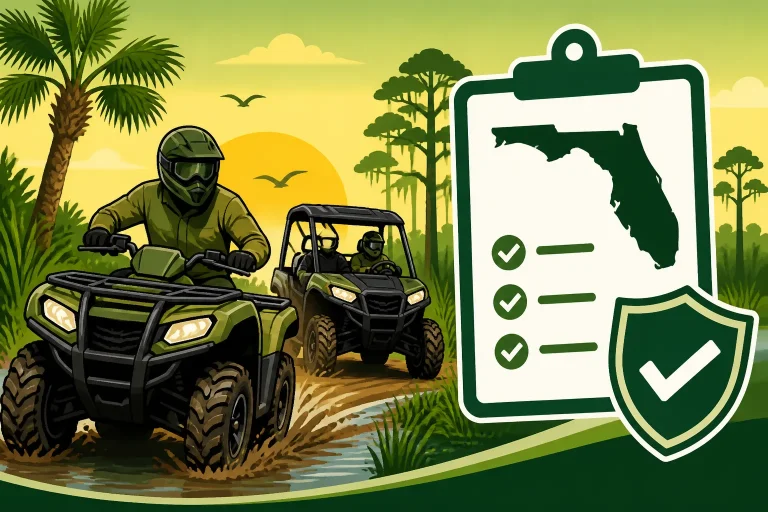
Use this short checklist:
- Choose the riding area first. Identify the forest or property, not just the general region.
- Check the land manager’s pass program. Confirm whether it is a national forest or state forest pass, or another type of permit.
- Count the machines you will ride. Include every ATV or UTV that may be used during the visit.
- Confirm how the pass is tied to the machine. Check whether it uses vehicle information, a decal, a digital record, or another method.
- Check the validity dates. An annual pass may follow a set program year rather than lasting twelve months from purchase.
- Review eligible machine types and access limits. A pass does not guarantee that every machine can use every trail.
- Save the purchase record and instructions. Keep the confirmation available even if the program also requires a physical pass.
When you’re comparing a day pass with an annual option, consider how often you expect to ride at locations covered by that specific program. The annual pass may be worthwhile for frequent visits, but it is not necessarily useful if most of your rides are at private parks or sites covered by another pass system. See Florida OHV Annual Pass vs Day Pass Value before deciding.
Keep proof with the right machine
If the program provides a decal, attach it exactly as directed. If it provides digital or printed proof, follow the instructions about whether the proof must be displayed, carried, or shown on request. Don’t assume that a phone screenshot will substitute for a physical pass when the program requires one.
For paper confirmations, keep a backup copy somewhere you can reach if your phone battery dies or there is no service. A small waterproof document pouch can help protect printed instructions and receipts in wet or muddy conditions. Some riders use a labeled pouch or organizer purchased through Amazon, but the important point is that the pass information stays dry and is clearly associated with the correct vehicle.
If you keep paperwork for multiple machines together, label each record with the machine it belongs to. A simple note with the make, model, and identifying information can prevent you from presenting one quad’s record when you’re riding another. If you order an organizer from Amazon, choose one that fits your storage setup and won’t interfere with safe operation; don’t attach loose items where they can snag or obstruct controls.
Make a simple machine-by-machine record
For a household with more than one OHV, a basic list can prevent confusion:
| Machine | Pass program | Pass status | Expiration or validity | Proof location |
|---|---|---|---|---|
| ATV 1 | National forest or state forest | Purchased or needs checking | Confirm with provider | On machine or in trip folder |
| ATV 2 | National forest or state forest | Purchased or needs checking | Confirm with provider | On machine or in trip folder |
| UTV | National forest or state forest | Purchased or needs checking | Confirm with provider | On machine or in trip folder |
Store the list with your trip documents, not as a substitute for the official pass. It is a reminder of what to verify, especially when you rotate machines between family members or use several vehicles over the season. If you keep a printed copy in a waterproof folder from Amazon, make sure the details are updated when a pass expires or a machine is replaced.
Before You Ride: Confirm the Pass, the Site, and the Riders
A valid vehicle-specific pass is only one part of preparing for public-land riding. It does not prove that the route is open, that the machine meets every restriction, or that every rider has met the applicable requirements.
Verify current pass details directly
Before driving to a trailhead, check the official pass provider’s current instructions. Confirm:
- The pass is valid on the date of your visit.
- The specific riding area accepts that pass.
- The pass is attached to or associated with the machine you plan to ride.
- The machine class is allowed on the trail or area.
- You understand whether the pass covers only OHV use or also covers any separate day-use, camping, or parking requirements.
If a pass is bought online, save the confirmation and any instructions about displaying or collecting the pass. If you expect to buy one at a kiosk, check that the location offers that option and bring a backup plan. Some trailheads may have limited services or unreliable phone coverage; Florida Self-Pay Kiosks at Trailheads is useful background if you expect to purchase on site.
Check closures and vehicle restrictions
An annual pass does not override a trail closure. Check official notices before leaving, especially after heavy rain, a storm, or planned maintenance. Confirm that the trail permits your machine’s type and dimensions; width or other restrictions may apply even when your pass is valid.
This matters particularly for UTV owners. A machine that fits one riding area’s rules may not fit another’s. Don’t rely on a previous visit or a friend’s recollection if the current site information is available.
Keep rider requirements separate from pass coverage
A vehicle pass does not enroll a rider in a required safety course or waive age and supervision requirements. If a child or teen will ride, review the rules for the specific type of public land and keep any required certificate or proof available. A separate resource, Florida Safety Course Certificate Lookup, can help with the certificate question.
It is also worth reviewing the destination’s helmet, passenger, and equipment requirements. Those rules may apply to the rider or vehicle independently of the annual pass. If your group includes passengers, check that the machine is designed and approved for the number of people you plan to carry.
What to do if something doesn’t match
If the pass is in the wrong name, associated with another machine, damaged, or unclear, resolve it before entering the riding area. Contact the pass provider and explain exactly what happened: which program issued the pass, which machine it covers, and what you intend to ride. Keep any response or updated confirmation with your trip records.
Do not alter a decal, copy a pass, or rely on a pass that belongs to a different vehicle unless the issuing program has confirmed that it is allowed. If you arrive without the right coverage, ask staff or use the official process to correct the problem. Riding first and sorting it out later can lead to a citation or being directed out of the area. For related risks, read Florida Public Land Riding Without a Pass Penalty.
The most reliable approach is simple: identify the property, count the machines, match each machine to the right pass, and confirm the current instructions before you travel. That takes a few minutes at home and can save a long drive back from the trailhead.
Disclaimer
This article is for general informational purposes only and does not constitute professional advice. Laws, prices and regulations vary by location and change over time. Consult a qualified professional for guidance on your specific situation.