Florida ATV Title With a Lien Recorded
Dealing with an ATV or UTV title in Florida can feel like navigating a dense patch of palmettos – especially when there's a lien involved. It adds a whole new layer of paperwork and a good dose of anxiety, whether you're buying, selling, or just trying to get a clear title for your beloved machine. This guide is here to untangle the complexities of Florida ATV titles with recorded liens, helping you understand what they are, how to deal with them, and how to protect yourself.
What Exactly is a Lien on Your Florida ATV Title?
So, you're looking at a title document, or maybe you've just heard the term "lien" thrown around regarding your quad. It sounds official, maybe a little intimidating, but at its core, a lien is just a fancy legal term for a security interest. Think of it as a lender's way of saying, "Hey, we helped pay for this ATV, so we have a claim on it until the money is paid back." It's a fundamental part of how financed purchases work and, while it needs proper handling, it's nothing to be overly scared of.
Understanding the "Cloud" Over Your Ownership
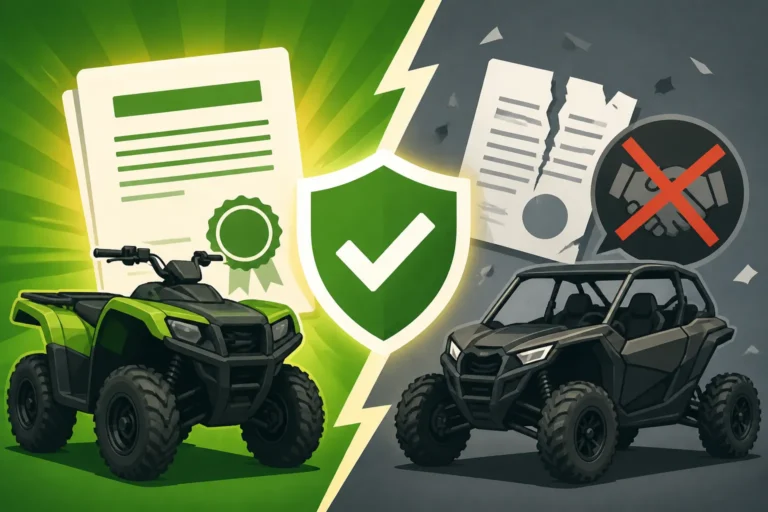
When a lien is recorded on your Florida ATV title, it essentially places a "cloud" over your absolute ownership. You're the registered owner, yes, and you can ride the machine, but you don't have full clear title until that lien is satisfied. This means that if you were to try and sell the ATV, or if something happened to it and you needed an insurance payout, the lienholder (the bank or lender) would have a legal right to a portion of the proceeds, usually up to the amount you still owe them.
For buyers, this "cloud" is a critical point. You never want to buy an ATV with an outstanding lien unless you are absolutely certain the seller is going to pay it off and you have a clear plan for how that will happen. Without a clear title, you could end up with a machine you thought you owned, only to find a lender knocking on your door claiming ownership if the original owner defaults. It's a protection mechanism for the lender, but it can create headaches for buyers and sellers alike if not handled correctly.
Common Scenarios Where a Lien Exists
Lien situations are far more common than you might think, especially in a state like Florida where so many folks enjoy powersports. The most typical scenario is when you purchase a brand-new ATV or UTV from a dealership and finance it. The bank or credit union that provides the loan will immediately record a lien on the title, ensuring their investment is protected. This is standard operating procedure for almost any financed vehicle, be it a car, boat, or an ATV.
Another way a lien might show up is if you used your existing ATV as collateral for a personal loan. Perhaps you needed some quick cash and your lender required collateral; your off-highway vehicle (OHV) could fit the bill. In this case, even though you owned the ATV outright before, a new lien would be recorded against it. Less commonly, you might inherit an ATV that still has outstanding debt. In such situations, the lien transfers with the vehicle, and the inheritor becomes responsible for settling the debt or dealing with the lien before they can get a clear title. It's all part of the [Florida Off-Highway Vehicle Title Rules Explained].
Who Holds the Lien and What They Can Do
The lienholder is almost always a financial institution. This could be a large national bank, a local credit union, or even a smaller lending company that specializes in recreational vehicle loans. Sometimes, in private sales where the seller finances a portion of the purchase for the buyer, the individual seller might technically hold a lien, though this is much less common and far more complex to manage legally.
Their primary power is the right to repossess the ATV if you fail to make your agreed-upon payments. This isn't usually their first step; they'll often try to contact you, send notices, and work out a solution. However, if those efforts fail, they have the legal right to take possession of the machine to recover their losses. This is why their name is prominently displayed on the title – it's a public record of their interest. Until they formally release that lien, they maintain this legal claim. Understanding [Who Must Title an ATV in Florida] also means knowing that the lienholder's information will be a key part of the title application.
How to Identify a Lien on a Florida ATV Title
Before you buy an ATV, or even if you're just getting your paperwork in order, knowing how to spot a lien on a Florida title is absolutely crucial. A little detective work upfront can save you a massive headache down the road. You don't want to get stuck with someone else's debt or a machine you can't properly sell.
Checking the Physical or Electronic Title
If you're dealing with a physical paper title, look for a specific section usually labeled "Lienholder," "Security Interest," or something similar. This section will list the name of the bank, credit union, or other entity that holds the lien, along with their address and the date the lien was recorded. It's usually a clear, unambiguous entry. If this section is filled in, there's a lien. If it's blank, the title should be clear. Always scrutinize this area carefully.
For those of us in the digital age, Florida often uses electronic titles (e-titles). While you won't have a paper document to hold, the Department of Highway Safety and Motor Vehicles (DHSMV) still records all the same information. If a lien is placed on an e-title, the lienholder receives notification, and the state's database reflects their interest. When the loan is paid off, the lienholder electronically releases the lien, and the DHSMV updates the record. You can then request a paper title free of the lien. Never, ever accept an "open" title (one that has been signed by a seller but left blank for the buyer's information) as this can be a sign of title jumping and potential hidden issues, including liens.
Using Florida's Online Title Check Services
One of the smartest moves you can make before purchasing a used ATV in Florida is to perform an online title check. The Florida DHSMV offers services that allow you to look up title information using the vehicle's VIN (Vehicle Identification Number). This is a fantastic way to uncover any recorded liens that the seller might "forget" to mention, or even an electronic lien that hasn't yet been printed on a physical title.
To do this, you'll need the ATV's VIN, which is usually stamped on the frame. Once you have it, you can access the state's online portal and input the VIN. The system will then display the current title status, including any active lienholders. This is an indispensable tool for protecting yourself as a buyer. It's a simple step that provides powerful peace of mind, verifying what a seller tells you about the machine. For more on this, check out [Checking a Florida Quad's Title History].
Red Flags During a Private Sale
When you're buying a quad from a private seller, you need to be extra vigilant. Red flags aren't always glaring, but they can save you from a bad deal. If a seller seems hesitant to show you the title, or if they insist it's "lost" and can't produce it quickly, that's a major warning sign. While titles do get lost – and there's a process for [Florida ATV Title Lost or Damaged: Getting a Duplicate] – undue hesitation should make you pause.
Another red flag is any pressure to buy quickly without going through all the proper paperwork steps. A legitimate seller with a clear title won't rush you through the process, especially when it comes to verifying ownership and lien status. If they mention they "still owe a little bit" on the machine but promise to pay it off after you hand over the cash, run, don't walk, away from that deal. The lien must be satisfied and officially released before the title is transferred to you. Any deviation from this puts you at significant risk. Always make sure the transaction is structured so that the lien is addressed directly.
The Process of Releasing a Lien on Your ATV Title
So, you've got an ATV with a lien, and you're ready to gain full, clear ownership. Congratulations! This usually means you've successfully paid off your loan, which is a big achievement. The next steps involve a bit of paperwork and interaction with your lender and the state, but it's a straightforward process once you know the path.
Paying Off the Loan and Notifying the Lienholder
The first and most critical step, of course, is to fully satisfy your loan with the lienholder. This means making sure every penny of the principal, interest, and any outstanding fees are paid. Once your final payment clears, it's a good practice to proactively contact your lender. Don't just assume they'll automatically process everything. Call their customer service line or visit a local branch and inform them that you've paid off your ATV loan and would like to request a lien satisfaction.
At this point, you'll typically request a formal "Lien Satisfaction" document or ask for an electronic lien release. Keep detailed records of all your payments, including dates, amounts, and confirmation numbers. If you paid off the loan online, print out the final payment confirmation. Having a paper trail can be incredibly helpful if there are any discrepancies or delays in the lien release process.
Receiving the Lien Satisfaction Document
After you've paid off your loan and requested the lien release, the lienholder has a legal obligation to provide you with proof that the lien has been satisfied. If your title is electronic (e-title), they will typically submit an electronic notification directly to the Florida DHSMV, signaling that their interest in the ATV is extinguished. This electronic process is often faster and means you won't physically receive a paper lien satisfaction. The state's records will simply update.
However, if you have a paper title, or if the lienholder is an older institution, they might mail you a physical "Lien Satisfaction" or "Release of Lien" document. This document is crucial. It must clearly identify the ATV by its VIN, state the name of the lienholder, and explicitly confirm that the lien has been released. The date of release is also important. Keep this document in a safe place, as it's your proof of clear ownership. The timeline for receiving this document can vary, but generally, lenders are required to provide it within a certain period after loan payoff, usually within 10-30 days.
Submitting the Release to the Florida DHSMV
Once you have either received the physical Lien Satisfaction document or confirmed that an electronic release has been processed, your next step is to update the state's records. If the release was electronic, the DHSMV systems will eventually update, and you can then request a paper title that shows no lien. This process often takes a few weeks to complete automatically.
If you received a physical lien satisfaction document, you'll need to take it to your local Florida County Tax Collector's office or a designated service center. Along with the lien satisfaction, you'll typically need your current ATV title and a completed form to request a new title without the lien recorded. There will be a fee for the new title. This is where getting help from places like the [Florida County Tax Collector vs Service Center for ATV Titles] can be useful. They will review your documents, process the request, and issue you a new, clean title. It's a critical step in [Recording a Lien Release on an OHV Title]. Don't forget, there are also general instructions for [Where to File an ATV Title in Florida].
What if the original lienholder is impossible to find or simply uncooperative? This can happen with older loans or defunct companies. In such cases, you might need to pursue more complex avenues, such as obtaining a bonded title or even seeking legal advice. It's a frustrating situation, but not impossible to resolve, though it requires patience and persistence.
Transferring a Florida ATV Title with an Existing Lien
This is where things can get tricky, especially if you're not careful. Whether you're the buyer or the seller, dealing with an ATV title that has a lien recorded requires meticulous attention to detail and a commitment to proper legal procedure. Skipping steps here can lead to significant financial and legal headaches.
Buying an ATV with a Lien: The Seller's Responsibility
If you're buying a used ATV in Florida and discover there's an active lien on the title, your absolute rule should be: the seller MUST pay off the lien and secure a lien release before you hand over all the money and before the title is transferred to your name. Never, under any circumstances, trust a seller's promise that they will pay it off "after they get your cash." Once you've paid, you lose your leverage, and you could be stuck with an ATV that legally still belongs to a bank or credit union.
The safest way to handle this is to involve the lienholder directly in the transaction. You could meet the seller at their bank or credit union. Your payment could be made directly to the lienholder to satisfy the outstanding balance, and only then should the remaining funds (if any) go to the seller. Simultaneously, the lienholder should issue a lien release. This ensures that the lien is cleared at the exact moment of purchase, protecting you as the buyer. This process is fully explained when learning about [Buying a Used ATV in Florida: Transferring the Title].
Selling an ATV with a Lien: Your Obligations as the Seller
As the seller of an ATV with an existing lien, transparency is your best friend. You are legally obligated to disclose the lien to any potential buyer. Attempting to sell a machine without revealing the lien, or without following the proper release procedures, could lead to accusations of fraud and significant legal penalties.
The most straightforward way to sell is to pay off your loan before you list the ATV for sale, obtain the lien release, and then sell the machine with a clear title. However, if you need the buyer's funds to pay off the loan, you must work closely with your lender and the buyer to facilitate a smooth transaction. This typically involves the buyer writing a check directly to your lienholder for the outstanding balance, with any remaining funds going to you. The lien must be released by your lender at the point of sale. Using a robust bill of sale, perhaps a template from a service like LawDepot, can help protect both parties by clearly outlining the terms of the sale and the lien payoff process. Remember, the [Florida ATV Bill of Sale: What It Needs to Say] is crucial.
Recording a New Lien for a Financed Purchase
Now, let's say you're the buyer, and you plan to finance your new-to-you (or even brand new) ATV. Just as with the original seller, your new lender will want their interest recorded on the title. When you apply for your new title at the County Tax Collector's office, the paperwork for recording your new lien will be processed simultaneously.
Your lender will provide the necessary documentation, which you'll submit along with your [Florida ATV Title Application Explained] and other required forms. The tax collector's office acts as the intermediary, ensuring that your new lender is correctly identified as the lienholder on the official title record. This process is designed to be efficient, allowing the lien to be recorded as part of the initial title issuance or transfer, ensuring that your lender's interest is protected from day one.
What Happens If a Lienholder Can't Be Found or Won't Cooperate?
It's a frustrating, often bewildering situation: you've paid off your ATV, but the lienholder is nowhere to be found, or they're just not cooperating with the lien release process. This can happen with older vehicles, defunct lenders, or simply due to administrative oversight. Don't despair, but do recognize that this is a more complex scenario that might require additional effort and patience.
Strategies for Locating an Unavailable Lienholder
If your lienholder has seemingly vanished, your first step is detective work. Start by looking through any old loan documents, statements, or correspondence you have. These might contain addresses, phone numbers, or even names of specific departments. Financial institutions often merge or are acquired, so if the name on your title no longer exists, try searching for mergers and acquisitions related to that bank or credit union. A quick online search or a call to a banking association might point you to the successor institution.
Sometimes, contacting the Florida Department of Financial Services or even the Office of Financial Regulation could yield information, as they regulate financial institutions in the state. Persistence is key here. It might take several calls and searches, but usually, a trail can be found, leading you to the entity that now holds the records for your old loan.
The Bonded Title Option in Florida
When all attempts to locate a lienholder or obtain a lien release fail, Florida offers a "bonded title" option, but it's not a quick fix. A bonded title is essentially a title backed by a surety bond. It's designed for situations where there's a legitimate ownership claim, but the standard paperwork (like a lien release or original title) is missing, lost, or unobtainable. This path is often considered for older machines or those with very murky ownership histories, including missing lien releases.
The process involves obtaining a surety bond for a certain value (often 1.5 to 2 times the value of the ATV), submitting an affidavit explaining why you can't get a regular title, and potentially waiting periods during which anyone with a claim on the vehicle can come forward. If no one comes forward, the state may issue a bonded title. This protects the state and any potential unknown claimants, allowing you to get a clear title. However, it's a more involved and often costly process, best understood by reviewing [What a Bonded Title Takes in Florida]. It's not a solution to be taken lightly.
Seeking Legal Counsel for Complex Lien Issues
If you've exhausted all other avenues – you can't find the lienholder, they're refusing to cooperate without good reason, or the situation involves a significant sum of money or a disputed claim – it's time to bring in professional legal help. A Florida attorney specializing in vehicle titles or property law can guide you through the specific legal steps required. They can assist with sending formal demand letters, filing petitions with the court, or navigating the complexities of bonded titles.
Trying to tackle complex legal issues like a disputed or uncooperative lien without legal expertise can be a costly mistake, both in terms of time and money. An attorney can help you understand your rights, assess the best course of action, and represent your interests to ensure you ultimately secure a clear title for your ATV.
Understanding the Fees Associated with Lien Processing
Dealing with paperwork for your ATV in Florida inevitably means encountering various fees. When it comes to liens, there are costs associated with both recording them and, eventually, releasing them. While these fees are usually not exorbitant, it's important to be aware of them so you can budget accordingly and understand where your money is going.
Fees for Recording a Lien
When a lien is first recorded on your Florida ATV title, whether it's for a new purchase you're financing or an existing machine you've used as collateral, there will be associated fees. These are typically part of the overall title application or transfer process. The Florida Department of Highway Safety and Motor Vehicles (DHSMV) charges a fee to process the title and to record the lien. This fee ensures that the lienholder's interest is officially registered in the state's database, making it a public record.
For instance, the initial title application fee itself is a standard charge, and there might be additional specific fees for recording the lien itself. These fees are usually collected by the County Tax Collector's office or a licensed tag agency when you submit your paperwork. Often, if you purchase through a dealer, these fees are rolled into the total cost and handled by the dealership on your behalf, so you might not see them as separate line items but rather as part of the overall "paperwork" or "doc fees." For a general overview of these charges, look at [Florida ATV Title Fee Breakdown: $29 Plus Service Charges].
Fees for Releasing and Removing a Lien
Once you've paid off your loan and the lienholder has released their interest, you'll want a new, clean title that no longer shows the lien. While the act of the lienholder releasing the lien usually doesn't incur a direct state fee from you, obtaining a new title to reflect that release does. You are essentially applying for a duplicate title that omits the lienholder information.
This process involves paying the standard title application fee again, or a duplicate title fee, along with any applicable service charges. For example, there's often a [The $4.25 Service Charge on an OHV Title] that applies to various title transactions. So, while the satisfaction of the debt is the biggest hurdle, be prepared for a small administrative fee to get your updated paper title in hand. Think of it as the final step to officially clear your ATV's ownership record.
Expedited Services and Associated Costs
For those times when you absolutely need a title processed quickly, Florida offers an expedited service, often referred to as a "Fast Title." This option is incredibly useful if you're in a hurry to sell your ATV, or perhaps you're buying one and need the clear title in your name without delay. It's a lifesaver for private sales where everyone wants to finalize the deal quickly and correctly.
Opting for a Fast Title means paying an additional, relatively small fee on top of the standard title fees. This expedites the processing time, often allowing you to receive your new title within a matter of days rather than weeks. While it adds a few extra dollars to your total, the convenience and peace of mind of having your paperwork in order swiftly can be well worth the cost, especially if you have a tight deadline. Learn more about this beneficial option by reading [Florida Fast Title for an ATV: The $7 Expedited Option].
Disclaimer
This article is for general informational purposes only and does not constitute professional advice. Laws, prices and regulations vary by location and change over time. Consult a qualified professional for guidance on your specific situation.