Florida ROV Definition: 80 Inches and 3,500 Pounds
It's incredibly frustrating when you're trying to figure out what kind of off-road vehicle you actually own or are looking to buy, especially when Florida's rules for ATVs, UTVs, and ROVs can feel like a tangled mess of measurements and jargon. Many folks just want to hit the trails or get their machine titled, only to find themselves scratching their heads over terms like "dry weight" or "overall width." This guide is here to untangle the confusion surrounding Florida's specific definition of a Recreational Off-Highway Vehicle (ROV), zeroing in on those critical 80-inch width and 3,500-pound dry weight limits, so you can confidently title and enjoy your side-by-side.
Understanding Florida's ROV Terminology
Before we dive into the nitty-gritty of measurements, let's get a clear picture of what Florida considers an ROV in the first place. This isn't just about semantics; it dictates everything from how you title your machine to where you can legally ride it. Getting this wrong can lead to headaches down the line, from rejected title applications to unexpected fines.
What is a Recreational Off-Highway Vehicle ROV?
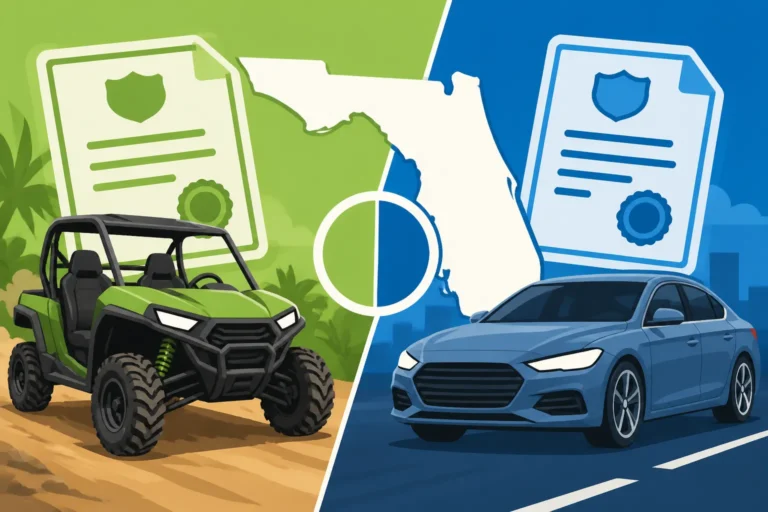
In the Sunshine State, a Recreational Off-Highway Vehicle, or ROV, is a specific type of off-road machine distinct from a traditional ATV or dirt bike. Think of it as the classification for most modern side-by-sides, which have become incredibly popular for their utility and ability to carry multiple passengers. An ROV, by Florida statute, is generally designed by the manufacturer for recreational use off of public roads. It's built with specific safety features in mind, like a roll bar, steering wheel, and non-straddle seating, distinguishing it from an ATV where you typically straddle the seat like a motorcycle.
The legislative intent behind this separate classification was to acknowledge the growing segment of larger, multi-passenger off-road vehicles that didn't quite fit the traditional ATV mold. These machines often have features that resemble small cars more than motorcycles, making them suitable for a different kind of recreational experience, whether it's working on a farm or hitting rugged trails. Knowing your machine is an ROV, not just a generic "quad," is the first step in navigating Florida's regulations.
Why the Distinction Between ATVs and ROVs Matters
You might be thinking, "What's the big deal? It's all off-road, right?" But the distinction between an ATV and an ROV in Florida is absolutely critical, especially when it comes to titling and understanding your legal obligations. The state has different sets of rules for each, and trying to title an ROV as an ATV (or vice versa) simply won't work. The forms are different, the fee structures can vary, and even the application process at your local tax collector's office will look different depending on the classification.
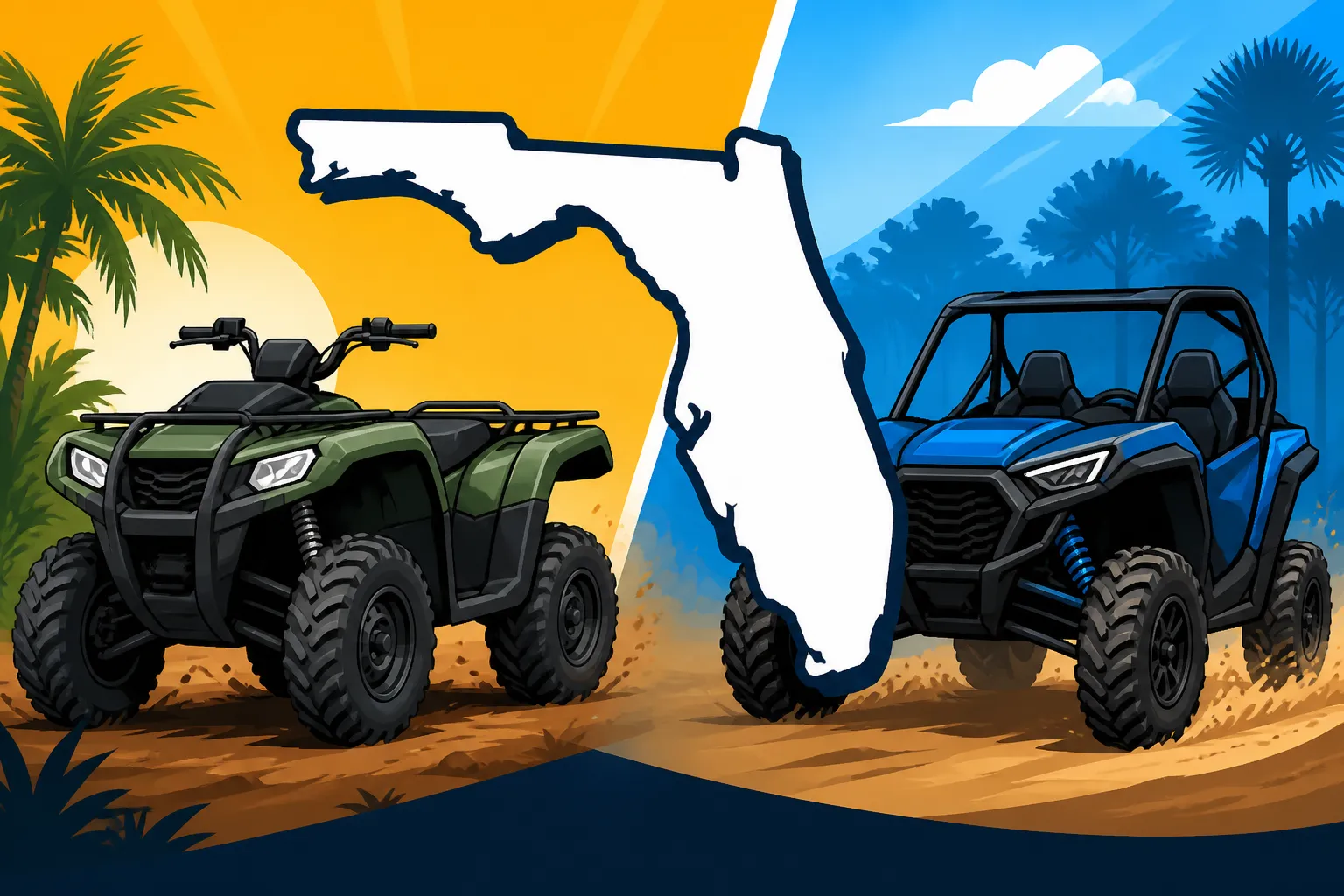
For instance, an ATV has a specific width limit of 55 inches to be titled as such, while an ROV has a much wider allowance, up to 80 inches. These definitions directly impact which forms you fill out and what information the state requires. Misclassifying your vehicle can lead to delays, frustration, and extra trips to the county office. Understanding these differences from the outset ensures a smoother process when you're ready to get your machine legal. If you're looking for specifics on smaller machines, you might want to check out [Florida's 55-Inch ATV Definition and Why It Matters].
The 80-Inch Width Limit Explained
One of the most defining characteristics of an ROV in Florida, setting it apart from smaller ATVs, is its width. This isn't just a number plucked from thin air; it's a specific measurement that has significant consequences for how your machine is classified and, ultimately, where you can ride it. Getting this measurement correct is crucial, especially if you've made any modifications to your side-by-side.
How Florida Measures an ROV's Width
Florida's statute defines the overall width of an ROV as the distance from the outermost projections, excluding mirrors, and this is where many owners can get tripped up. It's not just about the tires; it's about the widest point of the vehicle, period. This means if you've added aftermarket fender flares, wider A-arms, wheel spacers, or even oversized tires that push your wheels further out, those additions contribute to the overall width measurement. You can't just measure from tire wall to tire wall and call it a day.
Imagine pulling your shiny new side-by-side into your local tax collector's office in Marion County, eager to get it titled, only for them to pull out a tape measure and find your custom-built rig now stands 82 inches wide thanks to those aggressive mud tires you just put on. Suddenly, your ROV isn't an ROV under Florida law anymore, at least not for titling purposes, because it exceeds the 80-inch maximum. This can be a genuine source of confusion and disappointment for owners who didn't realize their modifications would alter their vehicle's legal classification. When you're dealing with official paperwork, it's always best to be precise. For a detailed look at how to accurately measure your machine, consider reading [Measuring Machine Width the Way the Statute Does].
Implications of Exceeding 80 Inches
If your side-by-side measures more than 80 inches wide, it simply does not fit Florida's legal definition of an ROV. This isn't a small technicality; it's a fundamental classification issue. A vehicle wider than 80 inches might fall into a different category altogether, or it might not be titlable as an off-highway vehicle at all in Florida. This means you could be left with a machine that cannot legally operate on designated public trails that require an ROV title.
The primary implication is the inability to obtain a proper Florida ROV title, which is required for operating on any state-managed public lands. If your machine exceeds the width, you won't be able to process the necessary paperwork at the Department of Highway Safety and Motor Vehicles (DHSMV) or your local tax collector's office. This can be particularly frustrating if you've invested significant money in a wider machine, perhaps thinking "bigger is better," only to find it doesn't fit the state's legal framework for titling. It underscores the importance of knowing these limits before you buy or modify your machine. Remember, [Florida's ROV Width Rule Explained] in detail can help clear up any lingering questions about this crucial measurement.
The 3,500-Pound Dry Weight Ceiling
Just like width, the weight of your side-by-side plays a crucial role in its classification as an ROV in Florida. The state specifies a "dry weight" limit, and understanding what that means for your particular machine is essential to ensure it qualifies for an ROV title. This can be a bit more nuanced than measuring width, as it refers to a very specific condition of the vehicle.
Defining "Dry Weight" for Florida ROVs
When Florida statutes refer to an ROV's "dry weight" not exceeding 3,500 pounds, they mean the weight of the vehicle without any fluids (like fuel, engine oil, or coolant), accessories (like winches, plows, or extra lights), or passengers. Essentially, it's the weight of the machine as it rolls off the manufacturer's assembly line, before any liquids are added or aftermarket parts installed. This is usually the weight listed in the manufacturer's specifications or on the Manufacturer's Certificate of Origin (MSO).
The reason for using "dry weight" is to have a consistent, standard measurement that isn't influenced by how much gas you have in the tank or the gear you've strapped down. It's a baseline. Owners sometimes get confused, thinking they should weigh their machine fully loaded, but that's not what the state looks at for this particular classification. It's about the inherent weight of the vehicle's core components. Always refer back to your owner's manual or MSO for this crucial figure. For larger UTVs, the distinction can be very important; for instance, [Florida UTV Title for a Machine Over 1,500 Pounds] discusses machines on the heavier side.
What Happens If Your Machine Weighs More
If your side-by-side, even with its dry weight, exceeds the 3,500-pound limit, it no longer fits Florida's definition of an ROV. Just like with the width, this has significant consequences for titling and usage. A machine over this weight threshold would likely be classified differently, potentially as a Low-Speed Vehicle (LSV) if it meets other specific criteria, or simply as an off-road vehicle that cannot be titled as an ROV. This means the standard ROV titling process at the tax collector's office won't apply, and you might find yourself in a bureaucratic limbo.
For those machines that weigh more, especially larger utility side-by-sides, you might need to explore different avenues for titling or registration, depending on your intended use. For example, if you're trying to make a machine street-legal that's too heavy for an ROV classification, you'd need to convert it to an LSV, which comes with its own set of equipment requirements, registration, and insurance rules. It's a complex dance, and making sure you understand your vehicle's specifications before you go to title it is paramount. If you're unsure about the weight of your side-by-side, it might be worth considering [Weighing a Side-by-Side Before You File] to ensure accuracy.
Beyond Width and Weight: Other ROV Characteristics
While width and dry weight are major defining factors for an ROV in Florida, they aren't the only ones. The state's definition also encompasses several other design characteristics that help distinguish an ROV from other types of off-highway vehicles. These features contribute to the overall safety profile and intended use of the machine.
ROV Seating and Steering Requirements
A key differentiator for an ROV is its seating arrangement and steering mechanism. Unlike an ATV where the rider straddles a seat, an ROV features non-straddle seating, typically side-by-side bucket seats or a bench seat, designed to accommodate multiple passengers. This means you're sitting in the vehicle, rather than on it. This setup is much more akin to a car, providing a different level of comfort and security for both driver and passengers.
Furthermore, ROVs are characterized by a steering wheel, much like an automobile, rather than handlebars. This control mechanism, combined with foot pedals for acceleration and braking, offers a familiar driving experience for many. These design choices are not arbitrary; they are integral to the ROV classification and impact how the vehicle handles and is safely operated. These features are part of why an ROV feels more like a small car built for the trail than an oversized motorcycle. For details on how multiple riders affect things, you might find [Florida Two-Rider ATV Titling Rules] interesting, though ROVs have their own passenger rules.
Factory Equipment and Safety Features
ROVs, by definition, come equipped from the factory with certain safety features that are crucial for their operation and classification. These typically include a roll bar or cage, seatbelts for all designated seating positions, headlights, and taillights. The roll-over protective structure (ROPS) is a fundamental safety component, designed to offer protection in the event of a roll-over incident, which is why seatbelt usage is so critical. These are not optional add-ons; they are inherent parts of an ROV's design.
The presence of these factory-installed safety features not only helps define an ROV legally but also ensures a basic level of safety for riders. Unlike some modified ATVs, an ROV is expected to meet these standards from the manufacturer. If you're considering purchasing a side-by-side, especially a used one, always inspect these features to ensure they are present and in good working order. This also extends to the presence of a spark arrestor, which is vital for preventing wildfires in dry Florida terrain.
Titling Your Florida ROV Based on Its Definition
Now that we've firmly established what Florida defines as an ROV based on its width, weight, and other characteristics, let's talk about getting that crucial piece of paper: the title. This is where all those definitions and measurements really come into play. Ignoring the specifics can turn what should be a straightforward process into a bureaucratic nightmare.
The Titling Process for a Defined ROV
The process for titling your ROV in Florida is similar to titling other vehicles, but with specific forms and requirements for off-highway vehicles. First, you'll need proof of ownership. For a new ROV, this will be the Manufacturer's Certificate of Origin (MSO) which essentially acts as the birth certificate for your machine. For a used ROV, you'll need the previous owner's properly assigned Florida title. You'll also need a completed Vehicle Identification Number (VIN) verification, typically done by a Florida law enforcement officer or licensed dealer, to confirm the VIN matches your paperwork.
You'll head to your local county tax collector's office – whether that's the Putnam County ATV Title Paperwork office or the Marion County ATV Title Office Hours location – with all your documents. You'll fill out a Florida title application form, often HSMV 82040, and pay the required fees, which typically include an initial title application fee and potentially a service charge. It's crucial to ensure all information, especially your machine's width and dry weight, aligns with the ROV definition to avoid any rejections. Remember, [Florida's Off-Highway Vehicle Title Law Explained] can give you an excellent overview of the legal framework for titling.
Common Pitfalls and Misconceptions
One of the most common pitfalls when titling an ROV is providing incorrect or misleading information, often unintentionally. For example, if you've modified your side-by-side with wider tires or a lift kit that pushes its overall width beyond 80 inches, and you still attempt to title it as an ROV, your application will likely be rejected. Another misconception is thinking that if you only ride on private land, you don't need a title. While you might not face public land penalties, having a title is still critical for proving ownership, especially in cases of theft or when you eventually sell the machine.
Another issue can arise with incomplete paperwork, such as missing a proper bill of sale for a private transaction or an improperly signed MSO. If you're buying from a private seller, ensure they provide you with all the necessary documents, including a clear chain of ownership. If you're creating your own bill of sale, resources like LawDepot can provide templates that cover all the legal essentials, ensuring you have robust proof of purchase. Always double-check your forms and bring any supporting documentation like your Florida driver's license for identification. Preparing thoroughly can save you multiple trips to the tax collector.
Real-World Scenarios and Practical Advice
Understanding Florida's ROV definition is one thing, but applying it in real-world situations, especially when buying or modifying your machine, is another. Let's look at some practical scenarios and advice to help you avoid common pitfalls.
Buying a Used Side-by-Side: What to Check
When you're in the market for a used side-by-side, the excitement can sometimes overshadow the need for due diligence, especially concerning its legal classification. Before you hand over any cash, always verify the machine's actual dimensions and weight against the manufacturer's specifications and Florida's ROV definition. Don't just take the seller's word for it; bring a tape measure and visually inspect the machine for modifications that might push it beyond the 80-inch width or, less commonly, significantly increase its dry weight.
Beyond physical inspection, always check the existing title. Does it correctly identify the machine as an ROV? Is the VIN on the title clean and does it match the physical VIN on the machine? A proper bill of sale, detailing the purchase, price, and VIN, is also essential. If you're concerned about drafting this yourself, reputable online services like LawDepot offer customizable bill of sale templates that can protect both buyer and seller. Taking these steps can prevent you from inadvertently buying a machine that cannot be legally titled as an ROV in Florida. For more on this, check out [Buying a Used ATV in Florida: Transferring the Title].
Modifying Your ROV: How It Can Change Its Classification
One of the joys of owning an ROV is customizing it to your liking, whether for performance, aesthetics, or utility. However, these modifications can inadvertently change your machine's legal classification. Adding wider wheels, tires, or wheel spacers are common modifications that can easily push a side-by-side beyond the 80-inch maximum width. Similarly, bolting on heavy accessories like a large plow, a full cab enclosure, or substantial audio equipment could potentially push a machine close to or over the 3,500-pound dry weight limit, though this is less common for dry weight as accessories are often excluded from that specific measurement definition.
The key takeaway here is to be mindful of Florida's definitions when making significant modifications. If your ROV started as a compliant machine but your modifications make it non-compliant, you could face issues if stopped by law enforcement on public lands or when trying to sell it later. Always consider the potential impact on your vehicle's legal status before undertaking major changes. It’s important to understand these nuances to ensure your fun doesn't turn into a legal quagmire.
Comparative Look: ROV vs. Other Off-Highway Vehicles
To help further clarify the ROV definition, let's put it into perspective by comparing it with other common off-highway vehicle classifications in Florida. This table should make it easier to see why those 80 inches and 3,500 pounds are such critical thresholds.
| Feature | All-Terrain Vehicle (ATV) | Recreational Off-Highway Vehicle (ROV) | Low-Speed Vehicle (LSV) |
|---|---|---|---|
| Seating | Straddle-type seat | Non-straddle, side-by-side seats | Non-straddle, side-by-side seats |
| Steering | Handlebars | Steering wheel | Steering wheel |
| Width Limit | Up to 55 inches | Up to 80 inches | 80 inches or less |
| Dry Weight Limit | Up to 1,500 pounds | Up to 3,500 pounds | Not specified by dry weight, but by operating weight |
| Max Speed | No specific limit for off-road use | No specific limit for off-road use | 20-25 mph |
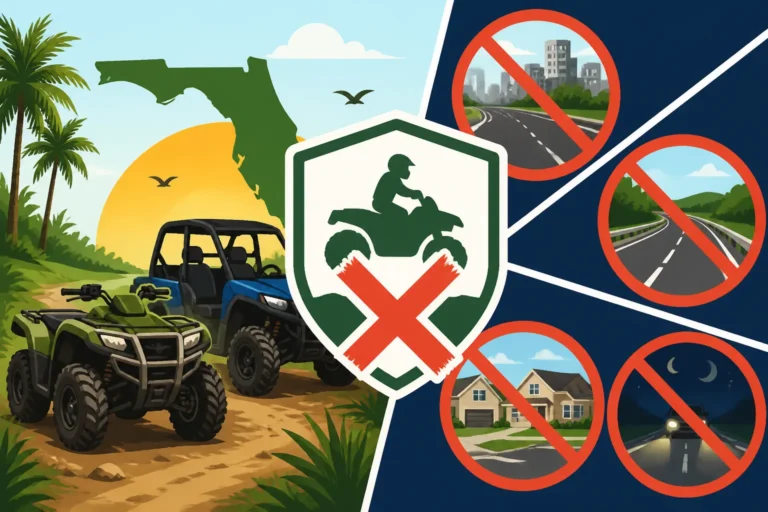
| Road Legal? | Generally NOT street legal (limited exceptions) | Generally NOT street legal (limited exceptions) | YES, on roads posted 35 mph or less |
| Titling Required? | Yes, for public land use | Yes, for public land use | Yes |
| Registration? | No annual registration/plate | No annual registration/plate | Yes, requires plate & annual registration |
This table clearly illustrates how an ROV sits squarely between traditional ATVs and street-legal LSVs, embodying characteristics of both while maintaining its unique off-highway purpose. The width and weight limits are key to this intermediate classification. Knowing these distinctions is vital for any Florida off-road enthusiast or potential buyer.
Disclaimer
This article is for general informational purposes only and does not constitute professional advice. Laws, prices and regulations vary by location and change over time. Consult a qualified professional for guidance on your specific situation.