Who Can Verify an ATV VIN in Florida?
Buying a used ATV or UTV in Florida can be an exciting prospect, full of visions of tearing through sandy trails or navigating the backwoods. But the thrill can quickly turn to dread if you realize the machine you're about to buy, or have just bought, has a sketchy history or questionable ownership. One of the most critical steps to protect yourself is properly verifying the Vehicle Identification Number (VIN), and understanding exactly who in Florida is authorized to perform this vital check can save you a world of trouble down the line. This guide will walk you through the authorized channels for ATV VIN verification in the Sunshine State, explaining why it's so important and what to do every step of the way.
The Crucial Role of VIN Verification for Your Florida ATV
Imagine spending your hard-earned cash on a quad, only to find out later it was stolen, or that the VIN on the machine doesn't match the one on the title. It's a nightmare scenario, and unfortunately, it happens more often than you might think in the private sale market. The Vehicle Identification Number isn't just a random string of characters; it's your ATV's unique fingerprint, telling a detailed story about its origins, features, and history. Getting it properly verified is your first line of defense against fraud and a key step in ensuring a smooth ownership transfer.
Avoiding Costly Legal Headaches
The legal ramifications of buying an ATV with a problematic VIN can be severe. If you inadvertently purchase a stolen machine, even if you had no knowledge of its illicit past, you could lose both the ATV and your money without any recourse. Law enforcement can confiscate stolen property, and you'd be left with nothing but a financial loss and a heap of frustration. Proper VIN verification helps confirm that the machine you're interested in is legitimate and legally belongs to the seller. It's a crucial step that protects you from being implicated in a crime or losing your investment to an ownership dispute. Taking this proactive measure upfront can save you countless hours of stress and potential legal battles later on.
Beyond outright theft, a mismatched or altered VIN could indicate other issues, such as a salvaged vehicle that hasn't been properly documented, or even a "title washing" scheme where a vehicle's history is intentionally obscured. These situations can lead to difficulties when you try to [Titling an ATV in Florida Without a License Plate] or register the vehicle, as the state's systems will flag inconsistencies. An official verification ensures that the physical VIN on the ATV matches all corresponding paperwork, providing a clear chain of custody and confirming the machine's true identity before you commit to the purchase. It provides a layer of security that simply looking at the number doesn't offer.
Preventing Title Transfer Problems
In Florida, getting your ATV titled is a mandatory step for riding on public lands, and the VIN is the cornerstone of this process. The Department of Highway Safety and Motor Vehicles (FLHSMV) relies heavily on the VIN to identify and track every vehicle, including off-highway vehicles (OHVs). If the VIN on your purchase paperwork—such as the bill of sale or manufacturer's certificate of origin (MSO)—doesn't precisely match the VIN stamped on the ATV itself, you're going to hit a brick wall at the tax collector's office. This discrepancy will prevent you from successfully titling the machine, leaving you with an ATV you can't legally ride where it matters most.
A failed VIN verification can also lead to delays and additional costs. You might have to jump through extra hoops, provide more documentation, or even pursue a bonded title if the VIN issues are severe enough. These situations are not only time-consuming but can add unexpected expenses to your purchase. By ensuring the VIN is correctly verified from the outset, you streamline the entire title transfer process, making it much easier to get your [Florida Off-Highway Vehicle Title Rules Explained] and enjoy your new ride without unnecessary bureaucratic delays. It's about ensuring all your ducks are in a row for a seamless transition of ownership.
Official Sources for ATV VIN Verification in Florida
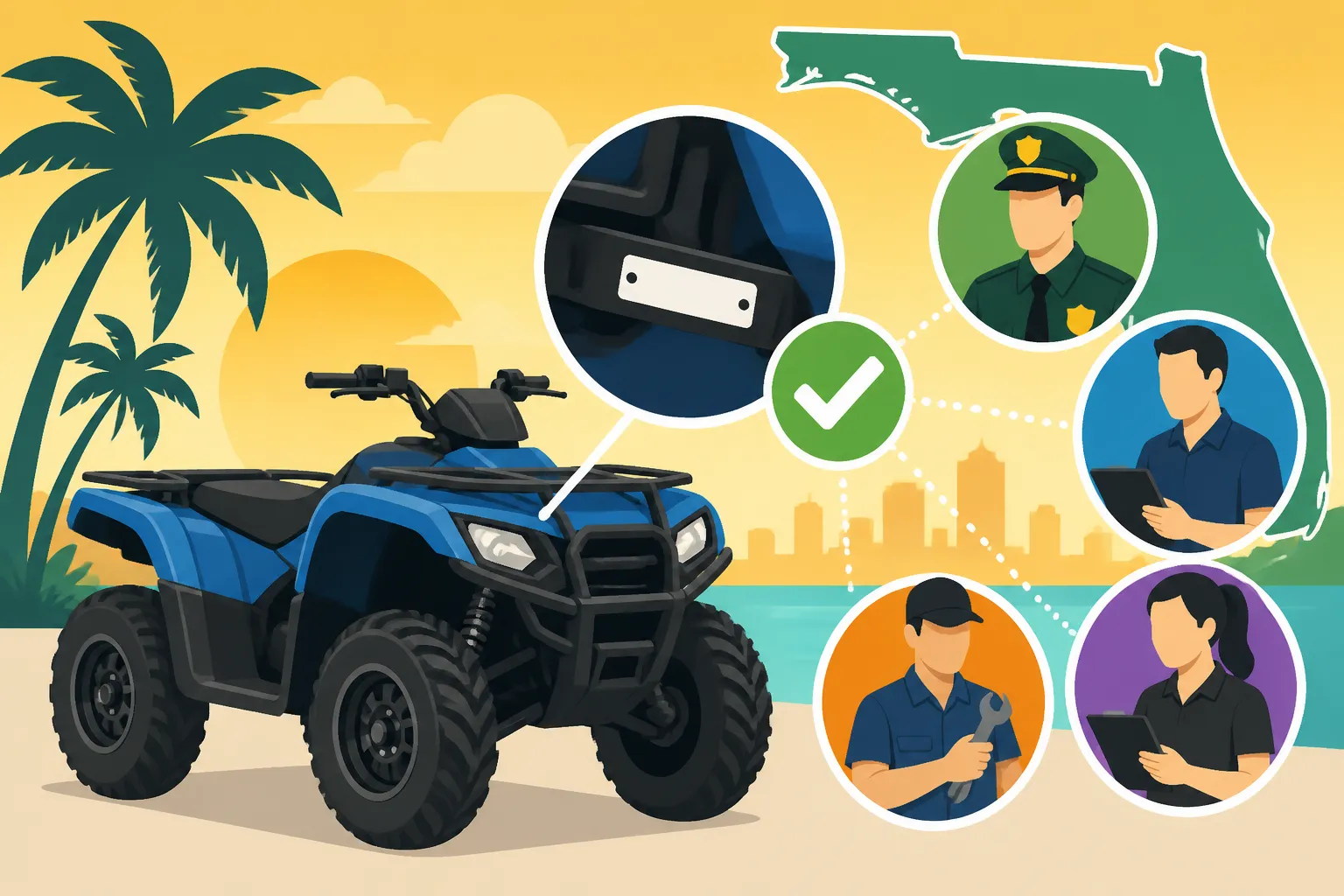
When it comes to getting a VIN officially verified for an ATV in Florida, you can't just ask anyone. The state has specific individuals and entities authorized to perform this crucial inspection. Understanding who these authorized parties are is key to ensuring your verification is legitimate and accepted by the Florida Department of Highway Safety and Motor Vehicles (FLHSMV) when you go to title your machine. Don't waste your time or risk complications by seeking verification from unofficial sources.
Florida Highway Safety and Motor Vehicles FLHSMV Compliance Examiners
The most authoritative source for VIN verification in Florida comes directly from the state itself. Florida Highway Safety and Motor Vehicles (FLHSMV) employs compliance examiners whose job it is to perform these inspections. These individuals are highly trained to identify legitimate VINs, spot signs of tampering, and accurately document their findings. They represent the gold standard for VIN verification. Typically, these examiners work out of FLHSMV offices or certain designated state facilities.
To arrange for a FLHSMV compliance examiner to verify your ATV's VIN, you'll usually need to contact your local FLHSMV office or one of their regional compliance offices. They often operate by appointment, so don't just show up unannounced. Be prepared to bring the ATV to their location, along with any existing paperwork you have, such as a bill of sale, previous title, or MSO. They will conduct a thorough visual inspection of the VIN plate or stamping on the frame, ensuring it is original, untampered, and matches any provided documentation. This verification provides the highest level of assurance for your [Florida's ATV Title Application Explained].
Local Law Enforcement Agencies
Another widely accepted and accessible option for VIN verification in Florida is your local law enforcement agency. This includes county sheriff's offices and city police departments. Officers from these agencies are authorized to perform VIN inspections, particularly when a vehicle is being titled for the first time in Florida or when there's a specific need for verification due to missing paperwork or suspicious circumstances. They're well-versed in vehicle identification and can spot discrepancies that an untrained eye might miss.
To get a VIN verification from law enforcement, you'll need to contact your local sheriff's or police department. Some departments have specific times or days when they perform these services, while others might require an appointment. In some cases, an officer might be able to come to your location, but it's often easier and quicker to take the ATV to the station. Remember to bring all available documentation for the ATV, including any bills of sale, old titles (if applicable), or Manufacturer's Certificates of Origin. The officer will typically complete a specific state form, often HSMV 84684, which you'll then submit with your title application. This is especially helpful if you're trying to figure out [Who Must Title an ATV in Florida] when you purchase it.
Licensed Florida Dealers
For new ATVs, the VIN verification process is usually seamless because a licensed Florida dealer handles much of the initial paperwork. When you purchase a brand-new ATV from an authorized dealer, they are responsible for ensuring the VIN on the machine matches the Manufacturer's Certificate of Origin (MSO) and the title application they submit on your behalf. This is part of the service you receive, and it significantly simplifies the process for the buyer. The dealer essentially acts as an authorized verifier in the initial sale, confirming the machine's identity before it ever reaches your hands.
Even for used ATVs, some licensed dealers, particularly those specializing in off-highway vehicles, may offer VIN verification services, especially if you're trading in a machine or purchasing a used one from them. They have the expertise and the regulatory understanding to perform these checks. However, it's always wise to confirm with the dealer beforehand if they provide this specific service for private party transactions or only for vehicles they sell. If you're buying a used ATV from a private seller, you might still need to rely on FLHSMV or law enforcement for the official verification, even if a dealer visually inspects it for a trade. For clarity on what dealers typically handle, you might check out [Florida Dealer Paperwork When You Buy a New ATV].
The VIN Verification Process: What to Expect
You've identified who can perform the VIN verification; now let's talk about what actually happens during the process. It's not as intimidating as it might sound, but being prepared can make all the difference. Understanding the steps involved will help you gather the right documents and know what the inspector will be looking for, ensuring a smooth and efficient verification.
What to Bring to Your Verification Appointment
Preparation is key when you're heading out for a VIN verification. You'll want to have all your ducks in a row to avoid any unnecessary delays or a wasted trip. The specific items you'll need can vary slightly depending on who is performing the verification (FLHSMV, law enforcement, or a dealer), but there's a common set of documents that are almost universally required.
First and foremost, you need the ATV itself. This might seem obvious, but the VIN is physically located on the machine, and the inspector must visually confirm it. Next, gather any and all ownership documents you possess. This includes the bill of sale – whether it's a simple handwritten one or a formal template you created using a service like LawDepot. A clear and detailed bill of sale is crucial as it links you to the ATV. If you’re buying a used machine, you'll also need the existing title, even if it's from another state if you're new to Florida. For brand-new ATVs, the Manufacturer's Certificate of Origin (MSO) is your primary proof of ownership before a title is issued. Having a government-issued photo ID is also essential to prove your identity as the person requesting the verification. Don't forget your form of payment if there's a fee involved – while many law enforcement agencies offer VIN verification as a free public service, some FLHSMV offices or dealers might charge a nominal fee. You might find more details about general title applications in [Florida's ATV Title Application Explained].
The Inspection: What They Look For
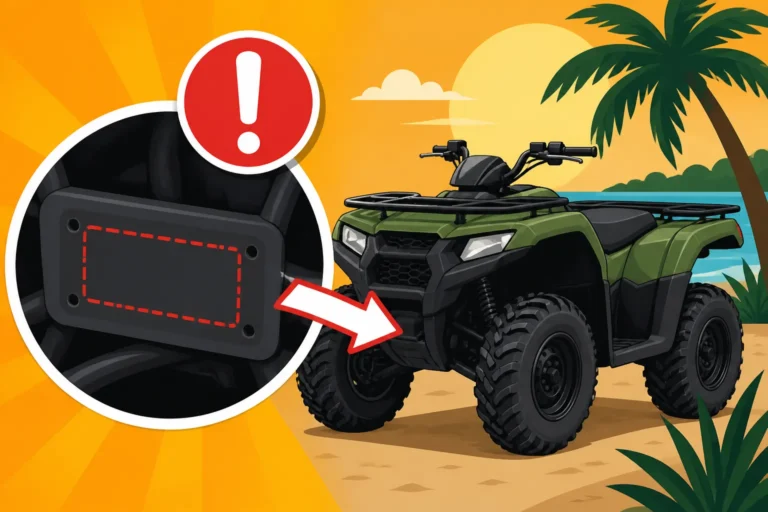
When the inspector gets to work, they're not just glancing at the numbers. They're performing a thorough examination designed to catch any inconsistencies or signs of foul play. Their primary goal is to ensure the VIN stamped on the ATV is original, unaltered, and matches the documentation you've provided. They will locate the VIN plate or stamping, which is usually found on the frame of the ATV, often near the steering column or on the lower left side.
The inspector will meticulously check the digits and characters of the VIN against your documents. They'll look for any signs of tampering, such as grinding marks, re-stamping, or evidence that the VIN plate itself has been removed or replaced. They're trained to spot subtle differences in font, spacing, or alignment that could indicate fraud. They might also check for secondary VINs or manufacturer's codes if applicable, comparing them to databases to confirm the vehicle's original factory specifications. This meticulous process helps ensure that the ATV is indeed what it purports to be and that its identity has not been compromised. A successful inspection means peace of mind, knowing your ATV's identity is legitimate.
Receiving Your Verification Documentation
Once the inspector has completed their review and everything checks out, they will provide you with official documentation confirming the VIN verification. This is usually a specific form, such as the Florida Department of Highway Safety and Motor Vehicles (FLHSMV) Form HSMV 84684, often titled "Vehicle Identification Number and Odometer Verification." This form will clearly state the VIN that was inspected, the date of inspection, and the signature and badge number (or official stamp) of the authorized individual who performed the verification.
This completed and signed form is a critical piece of paperwork. You will need to submit it along with your other title application documents to your local county tax collector's office. Without this official verification, your title application for an ATV may be rejected, even if all your other paperwork is in order. It's essentially the state's official stamp of approval that the physical ATV matches the identity on paper. Make sure you keep this document in a safe place, as it's proof that you've diligently followed the necessary steps to confirm your ATV's legitimacy. For other important documents to carry, see [Carrying Proof of Ownership on the Trail].
Common VIN Issues and How to Address Them
Even with the best intentions, you might run into some roadblocks during the VIN verification process. It’s not always a straightforward experience, especially with older or privately purchased machines. Knowing what common issues can arise and how to tackle them will help you navigate potential problems without panicking.
Mismatched or Altered VINs
Discovering that the VIN on the ATV doesn't match the paperwork, or worse, appears to be altered, is one of the most serious problems you can encounter. If the VIN on the frame is different from what's on the title, MSO, or bill of sale, the inspector will immediately flag it. This could be due to a simple clerical error on an old document, but it could also signal something far more nefarious, like a stolen vehicle or an attempt to obscure the ATV's true history.
If the VIN is mismatched, the first step is to try and trace the discrepancy. Sometimes, an honest mistake was made when the title was issued or transferred previously. If it appears altered, however, law enforcement will likely get involved immediately. They will investigate to determine if the ATV is stolen or if the VIN has been intentionally tampered with. In such a scenario, the ATV may be impounded, and you could lose your investment. This is why proper VIN verification before purchase is paramount. If you're facing this, understanding [What a Bonded Title Takes in Florida] might be an eventual path, but it's a complicated one.
Missing or Unreadable VIN Plates
Another frustrating issue is a missing, unreadable, or corroded VIN plate or stamping. This is particularly common with older ATVs that have seen a lot of trail time, mud, and weather exposure. The VIN might be obscured by rust, paint, damage from an accident, or simply worn away over years of riding. Without a clear, visible VIN, the authorized verifier cannot complete their inspection. They need to be able to physically read and confirm every character.
If the VIN is difficult to read, try to clean the area gently. Use a wire brush for rust or a mild solvent for stubborn grime, but be careful not to damage the numbers further. If it's truly unreadable or missing, you'll need to contact FLHSMV or your local law enforcement for guidance. They may have a procedure for assigning a new VIN, but this is a complex and lengthy process, often requiring extensive documentation and a detailed inspection to prove ownership and the vehicle's legitimate origin. This situation underscores the importance of a detailed [Florida ATV Bill of Sale: What It Needs to Say] to establish your claim of ownership.
Dealing with a "No Record Found" Scenario
Sometimes, the VIN itself might be perfectly clear, but when an authorized party attempts to run it through state or national databases, they come back with "no record found." This can be baffling and alarming. It often happens with older machines, those that have spent their entire lives on private land and were never titled, or imported vehicles that weren't properly documented upon entry. It doesn't automatically mean the ATV is stolen, but it does raise red flags for state titling agencies.
In a "no record found" situation, you'll need to provide as much supplementary proof of ownership as possible. This includes a robust bill of sale (which a template from LawDepot could help you generate with all necessary details), any old registration documents, photos of the ATV from previous owners, or even affidavits from prior owners confirming the machine's history. The FLHSMV or law enforcement might require additional inspections or documentation to establish a clear chain of ownership before they can process a new title. This could be a situation where you need to prove [Proof of Ownership When the MSO Is Missing]. It’s a tedious process, but it's essential to legally secure your ATV's identity.
Securing Your Purchase: Beyond VIN Verification
While VIN verification is an absolutely critical step, it's just one piece of the puzzle when buying an ATV in Florida. To truly protect your investment and ensure a smooth ownership experience, you need to consider a broader range of precautions. Thinking holistically about your purchase will safeguard you against various potential pitfalls and make your trail adventures much more enjoyable.
Essential Documentation Beyond VIN Verification
After getting that all-important VIN verified, your focus should shift to gathering and securing all other necessary documentation. The VIN verification confirms the machine's identity, but these other papers establish your legal right to own and operate it. At the top of this list is a comprehensive bill of sale. Even if you're buying from a friend or family member, a formal bill of sale is non-negotiable. It should include the full names and addresses of both buyer and seller, the date of sale, a detailed description of the ATV (make, model, year, color), the purchase price, and most importantly, the verified VIN. Using a reliable template from a service like LawDepot can ensure all these crucial details are included, along with clauses protecting both parties.
Next up is the title. In Florida, all ATVs operated on public lands must be titled. If you're buying a used ATV, the seller must provide you with the original title, properly signed over to you. Make sure the title is free of any liens and that the seller's signature matches the name on the title. If the seller claims the title is lost or damaged, they are responsible for obtaining a duplicate before the sale can be finalized; do not proceed with the purchase otherwise, as you'll face immense difficulty trying to title it yourself. A clear title transfer is fundamental for your legal ownership. For more on this, check out [Buying a Used ATV in Florida: Transferring the Title].
Importance of a Thorough Title Search
Even if a seller presents a clean-looking title, it's always a smart move to conduct a thorough title search yourself, especially for higher-value ATVs. While the VIN verification confirms the physical machine, a title search delves into its recorded history. You can often request a vehicle history report using the VIN through state motor vehicle departments or third-party services. This report can reveal critical information such as previous owners, reported accidents, salvage titles, flood damage, or outstanding liens.
A lien, for example, means someone else has a financial claim against the ATV. If you buy a machine with an active lien, the lienholder could legally repossess it, even if you paid the seller in full. Imagine the shock of having your prized quad taken away because a previous owner defaulted on a loan! A title search can prevent this headache by exposing any hidden financial encumbrances. While some state services might only focus on cars, knowing the importance of a clear title can help you ask the right questions about [Florida ATV Title With a Lien Recorded]. Always ensure any liens are officially released before you hand over your money.
When to Walk Away from a Deal
Knowing when to walk away from a deal is perhaps the most important form of self-protection when buying a used ATV. If a seller is hesitant to provide the VIN for verification, refuses to show the title, or can't produce a clear bill of sale, these are massive red flags. Any pressure tactics, a price that seems too good to be true, or a seller who is unwilling to meet at a public place or provide their full contact information should make you extremely wary. Trust your gut.
If the VIN verification process uncovers an altered VIN, a missing VIN, or a "no record found" scenario that the seller can't legitimately explain and rectify, it's time to politely but firmly end the transaction. The potential headaches, legal battles, and financial losses associated with a problematic ATV simply aren't worth the risk, no matter how great the machine seems or how low the price. There are plenty of other ATVs out there with clean histories and transparent sellers. Don't let the excitement of a potential purchase blind you to clear warning signs. Protecting your investment means being prepared to walk away from trouble. For other cautions, consider [Buying a Quad With No Title From a Neighbor].
Disclaimer
This article is for general informational purposes only and does not constitute professional advice. Laws, prices and regulations vary by location and change over time. Consult a qualified professional for guidance on your specific situation.