What Florida’s Two-Rider ATV Class Means for Passengers
It can be incredibly confusing to understand the ins and outs of Florida's ATV laws, especially when you're dreaming of sharing your off-road adventures with a friend or family member. Many riders wonder if their quad can legally carry a passenger, leading to a lot of guesswork and potential fines if you get it wrong. This guide will cut through the clutter, clearly explaining what Florida's "two-rider ATV class" actually means and all the rules that come with carrying a passenger safely and legally.
Understanding Florida's Two-Rider ATV Definition
When we talk about an ATV that can carry two riders in Florida, we're not just talking about strapping an extra seat onto any old quad. The law is pretty specific here, and it all boils down to how the manufacturer designed and built the machine. There's a big difference between a single-rider ATV and one specifically engineered for two.
Manufacturer Design and Specifications
Florida law defines an all-terrain vehicle (ATV) as a motorized off-highway vehicle designed to travel on four low-pressure tires, having a seat designed to be straddled by the operator and handlebars for steering control. For a machine to legally carry a passenger, it must be designed by the manufacturer for that purpose. This isn't just a suggestion; it's a legal requirement. These machines are often marketed as "2-up" or "tandem" ATVs.
Think about it this way: a single-rider ATV has one long seat, but it's really only meant to accommodate the operator's shifting weight during turns and over varied terrain. Trying to squeeze a second person onto that seat not only makes it difficult for the operator to maneuver properly but also puts undue stress on the machine's suspension and frame in ways it wasn't designed to handle. A true two-rider ATV will have an extended seat, often with a raised rear section, dedicated passenger handholds, and separate footrests or floorboards for the passenger. The machine’s weight capacity, braking system, and suspension are all engineered to safely accommodate the added weight of a second person. It's a critical safety distinction that the state of Florida recognizes.
Key Features of a Florida Two-Rider ATV
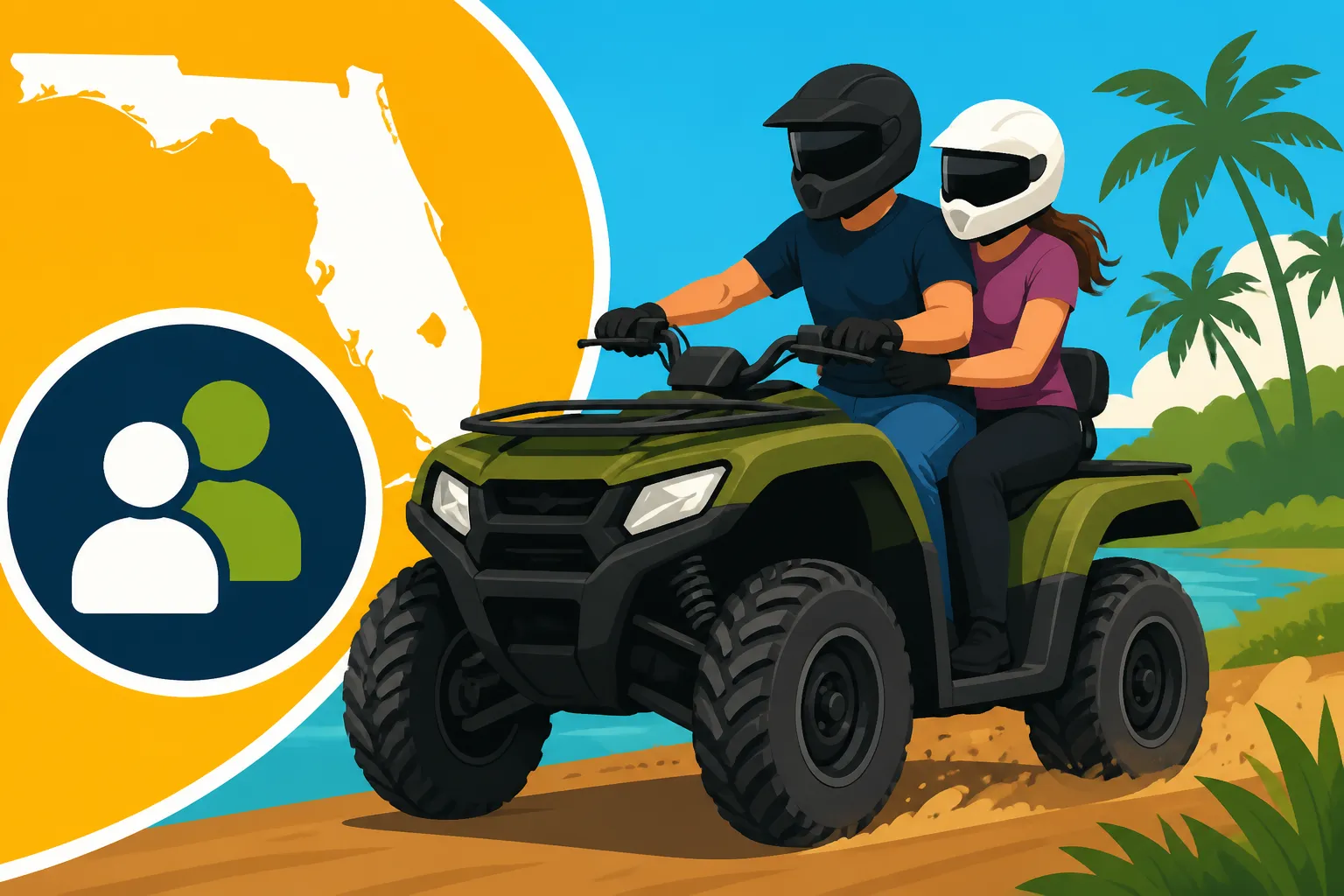
So, how can you tell if your ATV falls into the two-rider category in Florida? Beyond the manufacturer's explicit designation, there are a few physical cues. First and foremost, look for the dedicated passenger seat. This isn't just a slightly longer bench; it's usually contoured or elevated to provide a secure and comfortable spot for a second person. You'll also find specific grab handles or backrests for the passenger to hold onto, which are crucial for stability, especially on uneven trails. These aren't just cosmetic additions; they're structural components designed to keep a passenger safe.
Another giveaway is the presence of separate, designated footrests for the passenger. On a single-rider ATV, the operator uses the footpegs to help control the machine and shift their weight. If a passenger is sharing those pegs or awkwardly dangling their feet, it's a clear sign the ATV isn't designed for two. Two-rider ATVs will have distinct footrests that allow the passenger to maintain a stable and secure position without interfering with the operator's control. Ignoring these design elements can lead to accidents and injuries, which is exactly what Florida's laws aim to prevent. If you're unsure about your specific machine, always refer to your owner's manual or the manufacturer's specifications. This information will confirm whether your ATV is approved for two riders.
The Specifics of Passenger Rules on Two-Rider ATVs in Florida
Once you've confirmed your ATV is legitimately a two-rider machine, it's time to delve into the rules governing passengers in Florida. It's not just about having the right equipment; it's also about knowing who can ride, where they can ride, and what safety gear everyone needs. These rules are in place to keep everyone safe, whether you're cruising through the [Ocala National Forest ATV Trails in Florida] or navigating a private mud park.
Age and Supervision Requirements
Florida has specific rules regarding the age of ATV operators and passengers, particularly for those under 16. For instance, any ATV operator under the age of 16 who plans to ride on public lands, trails, or unpaved roadways must complete an approved ATV safety course. While this rule primarily applies to operators, it sets a precedent for the level of responsibility and safety expected on these machines. When it comes to passengers, the law implies that minors should be appropriately supervised, especially given the inherent risks of off-road riding. Although there might not be a direct minimum age for a passenger on a two-rider ATV, common sense and liability concerns dictate that passengers should be mature enough to follow instructions, hold on securely, and understand the dynamics of riding.
It's crucial for the operator to exercise good judgment. Carrying a very young child who might not have the strength to hold on or the understanding to react appropriately to sudden movements could be a recipe for disaster. Even on a dedicated two-rider ATV, the passenger needs to be an active participant in their own safety. If you're considering taking a younger passenger, review the [Florida ATV Passenger Age Limits] and consider how their size, strength, and attention span will affect the ride. Always err on the side of caution when it comes to minors and ATV safety.
Helmet and Protective Gear Mandates
Florida's ATV helmet law is straightforward: all ATV operators and passengers under 16 years of age must wear a helmet that complies with Federal Motor Vehicle Safety Standard 218. This is the same standard required for motorcycle helmets, meaning it must be a DOT-approved helmet. This isn't a suggestion; it's the law, and deputies take it seriously. Violating this rule can lead to citations and is a serious safety risk. Even if you and your passenger are over 16, wearing a DOT-approved helmet is strongly recommended. The unpredictable nature of off-road riding, the potential for rollovers, and impacts with branches or other obstacles make head protection paramount.
Beyond helmets, other protective gear is highly advised for both the operator and passenger. This includes eye protection (goggles or a face shield), long-sleeved shirts, long pants, gloves, and sturdy over-the-ankle boots. These items protect against flying debris, branches, sun exposure, and provide crucial impact and abrasion resistance in the event of a fall. Imagine hitting a patch of palmetto scrub without long sleeves or eye protection – it’s not a pleasant thought. While not always mandated by law for adults, dressing for protection is a fundamental aspect of responsible ATV riding, especially when you have a passenger whose safety depends on you. You can find more details on [Florida Eye Protection Rule for Young Riders].
Permitted Riding Areas for Two-Rider ATVs
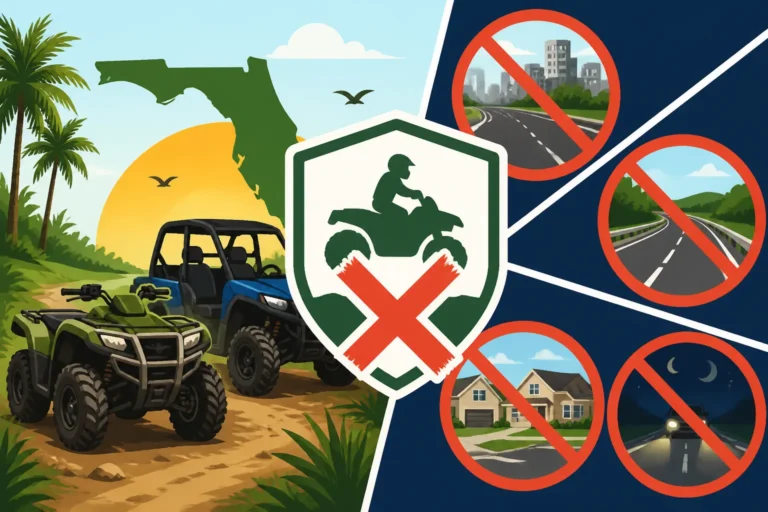
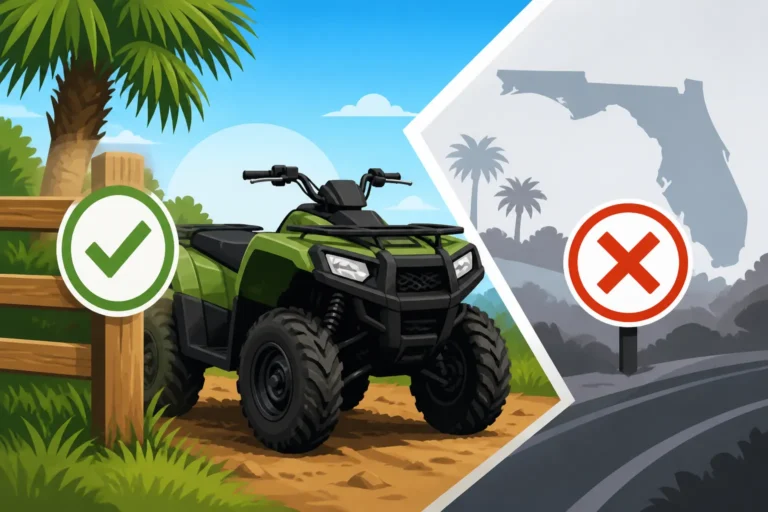
Knowing where you can legally ride your two-rider ATV with a passenger is just as important as knowing the passenger rules themselves. In Florida, ATVs, including two-rider models, are generally restricted from paved public roads and highways. The primary exception to this rule is when an ATV is operated on an unpaved road that is part of the State Forest or Wildlife Management Area system, or on certain unpaved county roads specifically designated for ATV use. You can read up on [Florida ATV Road Rules: Where You Can Legally Ride] for more specific details. Most of your two-up riding will happen on designated off-road trails, private property, or specialized OHV parks.
Places like [Croom Motorcycle Area: Florida's Biggest OHV Park] or the [Ocala National Forest ATV Trails in Florida] are prime examples of public lands where you can enjoy your two-rider ATV. However, even within these areas, there might be specific trail designations or rules about machine types and passenger limits. Always check with the land manager or park office before you go to ensure two-rider ATVs are permitted on your chosen trails. Private riding parks and mud bogs also offer opportunities, but they too will have their own set of rules, age limits, and safety guidelines for passengers. Never assume that just because it's off-road, anything goes. Always confirm the local regulations and respect the rules of the land to ensure a safe and legal outing for both you and your passenger.
Why Rider and Passenger Safety is Paramount
When you add a second person to an ATV, even one designed for two, you significantly change the dynamics of the machine. The responsibility for two lives rests squarely on the operator's shoulders. Ignoring the fundamental principles of safety can turn an enjoyable ride into a tragic event.
The Dynamics of Riding with a Passenger
Riding an ATV designed for two is different from riding solo. The added weight of a passenger affects the machine's balance, braking distance, and acceleration. You'll notice the ATV feels heavier, and its center of gravity shifts higher, especially if the passenger moves around or leans unexpectedly. This makes tight turns, climbing hills, and navigating obstacles more challenging. It requires a more deliberate and cautious riding style from the operator. Both the operator and passenger need to communicate effectively and work as a team. The passenger should learn to lean with the operator into turns and anticipate movements, rather than resisting them.
Before even starting the engine, it’s a good idea to practice in a safe, open area. Get a feel for how the ATV handles with the extra weight. Practice starting, stopping, and gentle turns until both riders feel comfortable. Remember, the operator is not just controlling the machine, but also managing the passenger's experience and safety. Going too fast or taking on terrain that's too challenging for the combined weight and handling characteristics of the ATV is a serious risk. Always ride within your skill level and, more importantly, within the limits of your two-up machine.
Pre-Ride Checks and Communication
Before every ride with a passenger, a thorough pre-ride inspection is even more critical. Check tire pressure, ensuring it's appropriate for the loaded weight of two riders. Inspect brake function – you’ll need more stopping power with two people. Make sure the passenger handholds and footrests are secure and free of obstructions. Verify that both riders have all their required and recommended safety gear. A quick glance at the [What Florida Deputies Check at a Roadside Stop] list can give you an idea of common things law enforcement looks for, many of which are good pre-ride checks anyway.
Effective communication between the operator and passenger is non-negotiable. Establish clear signals for common situations: "slow down," "stop," "rough terrain ahead," or even "I need a break." The passenger should be instructed not to distract the operator or make sudden movements without warning. They should know to keep their feet on the footrests and hold onto the designated handholds at all times. Explain to your passenger what to expect from the terrain and how they can best help maintain stability. A quick verbal check-in before hitting challenging sections can prevent mishaps. This collaborative approach enhances safety and allows both riders to fully enjoy the adventure.
Preparing for the Unexpected on Florida Trails
No matter how experienced you are or how well you know the trails, the unexpected can always happen in the Florida wilderness. A flat tire, a minor mechanical issue, or even a sudden change in weather can turn a fun day into a predicament. When you have a passenger, these situations become more complex, as you are responsible for their well-being too. Always carry a basic tool kit, a tire repair kit, a first-aid kit, and enough water and snacks for both riders. Let someone know your riding plan, including your route and estimated return time, especially if you're venturing into more remote areas.
For legal documentation, consider carrying proof of ownership, like your title or registration. While not always required on private land, it's wise to have, especially if you're ever questioned by authorities. If you're borrowing an ATV or have a new passenger, a simple waiver form, perhaps found through services like LawDepot, could be a smart step to outline responsibilities and acknowledge risks. Even if it's not legally binding in every scenario, it signifies that the passenger understands the inherent risks of ATV riding. Being prepared for emergencies, both big and small, is a hallmark of responsible off-road adventuring, particularly when you’re riding with a companion.
Practical Considerations for Owners of Two-Rider ATVs
Beyond the legal and safety aspects, owning and operating a two-rider ATV in Florida comes with several practical considerations. These range from proper maintenance to understanding insurance, all of which contribute to a smoother and more enjoyable riding experience.
Maintenance and Wear for Two-Up Riding
The added weight and demands of carrying a passenger mean your two-rider ATV will likely experience more wear and tear than a single-rider machine. Components like brakes, suspension, and tires will be under increased stress. Regular maintenance, therefore, becomes even more crucial. You might find you need to replace brake pads more frequently, check suspension components for wear, and monitor tire condition more closely. It’s also wise to check your owner's manual for recommended maintenance schedules specifically for operation at maximum load capacity, as these might differ from single-rider recommendations.
Ensure your ATV's frame and any passenger-specific components, such as grab handles and footrests, are regularly inspected for cracks, loose bolts, or other damage. These parts are vital for passenger safety and can become compromised over time with heavy use. Don't skimp on fluids; engine oil, transmission fluid, and coolant all work harder with a heavier load. Investing a little extra time in maintenance can significantly extend the life of your ATV and, more importantly, ensure reliable and safe operation when you have a passenger onboard.
Insurance Implications and Liability
While Florida does not mandate ATV insurance for private land use or even for titling (you can learn more about [Do Florida ATVs Need Insurance to Be Titled]), it is highly recommended, especially if you plan to carry passengers. Your standard homeowner's policy generally won't cover ATV accidents, particularly off-road or involving personal injury. A dedicated ATV insurance policy can provide coverage for property damage, medical expenses, and, critically, liability.
Liability insurance protects you if your passenger or another party is injured in an accident involving your ATV. Without it, you could be personally responsible for significant medical bills and legal fees. Imagine a scenario where your passenger falls off and sustains an injury; without liability coverage, you could be facing a substantial financial burden. Some private riding parks or organized events may even require proof of insurance. It's always best to contact several insurance providers and discuss your specific needs for a two-rider ATV to ensure you have adequate coverage. You can find out more about [Florida Insurance Requirements at a Private Park] which might influence your decision for public land use too.
Legal Documentation and Transfer of Ownership
Even if you primarily ride on private land, having proper documentation for your two-rider ATV is important. This includes the manufacturer's certificate of origin (MSO) for new machines, and a properly transferred title for used ones. Florida requires all ATVs and UTVs operated on public lands or trails to be titled. If you're buying or selling a two-rider ATV, ensure all paperwork is correctly filled out and filed with the state. This proves legal ownership and can prevent headaches down the road. You can dive deeper into [Who Must Title an ATV in Florida] to ensure you're compliant.
When you're dealing with private sales, particularly of a machine that will carry more than one person, having a clear bill of sale is essential. Tools like those found on LawDepot can help you create a comprehensive [Florida ATV Bill of Sale: What It Needs to Say], which protects both the buyer and seller. This document should detail the ATV's make, model, VIN, purchase price, and explicitly state that the machine is sold "as-is" if that is the agreement. For those occasions where you're lending your ATV to a friend or allowing a guest to ride, having a liability waiver, drafted with professional templates, could be a prudent step to ensure everyone understands the risks involved. While not a foolproof legal shield, it demonstrates due diligence and helps clarify expectations.
| Feature | Single-Rider ATV | Two-Rider ATV (Tandem/2-Up) |
|---|---|---|
| Seating | Single, elongated seat for one operator | Extended seat, often raised for passenger, with backrest |
| Footrests | Operator-only footpegs | Separate, dedicated footrests for passenger |
| Handholds | Handlebars for operator only | Dedicated grab handles or backrest for passenger |
| Manufacturer Spec | Designed for one person only | Explicitly designed and rated for two persons |
| Weight Capacity | Lower, for one operator and gear | Higher, to safely accommodate two adults and gear |
| Suspension | Tuned for single-rider weight | Heavier-duty, tuned for dual-rider weight |
| Braking | Sized for single-rider weight | Enhanced braking system for increased stopping power |
| Legal to Carry Passenger in FL | No, unless specifically converted/certified | Yes, when designed for two by manufacturer |
Disclaimer
This article is for general informational purposes only and does not constitute professional advice. Laws, prices and regulations vary by location and change over time. Consult a qualified professional for guidance on your specific situation.