Florida Beach Driving and ATVs
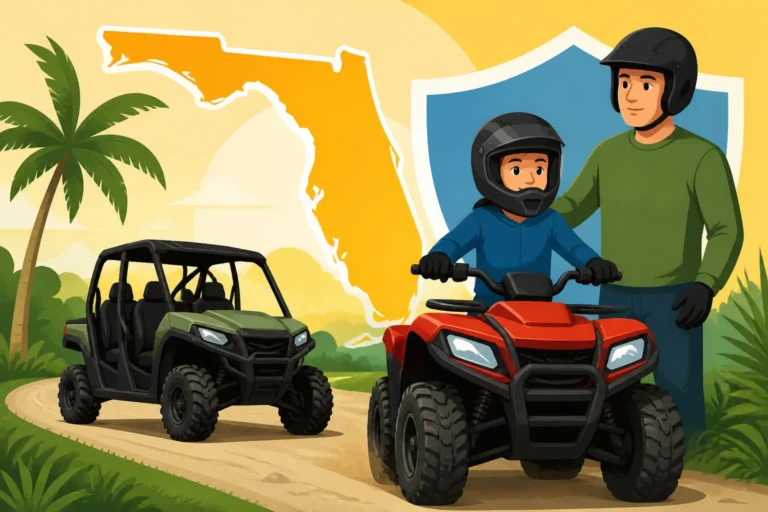
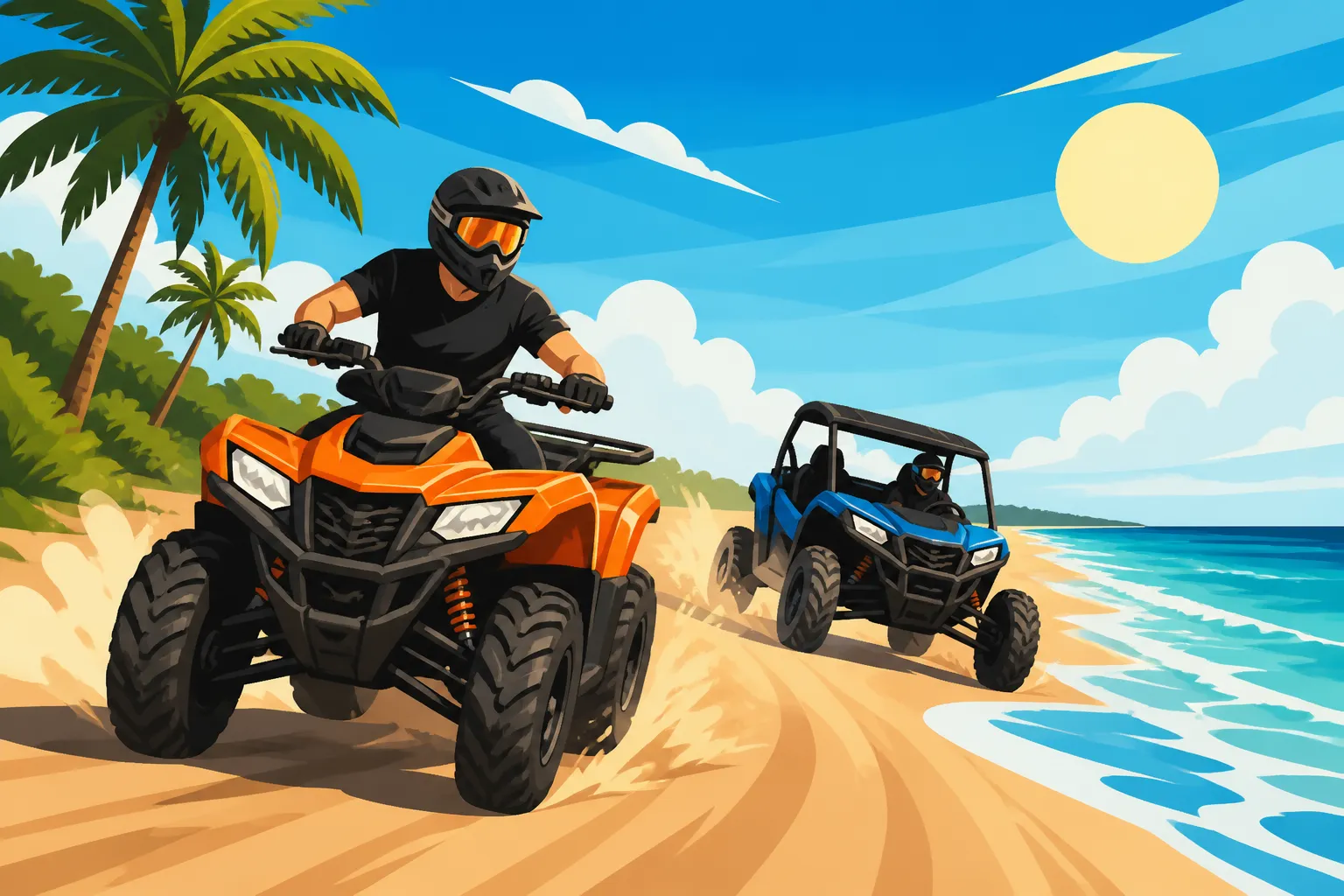
The image of cruising down a sun-drenched Florida beach on your ATV, the salty air in your face and the endless ocean stretching out before you, is a powerful one. It’s a dream many off-road enthusiasts share when they first think about riding in the Sunshine State. However, the reality of Florida beach driving and ATVs is far more complex and, for most recreational riders, disappointing. This guide will cut through the myths and clarify the strict rules, rare exceptions, and genuine coastal riding alternatives available to ATV and UTV owners in Florida.
The Dream vs. Reality: Why Beach Driving ATVs is Tricky in Florida
Let's be honest, we've all seen those iconic images or videos of ATVs tearing across vast, open beaches. It looks exhilarating, liberating even. But Florida, with its delicate ecosystems and heavily populated coastlines, operates under very different rules. The fantasy of casually riding your quad along the shoreline is, for the vast majority of riders, just that – a fantasy.
General Prohibitions and State Statutes
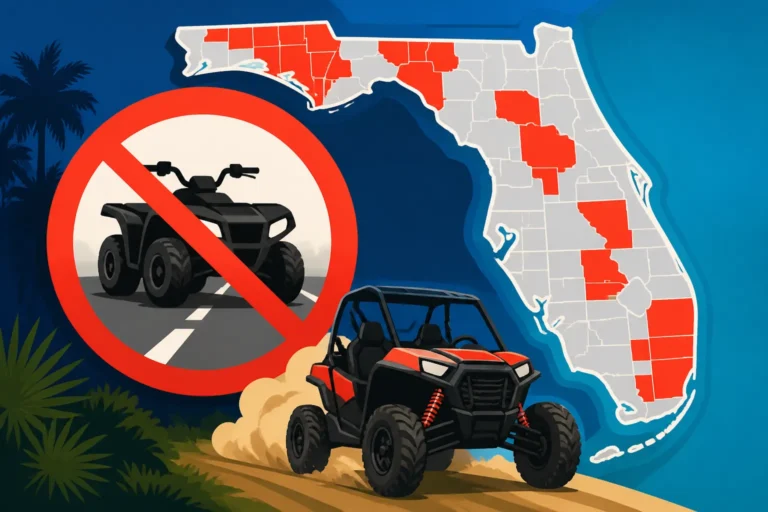
Florida's coastal environment is a precious and protected resource. This means that, as a general rule, the state has comprehensive laws in place that prohibit the operation of motorized vehicles, including ATVs and UTVs, on its beaches. These prohibitions aren't arbitrary; they stem from critical concerns for public safety, environmental protection, and the preservation of natural habitats. Driving a heavy, motorized vehicle on soft sand can cause significant damage to sensitive dune systems, which act as crucial barriers against storm surge and erosion. These dunes are home to a diverse array of plant life that stabilizes the sand, and disturbing them can have ripple effects across the entire coastal ecosystem.
Furthermore, Florida's beaches are vital nesting grounds for several species of sea turtles, which are protected by state and federal laws. ATV tracks can destroy nests, disorient hatchlings, and disrupt the nesting process. Beyond the environmental impact, there's the sheer volume of people who flock to Florida's beaches for recreation. Mixing motorized vehicles with sunbathers, swimmers, and families enjoying a peaceful day creates a significant safety hazard and detracts from the recreational experience for everyone else. When state statutes discuss "unpaved roads," they are almost never referring to a sandy beach. Beaches are generally not classified as roadways in the same way a forest trail or dirt path might be, which immediately puts them outside the scope of where ATVs are typically permitted. Understanding [What an OHV Title Does Not Let You Do] is a key part of this equation.
Local Ordinances and County Control
While state law sets the overarching tone, local ordinances play a huge role in the specific rules for any given stretch of beach. Each of Florida's coastal counties has the authority to enact its own regulations regarding beach access and vehicle use. This means that while a statewide ban is largely in effect, there might be tiny, highly specific exceptions carved out by certain counties for very limited purposes. However, these exceptions are exceedingly rare, incredibly restrictive, and almost always involve specific permits for authorized activities, not general recreational riding.
For instance, a county might allow commercial fishing vehicles access at certain times, or grant special permission for beach cleanups or events. It's not uncommon to hear rumors about "that one beach" where someone saw an ATV, leading to assumptions that it's open season. More often than not, what you witnessed was an authorized vehicle or a rider breaking the law. Before you even think about approaching a beach with your ATV, you would need to delve deeply into the specific ordinances of that particular county and even the municipality that manages that stretch of coastline. This isn't a casual check; it requires diligent research to avoid hefty fines and legal trouble. The patchwork nature of these local rules can be confusing, but the general takeaway remains: assume motorized vehicles are prohibited on Florida beaches unless you have absolute, irrefutable proof and a permit stating otherwise.
Understanding the Exceptions: Where and How ATVs Might Get Near Florida Beaches
So, if the general rule is "no ATVs on the beach," why do we occasionally see them? These sightings almost always fall under very specific, non-recreational exceptions that have little to do with typical off-road fun. It’s important to distinguish these authorized uses from what a private individual can do for leisure.
Emergency, Law Enforcement, and Authorized Use
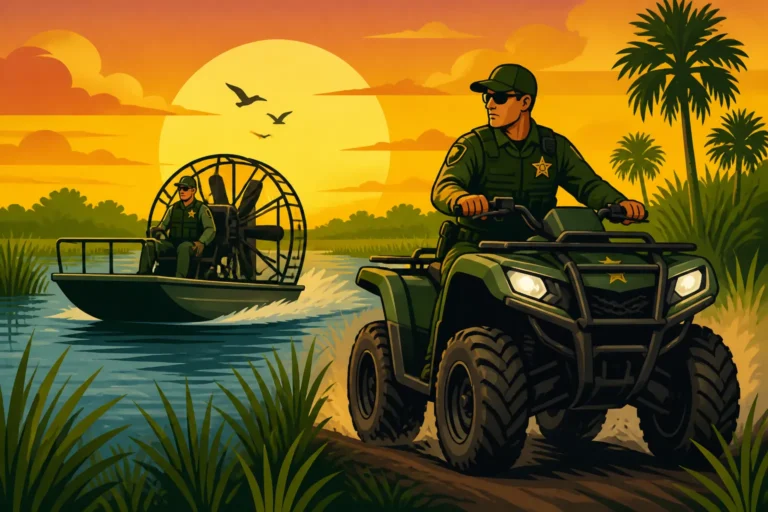
The most common reason you'll see an ATV or UTV on a Florida beach is that it's being operated by someone with official authority. Think about it: how do lifeguards respond quickly to emergencies across miles of sand? Often, with specialized ATVs or UTVs. Similarly, park rangers, beach patrol, and law enforcement agencies utilize these machines for surveillance, search and rescue operations, and responding to incidents along the coast. These vehicles are essential tools for public safety and beach management.
Beyond daily operations, there are often times of crisis, such as after a hurricane. During [Hurricane Cleanup and Florida ATV Road Access], you might see ATVs or UTVs deployed by utility companies, emergency response teams, or government agencies to assess damage, clear debris, or provide aid in areas where traditional vehicles struggle with soft sand or downed trees. These are critical functions, and the operators are performing official duties under specific authorizations. For the recreational rider dreaming of a sunset cruise, these exceptions offer no pathway to legal beach access. Their presence is a testament to the utility of these machines, but not an invitation for general public use.
Limited Commercial or Specific Permitted Access
In very rare and specific instances, a commercial entity or an individual undertaking a specialized task might be granted a permit to operate a vehicle on a Florida beach. This is far from common and almost always involves a highly regulated process. For example, some commercial fishermen might have permits to launch boats or retrieve nets in certain designated areas, utilizing ATVs or UTVs for the heavy lifting required on the sand. You might also encounter specialized construction crews performing coastal restoration projects or utility workers maintaining beachfront infrastructure who have secured specific permits for vehicle access.
These permits are not easily obtained and are typically tied to a defined scope of work, a specific timeframe, and often, particular vehicle requirements. They are certainly not "beach passes" for recreational fun. If you ever see a vehicle on the beach, and it's not clearly law enforcement or an emergency service, it's highly likely to be a commercial operation under a hard-won, very limited permit. Trying to replicate this without proper authorization would immediately put you in violation of local and state laws.
Here's a quick table to clarify typical beach access scenarios for ATVs in Florida:
| Scenario | Legality for Recreational ATVs | Common Authorized Users/Purposes |
|---|---|---|
| Casual Recreational Riding | Prohibited | N/A (No recreational use allowed) |
| Emergency Response (e.g., lifeguard, rescue) | Prohibited | Lifeguards, Paramedics, Search & Rescue Teams |
| Law Enforcement Patrols | Prohibited | Police, Sheriff's Deputies, Park Rangers, Beach Patrol |
| Environmental Monitoring/Cleanup | Prohibited | Scientists, Coastal Zone Management, Volunteer Clean-Up Organizers |
| Commercial Fishing/Launch (Limited Areas) | Prohibited | Permitted Commercial Fishermen (Very specific locations/times) |
| Hurricane Damage Assessment/Restoration | Prohibited | Government Agencies, Utility Crews, Emergency Services |
| Special Events (e.g., authorized races) | Prohibited | Event Organizers with specific, rare permits |
The Difference Between a Beach and a Designated OHV Trail System
A common point of confusion arises when riders encounter sandy trails in inland areas and conflate them with actual ocean beaches. Florida is known for its sugar sand, and many of its off-highway vehicle (OHV) parks and trails feature deep, challenging sand sections. This, however, is a world away from a coastal beach.
Defining "Beach" vs. "Off-Highway Vehicle Area"
A "beach" in Florida refers specifically to the sandy shoreline adjacent to the ocean or a major estuary, typically characterized by saltwater, tides, and a unique coastal ecosystem. These areas are, as discussed, heavily regulated to protect both the natural environment (dunes, sea turtle nesting sites) and the safety of beachgoers. When you see a sign about [Sea Turtle Nesting Season Beach Closures], it underscores the sensitive nature of these environments.
An "off-highway vehicle area," on the other hand, is a specifically designated, managed, and permitted tract of land – usually inland – where motorized off-road vehicles like ATVs and UTVs are allowed to operate. These areas, such as the [Croom Motorcycle Area: Florida's Biggest OHV Park] or portions of the [Ocala National Forest ATV Trails in Florida], often feature sandy trails, challenging whoops, and wide-open scrub land. While the terrain might be sandy, it's a completely different environment, managed under different regulations, and typically lacks the direct ecological sensitivity of a coastal beach. These areas are designed for off-road recreation, often with designated parking, specific operating hours, and permits required. Understanding [Florida's Off-Highway Vehicle Title Law Explained] is crucial for these areas.
Why the Distinction Matters for Legality and Safety
The distinction between a beach and an OHV trail system isn't just semantics; it has significant legal ramifications and safety implications. Operating your ATV on a prohibited beach can lead to serious legal consequences, including substantial fines, court costs, and even the impoundment of your machine. This is because beach driving often carries penalties related to environmental damage, public nuisance, and direct violation of specific local ordinances. A ranger or [Florida Sheriff Enforcement of ATV Road Rules] on a beach will not hesitate to issue citations or take further action.
From a safety perspective, riding on a public beach presents challenges far different from a controlled OHV park. Unpredictable tides, soft, shifting sand (which can be very different from compact trail sand), hidden debris, and the constant presence of pedestrians make it a high-risk environment. Furthermore, your machine setup might need to be different. While some ATVs perform well in sand, the type of [Deep Sand Tires for Scrub Riding] you'd use in an OHV park might not be suitable or even desirable for the extremely soft, wet sand near the surf line. Companies like SuperATV offer a range of specialized tires and suspension components that can enhance performance in various sandy terrains, but these upgrades are best utilized in legally designated off-road environments, not prohibited beaches. Attempting to navigate dynamic beach conditions without proper training or a suitably equipped machine can be dangerous for both the rider and anyone else present.
Alternative Coastal Riding Experiences in Florida
While the dream of beach driving your ATV might be out of reach, Florida offers an abundance of incredible off-road experiences that capture the essence of sandy, open-air riding. You just need to know where to look – and it's usually not right next to the ocean.
Exploring Nearby State and National Forest Trails
Florida is blessed with vast expanses of state and national forests, many of which are crisscrossed with miles of designated OHV trails. These areas provide legitimate, thrilling sand riding experiences that can scratch that itch for open-throttle adventure without breaking the law. For example, the Ocala National Forest, located in Central Florida, is famous for its "Big Scrub" areas, featuring deep, sugary sand trails that stretch for miles. It’s an ideal place for those who love the feel of sand but understand it's not a beach. You'll find long, winding paths, elevation changes, and plenty of challenging terrain. Similarly, the [Florida State Forest OHV Areas Explained] offer numerous opportunities. Places like Blackwater River State Forest in the Panhandle, with its Clear Creek OHV Area, or the remote Tate's Hell State Forest, offer different flavors of sandy riding, often intertwined with pine forests and even some mud.
These trails are maintained, regulated, and generally require an OHV pass, which supports their upkeep and ensures a safe, managed riding environment. You can spend an entire day, or even a weekend, exploring these natural wonders on your ATV or UTV. It’s a fantastic way to experience Florida’s unique ecosystems from the seat of your machine, adhering to regulations and respecting the environment. Remember to check out [Florida National Forest OHV Pass Prices] and rules before you head out.
Private Parks and Designated Mud Parks
If the idea of wide-open, sandy spaces with a bit more freedom appeals to you, Florida's private riding parks and mud parks are excellent alternatives. These venues are specifically designed for off-road recreation, often featuring diverse terrain, including expansive sandy areas, challenging mud bogs, and sometimes even man-made "beaches" around their water features. Locations like [Hog Waller ATV Resort in Palatka, Florida] and [Redneck Mud Park Near Punta Gorda, Florida] are incredibly popular destinations for ATV and UTV riders. While these aren't coastal beaches, they provide a similar sensation of open space and deep sand riding, often with added amenities like camping, washdown stations, and event weekends.
These parks operate on private land, which means they set their own rules (within state law), often allowing for a more relaxed riding experience than public lands. You'll typically pay an entry fee, but in return, you get a dedicated space to push your machine's limits, explore various terrains, and enjoy a vibrant community atmosphere. Many riders also bring their machines equipped with [Mud Tires for a Weekend at a Mud Park] to handle the variety of conditions found in these venues. It’s an excellent way to get a taste of "beach-like" riding in a legally sanctioned and often very social environment, without any of the legal risks associated with trying to ride on Florida's protected coastal beaches.
What Happens If You Ride an ATV on a Prohibited Florida Beach
Ignorance of the law is never an excuse, especially when it comes to sensitive environments like Florida's beaches. The penalties for riding an ATV or UTV where prohibited can be swift, severe, and costly, far outweighing any momentary thrill.
Enforcement and Penalties
Florida's coastal areas are under constant watch by various authorities, including local law enforcement, county beach patrols, park rangers, and even federal agencies, particularly during sensitive times like [Sea Turtle Nesting Season Beach Closures]. If you're caught riding an ATV on a prohibited beach, enforcement will be immediate. You can expect a direct confrontation with officers, which can escalate quickly depending on the circumstances and your cooperation.
The typical scenario involves tickets and fines, which can range from hundreds to thousands of dollars, depending on the specific ordinance violated and the level of environmental damage caused. Beyond the initial citation, your ATV or UTV will very likely be impounded. This means not only will you lose access to your machine, but you'll also incur significant towing and storage fees, adding substantially to your overall costs. In some cases, especially if there's demonstrable damage to protected dunes or wildlife habitats, you could face additional civil penalties or even criminal charges. Trying to argue your way out of it will likely be fruitless; the laws are clear, and the authorities are accustomed to dealing with such violations. Be aware that [Florida ATV Impound After a Road Violation] can be a lengthy and expensive process.
Environmental and Community Impact
Beyond the personal legal and financial repercussions, operating an ATV on a prohibited Florida beach has a broader, negative impact on the environment and the community. As mentioned earlier, delicate coastal ecosystems, particularly dune systems, are easily damaged by the weight and traction of off-road vehicles. This damage contributes to erosion, disrupts stabilizing vegetation, and leaves the coastline more vulnerable to storms. Perhaps most critically, ATV tracks can obliterate sea turtle nests, making it impossible for hatchlings to emerge, or confuse them during their perilous journey to the ocean. [Coastal Dune Protection and Quad Access] is a serious matter for Florida officials and residents.
Furthermore, illegal beach riding creates a negative perception of the entire ATV and UTV community. When a few individuals disregard laws and harm the environment, it fuels public opposition and can lead to even stricter regulations that affect all off-road enthusiasts. This makes it harder for legitimate riding areas to gain support or for new opportunities to emerge. Respecting these laws isn't just about avoiding a ticket; it's about being a responsible rider and contributing positively to the image of off-roading in Florida. The community and environmental damage far outweighs the brief satisfaction of an illegal ride.
Preparing Your ATV for Sand Riding (Even if not on the Beach)
While beach driving is generally a no-go, Florida does offer fantastic inland sand riding experiences in its state and national forests. To make the most of these legal opportunities, and to ensure your machine performs optimally and stays healthy, a little preparation goes a long way. Sand, particularly the fine, abrasive "sugar sand" found in Florida, can be tough on ATVs and UTVs.
Essential Gear and Machine Maintenance
Riding in deep sand creates a unique set of challenges for your ATV. The most critical component to protect is your engine. Fine sand can quickly clog air filters, leading to reduced performance and potential engine damage. Before heading out for a day of sand riding, ensure your air filter is meticulously cleaned and freshly oiled. Consider carrying a spare pre-filter or even an entire spare filter if you plan on extended riding in very dusty or sandy conditions. Regularly checking and cleaning your air filter after each ride in sand is paramount.
Tire pressure is another key factor. While you wouldn't necessarily "air down" to the extreme levels you might for rock crawling, slightly reducing your tire pressure from pavement recommendations can increase your tire's footprint, providing better floatation and traction in soft sand. Just be sure not to go too low, as it can de-bead a tire or damage your rim. Aftermarket skid plates, available from manufacturers like SuperATV, can provide added protection for critical undercarriage components, preventing sand and debris from causing damage. Don't forget proper eye protection, as sand can kick up unexpectedly. Lastly, always ensure your machine is equipped with a properly functioning [Spark Arrestors and Why Rangers Look] for it, especially when riding in dry forest environments where fire risk is a concern.
Riding Techniques for Sandy Terrain
Riding in deep sand feels distinctly different from riding on hard-packed dirt or gravel trails. The key to successful and enjoyable sand riding is maintaining momentum and learning to "float" over the sand rather than digging into it. When you lose momentum, your tires dig in, and you can quickly get stuck. This means often carrying more throttle than you might be used to on other terrains, but doing so smoothly to avoid spinning out. Leaning back slightly can help keep the front end light and prevent it from digging in, especially in whoops or soft corners.
Weight shifting is crucial. Use your body to guide the machine through turns, leaning into the turn and sometimes even dabbing a foot for balance, similar to dirt bike riding. Be prepared for your handlebars to feel "loose" and to constantly make small corrections as the front tires float and search for traction. This takes practice, so start slow and gradually increase your speed as you get a feel for the sand. Upgrading your suspension with components from a company like SuperATV can significantly improve your machine's handling and comfort in challenging sand whoops and choppy terrain, allowing for a smoother, more controlled ride. Remember, sand riding is physically demanding, so stay hydrated and know your limits.
Disclaimer
This article is for general informational purposes only and does not constitute professional advice. Laws, prices and regulations vary by location and change over time. Consult a qualified professional for guidance on your specific situation.