Florida ATV Helmet Law Age Limit
Navigating the world of ATV and UTV riding in Florida can sometimes feel like sifting through a stack of legal documents written in a language only lawyers understand. One of the biggest areas of confusion, especially for families who love to hit the trails, revolves around helmet laws – specifically, for younger riders. It's a common worry for parents: "Does my child really need a helmet, and if so, what kind, and where?" This guide is here to untangle those specific requirements, helping you understand Florida's ATV helmet law age limit so you can ride safely and legally, without second-guessing every turn.
Understanding Florida's ATV Helmet Law for Minors
Florida's stance on ATV helmet use is quite clear, particularly when it comes to the safety of our younger enthusiasts. The law is designed to protect those who might not yet have the experience or judgment to fully assess the risks of off-road riding. It's not about stifling fun, but ensuring that the thrills of the trail don't come at an undue cost.
The "Under 16" Rule: Who It Applies To
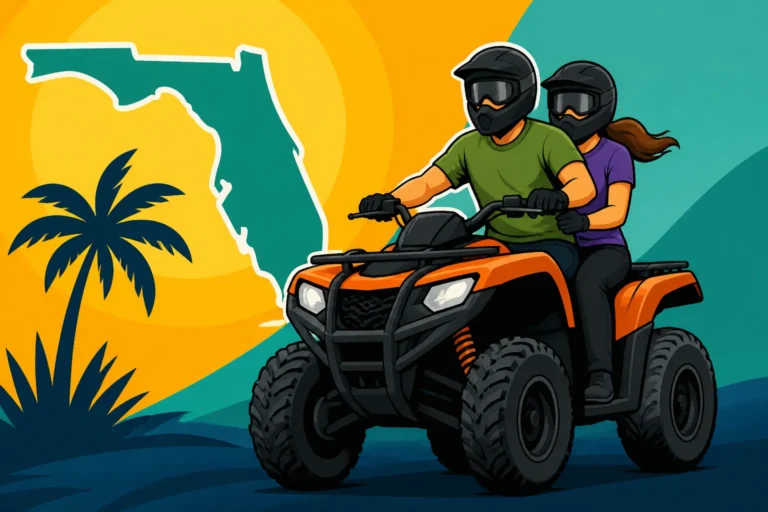
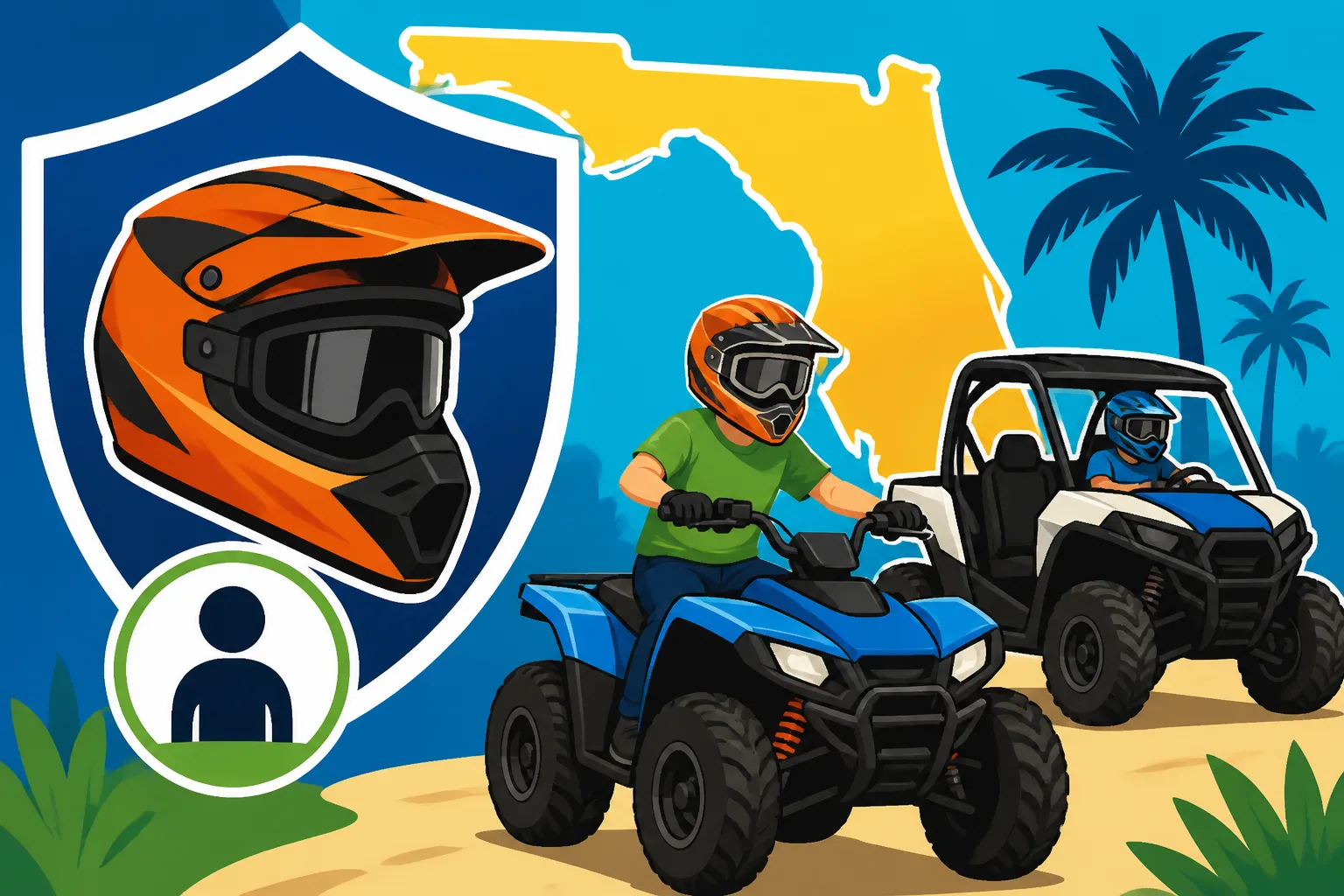
Let's cut right to the chase: In Florida, if you are operating an all-terrain vehicle (ATV) on public lands or designated trails, and you are under the age of 16, wearing a helmet is not just a good idea—it's the law. This means anyone who is 15 years old or younger, whether they're behind the handlebars or riding as a passenger (if the ATV is designed for two riders), must have their head protected by an approved helmet. Once a rider turns 16, the state's mandatory helmet requirement for ATVs on public land generally lifts.
However, this doesn't mean that at 16, you should suddenly ditch your helmet. The law sets a minimum, not a maximum, for safety. For parents, this also means you bear the responsibility of ensuring your minor child complies with this rule. Failing to do so could result in a citation and, more importantly, put your child at significant risk of serious injury. It's a rule that prioritizes the most vulnerable riders, recognizing that they may have less control or experience to avoid hazards, making head protection absolutely essential.
What Constitutes a "DOT-Approved" Helmet?
When the law says "helmet," it's not talking about just any old headgear. Florida law, like many states, specifies that the helmet must be approved by the U.S. Department of Transportation (DOT). This isn't just a label; it signifies that the helmet has met rigorous safety standards designed to protect the wearer's head in the event of an impact. A DOT-approved helmet will have a sticker, usually on the back, confirming its compliance.
Choosing the right helmet goes beyond just finding the DOT sticker, though. You want one that fits snugly, without being uncomfortably tight, and that offers good visibility. Full-face helmets provide the most comprehensive protection, covering the chin and jaw, while open-face helmets offer less protection but might be preferred by some for airflow. For young riders, especially, ensuring the helmet fits correctly is paramount, as a helmet that's too loose can shift during a fall, reducing its effectiveness. Always look for a reputable brand and ensure the helmet is in good condition, free from cracks or damage that could compromise its integrity. You might check out resources on [Helmets That Meet the USDOT Standard] for more details on what to look for.
Eye Protection: Beyond Just the Helmet
While the primary focus of the law is helmets for minors, it's also worth noting the importance of eye protection, particularly for young riders. Florida law also specifies that anyone operating or riding on an ATV who is under 16 years old must wear eye protection. This isn't just about comfort; it's about preventing injuries from debris, branches, insects, or even just dust and dirt kicked up by other riders. An unexpected piece of grit in the eye can cause a rider to lose control, leading to an accident.
Proper eye protection can come in the form of goggles designed for off-road use or a helmet with an integrated face shield. The key is that it should be shatter-resistant and provide clear, unobstructed vision. Sunglasses are generally not sufficient as primary eye protection because they often don't provide adequate coverage or impact resistance. It's a small but critical detail that often gets overlooked, but it contributes significantly to a rider's overall safety. For more specific guidance on this, you can refer to information on [Florida Eye Protection Rule for Young Riders].
Where Florida's ATV Helmet Law Applies (and Doesn't)
Understanding who needs a helmet is only half the battle; knowing where those rules are enforced is equally important. Florida's ATV helmet law, like many other regulations concerning off-highway vehicles, has specific contexts in which it applies, primarily revolving around public access and designated riding areas.
Public Lands and Designated Trails
The core of Florida's ATV helmet law for minors truly comes into play when you're riding on public lands. This includes popular spots like the vast trails of Ocala National Forest, the challenging terrain of Croom Motorcycle Area, or various state forest OHV areas across Florida. These are the places where park rangers, local law enforcement, or state officials will be looking for compliance. If your child is under 16 and riding in these areas without a DOT-approved helmet, you could face penalties.
It's also worth remembering that many private parks and OHV resorts in Florida, while not strictly "public land," often have their own rules that mirror or even exceed state regulations for safety. They may require all riders, regardless of age, to wear helmets as a condition of entry. Always check the specific rules of any riding area before you go. Places like [Croom Motorcycle Area: Florida's Biggest OHV Park] or [Ocala National Forest ATV Trails in Florida] have clear guidelines for their visitors, and compliance is expected to ensure everyone's safety and continued access to these recreational spaces.
Private Property vs. Public Roadways (Unpaved)
The situation gets a little murkier when it comes to private property. Generally speaking, Florida's state helmet law for ATVs does not apply to riders on private land. If you own a large property, a ranch, or have explicit permission to ride on someone else's private land, the state's "under 16 helmet rule" typically doesn't hold sway there. However, this doesn't mean safety should be ignored. Many property owners still strongly encourage or even require helmets for all riders, regardless of age, to mitigate liability and ensure a safe environment. Common sense and responsible parenting should always prevail, even when the law doesn't explicitly mandate it.
When it comes to public roadways, it's important to understand Florida's general stance on ATV use. ATVs are largely considered off-highway vehicles and are generally not permitted on paved public roads. However, there are specific exceptions for certain unpaved county roads, particularly in rural areas, where ATVs might be allowed under strict conditions. If an ATV is being operated on an approved unpaved public roadway, then the "under 16" helmet rule would apply. It's a complex area, and understanding [Florida's Unpaved Road Rule for ATVs Explained] can help clarify when and where you might encounter these specific road-use rules and their accompanying safety requirements. Keep in mind, [What Florida Deputies Check at a Roadside Stop] might include helmet compliance, even on unpaved routes.
Exceptions and Nuances
While the under-16 helmet rule is fairly straightforward for recreational riding, there are always specific scenarios and types of vehicles that create slight nuances. For example, ATVs used for agricultural purposes on a farm might fall under different regulations, though safety is still paramount. Similarly, if you're riding a side-by-side (UTV) as opposed to a traditional straddle-seat ATV, some of the specific passenger rules or even the machine's classification might introduce subtle differences, though the general safety principles remain the same.
It's also crucial to distinguish between an ATV and other off-highway vehicles. For instance, go-karts, while off-road capable, are typically not classified as ATVs under Florida law and thus fall under different, or often no, specific helmet mandates. However, the inherent risks of speed and uneven terrain mean that wearing a helmet is always a wise choice for any rider, regardless of the vehicle type or the specific legal requirement. Understanding these distinctions is part of being a well-informed rider and helps you to make the safest choices for yourself and your family. For broader context on who must title their vehicles, you can check out [Who Must Title an ATV in Florida].
Safety Beyond the Law: Best Practices for All Ages
While Florida law clearly defines helmet requirements for those under 16, it's crucial to remember that legal mandates are just the baseline for safety. For anyone who loves the thrill of off-road riding, adopting a comprehensive safety mindset, regardless of age, is the surest way to enjoy the sport for years to come.
The Importance of Helmets, Regardless of Age
Let's be frank: the risk of head injury doesn't magically disappear when you turn 16. Helmets are the single most effective piece of safety equipment an ATV rider can wear to prevent serious injury or death. Even experienced adult riders can encounter unexpected obstacles, lose traction on loose terrain, or have an accident due to mechanical failure or another rider's mistake. A fall at even a moderate speed can result in severe trauma if your head isn't protected.
Wearing a helmet as an adult not only protects you but also sets a powerful example for younger riders. Kids often emulate the adults they look up to, and seeing you consistently wear your helmet reinforces the message that safety is a top priority. Investing in a high-quality, DOT-approved helmet that fits well is one of the best decisions you can make as a rider. It's peace of mind, knowing you've taken a critical step to mitigate the risks inherent in such an exhilarating activity. Making sure your machine is equipped with reliable accessories, perhaps sourced from a specialist like SuperATV, also contributes to overall safety by improving control and performance on the trails.
Additional Protective Gear
Helmets are foundational, but they're just one part of a complete safety ensemble. Off-road riding exposes you to a multitude of hazards, from flying debris and scrapes to impacts and rollovers. Wearing additional protective gear significantly reduces the risk of injury to other parts of your body.
Essential gear includes:
- Gloves: Protect hands from scrapes, blisters, and provide a better grip on the handlebars.
- Over-the-Ankle Boots: Crucial for protecting feet and ankles from impacts, crushing injuries, and preventing them from getting caught in moving parts.
- Long Pants and Long-Sleeved Shirts: Heavy-duty denim or specialized riding apparel helps protect skin from abrasions, branches, and sun exposure.
- Eye Protection: As mentioned earlier, goggles or a face shield are vital for clear vision and protecting your eyes from hazards.
- Chest Protectors, Knee Pads, and Elbow Pads: While perhaps seen as "extra" by some, these offer critical protection for high-impact areas, especially for aggressive riders or those tackling challenging terrain. Many parents insist on these for their younger riders, even if not legally mandated.
Thinking holistically about protection ensures that you're prepared for the various challenges the trail might throw your way.
Rider Education and Skill Development
Finally, the best safety equipment in the world is only as effective as the rider wearing it. Continual rider education and skill development are indispensable. Completing an ATV safety course, even if you're an adult and it's not legally required for you, can provide invaluable instruction on safe riding techniques, hazard awareness, and emergency maneuvers. In Florida, there are specific [Florida ATV Safety Course Requirements for Riders Under 16] for public land access, but the benefits extend to riders of all ages.
Knowing your machine, understanding its limits, and riding within your own skill level are fundamental principles. Avoid pushing beyond your capabilities or taking unnecessary risks. This includes proper machine maintenance – ensuring brakes, tires, and suspension are in top working order. A well-maintained machine, perhaps with reliable aftermarket parts from a place like SuperATV, is inherently safer than one that's neglected. Responsible riding also extends to being aware of environmental conditions, such as trail closures or sudden weather changes, and always informing someone of your riding plans. It's this combination of legal compliance, appropriate gear, and ongoing education that creates the safest and most enjoyable off-road experience for everyone.
Here's a quick overview of Florida's ATV Helmet Law and best practices:
| Rider Age Group | Helmet Legally Required (Public Land) | Eye Protection Legally Required (Public Land) | Best Practice (All Locations) |
|---|---|---|---|
| Under 16 | Yes (DOT-approved) | Yes | Always wear full protective gear |
| 16 and Over | No | No | Always wear a DOT-approved helmet & eye protection |
Disclaimer
This article is for general informational purposes only and does not constitute professional advice. Laws, prices and regulations vary by location and change over time. Consult a qualified professional for guidance on your specific situation.