Hauling to a Trailhead Instead of Riding There
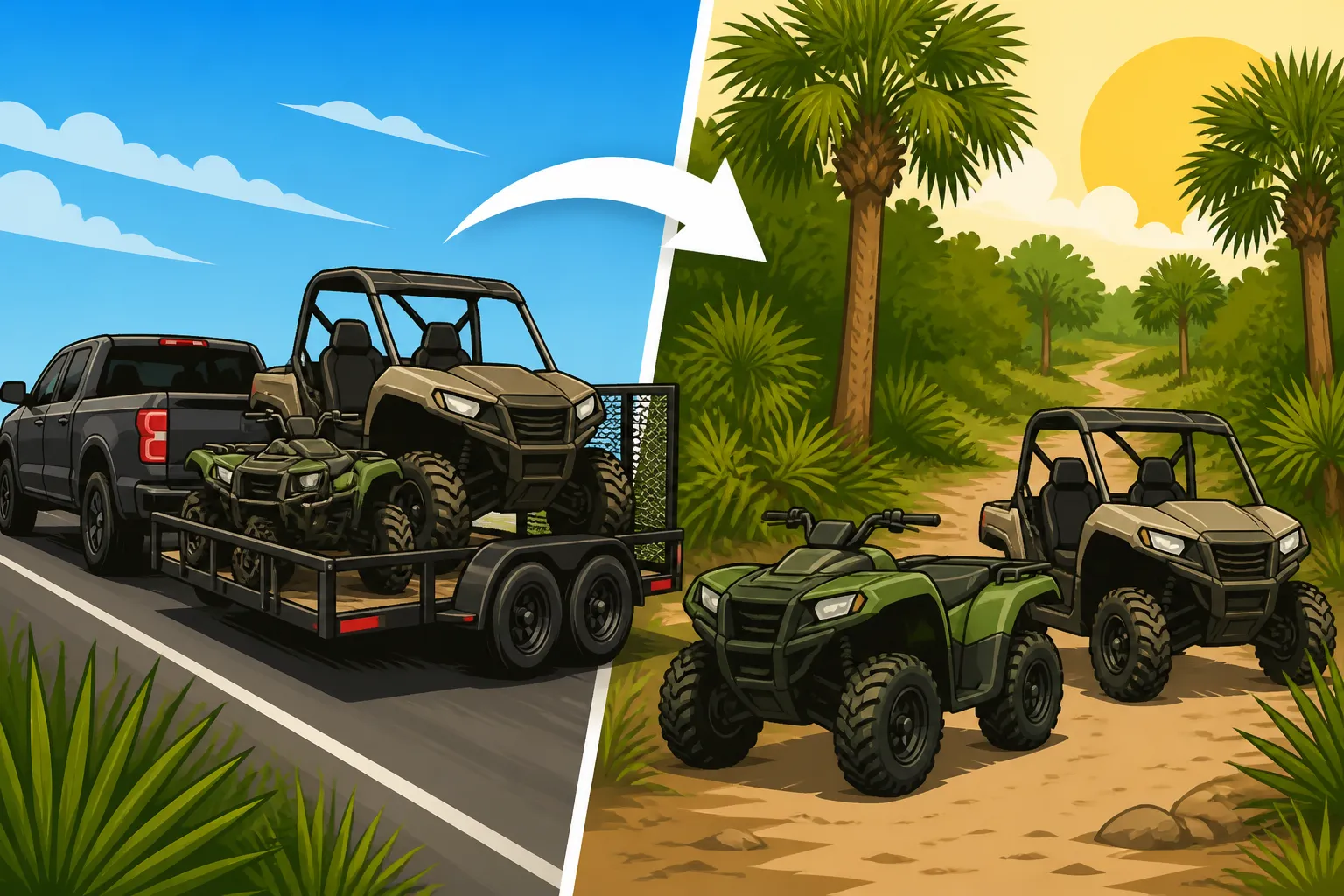
It's a familiar scenario for many Florida ATV and UTV enthusiasts: you've got a killer machine, you're itching to hit the trails, but the moment you consider driving it down a paved road, a knot forms in your stomach. Florida's rules for off-highway vehicles on public roads are notoriously strict, and trying to navigate them can feel like deciphering ancient hieroglyphs. This guide is all about embracing the most practical and often safest solution: hauling your quad or side-by-side to the trailhead instead of risking a hefty fine or worse.
Why Hauling is Often Your Best (and Only) Option in Florida
Let's face it, the dream of cruising your ATV or UTV directly from your driveway to the nearest forest trail often bumps hard against reality in Florida. Our state has some pretty firm stances on where these machines can and cannot go, especially when it comes to paved public roads. Understanding these limitations is the first step toward becoming a responsible and ticket-free rider, and it quickly illuminates why trailering is your go-to strategy.
Florida's Strict Rules for ATVs and UTVs on Public Roads
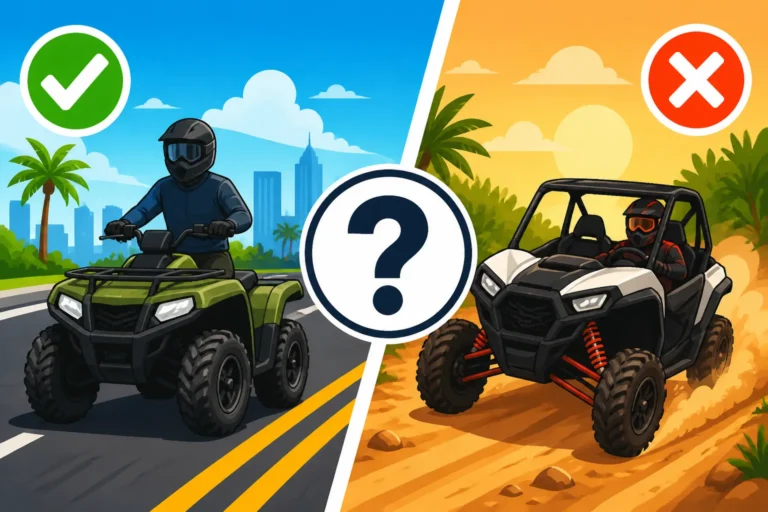
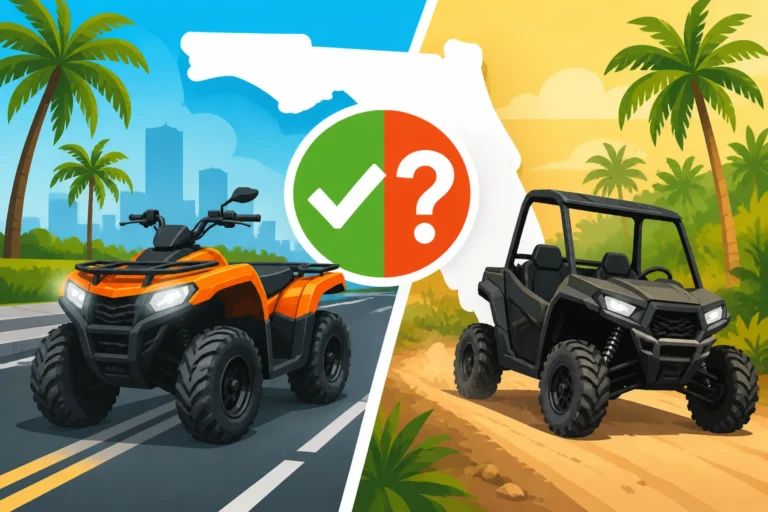
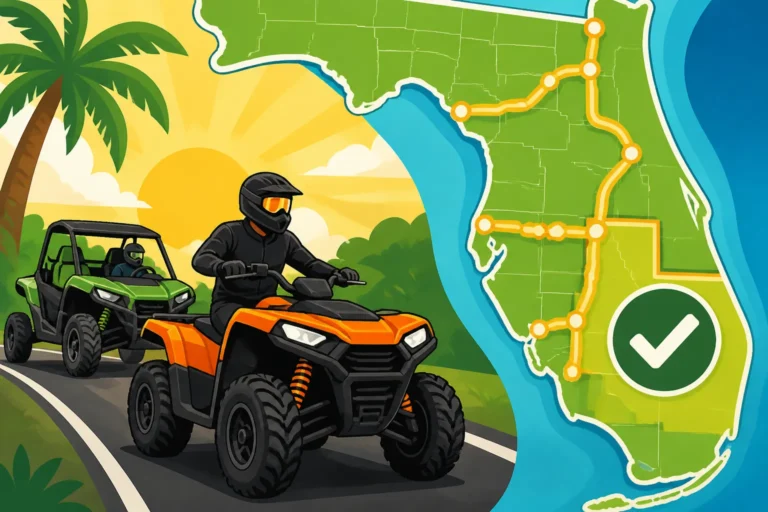
Florida law is very clear: ATVs and UTVs are primarily designed for off-road use. They are generally not street legal. This isn't just a suggestion; it's codified in statute, and local law enforcement takes it seriously. While there are a few very limited exceptions, like designated unpaved county roads or agricultural exemptions, these are the exception, not the rule. Most riders will find themselves in a bind if they try to ride on any typical street or highway.
Imagine you're heading out to the Ocala National Forest, a popular spot for off-road riding. If you tried to ride your quad from your home in Silver Springs just a few miles down State Road 40 to get to the trailhead, you'd be breaking the law. These machines lack the standard safety equipment required for street vehicles, like turn signals, proper headlights and tail lights for night use, and usually don't meet emissions standards for on-road operation. The frustration is real when you just want to get out and ride, but ignoring these rules can lead to significant penalties, including fines, impoundment of your machine, and even points on your driver's license if you're operating illegally. It's a bitter pill to swallow when your passion is so close, yet so far from legal access. Knowing these rules saves you a lot of heartache and expense down the line. You can learn more about the specifics in [Florida ATV Road Rules: Where You Can Legally Ride].
The Penalties for Illegal Road Riding
Getting caught riding an ATV or UTV on an unauthorized road in Florida can be more than just a slap on the wrist. We're talking about fines that can easily run into the hundreds of dollars, especially if multiple violations are stacked. For example, if your machine isn't titled (a separate requirement for public land riding, even if not for roads), that's another issue. Beyond the immediate financial hit, law enforcement can impound your ATV or UTV, leading to towing and storage fees that quickly add up. Retrieving your machine from an impound lot is a time-consuming and costly process that nobody wants to experience.
Think about the impact on your wallet and your day. Instead of enjoying a peaceful ride through a [Florida State Forest OHV Areas Explained], you're standing on the side of the road, watching your prized possession get loaded onto a tow truck. This isn't just an inconvenience; it can be a significant setback, potentially ruining a weekend trip and hitting you with unexpected expenses. It’s far better to invest in a proper trailer and ensure your journey to the trails is stress-free and legal. For a deeper dive into what you might face, check out [Florida ATV Ticket Cost for Illegal Road Riding].
Essential Gear for Securely Hauling Your Machine
Once you've accepted that trailering is the most responsible way to get your ATV or UTV to the fun zones, the next step is ensuring you have the right equipment. This isn't just about having a trailer; it's about having the right trailer and the right accessories to transport your machine safely and efficiently. Cutting corners here can lead to disaster on the highway, so it's worth investing in quality gear.
Choosing the Right Trailer for Your ATV or UTV
Selecting the appropriate trailer is paramount. You need a trailer that can handle the weight and dimensions of your specific ATV or UTV. A single ATV might fit on a smaller utility trailer, but a wider side-by-side or multiple quads will require something more substantial. Look for trailers designed for powersports vehicles, often featuring sturdy ramps, tie-down points, and adequate deck space.
Consider the Gross Vehicle Weight Rating (GVWR) of the trailer and ensure it exceeds the combined weight of your machine(s) and any gear you plan to haul. An overloaded trailer is a recipe for instability and potential accidents. Aluminum trailers are lighter, which can be easier on your tow vehicle's fuel economy, but they often come with a higher price tag. Steel trailers are robust and generally more affordable, though heavier. Don't forget about trailer size. While you want enough space, an unnecessarily large trailer can be cumbersome to maneuver and park. Think about how often you'll use it and for what specific machines.
Essential Tie-Down Straps and Securing Methods
Having a trailer is only half the battle; securing your ATV or UTV to it is just as critical. You'll need heavy-duty tie-down straps – not just any old bungee cords. Ratchet straps are generally preferred for their ability to provide significant tension and hold your machine firmly in place. Always use at least four straps, one for each corner of your ATV or UTV, crisscrossing them for added stability.
When securing, compress the suspension slightly. This prevents the machine from bouncing and loosening the straps during transit. Attach straps to solid points on the ATV or UTV frame, avoiding plastic components or handlebars that could bend or break. Some riders like to use wheel chocks or specific tire bonnets for extra security, which can be great additions, especially for longer hauls. Products from brands like SuperATV often include robust tie-down options or accessories like specialized wheel nets that integrate well with various trailer setups, giving you extra peace of mind. Double-check all connections before you hit the road, and make a habit of stopping a few miles down the road to re-check strap tension – straps can loosen as things settle.
Accessories for a Smoother Haul
Beyond the basic trailer and straps, a few accessories can significantly improve your hauling experience. A good set of trailer ramps, whether integrated or separate, makes loading and unloading much safer. Make sure they have adequate weight capacity and a non-slip surface. Many riders also invest in a spare tire for their trailer, as a flat on the road can be a huge headache.
Another smart addition is a high-quality hitch lock and coupler lock to prevent theft of your trailer and machine when parked. For those with larger UTVs, a winch mounted on the trailer can be a lifesaver if you ever need to load a disabled machine. Finally, consider a robust trailer jack with a wheel for easy maneuvering when unhitched. These small investments can save you a lot of frustration and make your trailering adventures much more enjoyable. Remember, a smooth haul starts with proper preparation.
Safe Trailering Practices for Florida Roads
Once your ATV or UTV is loaded and secured, the journey on Florida's roads begins. Safe trailering isn't just about avoiding accidents; it's about making the drive as stress-free and efficient as possible for both you and other drivers. Our state's highways, from bustling I-4 to more rural two-lane roads, demand careful attention when you're towing a load.
Pre-Trip Checks and Maintenance
Before you even pull out of your driveway, a thorough pre-trip inspection of your trailer and tow vehicle is essential. Start with your tires: check the pressure on both your tow vehicle and the trailer. Improper tire pressure can lead to blowouts or uneven wear. Inspect the tread for any signs of damage or excessive wear. Next, test all your trailer lights – brake lights, turn signals, and running lights. Non-functioning lights are not only illegal but extremely dangerous, especially on busy roads.
Lubricate your trailer's hitch and ensure the coupler is securely latched to the hitch ball. Safety chains should be properly crossed and attached to your tow vehicle. Check the brakes on your tow vehicle, and if your trailer has its own braking system, test that as well. Finally, give all your tie-down straps a final tug to confirm they are still tight. A quick walk-around before every trip can prevent major headaches down the road. This routine might seem tedious, but it's a non-negotiable step for safe travel. Don't forget to keep your tow vehicle properly maintained, too. A sudden breakdown is twice as complicated when you're towing a machine.
Driving with a Trailer: Tips for Florida Roads
Driving with a trailer is significantly different from driving just your vehicle. You need to adjust your driving habits to account for the increased length, weight, and reduced maneuverability. Here are some key tips for navigating Florida roads:
- Increase Following Distance: You'll need more time and distance to slow down and stop with a trailer. Double or even triple your usual following distance, especially in wet Florida weather or on highways where traffic can stop quickly.
- Wider Turns: Trailers cut corners. Always take wider turns, both left and right, to avoid hitting curbs, signs, or other vehicles. This is particularly crucial in tight parking lots or gas stations.
- Lane Changes: Plan your lane changes well in advance. Check your mirrors thoroughly and signal early. The longer your rig, the more space you'll need to move safely.
- Speed Management: While Florida highways have high speed limits, it's often wise to reduce your speed when towing, especially with a heavy load or in windy conditions. Excessive speed can lead to trailer sway, a dangerous situation where the trailer begins to oscillate uncontrollably.
- Hill and Mountain Driving (if applicable): While Florida isn't known for its mountains, you might encounter steeper ramps or bridge approaches. Downshift to maintain control and prevent overheating your brakes.
Remember to be patient and anticipate the actions of other drivers. Many drivers might not realize you're towing a large load and may cut you off or merge too closely. Your safety is paramount.
What to Do If Your Trailer Begins to Sway
Trailer sway is one of the most frightening experiences when towing, and it can happen quickly, especially with a powerful tow vehicle and a lighter trailer. It's when your trailer starts to oscillate side to side, becoming increasingly violent. If you experience sway, resist the urge to slam on your brakes or accelerate.
The correct response is counterintuitive: gently apply the trailer brakes only (if your setup has a separate brake controller) or slightly release the accelerator. This allows the rig to straighten itself out. Avoid steering sharply; make small, precise corrections to keep the vehicle in your lane. Once the sway subsides, slowly reduce your speed and find a safe place to pull over and inspect your load. Often, sway is caused by improper weight distribution (too much weight in the back of the trailer), insufficient tongue weight, or excessive speed for the conditions. After checking everything, proceed with caution and at a reduced speed. Investing in a good weight distribution hitch with sway control can greatly mitigate this risk. Many SuperATV owners also invest in heavy-duty components for their tow vehicles or trailers, enhancing stability.
Choosing the Right Trailhead and Making the Most of Your Trip
Once you've mastered the art of safe trailering, the real fun begins: hitting the trails! Florida offers a diverse range of riding experiences, from the sandy scrub of the Ocala National Forest to the muddy bogs of private parks. Knowing how to choose your destination and prepare for it will make all the difference in your off-road adventure.
Researching Florida's Public and Private Riding Areas
Florida has a fantastic variety of places to ride, but each has its own rules, fees, and terrain. Public lands, like the Ocala National Forest ATV Trails in Florida or the [Croom Motorcycle Area: Florida's Biggest OHV Park], are managed by state or federal agencies. They often require permits or day-use fees, adhere to strict operating hours, and have rules about machine width, noise, and safety gear like helmets. Always check their official websites or call ahead for current conditions and regulations. For instance, Croom is known for its 55-inch width restriction, which means many modern side-by-sides are too wide.
Private parks, like Hog Waller ATV Resort or Redneck Mud Park, operate differently. They typically charge per person or per machine, have specific event weekends, and might offer amenities like camping hookups and washdown stations. Their rules can be a bit more flexible regarding machine modifications, but safety is still paramount, and they often require waivers. You'll find a wide array of options from the [Florida Mud Parks: Where Riders Actually Go] to more technical single-track trails. Matching the terrain to your machine and skill level is key to an enjoyable outing.
| Riding Area Type | Ownership/Management | Typical Fees | Key Considerations |
|---|---|---|---|
| State Forests | Florida Forest Service | Day-use or Annual Pass | Specific OHV trails, often width restrictions, helmets mandatory, operating hours, some allow camping. |
| National Forests | U.S. Forest Service | Day-use or Annual Pass | Designated OHV trails, often require safety course for minors, helmets mandatory, diverse terrain. |
| Private Mud Parks | Commercial | Per person/machine, Event Passes | Open riding areas, mud bogs, specific events, often allow camping, varied rules, waivers required. |
| Private Resorts | Commercial | Per person/machine, Packages | Guided tours, rental machines, diverse trails, sometimes accommodate wider UTVs, amenities. |
Packing Essentials for a Florida Trail Day
A successful day on the trails requires more than just your ATV or UTV. The Florida environment, with its heat, humidity, and potential for sudden storms, demands careful preparation. Always pack plenty of water and snacks to stay hydrated and energized. A small first-aid kit is non-negotiable; scrapes and minor injuries are common.
Beyond personal needs, bring essential tools for your machine. A tire repair kit, a small air compressor (many are 12V and run off your machine's battery), and basic tools like wrenches, pliers, and a multi-tool can save you from being stranded. A powerful flashlight or headlamp is crucial if you end up out after dark, even if you plan to be back before sunset. Don't forget your phone (fully charged!) and possibly a portable charger, but also understand that cell service can be spotty in remote areas. A map of the riding area and a compass (or a GPS device) are always good backups. Finally, ensure you have your [Florida OHV Permits: What You Need Before You Ride] and proof of ownership, as rangers or park staff may ask to see them. For longer rides, consider bringing a small cooler with ice to keep drinks cold, or even a dry bag for electronics and extra clothing.
Post-Ride Cleanup and Maintenance
After a fantastic day of riding, the adventure isn't quite over. Proper post-ride cleanup and maintenance are vital for preserving your machine and ensuring it's ready for the next outing. Florida mud and sand can be particularly corrosive if left to sit.
Start by thoroughly washing your ATV or UTV. Remove all mud, sand, and debris from the frame, engine, suspension, and wheels. A pressure washer can be effective, but be careful around sensitive components like electrical connections and bearings. Once clean, allow your machine to dry completely. Inspect for any damage incurred during the ride – bent components, torn boots, or loose bolts. This is the time to spot small issues before they become big problems. Lubricate chains (if applicable) and any pivot points. Check fluid levels and top off if necessary. A quick oil change after several heavy rides is also a good idea. This routine maintenance not only extends the life of your machine but also ensures it performs optimally on your next thrilling Florida adventure.
Disclaimer
This article is for general informational purposes only and does not constitute professional advice. Laws, prices and regulations vary by location and change over time. Consult a qualified professional for guidance on your specific situation.