Canal Roads and Levees Under Florida ATV Law
For many ATV and UTV enthusiasts in Florida, the sight of wide-open canal roads and expansive levees can feel like an invitation to adventure. These often unpaved, winding paths stretch for miles, offering tempting views and the promise of quiet, unobstructed riding far from the usual hustle and bustle. It's easy to look at them and think, "Surely, these are fair game for a ride," especially when they appear remote and unmarked. However, making that assumption can quickly land you in a heap of legal trouble, significant fines, and even put your machine at risk of impoundment. Understanding the specific laws and jurisdictions governing these unique Florida landscapes is crucial for any rider hoping to stay on the right side of the law and protect our state's vital infrastructure. This guide will meticulously unpack the complexities of Florida ATV law as it applies to canal roads and levees, helping you navigate these tempting but often forbidden territories with knowledge and confidence.
The Allure and Ambiguity of Florida's Canal Roads and Levees for ATV Riders
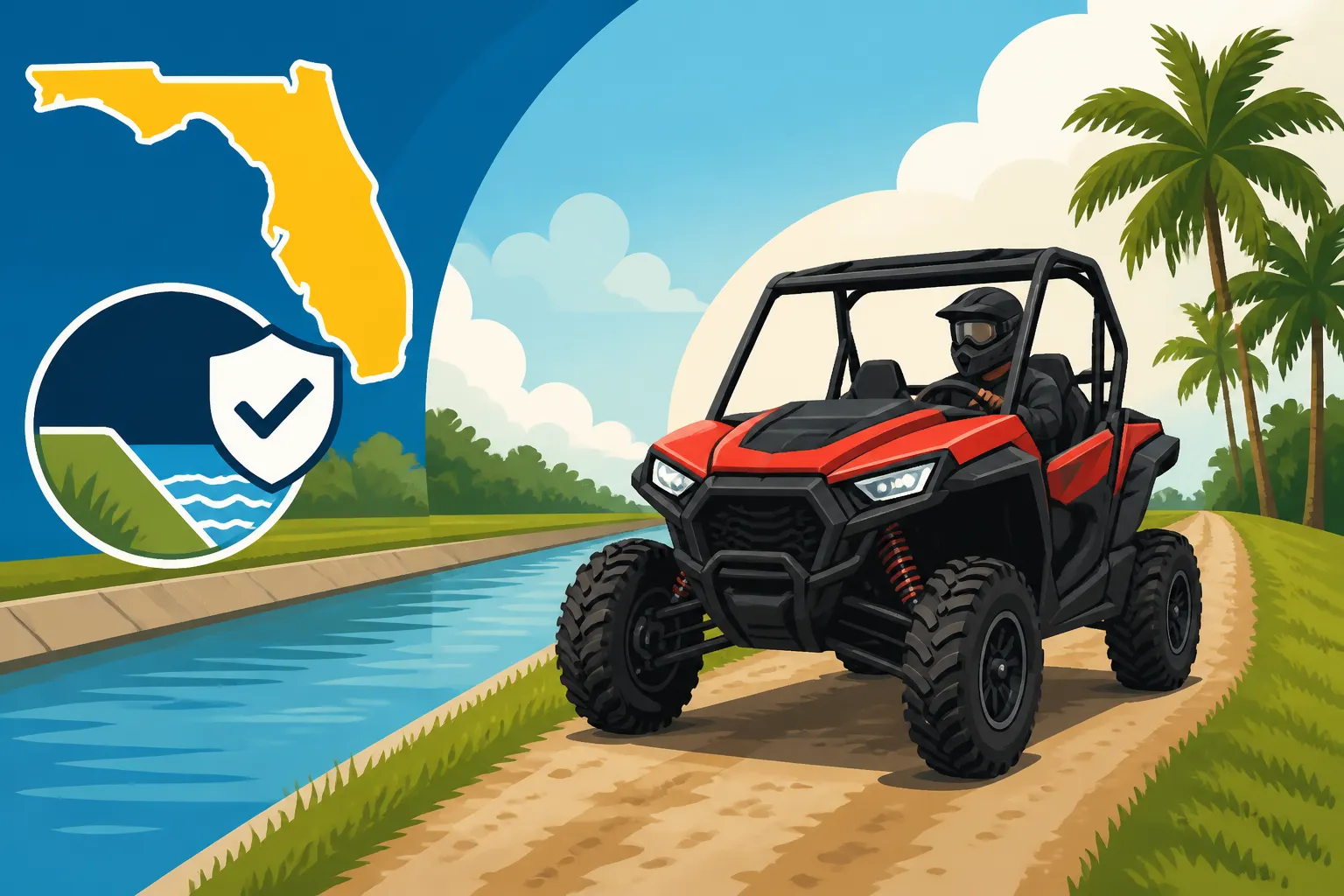
Florida's landscape is crisscrossed by an intricate network of canals, drainage ditches, and the raised earthen berms known as levees. These features are critical components of our state's water management infrastructure, built and maintained to control flooding, manage water levels for agriculture, and protect communities from seasonal rains and hurricanes. For the ATV and UTV rider, their appearance often sparks immediate interest. They are typically unpaved, offering a natural surface that feels purpose-built for off-road machines. They snake through remote areas, past fields, marshes, and sometimes even suburban edges, seemingly offering a direct route to unexplored territory.
The appeal is undeniable. Imagine a cool morning, the mist still clinging to the water, and a long, straight levee stretching out before you, calling for a leisurely ride. Or perhaps a winding canal road, providing a scenic backdrop for a spirited afternoon on your quad or side-by-side. It’s a vision that aligns perfectly with the spirit of off-road adventure—freedom, open space, and a connection with Florida’s unique environment. This perceived freedom, however, is often a mirage, based on a fundamental misunderstanding of ownership, purpose, and public access.
Why These Paths Are So Tempting for Off-Roaders
From a rider's perspective, canal roads and levees check all the boxes for a great outing. They are often less trafficked than designated trails, promising solitude and a chance to truly "get away." The natural terrain—whether hard-packed dirt, sandy stretches, or grassy shoulders—is exactly what ATVs and UTVs are designed to conquer. They rarely have physical barriers at their access points, or if they do, those barriers are often open or easily circumvented, further fueling the illusion of public access. Without clear "No Trespassing" signs or frequent enforcement, many riders simply assume that if it's open, it must be okay.
Furthermore, many riders are used to the idea that unpaved roads, in certain contexts, are fair game for ATVs. They might mistakenly conflate a rural county dirt road, which may have specific rules for ATV use, with a canal road or levee, which falls under a completely different legal umbrella. This conflation is a major source of the ambiguity and subsequent legal issues. The sheer number of these paths across Florida also contributes to the problem; they are so ubiquitous that they become part of the natural mental map for anyone looking for a place to ride.
The Critical Misconception: Public Access vs. Public Benefit
Here's where the rubber meets the road, so to speak. While these canals and levees often serve a "public benefit" by protecting communities from flooding or supplying water for agriculture, that does not automatically translate into "public access" for recreational vehicles. The land beneath and around these structures is typically owned or managed by specific entities such as Florida's Water Management Districts (WMDs), the U.S. Army Corps of Engineers, local drainage districts, or even private landowners. Their primary purpose is infrastructure maintenance and water management, not recreation.
The paths that run alongside them, the very "roads" that tempt riders, are primarily access roads for maintenance crews, heavy machinery, and authorized personnel. They are not intended for general public use by ATVs or UTVs. The assumption that because they exist in a "public space" or serve a "public good" they are open to all forms of recreation is a dangerous one and forms the core of many trespassing incidents. Understanding this distinction is the first critical step in avoiding legal entanglements while exploring Florida's beautiful, but legally intricate, landscape.
Deciphering the Legal Status: Public Access vs. Private Property
When it comes to Florida's ATV laws, especially concerning places like canal roads and levees, the biggest hurdle for riders is often determining who owns the land and what rules apply. It's not as simple as paved vs. unpaved. The distinction between public thoroughfares, privately owned lands, and specific easements is paramount. Many riders wrongly assume that because a path is unpaved and seemingly leads nowhere in particular, it must be public access. This is a common and often costly mistake.
Florida statutes are quite clear that ATV use on public roads is generally restricted, with limited exceptions for certain unpaved county or municipal roads, and then only under very specific conditions like daylight hours, helmet use for minors, and sometimes licensed drivers. Beyond these designated public road exceptions, ATV use falls squarely into private property rules. This means if the land isn't specifically designated for public ATV riding, or it's not a sanctioned unpaved road, it's essentially private property, and you need permission. This is especially true for canal roads and levees, which are almost universally not public roads. [Florida's Off-Highway Vehicle Title Law Explained] touches on the broader legal framework.
Water Management Districts (WMDs) and Their Jurisdiction
A significant portion of Florida's canals and levees falls under the jurisdiction of one of the five major Water Management Districts (WMDs): Northwest Florida, St. Johns River, Suwannee River, Southwest Florida, and South Florida. These districts are governmental agencies tasked with protecting and managing water resources. The land they control, including the levees and access roads, is critical for their operations—monitoring water levels, maintaining flood control structures, and ensuring water quality.
For the most part, riding ATVs or UTVs on WMD lands, including their canal roads and levees, is strictly prohibited unless specifically designated otherwise. These areas are working lands, often with heavy equipment operating, sensitive environmental features, and vital infrastructure that could be damaged by unauthorized vehicle use. While some WMDs might offer specific recreational opportunities like hiking or fishing in certain areas, this rarely extends to unrestricted ATV or UTV riding. Riders must always check the specific rules for the particular WMD and piece of land they are interested in. Without explicit, written permission or clear signage indicating permitted use, consider these areas off-limits for your machine.
The Concept of Easements and Rights-of-Way
Complicating matters further are easements and rights-of-way. Sometimes, a canal or levee might traverse what appears to be private property. However, the WMD or another entity might hold an easement—a legal right to use a portion of someone else's land for a specific purpose, like maintaining a canal or levee. Even if the underlying land is privately owned, the easement grants the WMD control over that specific strip of land and its access roads. This means that even if a private landowner has given you permission to ride on their larger property, you may still be trespassing if you venture onto the levee or canal road portion that falls under a WMD easement, unless the WMD itself has granted permission.
It's a nuanced distinction that often trips up even well-intentioned riders. Always remember that an easement is a specific grant of use, and generally, that use does not include recreational ATV riding for the general public. Furthermore, private landowners themselves often own segments of canals and levees that run through their property. In such cases, these are unequivocally private land, and riding them without explicit permission from the landowner is straightforward trespassing. This highlights the absolute necessity of obtaining clear, preferably written, permission before venturing onto any canal road or levee. Simply put, if you don't have proof of permission, you don't belong there with your ATV. [Can You Ride an Untitled ATV on Private Land in Florida] delves deeper into these private land permissions.
Consider the potential for damage to these vital structures. Riding an ATV, especially one with specialized tires for mud and rough terrain, can cause significant erosion on unpaved levee banks. These structures are engineered for stability, and unauthorized vehicle traffic, particularly in wet conditions, can compromise their integrity. The cost of repairing such damage falls on the taxpayers or the private entities responsible for maintenance. This is a primary reason why access is so restricted and why penalties for unauthorized use are often severe. [Written Permission Slips Worth Carrying] is highly recommended for anyone riding on private land.
| Feature | Typical Ownership/Management | Primary Purpose | Public ATV Access (General Rule) |
|---|---|---|---|
| Canal Roads | Water Management Districts, Private Landowners, Drainage Districts | Maintenance, Water Control, Agricultural Access | No (unless specifically permitted) |
| Levees | Water Management Districts, U.S. Army Corps of Engineers, Private Landowners | Flood Control, Water Containment, Infrastructure | No (unless specifically permitted) |
| County Dirt Roads | County Government | Public Transportation, Local Access | Limited (specific rules apply) |
| Private Farm Roads | Private Landowner | Agricultural Operations, Private Access | No (unless landowner permits) |
This table illustrates that while many unpaved paths exist, only a very specific category, county dirt roads, might allow limited ATV access, and even then, under strict conditions. Canal roads and levees fall under a different, much more restrictive category.
The Serious Risks and Repercussions of Unauthorized Levee and Canal Road Riding
The thrill of finding a seemingly open stretch of canal road or levee can be intoxicating, but the consequences of riding without permission in these areas are far from exhilarating. Beyond the immediate legal trouble, there are significant environmental and safety hazards that often go unconsidered until it's too late. Florida takes its water management infrastructure very seriously, and unauthorized access is not treated lightly.
Legal Penalties: Trespass, Impoundment, and Fines
The most immediate and direct consequence of riding on restricted canal roads or levees is facing legal charges. In most instances, this will be a trespassing charge, which can range from a misdemeanor to a felony depending on the specifics, previous offenses, and whether any damage occurred. Trespassing often comes with hefty fines that can quickly add up, easily reaching hundreds or even thousands of dollars. Imagine being out for a fun ride, only to return home with a citation that drains your wallet.
Even worse, law enforcement has the authority to impound your ATV or UTV. [Florida ATV Impound After a Road Violation] details how this can happen. This means your machine is towed away, and you'll be responsible for impound fees, storage fees, and potentially other charges before you can even attempt to get it back. These costs can quickly eclipse the value of your machine, turning a momentary lapse in judgment into a financial nightmare. Furthermore, repeated offenses or significant damage can lead to more severe penalties, including potential jail time in extreme cases. Law enforcement patrolling these areas, whether local sheriff's deputies or Water Management District officers, are well aware of the common temptation these paths present to riders and are often on the lookout for unauthorized vehicles. [Florida Penalties for Illegal ATV Road Riding] offers a broader look at the consequences of illegal riding.
Environmental Impact and Infrastructure Damage
Florida's canals and levees are not just dirt paths; they are engineered structures designed to protect communities and manage a delicate ecosystem. Unauthorized ATV and UTV use can cause significant damage. Tire ruts, especially from aggressive mud tires or in wet conditions, can lead to severe erosion of the levee banks, compromising their structural integrity. This erosion can weaken the levee, making it more susceptible to breaches during heavy rains or flood events, which could have catastrophic consequences for nearby properties and natural habitats.
Beyond erosion, off-road vehicles can disturb sensitive wetlands and habitat areas that often border these waterways. Many species of Florida wildlife, including birds, reptiles, and amphibians, depend on these environments. Your machine can compact soil, destroy vegetation, and disrupt breeding grounds. The introduction of invasive species through mud clinging to your tires is another serious concern. WMDs and other managing entities invest substantial resources into maintaining these structures and the surrounding environment, and unauthorized use directly undermines these efforts.
Significant Safety Hazards
Beyond the legal and environmental risks, riding on canal roads and levees poses considerable safety hazards that many riders overlook. These paths are not designed for recreational speeds or maneuvers. They often have hidden dangers:
- Unstable Surfaces: Levees, in particular, can have steep, unstable slopes or soft shoulders that can easily cause a rollover, especially for an ATV.
- Maintenance Equipment: You might suddenly encounter heavy machinery like tractors, mowers, or excavators that are working on or near the levee. These operators may not expect recreational vehicles and could have limited visibility, creating dangerous collision risks.
- Hidden Obstacles: Debris, unseen drop-offs into canals, washouts, and other hazards are common. Unlike designated trails, these areas are not maintained with recreational safety in mind.
- Remote Locations: Many canal roads and levees are in remote areas with poor cell phone service. If you have an accident or breakdown, getting help can be incredibly difficult and time-consuming, turning a minor incident into a serious emergency.
- Water Hazards: The proximity to canals and deep ditches presents obvious drowning risks, especially if a machine goes off course or a rider is thrown into the water.
It's easy to dismiss these risks when the sun is out and the path looks clear, but the potential for serious injury or even worse is very real. The appeal of a quiet, open road quickly fades when you're facing a broken bone, a submerged machine, or a hefty fine.
Finding Legal and Safe Riding Havens in the Sunshine State
The good news is that Florida offers a fantastic array of legal and safe options for ATV and UTV riders, providing plenty of adventure without the legal risks associated with canal roads and levees. Rather than risking fines, impoundment, or environmental damage, direct your passion for off-roading to the places specifically designed and permitted for it. These designated areas not only keep you legal but also often provide a better riding experience with maintained trails, facilities, and a community of fellow enthusiasts.
Public Riding Areas: State Forests and National Forests
Florida is home to several incredible public riding areas within its State Forests and National Forests. These areas are managed by the Florida Forest Service or the U.S. Forest Service and offer extensive trail systems for ATVs and UTVs. Places like the Croom Motorcycle Area in the Withlacoochee State Forest, the Ocala National Forest, and Clear Creek OHV Area in Blackwater River State Forest provide hundreds of miles of diverse terrain, from sandy whoops to technical trails. [Florida ATV Trails: Every Public Riding Area] offers a comprehensive overview.
- Croom Motorcycle Area: Located near Brooksville, Croom is one of Florida's largest and most popular OHV parks. It offers a wide variety of trails suitable for all skill levels, from open sand tracks to tighter woods trails. There are even dedicated youth riding areas. You'll need a day-use or annual pass to ride here, and there are rules regarding machine width, especially for UTVs. [Croom Motorcycle Area: Florida's Biggest OHV Park] provides more details.
- Ocala National Forest: Within the Ocala National Forest, you'll find extensive trail networks like the Centennial Trail and designated OHV areas. The riding here is predominantly sandy, challenging riders with deep sugar sand and whoops. It's a vast area, so make sure you have maps and understand the specific areas open to OHVs. [Ocala National Forest ATV Trails in Florida] can guide you further.
- State Forest OHV Areas: Beyond Croom, Florida's State Forests offer other OHV opportunities, each with its own unique character. These are fantastic places to experience different parts of Florida's natural beauty legally and responsibly. [Florida State Forest OHV Areas Explained] outlines these options.
Before you head out to any of these public lands, it's absolutely essential to check their specific rules, operating hours, and permit requirements. You'll need an OHV pass, which can be purchased online or at self-pay kiosks. Remember, these passes are per vehicle, not per rider, and have specific expiration dates. [Florida OHV Permits: What You Need Before You Ride] explains how to secure your necessary permits. Equipping your machine with quality accessories from brands like SuperATV can enhance your experience on these rugged trails, whether you're adding heavy-duty tie rods for durability or a winch for recovery in challenging terrain.
Private Riding Parks and Mud Parks
For those who enjoy a more structured or extreme riding experience, Florida also boasts numerous private riding parks and dedicated mud parks. These facilities are built specifically for off-road recreation and often offer amenities like camping, wash stations, and even organized events.
- Mud Parks: Places like Hog Waller ATV Resort in Palatka or Redneck Mud Park near Punta Gorda are legendary for their vast mud holes, challenging obstacle courses, and lively event weekends. These parks are purpose-built for extreme off-roading, with plenty of space to get dirty and push your machine to its limits. [Florida Mud Parks: Where Riders Actually Go] explores these popular destinations. Many riders upgrade their machines with SuperATV lift kits and portal gear lifts to handle the deep mud and water crossings common at these parks, along with robust protection like A-arm guards.
- Other Private Parks: Some private parks cater to a mix of riding styles, offering trails, tracks, and open areas. These are often great for family outings or for those looking for a diverse experience in a controlled environment.
When visiting private parks, be aware that they will have their own specific rules regarding helmets, age limits, passenger policies, and often require waivers. Always check their websites or call ahead for the most current information. While these parks are a blast, remember that safety gear is paramount.
The Importance of Knowing the Rules and Staying Informed
No matter where you choose to ride legally, the golden rule remains: know before you go. This means:
- Check Regulations: Always confirm the current rules for the specific riding area, as they can change due to weather, logging operations, or other factors. Websites for the Florida Forest Service, U.S. Forest Service, or individual private parks are your best resource.
- Permits and Passes: Ensure you have all necessary permits or passes displayed correctly and that they are valid. [Riding Public Land as the Trigger for a Title] reminds us of the connection between legal ownership and public land access.
- Safety Gear: Always wear appropriate safety gear, including a helmet, eye protection, long pants, and closed-toe shoes.
- Machine Readiness: Ensure your ATV or UTV is in good working order, has a spark arrestor (often required on public lands), and is properly equipped for the terrain.
- Respect the Environment: Stay on marked trails, pack out what you pack in, and minimize your environmental impact.
By focusing your adventures on these designated and legal riding areas, you can enjoy all the excitement and freedom that Florida's off-road scene has to offer, without the stress of legal repercussions or the danger of damaging vital infrastructure. Investing in your machine with reliable components from SuperATV, such as upgraded suspension or lighting, not only prepares you for these adventures but also ensures you're ready for the challenges of legitimate off-road trails. There’s a world of incredible, legal riding waiting for you; you just need to know where to find it.
Disclaimer
This article is for general informational purposes only and does not constitute professional advice. Laws, prices and regulations vary by location and change over time. Consult a qualified professional for guidance on your specific situation.