Written Permission Slips Worth Carrying
Riding your ATV or UTV across Florida's diverse landscapes can be an incredible experience, but the thrill can quickly turn to anxiety when you're unsure about land access. One of the biggest fears for many riders is inadvertently trespassing or being confronted by a landowner or law enforcement without clear proof of your right to be there. This guide will delve into the critical importance of carrying written permission slips and what they should include to keep your adventures legal and stress-free.
Why a Piece of Paper Matters More Than You Think on Florida Lands
It’s a common scenario: you’re out exploring, maybe following an old trail that seems to lead onto what looks like unmaintained, open land. You might assume it's public or simply nobody cares if you ride there. However, in Florida, that assumption can land you in serious legal trouble. A simple piece of paper – a written permission slip – can be the difference between a pleasant ride and a hefty fine, or even having your machine impounded.
The Legal Landscape of Private Property and OHV Use in Florida
Florida's trespass laws are pretty straightforward: if you don't have explicit permission to be on private land, you're trespassing. This isn't just about fenced-off pastures or clearly marked "No Trespassing" signs. Even seemingly abandoned fields, remote logging roads, or tracts of undeveloped land are almost certainly owned by someone. The owner of that property has the right to determine who can and cannot be there. Ignorance of who owns the land is rarely considered a valid excuse in the eyes of the law.
Imagine you've been riding a certain path for years, believing it to be a public easement or just "open." One day, a new property owner buys the land and immediately calls the sheriff. Without a written agreement, your years of riding there mean nothing. You could face a second-degree misdemeanor for trespass, leading to fines, court costs, and a criminal record. For a private landowner, the presence of ATVs and UTVs can be seen as a liability risk, a nuisance, or even a threat to their property or livestock. They might be quick to involve law enforcement, and without proof of permission, you're immediately on the defensive. This is why just having a verbal "go ahead" from a friend can be insufficient – if that friend isn't the actual landowner, or if they change their mind, you're out of luck.
Protecting Yourself and Your Machine
Beyond avoiding legal entanglements, a well-drafted permission slip offers a layer of protection in various other unforeseen circumstances. Consider this: you're riding with a friend on a vast private ranch with permission, and your ATV breaks down far from the main road. If a local resident or another property manager spots you and questions your presence, a written slip immediately validates your story and prevents a misunderstanding from escalating. Without it, you might find yourself explaining your situation to a skeptical deputy while your broken-down machine sits vulnerable.
Furthermore, in the unfortunate event of an accident on private land, a written permission slip clarifies that you were lawfully present. This could be crucial for insurance claims or even just for emergency services to understand the context of your situation. It demonstrates responsibility and due diligence on your part. An authorized presence can also prevent the hassle of impoundment – law enforcement might be less likely to seize a machine if you can immediately produce clear documentation showing you have permission to be there. This small administrative step saves you potentially days of headaches and hundreds of dollars in impound fees, not to mention the stress of retrieving your valuable [Florida Off-Highway Vehicle Title Rules Explained] machine.
What a Comprehensive Permission Slip Should Include
Okay, so you understand why you need one. But what exactly should this magical piece of paper contain to make it truly effective? This isn't just about scribbling "I can ride here" on a napkin. A proper permission slip needs to be detailed and clear, leaving no room for ambiguity.
Essential Information for Any Permission Slip
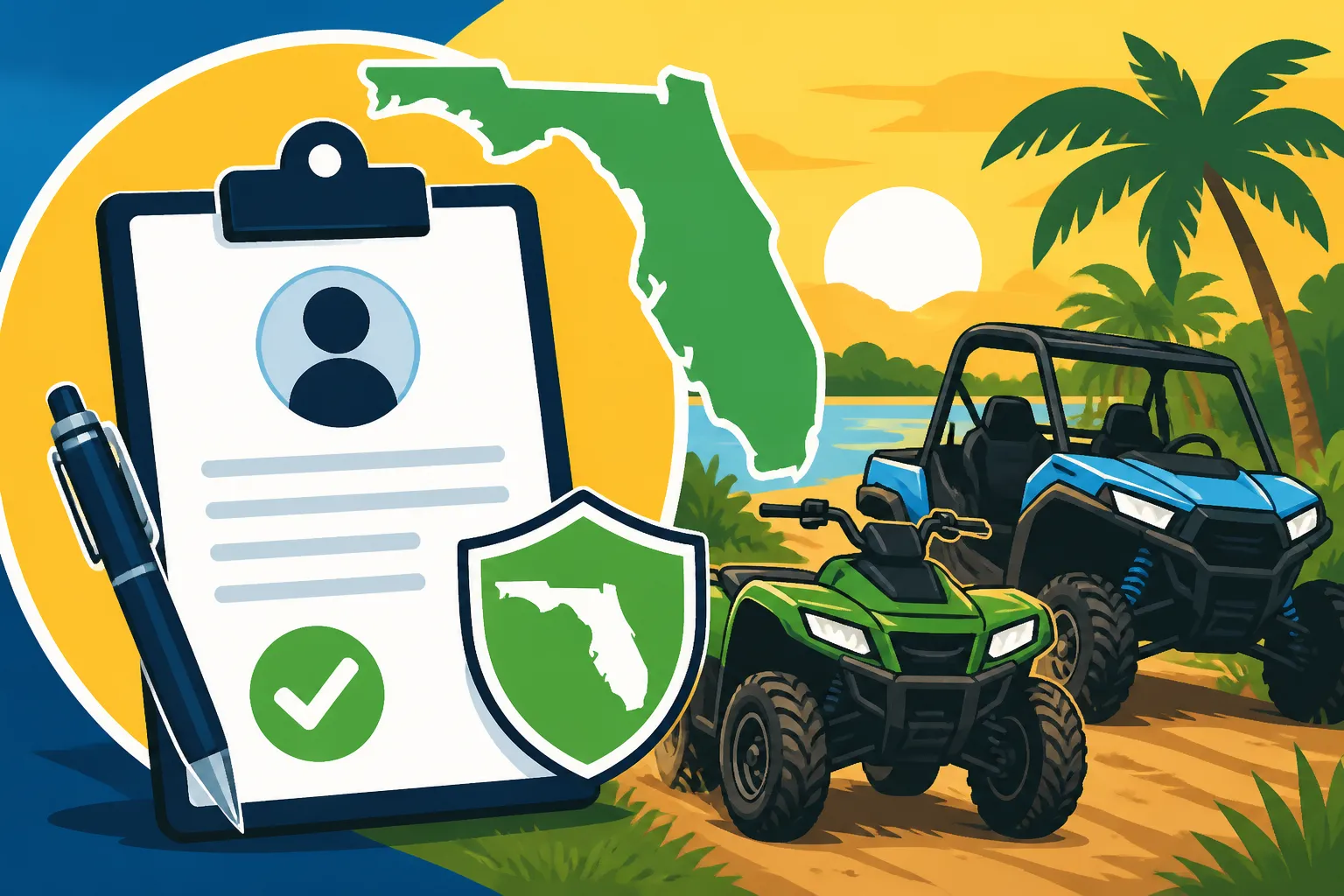
First and foremost, any permission slip needs to clearly identify all parties involved. This means the full legal name and contact information (phone number, email, address) of the landowner or authorized property manager granting permission, as well as the full legal name and contact information of the rider(s) to whom permission is granted. If you're riding with a group, ideally every rider should be named, or the slip should explicitly state that the named individual can bring a specified number of guests.
Next, the slip must precisely describe the property in question. A street address is a good start, but even better is a legal description or parcel identification number, which can be found on property tax records. This ensures there's no confusion about which land you're permitted to ride on, especially if the landowner owns multiple parcels. The dates of permission are also critical: specify a start date and an end date. Is it a one-day pass? A weekend? An entire year? "Ongoing" or "indefinite" can lead to problems if the landowner later changes their mind. Finally, explicitly state what type of activity is permitted – "Riding ATVs/UTVs," for example – and identify the specific machines by make, model, and VIN if possible. This detail ensures you aren't accused of using the land for something else entirely.
Beyond the Basics: Important Clauses to Consider
While the essentials cover the basics, you can strengthen your permission slip even further by including some additional clauses. For instance, a liability waiver or indemnification clause can protect the landowner from being sued if you get injured on their property. This might sound intimidating, but it often makes landowners more comfortable granting access. It clearly states that you understand and accept the risks associated with riding and that you won't hold them responsible for accidents that aren't their fault.
Consider clauses that define specific areas of the property where riding is allowed or, equally important, not allowed. Perhaps certain fields are off-limits due to crops or livestock, or specific trails are designated for OHV use only. If you're using your UTV for property work, such as hauling materials or checking fences – perhaps with robust cargo beds or winches from SuperATV – the slip should explicitly state that such activities are permitted. This is especially useful if your machine is equipped for utility tasks and not just recreation. You might also want to include any specific rules the landowner has, such as speed limits, noise restrictions, or requirements to close gates behind you. A well-written slip gives everyone peace of mind and ensures both parties understand the boundaries of the agreement. For instance, if you're riding on ranch lands, the landowner might specify that you must avoid certain watering holes or pasture areas during specific times.
Navigating Specific Florida Land Types and Obtaining Permission
Florida's land ownership is a patchwork, and the process of getting permission can vary greatly depending on who owns the land. Understanding these differences is key to a successful and legal ride.
Private Ranch, Farm, and Timber Company Roads
These are perhaps the most common types of private land where ATV and UTV riders seek access, especially in the more rural parts of Florida. Approaching a private landowner can feel daunting, but a polite, respectful, and prepared attitude goes a long way. Start by introducing yourself and clearly explaining why you'd like to ride on their property. Many landowners are open to the idea, especially if you offer to help them out in return. Perhaps you can check fence lines, help clear fallen branches after a storm, or simply offer to report any suspicious activity you see on their property. This creates a mutually beneficial relationship.
Be prepared for specific restrictions. A rancher might allow you to use certain trails but forbid you from entering pastures where cattle are grazing. A timber company might permit access to logging roads but require you to stay clear during active harvesting operations or hunting seasons. Always ask about these details and ensure they are written into your permission slip. These landowners often have a deep understanding of their property and can guide you to areas that are safe and appropriate for OHV use. Remember, their primary concern is the integrity and safety of their land and operations. Sometimes, even just helping to keep a road clear of debris, using a durable grab handle from SuperATV on your UTV, can show your commitment to being a responsible visitor. For those interested in what laws might apply to these types of lands, you can often find more details in articles like [Florida Agricultural Property ATV Exceptions].
Water Management District and Conservation Lands
These lands are often publicly owned but managed by specific state or regional agencies like Florida's Water Management Districts (WMDs) or the Florida Fish and Wildlife Conservation Commission (FWC). Access to these areas is typically governed by formal permitting systems, not individual permission slips. Trying to get a "permission slip" from an employee on site might not cut it; you usually need an official, agency-issued permit.
These permits often come with specific fees, application processes, and usage restrictions. For example, some WMD lands might have designated multi-use trails that require a permit obtained online or from a regional office. These permits usually specify the allowed dates, times, types of vehicles, and even the exact trails you can use. Always check the specific agency's website for the most current information and application procedures. Relying on an informal agreement or a casual conversation will almost certainly lead to trouble with rangers who are well-versed in their property's regulations. It's crucial to understand that these lands are often managed for environmental conservation, water resources, or wildlife protection, so regulations are typically strict. You can learn more about these specific permits by checking resources like [Florida Water Management District Riding Permits].
Easements and Utility Corridors
Riding on easements and utility corridors (like those under power lines or alongside pipelines) can be particularly complex. While a utility company might have the right to access these strips of land, they often don't own the underlying property. The actual landowner retains rights, and you'll typically need their permission, not just the utility company's, to ride there. Even if the utility company says it's fine for their workers, that doesn't extend to recreational riders.
It's common for property owners to be frustrated by riders who assume easements are public access. They might have crops, fences, or even septic systems near these corridors. Before you even think about riding on an easement, identify the actual property owner through county property appraiser records and seek their explicit, written permission. Never assume that because it's an open strip of land under power lines, it's fair game. This is a prime example where "implied permission" is not only dangerous but almost always incorrect. The same goes for old railroad beds or abandoned canal roads – always research the land ownership and seek proper authorization.
Practical Tips for Carrying and Presenting Your Permission Slip
Having a beautifully crafted permission slip is only half the battle. You need to carry it correctly and know how to present it effectively when the time comes.
Physical vs. Digital Copies and Storage
When it comes to carrying your permission slip, redundancy is your friend. Ideally, you should have both a physical copy and a digital version. For the physical copy, laminate it or keep it in a waterproof, sealed bag or case. Riding in Florida means encountering mud, rain, and humidity, so protecting your document is essential. Keep it somewhere easily accessible on your machine, perhaps in a glove box, a secured storage compartment (like a durable SuperATV cargo box), or even in a waterproof pocket on your person.
For digital copies, take clear, high-resolution photos or scans of the slip and save them to your smartphone. Consider uploading them to a cloud storage service like Google Drive or Dropbox, so you can access them even if you lose your phone. Also, email a copy to yourself and a trusted friend or family member. This way, if your phone dies or gets damaged, you still have backups. However, remember that cell service can be spotty in remote Florida riding areas, so a physical copy should always be your primary plan.
When and How to Present It
The moment you're approached by a landowner, property manager, or law enforcement officer, the first rule is to remain calm, polite, and cooperative. Immediately make it clear that you are willing to comply with any requests and that you believe you are on the land lawfully. State clearly, "I have written permission to be here," and then, without hesitation, present your permission slip.
Have it readily accessible, so you're not fumbling through gear for several minutes. A neatly presented, clear document immediately sets a professional tone. If the individual seems skeptical, politely offer to let them call the landowner using the contact information provided on the slip. Most law enforcement officers, upon seeing a legitimate, detailed permission slip, will appreciate your preparedness and move on. Remember, you're looking to de-escalate the situation and prove your legitimacy, not argue. Your goal is to show undeniable proof that you are not trespassing.
| Land Type | Type of Permission Needed | Key Information to Include (Slip) | Things to Consider |
|---|---|---|---|
| Private Ranch/Farm | Written Permission Slip from Landowner | Landowner/Rider Names & Contacts, Property Address/ID, Dates, Vehicle Info | Liability Waiver, Specific Allowed Areas, Farm Rules, Mutual Benefits |
| Timber Company Land | Written Permission Slip/Formal Permit | Landowner/Rider Names & Contacts, Property Address/ID, Dates, Vehicle Info | Operational Restrictions, Hunting Season Closures, Designated Roads |
| Water Mgmt. District | Official Agency-Issued Permit (often online) | Permit Number, Dates, Designated Trails, Agency Contact | Specific Regulations, Fees, Online Application Process, No Individual Slips |
| Utility Corridors/Easements | Written Permission from Underlying Landowner | Landowner/Rider Names & Contacts, Property Address/ID, Dates, Vehicle Info | Adjacent Property Owner Rights, Utility Company Access, Clear Boundaries |
Disclaimer
This article is for general informational purposes only and does not constitute professional advice. Laws, prices and regulations vary by location and change over time. Consult a qualified professional for guidance on your specific situation.