A Florida Bill on Signalized Intersections
Navigating Florida's diverse landscapes on an ATV or UTV offers unparalleled freedom and exhilaration, but it often comes with a significant headache: the complex, often frustrating, rules around road access, especially when it comes to paved roads and busy intersections. Many riders feel caught in a bind, wanting to connect trails or access fuel without breaking the law, only to find themselves facing a patchwork of local ordinances and state statutes that make simple crossings feel like a legal minefield. This guide aims to demystify the discussions around potential legislative changes, specifically addressing the concept of a Florida bill concerning signalized intersections, and offer clarity on navigating these challenges.
The Complexities of Florida's Road Rules for OHVs
Florida has a unique relationship with off-highway vehicles (OHVs), recognizing their recreational value while strictly regulating their interaction with public roads. The current framework often leaves riders feeling restricted, forced to trailer their machines for even short distances that might otherwise be manageable on a quad or side-by-side. This isn't just an inconvenience; it can be a genuine barrier to enjoying the state's vast trail systems and natural beauty, creating a constant tension between the desire to ride and the need to stay on the right side of the law. Riders often lament that what feels like a perfectly safe and logical path for an ATV is considered illegal on a paved road, leading to a constant search for clarity and, frankly, frustration.
Why Signalized Intersections Pose a Unique Challenge
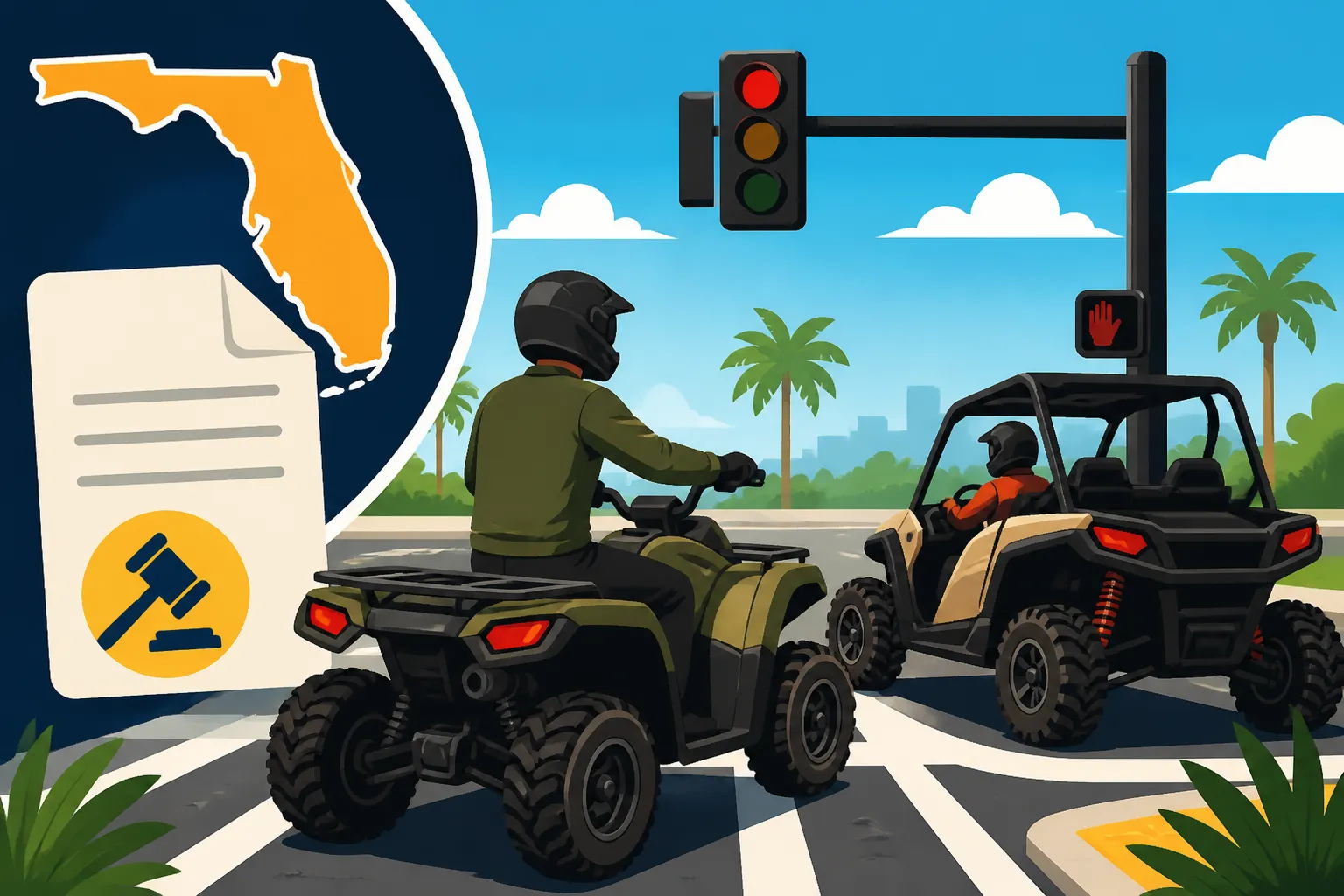
Signalized intersections represent the pinnacle of this challenge. Unlike simply crossing a quiet, unpaved county road, a signalized intersection involves multiple lanes of traffic, varied speeds, and a complex system of lights designed for conventional vehicles. An ATV or UTV, even one equipped with lights and turn signals, isn't always seen or expected in the same way a car or truck is. This creates not only a legal dilemma but a significant safety concern. Drivers of larger vehicles might not anticipate an OHV, and the difference in speed and maneuverability can make these crossings particularly hazardous. For years, riders have voiced the need for a clearer, safer pathway through these critical junctions, acknowledging the inherent risks but also pointing out the necessity of sometimes needing to cross them to reach legal riding areas or amenities.
Imagine you're trying to get from one section of a vast trail system to another, only to find a four-lane highway with a traffic light standing squarely in your way. Without specific legal provisions, your options are either to risk a citation by crossing illegally or load your machine onto a trailer, drive a quarter-mile, unload it, and continue your ride. It’s a logistical nightmare that dampens the spirit of adventure and underlines the urgent need for practical solutions.
Existing Limitations and Rider Frustrations
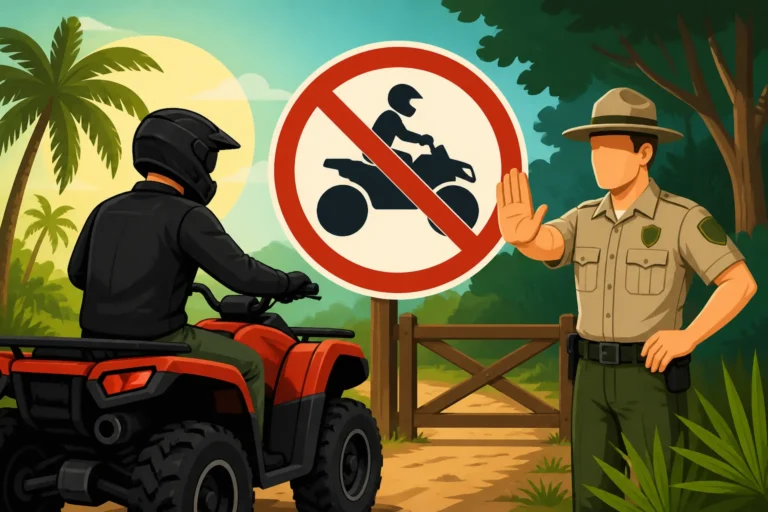
Currently, Florida law is quite restrictive regarding OHVs on paved public roads. Generally, ATVs and UTVs are not considered street-legal in the same way cars or motorcycles are. While there are exceptions, such as operating on unpaved roads designated for OHV use or agricultural exemptions, these rarely extend to busy, signalized intersections on paved state or county highways. This means that a rider who owns a robust side-by-side, perfectly capable of safely navigating many road conditions, is legally confined to designated off-road areas or private property.
The frustration builds when riders see other types of vehicles, like golf carts or low-speed vehicles (LSVs), gaining more permissible road access, especially with recent changes to Florida Golf Cart Laws vs ATV Laws. Many feel that the unique characteristics of ATVs and UTVs are often overlooked in the legislative process, leading to blanket prohibitions that don't differentiate between a simple dirt bike trail crossing and high-speed highway travel. Riders spend considerable sums on their machines, often equipping them with safety features that exceed basic requirements, only to find their use severely limited when it comes to connecting riding areas. The inconsistency can be baffling, particularly when a short, safe road segment is all that separates one fantastic trail from another. This is often where a [Florida ATV Bill of Sale: What It Needs to Say] comes into play during a purchase, clarifying the machine type, but it doesn't solve the road access problem.
Understanding "A Florida Bill on Signalized Intersections"
When discussions emerge about "a Florida bill on signalized intersections" concerning OHVs, it signals a potential shift in how the state views and regulates ATV and UTV access on public roads. Such legislation would likely represent an attempt to bridge the gap between recreational use and road safety, acknowledging the practical needs of riders while safeguarding public thoroughfares. It's not about making every ATV street-legal overnight, but rather about carving out specific, controlled circumstances where these machines can safely and legally traverse critical junctions. The impetus often comes from rider advocacy groups, local communities struggling with illegal road use, and lawmakers seeking common-sense solutions.
The Aim of Such Legislation
At its heart, any bill addressing signalized intersections for OHVs would likely aim to achieve a few key objectives. First and foremost, it would seek to enhance safety. By providing a legal framework for crossings, rather than leaving riders to navigate ambiguous or prohibited zones, it can set clear expectations for both OHV operators and other motorists. This might include stipulations for specific equipment, speed limits during crossings, or even designated crossing points. Secondly, such legislation would aim to clarify existing rules, reducing the confusion and frustration that currently plagues riders. Clearer laws mean less room for interpretation, making enforcement more consistent and riders more confident in their actions.
Finally, and perhaps most importantly for the riding community, such a bill would likely intend to expand limited access. This doesn't mean allowing ATVs on major highways, but rather enabling riders to legally connect separate segments of trails, access gas stations or restaurants adjacent to riding areas, or simply cross a paved road to reach another unpaved section. It's about recognizing that in a state like Florida, with its sprawling landscape and numerous off-road opportunities, a completely segregated approach isn't always practical or desirable. These efforts aim to make the overall riding experience more cohesive and enjoyable, allowing riders to make the most of their machines without constant logistical headaches. For those considering buying a used quad, knowing the state's stance on such issues is increasingly important, as highlighted in guides like [Buying a Used ATV in Florida: Transferring the Title].
Potential Provisions and Their Impact
While the specifics of any proposed bill would vary, we can anticipate certain types of provisions that might be included in legislation regarding signalized intersections. For instance, a bill might specify that ATVs and UTVs are permitted to cross a signalized intersection only at a 90-degree angle to the roadway, ensuring the shortest possible time in the flow of traffic. It could mandate that such crossings only occur during daylight hours, perhaps with a clear emphasis on [Florida's Daytime-Only ATV Road Rule]. Furthermore, it's highly probable that any such bill would require specific safety equipment. This could include functioning headlights, taillights, brake lights, and turn signals – features that many aftermarket providers like SuperATV already offer for various OHV models, making compliance easier for riders.
The impact of such provisions could be significant. For riders, it would mean a newfound ability to access areas that were previously out of reach without trailering. Imagine being able to ride from one side of a state forest to another, simply by making a quick, legal crossing at a designated intersection, rather than having to load and unload. For law enforcement, it would provide clear guidelines, simplifying enforcement and reducing the gray areas that often lead to misunderstandings. For the general public, clear signage and defined crossing procedures could improve awareness and reduce unexpected encounters with OHVs on paved roads. Of course, such bills often come with specific driver requirements, perhaps stipulating that only licensed drivers can operate machines during such crossings, similar to how [Do You Need a Driver's License for an ATV in Florida?] explores other road-related contexts.
Navigating Intersections Under Current and Potential New Rules
Regardless of whether a specific bill passes or what its final provisions might be, the core principle of safety remains paramount when interacting with any public road on an OHV, especially at signalized intersections. Riders have a responsibility to operate their machines predictably and safely, minimizing risk not only to themselves but to other road users. This requires a heightened level of awareness, clear communication of intentions, and often, specific equipment enhancements. Understanding existing laws and anticipating how potential new ones might change your approach is crucial for any responsible rider in Florida.
Safe Practices When Crossing Any Paved Road
Even if a bill were to pass granting specific rights to cross signalized intersections, exercising extreme caution would always be the golden rule. Here are some fundamental safe practices that should be adhered to:
- Stop, Look, Listen: Treat every paved road crossing, signalized or not, as a full stop scenario. Look both ways multiple times, and listen for approaching traffic, especially if your machine is loud. Don't assume that because you have a green light, other drivers see you or will yield.
- Clear Signals: If your machine has turn signals, use them well in advance to indicate your intent. If not, use clear hand signals. Make eye contact with drivers if possible to confirm they've seen you.
- Straight Across: Always cross at a 90-degree angle to the roadway. This minimizes the time you spend exposed to oncoming traffic and presents your machine in the most predictable manner. Do not attempt to travel along the paved road, even for a short distance, unless specifically authorized.
- Be Visible: Wear brightly colored gear. While Florida doesn't have a universal ATV helmet law for adults, wearing one is always a good idea, and bright colors increase your visibility. [Florida ATV Helmet Law for Riders Under 16] is a good reference for younger riders.
- Know Your Machine's Limits: Understand your ATV or UTV's acceleration, braking, and maneuverability. Don't attempt a crossing if you're unsure your machine can clear the intersection quickly and safely.
- Avoid Peak Hours: If possible, plan your crossings for times when traffic is lighter. This reduces the number of vehicles you need to contend with and provides a larger margin of safety.
These practices are not just suggestions; they are critical for personal safety and for promoting a positive image of OHV riders to the general public and lawmakers alike.
Equipment Considerations for Enhanced Visibility
Even without a new law, upgrading your machine's visibility features is a smart move for any rider who anticipates even incidental road crossings. If a bill on signalized intersections were to pass, it would almost certainly include mandates for certain equipment to ensure OHVs are as visible as possible.
Consider these enhancements:
- Bright Lighting: Ensure your headlights and taillights are fully functional and bright. Many riders opt for aftermarket LED light bars or brighter factory replacements. Companies like SuperATV offer a wide range of lighting solutions specifically designed for the rugged demands of ATVs and UTVs, providing superior illumination and visibility compared to stock lights.
- Turn Signals and Horn: While not standard on all ATVs, adding a turn signal kit and a horn can be invaluable for communicating your intentions to other drivers. These are often required for any form of legal road access, even for crossings.
- Mirrors: Side mirrors and a rearview mirror dramatically improve your ability to monitor traffic without having to turn your entire body, which can be difficult on an OHV. Again, SuperATV has robust mirror options that can withstand trail abuse.
- Reflectors and Reflective Tape: Strategically placed reflectors or reflective tape can make your machine much more visible, especially in low light conditions, even if crossing is only allowed during the day.
- Orange Flag: For machines primarily used off-road, a tall, brightly colored orange safety flag can significantly increase your vertical profile, making you easier to spot over bushes or fences, and potentially in traffic.
Investing in these types of accessories isn't just about complying with potential future laws; it's about proactively enhancing your safety. It demonstrates a commitment to responsible riding that can reflect positively on the entire OHV community as lawmakers continue to debate road access.
The Broader Landscape of Florida's OHV Legislation
The discussion around a bill for signalized intersections doesn't happen in a vacuum. It's part of a much larger, ongoing conversation about how ATVs and UTVs fit into Florida's recreational and transportation landscape. The state is a magnet for outdoor enthusiasts, and OHVs play a significant role in many people's enjoyment of the natural environment, whether for trail riding, hunting, or working on vast properties. This means there's a constant push and pull between various interest groups, all trying to shape legislation in a way that aligns with their priorities.
The Push for More Recreational Access
There's a strong, vocal contingent of OHV riders, clubs, and businesses that actively advocate for more expansive and sensible recreational access throughout Florida. They point to the economic benefits that OHV tourism brings to rural areas, the freedom and health benefits of outdoor activity, and the sheer number of Floridians who own and enjoy these machines. Rider groups often propose that with appropriate safety regulations and infrastructure, limited road access – such as for crossing at signalized intersections or connecting short segments of unpaved roads – could significantly enhance the riding experience without compromising public safety.
The logic is that if golf carts and even bicycles can operate on certain roads, well-equipped ATVs and UTVs, often featuring advanced safety technology, should be afforded similar, carefully delineated privileges. They argue that criminalizing all road use, no matter how brief or safe, only leads to more illegal crossings, as riders inevitably seek practical ways to move their machines. Instead, a regulated approach could channel these activities into safer, sanctioned pathways. Discussions often draw parallels with [Florida's Unpaved Road Rule for ATVs Explained], suggesting that the spirit of that law could be expanded to include specific types of paved road interactions.
Community Concerns and Balancing Interests
On the other side of the coin, there are legitimate concerns from other segments of the community. Residents in suburban and urban areas often express worries about increased noise, traffic congestion, and potential safety risks if OHVs were to become more common on public roads. Environmental groups raise concerns about potential damage to sensitive ecosystems if access were to become too broad or unregulated. There are also practical considerations for road infrastructure; roads not designed for OHV traffic could experience accelerated wear, and emergency services might face new challenges.
Legislators are tasked with balancing these diverse interests. Any bill, like the hypothetical one concerning signalized intersections, must carefully weigh the benefits for OHV enthusiasts against the potential drawbacks for other citizens and the environment. This means that proposed changes are often incremental, highly specific, and loaded with conditions designed to mitigate risks. It's a testament to the complexity of the issue that even seemingly small changes, like allowing a regulated crossing at a traffic light, can spark extensive debate. Understanding this broader context helps explain why legislative progress in this area can feel slow and why riders must often engage in advocacy to see their concerns addressed.
Here’s a look at how different road types might be treated under current and potential future rules concerning signalized intersections:
| Road Type | Current General Rule for OHVs | Potential Rule with a Bill (e.g., at Signalized Intersections) | Key Considerations for Riders |
|---|---|---|---|
| Unpaved, Designated OHV Roads | Generally Permitted | Likely Remains Permitted | Often require specific permits (e.g., [Florida National Forest OHV Pass Prices]), safety courses for minors. |
| Unpaved County Roads (Non-Designated) | Varies by County; often limited/prohibited | May gain limited crossing permissions | Check local ordinances, proceed with extreme caution. |
| Paved County Roads (Non-Designated) | Generally Prohibited | Could allow controlled crossing at signalized intersections | High risk of citation; requires maximum visibility and caution. |
| Paved State Roads/Highways | Strictly Prohibited | Extremely unlikely to gain any travel access; crossing is rare | Always trailer for transport; crossing highly illegal. |
| Private Roads (with permission) | Permitted | Remains Permitted | Always obtain explicit landowner permission. |
Disclaimer
This article is for general informational purposes only and does not constitute professional advice. Laws, prices and regulations vary by location and change over time. Consult a qualified professional for guidance on your specific situation.