Big Cypress Backcountry Access Permits
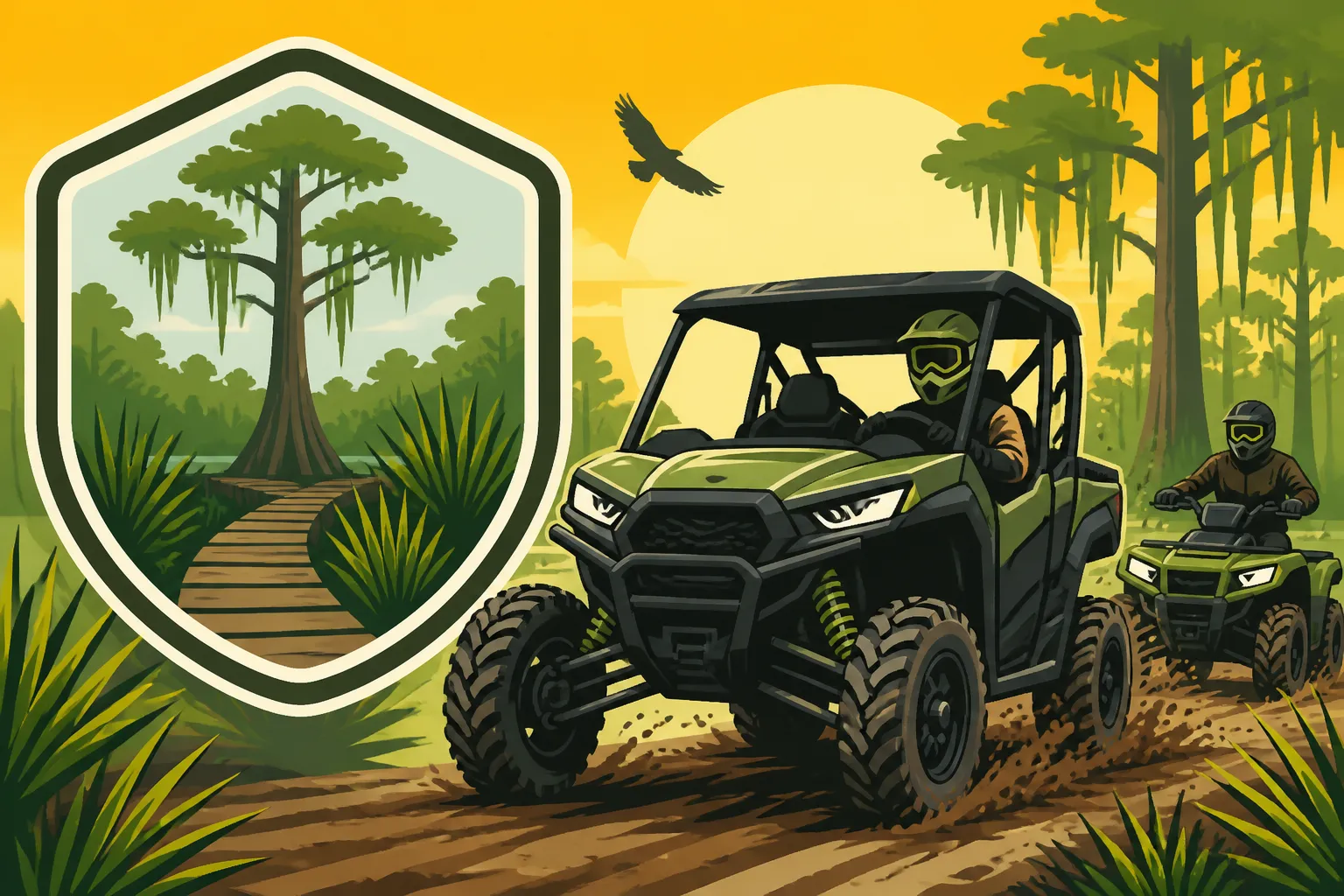
Oh, the allure of Big Cypress National Preserve! It’s a vast, wild heart of Florida, a place where the air smells different, and the whispers of ancient cypress trees tell stories. For many of us who love the roar of an engine and the thrill of off-road adventure, Big Cypress represents the ultimate challenge and reward. But let's be real, trying to figure out how to actually get your ATV or UTV into this incredible wilderness can feel like trying to solve a puzzle with half the pieces missing. The rules aren't always clear, and the thought of driving all the way there only to be turned away because you missed a tiny detail is enough to make anyone sigh in frustration. This guide is here to untangle the complexities of Big Cypress backcountry access permits, so you can confidently plan your next unforgettable journey into Florida's wild frontier.
Why Big Cypress National Preserve is Different for Riders
When you think of off-road riding in Florida, places like Croom or Hog Waller probably come to mind – designated OHV parks with clear trails and established rules tailored for recreational riding. Big Cypress National Preserve, however, is a different beast entirely. It's not just a riding park; it's a critical component of the greater Everglades ecosystem, a place of immense ecological significance. This distinction shapes everything from how you apply for a permit to the kind of experience you'll have once you're out there.
Understanding the Unique Ecosystem and Regulations
Imagine a vast mosaic of cypress swamps, pinelands, prairies, and estuaries, teeming with wildlife like alligators, Florida panthers, and countless bird species. That's Big Cypress. It acts as a vital freshwater reservoir, slowly feeding the Everglades to its south. Because of this delicate balance and its status as a National Preserve, the regulations governing off-road vehicle use are significantly more stringent and conservation-focused than what you'd find in a state forest. The primary goal here is preservation, and recreation, while allowed, must always operate within those ecological boundaries. This means that unlike some other areas, you can't just show up with your machine and expect to ride. The permit process is designed to ensure that every rider understands and respects this unique environment. It's not about making things difficult; it's about protecting something irreplaceable.
The Role of Off-Road Vehicles in Big Cypress
Despite its sensitive nature, Big Cypress National Preserve has a long history of human interaction, including recreational hunting and off-road vehicle use. Historically, these lands were crisscrossed by airboats and swamp buggies, vital tools for navigating the wet landscape. Today, while the tools have evolved to include modern ATVs and UTVs, the spirit of accessing the backcountry remains. The National Park Service recognizes the cultural and recreational value of ORV use, but it's carefully managed. You're allowed to explore, but only on designated trails and within strict parameters. This carefully crafted balance ensures that while riders can experience the raw beauty of the Preserve, the impact on the environment is minimized. It's a privilege, not just a right, to ride here, and understanding that mindset is the first step toward a successful Big Cypress adventure. If you're used to the free-for-all of some private mud parks, you'll find Big Cypress to be a much more structured and thoughtful riding experience.
Navigating the Big Cypress ORV Permit System
So, you're ready to tackle Big Cypress. Awesome! But before you even think about loading up your machine, you need to navigate the permit system. This isn't just a formality; it's a comprehensive process designed to educate riders and protect the Preserve. Skipping any step could mean a long drive for nothing, or worse, a hefty fine.
Who Needs an ORV Permit in Big Cypress?
Let's cut right to it: if you plan to operate any off-road vehicle – be it an ATV, UTV, swamp buggy, airboat, or even an off-highway motorcycle – within the backcountry of Big Cypress National Preserve, you absolutely need a permit. There are no exceptions for Florida residents, experienced riders, or even if you just want to drive a short distance. This permit is distinct from a general [Florida National Forest OHV Pass] or a [Florida State Forest OHV Day Use and Annual Passes]; it's specific to Big Cypress and its unique regulations. The permit ensures that all operators have acknowledged the rules, had their vehicles inspected for compliance, and understand the sensitive nature of the ecosystem they are entering. Think of it as your passport to Florida's wildest backcountry.
The Application Process: Step-by-Step
The permit application process can seem a bit daunting, but breaking it down makes it much more manageable. Here's what you generally need to do:
- Obtain the Application Packet: Start by visiting the official Big Cypress National Preserve website or contacting their ranger station directly. They will provide the most current application forms and instructions. Don't rely on outdated information you might find on forums.
- Gather Required Documentation: You'll need proof of ownership for your vehicle, which typically means your ATV's title. If you're still figuring out your machine's paperwork, it might be worth reviewing [Who Must Title an ATV in Florida] to ensure everything is in order. You'll also need current vehicle registration and proof of liability insurance. Your driver's license, or a recognized form of identification, will also be required.
- Complete a Safety Course: Big Cypress often requires riders to complete an approved off-road vehicle safety course. This isn't just a suggestion; it's a mandatory step for all operators. Even if you've been riding for years, the course covers important safety practices and environmental awareness specific to places like Big Cypress. This requirement is in addition to any [Florida ATV Safety Course Requirements for Riders Under 16].
- Vehicle Inspection: This is a critical step. Your vehicle must undergo an inspection by National Park Service staff. They'll be checking for specific compliance points like spark arrestors, proper tire types, and overall vehicle condition to ensure it won't damage the delicate ecosystem or pose a safety hazard.
- Pay Associated Fees: There will be a fee for the ORV permit itself. While I can't give specific current figures, be prepared for a cost that reflects the administrative effort and the unique access it provides. These fees help support the management and maintenance of the ORV trail system within the Preserve.
- Submit Your Application: Once all documentation is gathered, the safety course completed, and your vehicle is ready for inspection, you'll submit your application packet. This is typically done in person at the Big Cypress National Preserve visitor center or designated ranger station. This personal interaction allows staff to answer any questions and verify all details on the spot.
Vehicle Requirements and Inspections for Big Cypress
This is where many riders realize their typical trail setup might need some adjustments. Big Cypress has very specific requirements for ORVs, all geared towards minimizing environmental impact and ensuring safety.
- Spark Arrestors: Absolutely mandatory. Every ATV, UTV, or off-highway motorcycle must have a properly functioning spark arrestor. This prevents hot embers from escaping the exhaust and igniting dry vegetation, a critical concern in Florida's fire-prone landscapes.
- Tire Regulations: While extreme mud tires might be great for [Florida Mud Parks: Where Riders Actually Go], Big Cypress may have regulations regarding tire tread design. The goal is to prevent excessive rutting or damage to the fragile soil and vegetation. Aggressive lugs that can tear up the ground might not be permitted on all trails.
- Width, Length, and Height: Specific trails within Big Cypress are designed for certain vehicle sizes. Your vehicle must fit within these designated dimensions. This means you might need to confirm if your custom-built UTV, perhaps outfitted with extra-wide SuperATV portal axles, fits the bill for the trails you plan to ride. Similarly, excessive lift kits that significantly increase height might not be suitable for trails with low-hanging branches or designated overhead clearances. For ATVs, understanding [Florida's 55-Inch ATV Definition and Why It Matters] can give you a baseline, but Big Cypress might have even more precise measurements for certain trail sections.
- Ground Clearance: While you need enough clearance to navigate the varying terrain and often wet conditions, extreme modifications that significantly alter a machine's profile might raise questions during inspection.
- Noise Limits: Excessive exhaust noise can disturb wildlife and other visitors. Your vehicle should comply with reasonable noise limits, which may be checked during the inspection.
- Cleanliness Check for Invasive Species: This is a crucial, often overlooked, requirement. Before entering the Preserve, your vehicle must be thoroughly cleaned of any mud, dirt, or plant debris. This prevents the introduction of invasive plant seeds or animal pathogens that could devastate the delicate ecosystem. Expect rangers to visually inspect your tires, undercarriage, and floorboards for any foreign material.
What a Big Cypress ORV Permit Allows and Restricts
Having your permit in hand is exciting, but it's vital to understand the boundaries of your access. Big Cypress isn't an open playground; it's a managed wilderness. Respecting these rules isn't just about avoiding a citation from a [Florida Ranger Checks at a Trailhead], it's about preserving the very reason you wanted to ride there in the first place.
Designated Trails and Zones
Unlike riding on private land where you might roam freely, Big Cypress strictly limits ORV travel to designated, marked trails only. Veering off a marked trail is a serious violation and can lead to penalties, not to mention irreparable damage to sensitive habitats. These trails are often categorized, with some being suitable for narrower ATVs and others for wider [Florida Riding Areas That Allow Side-by-Sides] or even swamp buggies. Maps provided by the Preserve clearly outline these routes and their restrictions. You'll encounter a variety of terrain, from dry sandy sections to deep water crossings, requiring good judgment and proper riding skills. It's a true backcountry experience, where navigation and preparedness are key.
Seasonal Closures and Conditions
Florida's seasons dramatically affect the Big Cypress landscape. What's a dry, sandy trail in December could be a waist-deep waterway by July. Consequently, many trails are subject to seasonal closures due to high water levels, wildlife nesting seasons (especially for birds and alligators), or routine maintenance. It is absolutely imperative that you check the Big Cypress National Preserve's official website or call the ranger station before you head out. Don't just assume a trail is open because it was last month. [Florida Trail Closures You Should Check First] are a constant reality in wild Florida, and Big Cypress is no exception. Arriving only to find your planned route submerged or closed can be incredibly frustrating, so stay informed.
Rules of the Road (or Trail) in the Backcountry
Riding in Big Cypress demands a heightened sense of responsibility. Beyond just sticking to the trails, there are a host of other rules designed to protect the environment and ensure safety:
- Speed Limits: Obey all posted speed limits. These are in place to reduce environmental impact, minimize dust, and ensure rider safety, especially when encountering other users or wildlife.
- Leave No Trace: This is paramount. Pack out everything you pack in. This includes trash, food scraps, and even human waste. The Preserve has a strict "pack it in, pack it out" policy.
- Wildlife Encounters: You are in their home. Maintain a respectful distance from all wildlife. Never feed animals. If you encounter a Florida panther, alligator, or bear, observe from afar and give them space.
- Carrying Recovery Gear: While not always explicitly required for permits, it's highly recommended to carry essential recovery gear like a winch (maybe a reliable one from SuperATV), tow straps, and a shovel. The terrain can be challenging, and getting stuck far from help is a real possibility.
- Prohibitions: Strict prohibitions are in place regarding alcohol, littering, and disturbing historical or archaeological sites. Firearms are generally allowed with proper state and federal permits, but always verify current regulations. Remember, you're a visitor in a protected area.
Tips for a Successful Big Cypress Backcountry Adventure
Riding in Big Cypress isn't just another day on the trails; it's an expedition into a truly wild and untamed part of Florida. To make sure your trip is memorable for all the right reasons, careful planning and respect for the environment are your best allies.
Preparation is Key
Heading into the Big Cypress backcountry unprepared is asking for trouble. This isn't your local riding park where help is just a phone call away. Cell service can be spotty or nonexistent, and you could be miles from the nearest paved road.
- Pack Essentials: Think like you're going camping for a day, even if you plan a shorter ride. Bring ample water (more than you think you'll need!), non-perishable food, a comprehensive first-aid kit, and sun protection.
- Navigation Tools: Do not rely solely on your phone. Bring physical maps (the Preserve provides excellent ones) and a GPS device with pre-loaded trail data. Learn how to read a map and compass before you go. Having a plan B for navigation is crucial.
- Communication Devices: A satellite communication device (like a Garmin inReach or similar) can be a literal lifesaver if you get lost or have an emergency outside of cell service range.
- Tools and Spares: Basic tools, tire repair kits, a small air pump, and perhaps an extra belt or spark plug can save you from being stranded. If you've upgraded your machine with components like heavy-duty tie rods or a winch from SuperATV, make sure you know how to maintain or troubleshoot them in the field.
- Proper Attire: Long sleeves and pants, even in the heat, can protect you from sun, branches, and insects. Closed-toe shoes are a must. Bring insect repellent!
Staying Informed
The rules and conditions in Big Cypress National Preserve are dynamic. Water levels change, trails open and close, and regulations can be updated.
- Official Website is Your Best Friend: Bookmark the official Big Cypress National Preserve website and check it frequently, especially in the days leading up to your trip. Look for alerts, news releases, and updated trail conditions.
- Call the Ranger Station: Don't hesitate to call the ranger station directly with specific questions. The staff are incredibly knowledgeable and can provide the most current information. This is particularly important for checking on [Florida Trail Closures You Should Check First] due to weather or wildlife.
- Permit Renewal: Be mindful of your permit's expiration date. The permit is typically valid for a set period, and you'll need to renew it to continue riding legally in the Preserve.
Respecting the Environment and Other Users
Ultimately, riding in Big Cypress is about embracing the challenge and beauty of true wilderness. This means fostering a deep respect for the environment and for the other people who share these incredible lands, whether they are hikers, hunters, airboaters, or fellow ORV enthusiasts.
- Conservation Mindset: Every decision you make, from how you ride to how you dispose of waste, impacts this fragile ecosystem. Ride responsibly, stay on designated trails, and leave no trace of your visit.
- Yield to Others: You might encounter other users on the trails. Be courteous, slow down, and yield the right-of-way when appropriate. Everyone is out there to enjoy the Preserve.
- Educate Yourself: Learn about the flora and fauna of Big Cypress. The more you understand the ecosystem, the more you'll appreciate the privilege of riding within it. Understanding things like [Florida's Off-Highway Vehicle Title Law Explained] and why certain rules exist helps you become a more responsible and informed rider, ensuring that places like Big Cypress remain accessible for future generations.
Big Cypress National Preserve offers an unparalleled off-road experience for those willing to do their homework and ride responsibly. It’s a chance to connect with Florida's untamed spirit, to navigate challenges, and to witness wildlife in a truly wild setting. Get your permit, prepare thoroughly, and go make some unforgettable memories!
Disclaimer
This article is for general informational purposes only and does not constitute professional advice. Laws, prices and regulations vary by location and change over time. Consult a qualified professional for guidance on your specific situation.