Florida Eye Protection Rule for Young Riders
It’s a heart-stopping moment for any parent: seeing their child out on an ATV, enjoying the thrill of the ride, but also knowing the risks involved. One of the biggest areas of confusion and concern for families revolves around Florida's specific rules for young riders, especially when it comes to fundamental safety gear like eye protection. This guide is here to cut through the noise, explaining exactly what Florida law requires for young ATV and UTV enthusiasts, and why these rules are so critical for keeping them safe on the trails and designated roadways.
Florida's Eye Protection Rule: The Core Mandate
Navigating the great outdoors on an ATV or UTV in Florida is an exhilarating experience, but it comes with a serious responsibility, especially when young riders are involved. The state of Florida has specific regulations designed to safeguard these younger enthusiasts, and one of the cornerstone requirements centers on eye protection. It's not just a suggestion; it's a critical legal mandate designed to prevent serious injury.
The Specific Statute and Its Intent
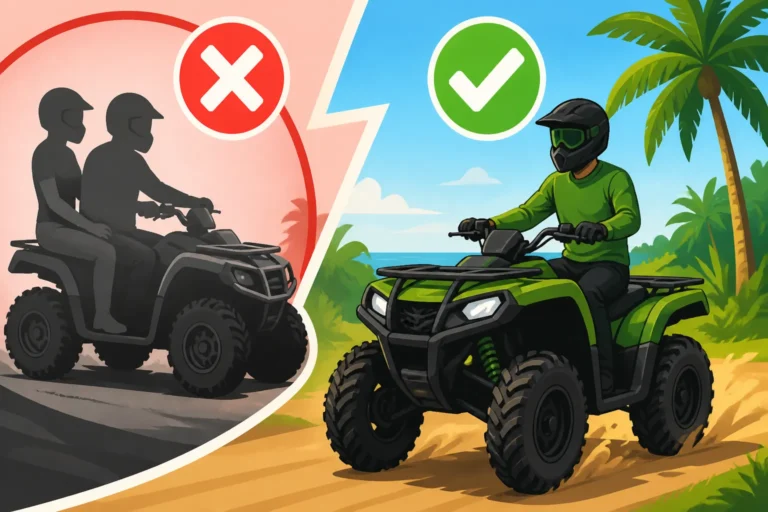
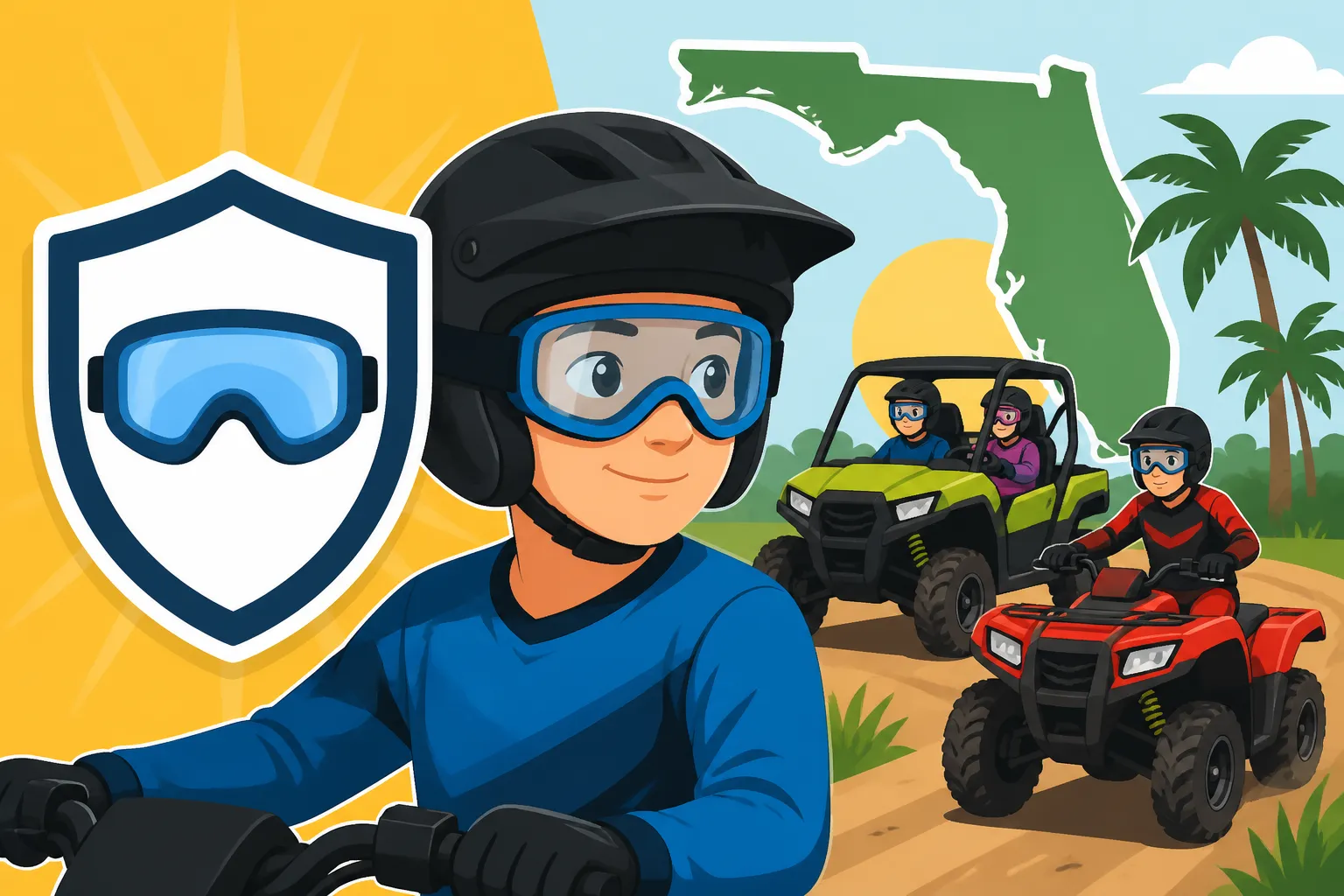
Florida Statute 316.2074 lays out the rules for operating ATVs and other off-highway vehicles, and a key component addresses safety gear for those under the age of 16. Specifically, it dictates that "no person under 16 years of age shall operate or be carried as a passenger on an all-terrain vehicle unless wearing a safety helmet and eye protection." This isn't just about preventing minor discomfort from dust or a stray bug; it's about protecting one of the most vulnerable and vital senses from significant trauma. The intent is clear: reduce the risk of eye injuries from projectiles like rocks, branches, mud, or even insects that can impact at high speeds, potentially causing permanent damage.
Think about the environment where ATVs are typically ridden in Florida – sandy trails, dense brush, and sometimes muddy conditions. A small stone kicked up by a tire in front, or a low-hanging branch on a tight trail, can become a serious hazard without proper eye coverage. The law recognizes these inherent dangers and steps in to create a baseline of safety for our youngest riders, ensuring their adventures remain fun and free from preventable accidents. It's a proactive measure, acknowledging that even the most experienced young rider can encounter unforeseen obstacles.
What Qualifies as "Approved" Eye Protection
While the statute clearly states "eye protection," it's important to understand what truly qualifies. This isn't just any pair of sunglasses or reading glasses. Florida law generally aligns with widely accepted safety standards, meaning you need robust eye protection specifically designed for powersports. This typically means goggles or a full-face helmet with an integrated, impact-resistant visor. The key characteristics are:
- Impact Resistance: The material should be able to withstand significant impact without shattering or dislodging. Standard eyeglasses are often not designed for this kind of protection and can actually become more dangerous if they break.
- Secure Fit: The eye protection must stay firmly in place, even over bumps or during sudden movements. Loose goggles are useless goggles, as they can shift, obscure vision, or fall off entirely, defeating their purpose.
- Clear Vision: The lenses should provide clear, unobstructed vision, free from distortion. Tinted lenses might be fine for sunny days, but ensure they don't compromise visibility in varied light conditions or dense shadows.
Goggles designed for motocross or ATV riding are usually the best choice. They offer a wide field of vision, ventilation to prevent fogging, and often have tear-offs or roll-offs for maintaining clarity in dirty conditions. Similarly, a high-quality full-face helmet with a clear, scratch-resistant visor provides excellent all-around protection. When choosing, look for certifications like those from the Snell Memorial Foundation or DOT, which indicate the gear has met rigorous safety testing. For more details on what to look for, check out [Goggles That Satisfy an Eye Protection Rule].
Why Eye Protection is Non-Negotiable
Some might see eye protection as an inconvenience, especially on a hot Florida day. However, the reasons it's non-negotiable are stark and serious. The human eye is incredibly delicate and susceptible to damage that can be permanent. Imagine a branch whipping back unexpectedly, or a roost of mud and small gravel flung from a friend's tires. These aren't just minor annoyances; they are potential blindness causes. Without proper eye protection, even a seemingly innocuous impact can lead to scratches on the cornea, retinal detachment, or even the loss of an eye.
Furthermore, clear vision is paramount for safe riding. If a rider is squinting from dust, or constantly wiping away debris, their focus is diverted from the trail ahead. This momentary distraction can be all it takes to hit an obstacle, lose control, or collide with another rider. Proper eye protection ensures consistent, clear vision, allowing the young rider to anticipate hazards, react quickly, and maintain control of their machine. It’s a simple piece of gear that has an outsized impact on both immediate safety and long-term well-being.
Who Is Considered a "Young Rider" Under Florida Law?
The term "young rider" might seem self-explanatory, but when it comes to Florida ATV laws, there are very specific age brackets and associated rules that every parent and guardian needs to understand. These definitions aren't arbitrary; they dictate everything from required safety courses to the need for adult supervision.
Age Definitions and Their Impact on Rules
In Florida, the most crucial age cutoff for many ATV rules is under 16 years of age. As we discussed, this is the age group for whom helmets and eye protection are legally mandated. But the rules extend beyond just protective gear. For instance, children under 16 cannot operate an ATV on public lands unless they have successfully completed a state-approved ATV safety course. This course requirement is vital, ensuring that even if a young person has experience riding on private property, they understand the specific responsibilities and hazards associated with public trails. You can find more information about these courses in [Florida ATV Safety Course Requirements for Riders Under 16].
It's also important to note that specific age limits may apply to the size and type of ATV a young rider can operate, often based on the manufacturer's recommendations. While Florida law doesn't explicitly state engine displacement limits by age, it generally defers to the manufacturer's age recommendations found on the machine's warning labels. Ignoring these can lead to a machine that's too powerful or too large for a child to safely handle, increasing the risk of accidents even if all other safety gear is in place. Parents should always ensure their child is riding an age-appropriate machine.
Supervision Requirements for Minors
For riders under the age of 16, direct supervision by a licensed adult is often a critical component of legal operation, especially when considering any permitted use of ATVs on specific unpaved roads. The Florida statutes emphasize that if a minor is riding on an unpaved public roadway where ATV use might be permitted, they must be "under the direct supervision of a person 16 years of age or older who holds a valid driver's license." This means the adult isn't just somewhere in the vicinity; they need to be actively observing and capable of intervening if necessary. This rule underscores the idea that young riders, while capable, still lack the full judgment and experience of an adult to navigate complex or unexpected situations on shared paths.
This supervision requirement extends beyond just roadways. When riding on public trails within state forests or national forests, while the exact proximity might vary by specific land manager rules, the spirit of direct supervision is still paramount. It's about mentorship and immediate guidance. An adult can help a young rider understand trail etiquette, recognize potential hazards, and respond appropriately to changing conditions. This hands-on guidance is invaluable for developing safe riding habits. Learn more about the intricacies of this rule by checking out [Florida Adult Supervision Rules on Public Land].
Mandatory Safety Courses for Public Land
As mentioned, if a rider is under 16 years of age, they must complete an approved ATV safety course before operating on public lands in Florida. This isn't merely a formality; it's a comprehensive educational program designed to instill critical riding skills, hazard perception, and a deep understanding of responsible operation. These courses cover everything from proper starting and stopping techniques to navigating various terrains, understanding weight distribution, and basic maintenance checks.
The reason for this mandatory course is clear: public lands often present different challenges than private property. There can be other users – hikers, cyclists, equestrians – and diverse, sometimes unpredictable, terrain. The course ensures that young riders are not only physically capable but also mentally prepared for these shared environments. It teaches them about trail etiquette, environmental responsibility, and emergency procedures. Without this certification, a young rider found on public land could face penalties, and their parents or guardians could be held responsible. It’s a vital step for any family planning to take their adventures beyond the backyard.
Beyond Eye Protection: Other Essential Safety Gear
While eye protection is a critical component of safety for young ATV riders in Florida, it's just one piece of the puzzle. A truly safe riding experience demands a comprehensive approach to protective gear, ensuring that the rider is shielded from head to toe. Skimping on any element can leave a child vulnerable to serious injury.
The Unyielding Importance of Helmets
Just like eye protection, a properly fitted, DOT-approved safety helmet is an absolute non-negotiable for anyone under 16 operating or riding as a passenger on an ATV in Florida. This is explicitly stated in the same statute that mandates eye protection. The reason is painfully obvious: head injuries are among the most severe and life-altering consequences of ATV accidents. A helmet acts as the first line of defense, absorbing impact forces that would otherwise directly affect the brain. Even a low-speed tip-over can result in a head strike that a helmet could mitigate or prevent entirely.
When choosing a helmet, "DOT-approved" is the minimum standard for street-legal use, but for off-road riding, many experienced enthusiasts and experts recommend helmets meeting the Snell Memorial Foundation's standards as well. These certifications indicate that the helmet has undergone rigorous testing to ensure it can withstand various impacts. The helmet must fit snugly, without being uncomfortably tight, and should not move freely on the head when shaken. A helmet that is too loose can shift during a crash, offering inadequate protection, or even obstruct vision. Don't forget, a bicycle helmet, while good for cycling, absolutely does not meet the standards required for ATV riding. [Does a Bicycle Helmet Meet Florida's ATV Rule?] provides more insight into this crucial distinction.
Gloves, Long Sleeves, and Other Protective Apparel
While not always explicitly mandated by law for private land, other protective apparel is highly recommended for young riders, and often required on public trails. Gloves are essential. They protect hands from blisters, cuts, and scrapes from branches or falls. They also improve grip on the handlebars, which is crucial for control, especially when hands get sweaty or muddy. Look for gloves specifically designed for motocross or ATV riding, as they offer padding and reinforced areas.
Long pants and long-sleeved shirts are another must. Even on a hot day, the protection they offer against scrapes, abrasions, and sunburn is invaluable. Think about the abrasive effects of a slide on gravel or dirt, or the sting of a nettle brush. Synthetic fabrics designed for athletic wear can offer both protection and breathability. Layering is key, allowing for adjustment to Florida's unpredictable weather. Over-the-ankle boots are also critical. They protect feet and ankles from impacts, provide ankle support, and prevent them from getting caught in moving parts of the ATV. These aren't just fashion statements; they are functional pieces of safety equipment that protect fragile bones and joints. Investing in quality gear from brands like SuperATV can make a real difference in comfort and protection, ensuring durability for active young riders.
Gear Specific to Different Riding Environments
The type of riding environment can also influence the specific gear choices. For instance, if a young rider is primarily tackling muddy trails, waterproof boots and outer layers become more important. For dusty conditions, goggles with extra ventilation and tear-offs are a smart choice to maintain visibility. If riding in areas with dense foliage, elbow and knee pads, or even a chest protector, become excellent additions to guard against impacts from branches or falls.
For those venturing onto public lands, where rules might be stricter and conditions more varied, always check the specific park or forest regulations. Some areas might have additional requirements beyond state law, such as specific spark arrestors for exhaust systems or designated sound limits. Proper gear selection isn't a one-size-fits-all solution; it's a dynamic choice based on the machine, the rider, and the terrain. Equipping a young rider with appropriate gear for their specific adventures ensures they are prepared for anything the Florida landscape can throw their way.
Where Young Riders Can Legally Operate ATVs in Florida
One of the biggest areas of confusion, and frankly, a source of potential trouble, for ATV owners in Florida is knowing exactly where they can legally ride. This is especially true when it comes to young riders, as their permissible operating areas are often more restricted than those for adults. Understanding these distinctions is crucial to avoid citations, fines, or even more serious legal issues.
Private Property vs. Public Land
The fundamental distinction in Florida ATV law often comes down to private property versus public land. On private property, with the landowner's permission, the rules are generally more relaxed. For instance, the state's helmet and eye protection mandates for riders under 16 still apply, as these are safety-focused statutes. However, other restrictions, like requiring a safety course or specific supervision for road use, might not be as strictly enforced in a private setting. This is where many young riders get their first taste of ATVing, often in a controlled environment. However, even on private land, common sense and a strong focus on safety should always prevail. You can ride an untitled ATV on private land, but [Can You Ride an Untitled ATV on Private Land in Florida] clarifies that it's important to still have proof of ownership.
The landscape changes dramatically when you move to public land. This includes state parks, national forests, designated OHV (Off-Highway Vehicle) areas, and certain unpaved county roads. Here, Florida's comprehensive OHV laws come into full effect. All riders, regardless of age, must adhere to specific regulations regarding titles, permits, and safety equipment. For young riders under 16, this means mandatory helmets, eye protection, and often proof of having completed an approved ATV safety course. Without these, even setting a tire on public land could lead to legal repercussions. [Florida Public Land Riding Without a Pass Penalty] details the potential consequences of ignoring these rules.
Understanding Permitted Roadway Use for ATVs
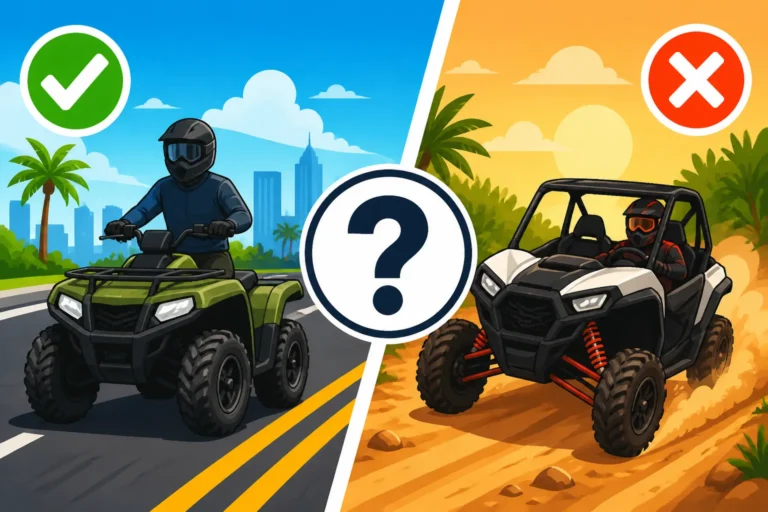
This is where things get particularly tricky and where many misinterpretations occur. Generally speaking, ATVs are not street legal in Florida and are prohibited from operating on paved public roads, streets, or highways. There are very limited, specific exceptions, and these exceptions come with strict conditions, especially for young riders.
Florida Statute 316.2123 outlines scenarios where an ATV might be permitted on public roads. This primarily refers to crossing a highway at a 90-degree angle, or operating on unpaved roads within a county that has specifically designated certain unpaved roads for ATV use. Even in these limited scenarios, additional rules apply:
- Daytime Hours Only: Operation is restricted to daylight hours.
- Licensed Driver for Road Use: The operator must hold a valid driver's license if the ATV is being operated on any public road, even an unpaved, designated one. This means young riders under 16, who don't have driver's licenses, are effectively barred from operating an ATV on these specific public roads, even if the county has opened them up.
- Direct Supervision: If a minor is riding on an unpaved county road that is designated for ATV use (which is rare), they would still need direct supervision from a licensed adult. However, the driver's license requirement for the operator (the child) would likely supersede this, making it impossible for a child to legally drive on such a road. [Minors Riding Roads Under Supervision in Florida] provides more context here.
It's a complex set of rules, but the takeaway is clear: don't expect to ride your ATV, especially with a young rider, on any public road in Florida unless you have meticulously confirmed it is explicitly permitted, and all conditions (including the operator's license status) are met. Even then, the safest bet is to assume roads are off-limits for ATV use. For more on what a posted speed limit means in this context, check out [What a Posted Speed Limit Sign Decides for Riders].
Designated OHV Parks and Trails
The safest and most legitimate places for young riders to enjoy their ATVs in Florida are within designated Off-Highway Vehicle (OHV) parks and managed trail systems. These areas are specifically designed and maintained for off-road recreation, and they often have specific rules tailored to different types of machines and rider skill levels. Examples include portions of the Ocala National Forest, the Croom Motorcycle Area, and various private mud parks.
These parks and trails typically require an entry fee or a pass, and they enforce state laws regarding helmets, eye protection, and safety courses for minors. They often have designated youth riding areas, beginner trails, and staff on hand to ensure rules are followed and to assist in emergencies. Riding in these controlled environments ensures that young riders are not only safe but also surrounded by others who are following the rules, creating a much more enjoyable and worry-free experience for everyone. Always check the specific rules of any OHV park or trail system before you go, as some may have additional requirements regarding machine width, noise levels, or spark arrestors.
Enforcement and Penalties: What Parents and Guardians Need to Know
Ignoring Florida's ATV laws for young riders isn't just a matter of bending the rules; it carries tangible consequences that parents and guardians need to be fully aware of. Law enforcement agencies, from county sheriffs to park rangers, are trained to identify violations and are prepared to issue citations, which can impact families in various ways.
Consequences for Non-Compliance
The penalties for non-compliance with Florida's ATV laws, especially regarding young riders' safety gear, can range from warnings to significant fines. For instance, if a rider under 16 is caught operating an ATV without a helmet or eye protection on public land, law enforcement can issue a citation to the responsible adult. While the exact fine amount can vary by county and the discretion of the officer, these are typically considered non-moving violations or infractions, similar to a traffic ticket. These fines can quickly add up, especially if there are multiple violations or if an incident leads to an accident.
Beyond monetary penalties, repeated violations could lead to more severe consequences, such as the temporary impoundment of the ATV or even being banned from certain public riding areas. Imagine planning a fun weekend at an OHV park, only to have your machine impounded because your child wasn't wearing the required gear. It's a frustrating and costly outcome that is entirely preventable. Furthermore, in the event of an accident where safety gear was neglected, insurance companies might deny claims, leaving families responsible for extensive medical bills or property damage. [Florida Penalties for Illegal ATV Road Riding] sheds more light on the potential legal fallout.
Educating Young Riders on Safety
The most effective "enforcement" starts at home through education. Parents and guardians have a fundamental responsibility to not only provide the necessary safety gear but also to explain why it's so important. Instead of just barking orders, take the time to sit down with your young rider and talk about the risks. Show them examples of eye injuries that can occur, or discuss how a helmet protects their brain. When they understand the "why," they are much more likely to embrace safety rules rather than resent them.
Beyond specific gear, education should also cover responsible riding habits:
- Always ride within your skill level.
- Never ride alone.
- Maintain a safe distance from other riders.
- Understand and respect trail markers and rules.
- Be aware of environmental conditions.
- Never ride under the influence of drugs or alcohol (a good lesson even for young riders).
This comprehensive approach fosters a culture of safety, empowering young riders to make good decisions even when unsupervised. It's about teaching them self-preservation and respect for the rules and the environment.
The Role of Law Enforcement
Florida's law enforcement agencies, including county sheriff's departments and park rangers in state and national forests, play a crucial role in ensuring the safety of all ATV riders, especially minors. Their presence on trails and at trailheads isn't just about catching rule-breakers; it's about prevention and education. Often, an officer will prefer to educate a rider or parent first, especially for minor infractions, before resorting to a citation. However, blatant disregard for safety regulations, particularly those involving minors, will be met with enforcement actions.
Officers are trained to look for proper safety equipment, proof of safety course completion for minors on public lands, and adherence to designated riding areas. They are there to respond to accidents, resolve conflicts, and generally maintain order in recreational areas. Recognizing their role as guardians of public safety, rather than just adversaries, can help foster a cooperative relationship between riders and law enforcement. If you're unsure about specific rules in a certain area, don't hesitate to ask a park ranger or local law enforcement for clarification before you ride.
Choosing the Right Gear: Beyond the Bare Minimum
When it comes to outfitting a young ATV rider, meeting the legal minimum is a starting point, but true safety and enjoyment often come from going beyond that baseline. Investing in high-quality, comfortable, and durable gear ensures maximum protection and a better overall riding experience, encouraging young riders to wear it consistently.
Fit, Comfort, and Durability
These three factors are paramount when selecting any piece of protective gear for a young rider.
- Fit: Gear that doesn't fit properly is compromised gear. A helmet that's too loose can shift and fail to protect, while one that's too tight is distracting and uncomfortable. Goggles that pinch or don't seal correctly will let in dust and irritate the eyes. Boots that are too big offer poor support and can lead to falls. Always measure accurately and try gear on to ensure a snug, yet comfortable, fit. Remember that children grow quickly, so gear may need to be updated more frequently than for adults.
- Comfort: If gear is uncomfortable, a young rider will resist wearing it, or worse, try to remove it during a ride. Modern safety gear has come a long way in terms of ventilation, lightweight materials, and ergonomic designs. While no gear will feel like nothing, prioritize pieces that allow for good airflow, don't chafe, and permit a full range of motion. This is especially important in Florida's humid climate.
- Durability: Young riders are tough on their gear. They fall, they get muddy, and they expose their equipment to the elements. Choosing durable materials means the gear will withstand the rigors of off-road riding, offering consistent protection over time. Sturdy stitching, impact-resistant plastics, and abrasion-resistant fabrics are hallmarks of durable gear that will last more than a few rides. Look for reputable brands known for their quality.
Considering Brands and Features
The market for ATV and UTV accessories is vast, and many brands offer excellent products specifically for youth riders. While brand names aren't everything, they often indicate a commitment to quality and safety standards. Companies like SuperATV are well-known in the industry for providing a wide range of aftermarket parts and accessories, some of which directly contribute to rider safety and machine protection. While they might be more recognized for parts, the underlying commitment to the powersports community often means their associated gear or recommended brands meet high standards.
When evaluating eye protection, for example, consider features like anti-fog coatings, tear-off posts for muddy conditions, and replaceable lenses. For helmets, look for multiple shell sizes to get a better fit, adjustable visors, and removable, washable liners for hygiene. Chest protectors might offer adjustable straps and kidney belt support. These features aren't just about bells and whistles; they enhance safety, comfort, and the overall longevity of the product. Always research and read reviews to see what other parents and riders recommend for specific situations and age groups.
Maintenance and Care for Longevity
Even the best gear won't protect if it's not maintained. Regular cleaning and inspection are essential for ensuring longevity and consistent performance. After every ride, especially in Florida's dusty or muddy conditions:
- Clean Helmets: Wipe down the shell, clean the visor or goggles with appropriate cleaners, and wash removable liners as needed. Inspect for cracks or deep scratches.
- Wash Goggles: Rinse off mud and dust, clean lenses carefully with a soft cloth and mild soap or specialized cleaner. Store them in a protective bag to prevent scratches.
- Clean Apparel: Wash gloves, jerseys, and pants according to manufacturer instructions. Check for tears, broken zippers, or worn-out padding.
- Inspect Boots: Clean off mud and dirt, check buckles and laces, and inspect soles for wear.
Replace any gear that shows signs of significant wear, damage, or degradation. A helmet that has taken a significant impact, even if it looks fine externally, should always be replaced as its internal protective integrity may be compromised. Proactive care ensures that your young rider's gear is always ready to offer its maximum protection, ride after ride.
Disclaimer
This article is for general informational purposes only and does not constitute professional advice. Laws, prices and regulations vary by location and change over time. Consult a qualified professional for guidance on your specific situation.