Coastal Dune Protection and Quad Access
Ah, the dream of cruising along Florida's pristine coastline on your quad or side-by-side! It's an image that pops into many riders' heads when they think of sunshine, sand, and their favorite off-road machine. But let's get real for a moment: that dream often crashes into the harsh reality of Florida's very strict coastal protection laws. Many folks get frustrated, wondering why some beaches allow vehicles while others don't, or why they can't just enjoy a leisurely ride near the ocean. This guide is here to untangle the complexities of Florida's coastal dune protection and what it means for quad and UTV access, so you can avoid costly mistakes and find legal, fun places to ride.
Understanding Florida's Coastal Dune Protection Laws
Florida is famous for its beautiful beaches, but what many people don't realize is how incredibly delicate and vital the areas directly behind the sand are. These aren't just pretty piles of sand; they are living ecosystems with a crucial job to do. Understanding why these areas are protected is the first step in appreciating the rules that keep them safe from off-road vehicles.
Why Dunes Are So Important and Fragile
Imagine Florida's coast as a natural fortress against the powerful forces of the ocean. Coastal dunes are the front lines of that defense, acting as a natural buffer that protects inland areas from storm surge, high tides, and erosion. When a hurricane barrels towards the coast, those dunes are literally sacrificing themselves to absorb the impact and minimize damage further inland. Without them, our beachfront homes, businesses, and natural habitats would be far more vulnerable.
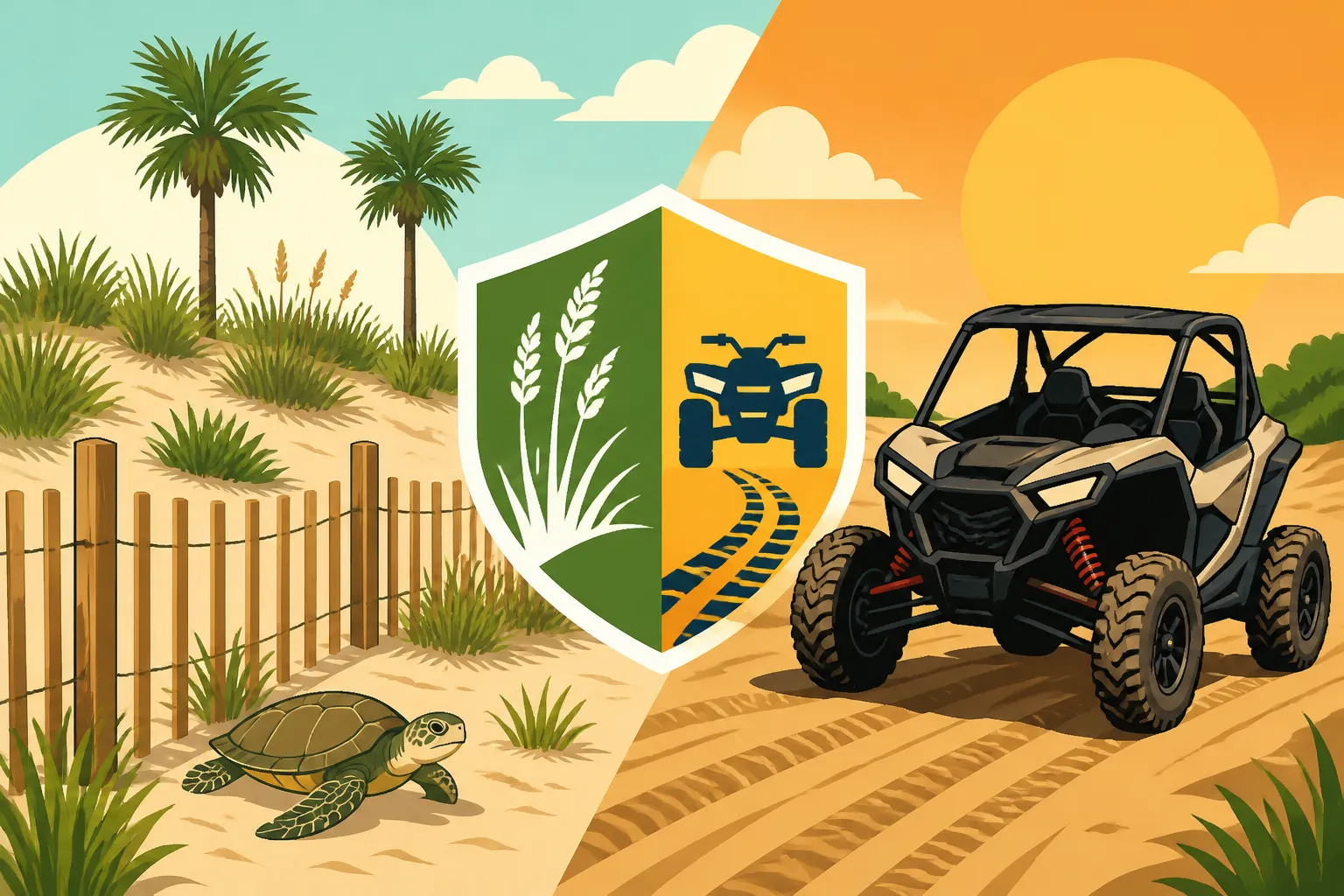
Beyond storm protection, these dunes are also vital habitats for a diverse array of plant and animal life. Think about the sea oats, for instance – those beautiful grasses you see swaying in the breeze. Their deep root systems are natural engineers, holding the sand in place and allowing the dunes to grow and stabilize. These plants create a unique ecosystem that supports everything from small insects to nesting shorebirds, and critically, they provide essential nesting grounds for threatened and endangered sea turtles. Driving a quad over these dunes doesn't just disturb the sand; it can crush delicate plants, destroy nests, and disrupt the entire intricate balance that makes this ecosystem thrive. It's a truly fragile environment, easily damaged by the weight and disturbance of an off-road vehicle.
The Legal Framework Protecting Dunes
Because of their immense ecological and protective value, Florida has robust state statutes and local ordinances specifically designed to protect coastal dunes. The overarching rule, which can be frustrating for riders, is a general prohibition on operating vehicles within these protected areas. The state laws provide a broad framework, and then individual counties and municipalities often layer on their own, even stricter, regulations. This means that rules can vary subtly from one coastal town to the next, which can be incredibly confusing if you're traveling along the coast with your machine.
These laws aren't just suggestions; they carry real teeth. They outline specific penalties for disturbing dunes, including driving on them. The intent is clear: to prevent damage to these critical natural barriers. It's not about being anti-ATV; it's about safeguarding Florida's coastline for future generations and protecting us all from the ravages of nature. So, while you might feel a pang of disappointment that you can't carve up the sand along the ocean, remember that these laws serve a much larger, vital purpose.
Identifying What Counts as a "Coastal Dune"
One of the trickiest parts for riders who aren't familiar with coastal ecology is knowing exactly what constitutes a "coastal dune" in the eyes of the law. To many, it might just look like a pile of sand near the water. However, the legal definition is often broader and includes not just the prominent sandy hills but also the "dune vegetation line," the "beach dune system," and any associated upland areas that provide a buffer.
This means that even if you're not driving directly over a towering dune, riding too close to the vegetation line or in areas that appear to be flat but are part of the dune system could still land you in trouble. Look for signs of vegetation, even sparse grass, or any elevated sand formations behind the main beach area. If there are plants growing, especially the characteristic sea oats, consider it a clear sign that you are in a protected dune environment. It’s always best to err on the side of caution. If it looks like a dune, smells like a dune, or has dune plants on it, assume it’s protected and keep your quad or UTV far away.
The Reality of Riding Quads on Florida Beaches
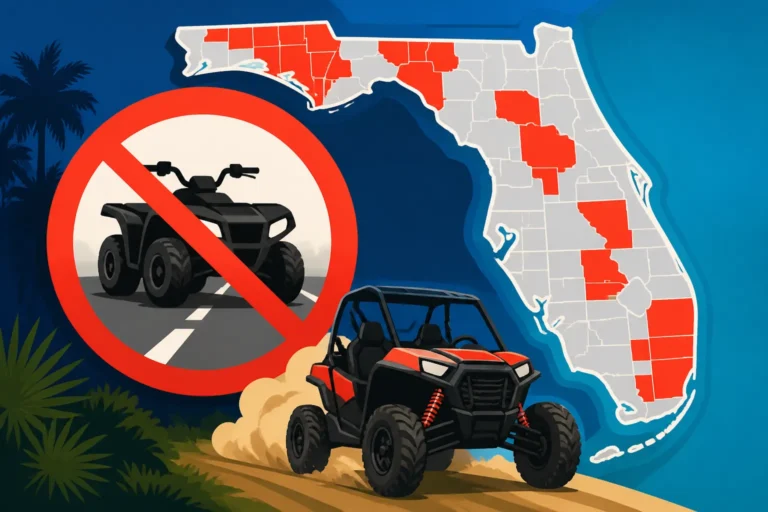
Let's address the elephant in the room: for most of Florida, riding quads and UTVs on public beaches is simply not allowed. It’s a common misconception, often fueled by images from other states or old movies, but the reality in the Sunshine State is very different.
General Prohibitions and Limited Exceptions
The vast majority of Florida's coastline is under strict protection, meaning you absolutely cannot drive your ATV or UTV on the beach or dunes. This blanket prohibition is in place to protect the delicate ecosystems we just discussed, and it's enforced diligently by local law enforcement and environmental agencies.
Are there any exceptions? Extremely rare ones. We're talking about highly localized situations, often for very specific, permitted events or emergency response vehicles. For example, some counties might allow limited vehicle access for specific activities like commercial fishing operations in certain zones, or for official cleanup efforts after a storm. Even then, these are usually restricted to specific types of vehicles, specific times, and require explicit permits. You won't find general "ride your quad on the beach" zones in Florida. It's important to understand that if you see someone driving a vehicle on a Florida beach, it's almost certainly an authorized vehicle (like a lifeguard's truck or a beach patrol vehicle) or someone breaking the law. Don't assume that if you see one vehicle, yours is welcome too. The odds are overwhelmingly against it.
Enforcement and Penalties for Illegal Beach Riding
Ignorance of the law is not an excuse, and law enforcement officers in Florida are well-versed in coastal protection ordinances. If you're caught riding your ATV or UTV illegally on a Florida beach or dune, you're looking at significant consequences. These aren't just slap-on-the-wrist infractions; they can be costly and inconvenient.
Penalties often include hefty fines, which can easily run into hundreds of dollars, especially if environmental damage is noted. Your vehicle could be impounded, leaving you with the additional expense of towing and storage fees, not to mention the hassle of getting it back. In more severe cases, particularly if there's extensive damage to critical habitat or interference with protected species like sea turtle nests, you could face even more serious environmental charges. It's easy to get frustrated when you see an untouched stretch of sand and feel like you're not hurting anything, but the laws are clear, and the penalties are designed to deter such actions. Think about what a drag it would be to have your machine impounded when you're just trying to enjoy a ride. It's simply not worth the risk.
The Impact of Sea Turtle Nesting Season
As if general prohibitions weren't enough, Florida's sea turtle nesting season adds another critical layer of protection that restricts any potential beach access. From May 1st through October 31st each year, Florida's beaches become vital nurseries for several species of endangered and threatened sea turtles, including Loggerheads, Green Sea Turtles, and Leatherbacks.
During this period, female turtles emerge from the ocean at night to dig nests and lay their eggs in the sand. These nests are incredibly vulnerable to disturbance. The weight of an ATV or UTV can crush eggs, compact the sand making it impossible for hatchlings to emerge, or leave deep ruts that trap tiny baby turtles. Even the noise and lights from vehicles can disorient nesting females and emerging hatchlings. Because of this, many coastal areas implement additional restrictions during nesting season, and enforcement is heightened. It's a powerful reminder that our desire for recreation must always take a back seat to the preservation of our precious wildlife. The sheer thought of harming these vulnerable creatures is enough to make any responsible rider keep their distance.
Navigating Permitted Access Near Coastal Areas
So, if the beach is largely off-limits, where can you ride in Florida? The good news is that Florida offers a fantastic array of legal, permitted off-highway vehicle (OHV) parks and trails, even if they aren't right on the coastline. The key is to know where to look and understand the rules for these designated areas.
Designated OHV Parks and Their Distance from the Coast
Florida has a number of public and private OHV parks that cater specifically to ATV and UTV riders. While these parks might not offer ocean views, many are within a reasonable drive of coastal communities and provide incredible riding experiences through diverse Florida landscapes. Think about the sprawling [Croom Motorcycle Area: Florida's Biggest OHV Park] in the Withlacoochee State Forest, or the extensive trail systems within the [Ocala National Forest ATV Trails in Florida]. These areas are specifically managed for off-road recreation, meaning the trails are designed for machines, maintained for safety, and regulated to protect the environment while still allowing for thrilling rides.
Even if a park is relatively close to the coast, it will still have strict boundaries and rules about where you can and cannot go, especially concerning any sensitive natural areas like wetlands or protected habitats. You won't find trails leading directly onto a sandy beach in these parks, as their focus is on providing robust trail systems without impacting delicate coastal ecosystems. They are a world away from the vulnerable dunes and offer a legitimate, exhilarating alternative for your riding adventures.
How to Find Legal Riding Opportunities
Finding legal riding opportunities in Florida requires a bit of research, but it's well worth the effort to ensure you're riding safely and responsibly. Your best bet is to start with official sources. The Florida Forest Service and the Florida Fish and Wildlife Conservation Commission (FWC) are excellent resources for information on state forests and wildlife management areas that allow OHV use. Additionally, many private mud parks and off-road resorts across the state offer fantastic riding environments.
Always check the specific rules and requirements for any park or trail system before you head out. These can include needing an OHV permit – such as the ones you'd find for state or national forests, which you can learn more about in [Florida OHV Permits: What You Need Before You Ride] – or even needing a safety course certificate, especially for younger riders as detailed in [Florida ATV Safety Course Requirements for Riders Under 16]. Many riders use their machines for work around their property too, and for that, you might also need to understand the difference between [Florida ATV Title vs Registration: The Difference] for legal ownership.
When outfitting your machine for diverse Florida trails, think about durability and functionality. Brands like SuperATV offer a huge range of aftermarket accessories that can enhance your ride on legal trails. For example, a robust lift kit and A-arms can improve ground clearance for navigating muddy sections or rocky climbs, while heavy-duty bumpers offer extra protection against trail obstacles. They also offer lighting solutions, like LED light bars, which are perfect for extending your ride into the evening hours in permitted parks, ensuring visibility and safety on those winding trails. Just be sure to check park rules on light use and noise, as some areas have restrictions.
Protecting Your Machine and the Environment on Permitted Trails
Responsible riding is paramount, not just to protect the environment, but also to ensure the longevity of your machine and your own safety. When you're in a designated OHV park, stick to the marked trails. Venturing off-trail can damage vegetation, disturb wildlife, and often leads to erosion, which degrades the very trails you want to enjoy.
Staying on marked trails also helps prevent getting lost and keeps you away from potentially dangerous hidden obstacles. Aftermarket accessories, like those from SuperATV, can play a role here too. Investing in quality skid plates can protect the underside of your ATV or UTV from unexpected impacts with rocks or roots. Winches are another smart accessory to have, not just for getting yourself unstuck, but also for helping out a fellow rider on a challenging section of trail.
Remember, the goal is to enjoy the thrill of off-road riding while minimizing your footprint. This ensures that these incredible public and private riding areas remain open and accessible for everyone for years to come. Always be sure to check for [Florida Trail Closures You Should Check First] before heading out, especially after heavy rains, to avoid damaging trails that are too wet or riding into areas that are temporarily closed for maintenance or conservation.
Alternatives to Beach Riding for Florida Quad Enthusiasts
Giving up the dream of beach riding doesn't mean giving up quad riding in Florida. Far from it! The state is a treasure trove of diverse off-road landscapes, offering experiences that are just as, if not more, exhilarating than a restricted beach cruise.
Exploring Florida's Diverse Inland OHV Trails
Florida's interior boasts an incredible variety of terrain perfect for quads and UTVs. Instead of struggling with the extremely soft, protected sand of the beach, imagine navigating through dense pine forests, splashing through mud bogs, or carving through sandy scrub trails. Places like the [Ocala National Forest ATV Trails in Florida] offer miles of marked trails that wind through unique environments, from longleaf pine flatwoods to open sand scrub. Each of Florida's [Florida State Forest OHV Areas Explained] provides its own distinct flavor of riding, whether it's the challenging terrain of Croom or the more open trails found in others.
These trails offer a different kind of beauty and challenge. You'll encounter diverse wildlife, from deer and wild turkeys to a multitude of bird species. The feeling of the forest closing in around you, the smell of pine needles, and the challenge of navigating technical sections on a well-maintained trail system is an experience unique to Florida's inland riding. Many of these areas also offer camping, making for fantastic multi-day adventures where you can ride all day and relax under the stars at night. You can find a comprehensive list and descriptions in [Florida ATV Trails: Every Public Riding Area].
Planning Your Trip to Legal Riding Areas
Planning is key to a successful and legal off-road adventure in Florida. First, identify the specific OHV park or trail system you want to visit. Research their regulations thoroughly:
- Permits: Do you need a day pass or an annual pass? What are the [Florida National Forest OHV Pass Prices]?
- Safety Courses: Are there age-specific requirements for safety certifications?
- Vehicle Requirements: Are there width restrictions (like at Croom, which has a strict 55-inch limit for ATVs, making many side-by-sides ineligible)? Are spark arrestors required?
- Operating Hours: When do the gates open and close?
- Amenities: Are there restrooms, wash stations, or camping facilities?
Pack appropriate gear for Florida's climate, which can be hot and humid. Hydration is crucial. Helmets are mandatory in all public riding areas, especially for younger riders as per [Florida ATV Helmet Law for Riders Under 16]. Consider bringing extra fuel, a basic tool kit, and a first-aid kit. A GPS or detailed map of the trail system is also highly recommended, as cell service can be spotty in remote areas.
Also, be mindful of [Florida ATV Road Rules: Where You Can Legally Ride] if you plan to travel between areas, as these are very specific and rarely allow for general road use. The rules for taking a quad from your truck to the trailhead are different from simply riding it down a paved street.
Community and Advocacy for Responsible Riding
Instead of fighting against coastal protection laws, a more productive approach for Florida ATV and UTV enthusiasts is to engage with the vibrant off-road community and advocate for responsible riding. Joining local ATV clubs can be incredibly beneficial. These clubs often organize group rides to legal areas, share invaluable knowledge about local trails, and provide opportunities to learn from experienced riders.
Furthermore, these clubs frequently participate in trail maintenance, volunteer efforts, and discussions with land managers and local governments to expand or improve riding opportunities. By becoming part of a community that demonstrates responsible riding ethics and actively works to preserve trails, you contribute positively to the perception of off-road recreation. It helps to show that riders are stewards of the land, not destroyers. Supporting organizations that work with land management agencies is a powerful way to ensure that legal, enjoyable riding areas continue to exist and potentially grow, far away from the delicate coastal dunes.
Disclaimer
This article is for general informational purposes only and does not constitute professional advice. Laws, prices and regulations vary by location and change over time. Consult a qualified professional for guidance on your specific situation.