Riding a Sandbar at Low Tide
The idea of riding your ATV or UTV across a vast, exposed sandbar in Florida, with the sun glinting off the water and the wind in your face, sounds like an absolute dream for many off-road enthusiasts. However, this enticing image often collides head-on with a complex reality of legal restrictions, environmental concerns, and the very real danger of tides. This guide is here to walk you through the nuances of operating your off-highway vehicle on Florida's sandbars, helping you understand the rules, risks, and responsible ways to enjoy our beautiful coastlines without landing in hot water or harming sensitive ecosystems.
The Allure and Risks of Sandbar Riding in Florida
There's no denying the magnetic pull of Florida's coastal environments for off-road riders. The vast, open spaces, the unique terrain, and the sheer sense of adventure that comes with exploring a place usually inaccessible by conventional vehicles are incredibly appealing. But it’s precisely this allure that often leads riders into situations they weren’t prepared for, legally or environmentally.
Why Sandbars Attract ATV/UTV Riders
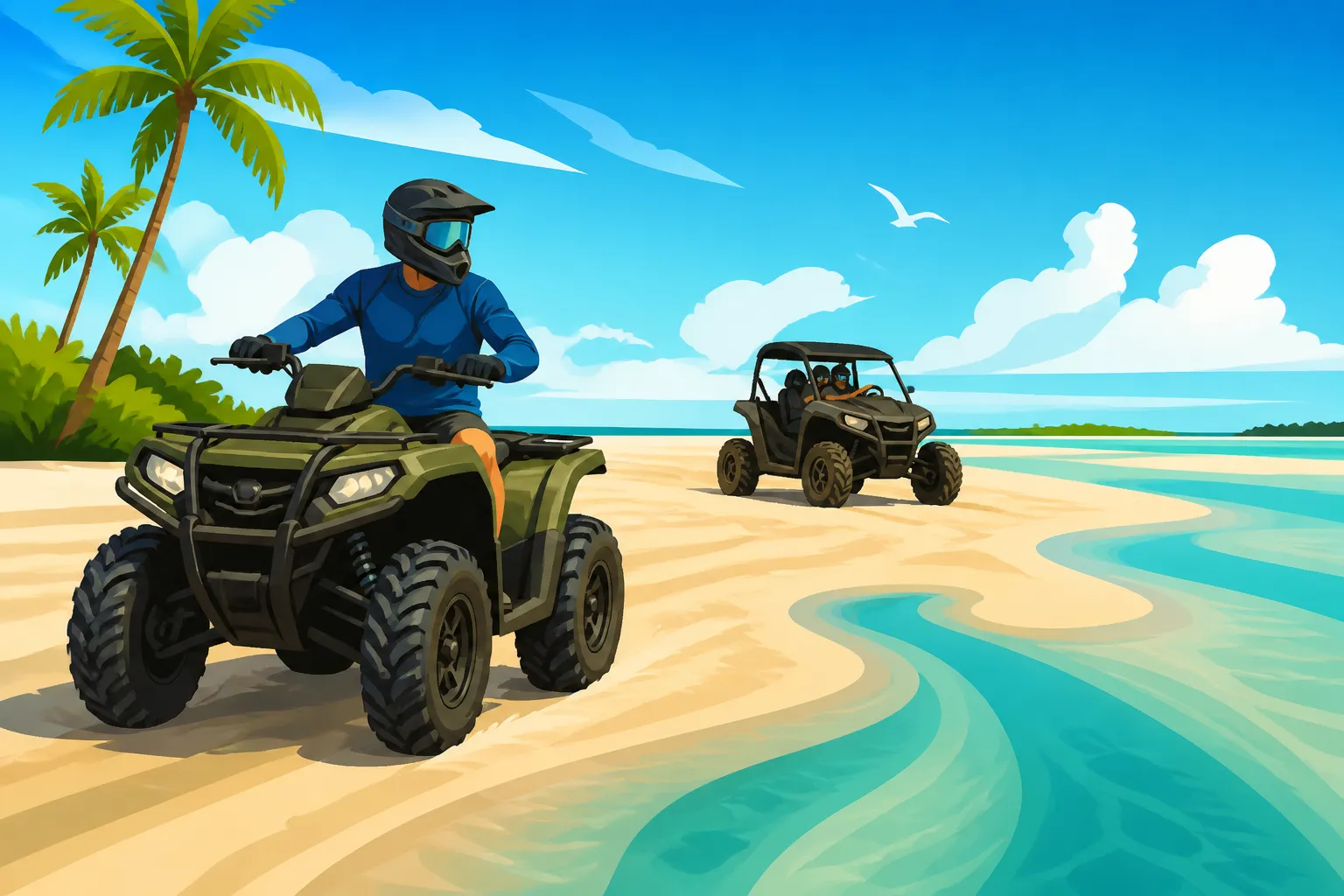
Imagine the freedom: miles of firm, packed sand stretching out before you, the rhythmic sound of the ocean, and the sun shining down. Sandbars, especially those exposed at low tide, offer a temporary, natural playground that feels wild and untamed. For riders accustomed to trails and designated parks, the change of scenery is invigorating. It’s a chance to experience a different kind of terrain, to test their machines against the elements of salt and sand, and to simply be out in nature in a truly unique way. Many see it as a thrilling, once-in-a-lifetime kind of ride, especially if they’re visiting from out of state and aren't familiar with Florida's specific land-use rules. The perception of a sandbar as "unclaimed" or "open" land often fuels this desire, creating a powerful, albeit often misguided, urge to explore.
The Environmental and Legal Landmines You Might Face
While the adventure of sandbar riding is captivating, the reality is that such activities are fraught with significant environmental and legal risks in Florida. Our state takes coastal protection very seriously, and for good reason. Beaches, dunes, and intertidal zones are delicate ecosystems vital for marine life, shorebirds, and coastal stability. Operating a heavy off-highway vehicle (OHV) on these surfaces can disturb nesting sites for sea turtles and birds, crush fragile vegetation, erode shorelines, and pollute the water with fuel or oil. The impact isn't always immediately visible, but it can have long-lasting consequences for the environment.
From a legal standpoint, Florida's laws are generally very restrictive about where ATVs and UTVs can operate on public lands, especially near sensitive coastal areas. Most beaches are off-limits to motorized vehicles unless specifically designated otherwise, and sandbars, even those seemingly isolated, fall under these protective regulations. You might encounter local ordinances, state statutes, or even federal rules, depending on the specific location. Violations can lead to hefty fines, impoundment of your machine, and even criminal charges, not to mention the potential civil penalties for environmental damage. It's a classic case of what looks like an open invitation actually being a heavily regulated, protected zone. Ignoring these rules can lead to a very bad day for you and your machine. The key takeaway here is that "public access" doesn't automatically mean "public riding."
Understanding Florida's Complex Laws on Public Land and Water Access
Navigating the legal landscape of ATV and UTV use in Florida's coastal areas can feel like trying to cross a minefield blindfolded. It's not as simple as "if there's no sign, it's okay." Our state has a robust framework of laws designed to protect its natural resources, and coastal zones are at the top of that list.
Where Florida Law Stands on Operating OHVs in Coastal Areas
Generally speaking, Florida law prohibits the operation of ATVs and UTVs on beaches, coastal dunes, and sandbars unless a specific local ordinance or state permit explicitly allows it. Chapter 316.2123, Florida Statutes, which governs off-highway vehicles, primarily focuses on their use on unpaved roads and designated trails, and it's notably silent on sandbars and beaches because the default assumption is that they are off-limits. The focus is always on preventing damage to fragile ecosystems and ensuring public safety in areas typically used for recreation like swimming and sunbathing. For more details, you might want to review [Florida Beach and Dune Access for ATV Riders].
Consider the example of a sandbar that forms seasonally near a popular coastal inlet. While it might appear to be just a patch of sand, it's still part of the tideland, subject to state environmental protection laws. These areas are often critical habitats for small fish, crustaceans, and shorebirds, acting as feeding grounds or temporary refuges. Running an OHV over these areas can easily destroy these microhabitats. Even if you're far from the main beach, the same rules often apply because the environmental concerns, such as erosion and disturbance of wildlife, remain. It’s not just about what looks like "private" or "public" land; it’s about the ecological function of the area.
Distinguishing Between Public and Private Waterways and Land
This is where things get particularly tricky. In Florida, sovereign submerged lands – the land beneath navigable waters – are generally owned by the state and held in trust for the public. This includes the seabed of the ocean, bays, and many rivers. When low tide exposes a sandbar, that land doesn't magically become an unregulated free-for-all. It's still part of those sovereign lands, often under the purview of the Florida Department of Environmental Protection (FDEP) or managed by local authorities. Even if a sandbar is technically "dry" for a few hours, it's considered part of the aquatic environment for regulatory purposes.
On the other hand, if a sandbar were to form entirely on private property – say, a very large, privately owned island with its own tidal flats – the rules might differ, though even then, environmental regulations could still apply. However, most sandbars people think of riding are in publicly owned waterways or immediately adjacent to public beaches. It's crucial not to confuse the temporary exposure of land with a change in its legal status. Think of it like a public park that might be flooded at high tide; just because the water recedes doesn't mean you can suddenly drive a vehicle through the flower beds. Ignorance of these distinctions is not a valid defense if you're caught. Knowing [Florida's Off-Highway Vehicle Title Law Explained] is important, but that title won't grant you permission to ride where it's prohibited.
The Role of Local Ordinances and Jurisdictions
While state law sets a baseline, local counties and municipalities often have their own, more specific, and frequently stricter ordinances regarding beach and coastal access for vehicles. A rule that applies in Pensacola might be completely different in Naples or Jacksonville. These local rules can define everything from permissible vehicle types and operating hours to specific zones where vehicles are allowed or explicitly banned. Sometimes, even within the same county, one city might allow beach driving in a designated area, while its neighbor completely prohibits it.
For example, certain counties might have specific stretches of beach where four-wheel-drive vehicles (often requiring special permits) are allowed, but these permits almost universally exclude ATVs and UTVs due to their off-road nature and potential for damage. You might also encounter areas managed by federal entities, like national parks or wildlife refuges, which have their own sets of rules that are even more stringent. Before you even think about putting tires on sand near water, you absolutely must check with the local county sheriff's office, city hall, or park rangers for the specific jurisdiction you're interested in. Relying on anecdotal evidence or what "someone told you" is a recipe for trouble. Being familiar with [Florida Penalties for Illegal ATV Road Riding] can give you an idea of what kind of consequences you might face for riding where you shouldn't, even on a sandbar.
Here's a simplified look at how different jurisdictions often view sandbar/beach access:
| Jurisdiction Level | Typical Stance on ATV/UTV Sandbar Riding | What to Do |
|---|---|---|
| State of Florida | Generally prohibited on sovereign submerged lands (including exposed sandbars). | Assumes no until proven otherwise; check FDEP regulations and state statutes. |
| County/Municipal | Varies widely. Most prohibit, some have limited designated areas (usually for trucks, not ATVs). | Absolutely check local ordinances for the specific location. Contact local law enforcement/beach patrols. |
| Federal (e.g., NPS) | Almost universally prohibited outside of very specific, highly regulated instances. | Check specific National Park/Refuge rules well in advance. |
| Private Land | Permission required from landowner. Still subject to state environmental regulations. | Get explicit written permission. Be aware environmental rules still apply. |
Best Practices for Responsible and Legal Sandbar Exploration
So, given the complexities, is sandbar riding in Florida completely off the table? Not always, but it requires a very specific approach rooted in research, preparation, and respect for the environment and the law. True sandbar exploration usually means on foot, by kayak, or through very limited, specific, and permitted means, not typically with an ATV or UTV.
Researching Ahead: Permits, Restrictions, and Tide Charts
If you are determined to find a place where beach or sandbar riding might be permissible, your first step is exhaustive research. This isn't a spontaneous adventure. You need to identify specific, legally sanctioned locations, if any exist, that allow OHV access to intertidal zones or hard-packed beaches. This will likely involve dedicated off-road parks or very rare county-designated driving beaches, and even then, ATVs might be excluded. Look for specific information, not just general "beach access." You might find that [Florida Beach Driving and ATVs] offers a comprehensive overview of general rules.
Critically, if you do find an area where some form of motorized vehicle access is permitted (and again, this is highly unlikely for ATVs/UTVs on actual sandbars), you must understand the local rules inside and out. This includes any required permits, specific operating hours, speed limits, and designated paths. Always consult a tide chart for the exact location you plan to visit. Sandbars are temporary land formations. What's dry and firm at one moment can be submerged and soft mud an hour later. Getting stuck as the tide rises can not only be disastrous for your machine but can also put you in a dangerous situation, requiring costly rescue efforts. A rising tide is relentless, and no amount of horsepower from your SuperATV parts will help if you're stuck in rapidly deepening water.
Preparing Your Machine for a Saltwater Environment
Even if you find a legal spot to ride on sand near the coast, preparing your ATV or UTV for a saltwater environment is paramount. Saltwater is incredibly corrosive and can wreak havoc on every component of your machine, from the frame and suspension to the engine and electronics.
Pre-Ride Checklist:
- Corrosion Protection: Apply a liberal amount of anti-corrosion spray (like Boeshield T-9 or ACF-50) to all exposed metal parts, electrical connections, and fasteners. Pay extra attention to control cables, pivot points, and undercarriage components.
- Waterproofing: Ensure all electrical connections are sealed and waterproofed. If you plan to be near or in any water, even shallow tidal pools, consider sealing your airbox and differential vents. A snorkel kit might be overkill for sandbar riding, but ensuring no easy water ingress is key.
- Tire Pressure: Adjust tire pressure for sand. Lowering it slightly will increase your tire's footprint, providing better flotation and traction on soft sand, reducing the likelihood of getting stuck. However, be mindful of going too low, as this can de-bead a tire, especially if you hit a harder patch.
- Safety Gear: Always wear appropriate safety gear, including a helmet, eye protection, and sturdy footwear. The coastal environment can be unpredictable, with hidden debris or sudden drops.
- Emergency Kit: Carry a recovery strap, shovel, basic tools, a fully charged phone in a waterproof case, and enough fresh water for yourself. Consider a GPS device or a marine radio if you're in a remote area.
Post-Ride Maintenance is Crucial:
As soon as possible after riding near saltwater, give your machine a thorough cleaning. Rinse every single part of your ATV or UTV with fresh water. Use a pressure washer, but be careful around bearings and electrical components. Pay close attention to the frame, suspension, brakes, and wheel wells. Once clean, immediately reapply corrosion protection. Lubricate all pivot points, chains (if applicable), and cables. Skipping this step even once can lead to rapid rust and component failure, turning a fun ride into a costly repair bill. The salt will find every crevice and start its destructive work immediately.
Minimizing Your Impact and Staying Safe
Responsible riding, especially in sensitive coastal areas, goes beyond just legal compliance. It’s about being a good steward of the environment and ensuring your own safety.
- Stay on Designated Paths: If, by some slim chance, you find a legal area for OHV use on a beach or sandbar, stick strictly to designated paths. Do not venture into vegetated areas, dunes, or marked sensitive zones.
- Watch for Wildlife: Coastal areas are teeming with life. Be extremely vigilant for nesting birds, sea turtle hatchlings (especially during nesting season), crabs, and other marine life. Slow down, give animals a wide berth, and if you spot nests or vulnerable wildlife, move away from the area immediately. During sea turtle nesting season, [Sea Turtle Nesting Season Beach Closures] are very common, and disturbing a nest is a serious offense.
- Pack It In, Pack It Out: Leave no trace. Everything you bring with you, take back out. This includes trash, discarded parts, and anything else.
- Be Aware of Changing Conditions: Tides, currents, and weather can change rapidly in coastal Florida. A clear sky can quickly turn into a thunderstorm, and a calm sea can become rough. Always keep an eye on the conditions and be prepared to leave quickly if necessary. Getting stranded on a remote sandbar in bad weather is incredibly dangerous.
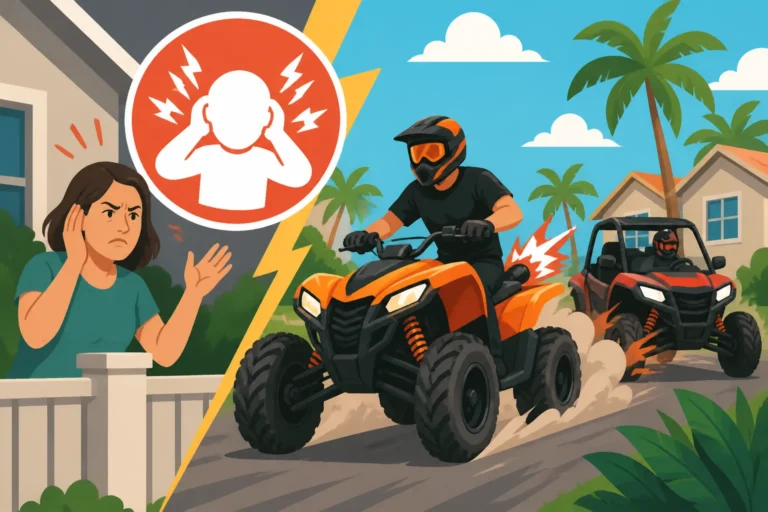
- Respect Other Users: Remember that coastal areas are used by many people for various activities – fishing, swimming, birdwatching, or simply relaxing. Keep your distance, control your speed, and minimize noise to avoid disturbing others.
- Inform Someone: Always let someone know your plans, your route, and your expected return time, especially if you're venturing into a less-traveled area. Cell service can be spotty on remote sandbars, so a backup plan is essential.
Alternatives to Sandbar Riding for Florida ATV/UTV Enthusiasts
Given the significant restrictions and environmental sensitivities, most ATV and UTV riders in Florida will find that sandbar riding is simply not a viable or legal option. However, that doesn't mean you can't enjoy fantastic off-road experiences with your machine! Florida offers a wealth of alternatives that are legal, safe, and equally thrilling.
Designated Beaches and OHV Parks
While most sandbars are off-limits, Florida does have a few designated areas where beach driving is permitted for certain vehicles. However, it is critical to understand that these areas are almost exclusively for street-legal, four-wheel-drive passenger vehicles (like trucks and SUVs), and ATVs or UTVs are typically not allowed. These few exceptions, like certain stretches of Daytona Beach or St. Johns County beaches, operate under very strict rules, requiring permits, fees, and adherence to specific zones and times. For ATVs and UTVs, these locations are usually not an option.
The real answer for Florida OHV enthusiasts looking for sand-based riding is to head to one of our fantastic off-highway vehicle (OHV) parks or state forest trail systems. Places like Croom Motorcycle Area within the Withlacoochee State Forest, Ocala National Forest trails, and other private mud parks offer miles upon miles of challenging and diverse terrain, often including sandy trails that mimic some of the feel of sandbar riding without the legal and environmental headaches. These parks are designed for OHV use, have proper management, and sometimes even offer amenities like camping. To find out more about where you can ride, check out [Florida ATV Trails: Every Public Riding Area]. These parks are explicitly set up for machines like yours, ensuring both environmental protection and rider enjoyment.
Exploring Inland Water Management District Trails
Beyond dedicated OHV parks, Florida has extensive networks of trails managed by various Water Management Districts (WMDs) and other state agencies. These lands, often used for flood control, water quality protection, and ecosystem restoration, frequently include dirt roads and multi-use trails that are open to the public for recreation, including some limited OHV use. While you won't find sandbars here, you will encounter diverse landscapes from pine flatwoods and cypress swamps to agricultural fields and remote unpaved roads.
Gaining access to these areas often requires specific permits, which are generally affordable and help fund the maintenance of these lands. The key is to research the specific WMD or agency (e.g., Southwest Florida Water Management District, St. Johns River Water Management District, Florida Forest Service) and their regulations for recreational access. These permits often cover large tracts of land and can provide months or even a year of legal riding opportunities. It's a fantastic way to explore Florida's natural beauty in a responsible and authorized manner, without the risk of citations or environmental damage. For guidance on how to access these, look for information on [Florida Water Management District Riding Permits]. You'll often find trails with challenging sand sections, mud holes, and long, winding routes that provide plenty of adventure, all while staying within the bounds of the law. You can even equip your machine with some robust SuperATV accessories for these more demanding inland trails, making sure your quad is ready for anything the Florida wilderness throws at it.
Disclaimer
This article is for general informational purposes only and does not constitute professional advice. Laws, prices and regulations vary by location and change over time. Consult a qualified professional for guidance on your specific situation.