Private Dirt Roads and Florida ATV Law
There's a unique sense of freedom that comes with riding your ATV or UTV off the beaten path, especially when you picture those long, winding private dirt roads stretching through Florida's natural beauty. But that feeling of freedom can quickly turn to anxiety when you start wondering, "Is this actually allowed?" It’s a common frustration for many riders in our state – knowing the thrill of off-road riding, but feeling uncertain about the specific rules that govern private land. This guide is here to clarify everything you need to know about riding your all-terrain vehicle on private dirt roads in Florida, helping you stay legal, safe, and respectful.
The Basics: What Constitutes a "Private Dirt Road" in Florida?
Before we dive into the specifics of riding, it’s crucial to understand what exactly we mean when we talk about a "private dirt road" here in Florida. The distinction between a public road and a private one isn't always as obvious as pavement versus gravel, and misunderstanding this can lead to sticky situations.
Distinguishing Private from Public Access
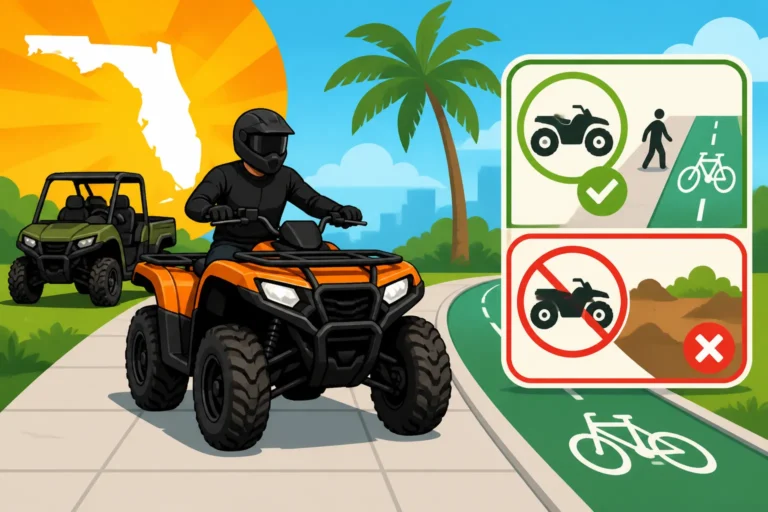
At its core, a public road in Florida is one that is dedicated for use by the general public and is typically maintained by a government entity – be it the state, a county, or a municipality. These roads are usually built to certain standards, have official signage, and are subject to the full spectrum of traffic laws. Whether paved or unpaved, if a road is designated for public travel and maintained with taxpayer dollars, it's public. This is where most of the strict ATV road laws apply, often making it illegal to operate an ATV unless it's a designated [Florida Counties That Designated ATV Roads] or you're simply crossing a highway.
A private dirt road, on the other hand, is owned and maintained by an individual, a group of individuals, or a private entity, like a corporation or a homeowner's association. These roads are not intended for general public access, and their use is typically restricted to the owner, their guests, or those with specific permission. The maintenance falls squarely on the owner, not the public. Think of the long driveway leading to a sprawling ranch, a network of logging roads on private timberland, or the unpaved paths within a large private recreational area. While they might look similar to a public dirt road, their legal status is fundamentally different, and that difference is key for ATV riders.
The challenge sometimes arises when a private road appears to be public, perhaps because it's used frequently by a few neighbors or has existed for generations without clear signage. Just because others use it doesn't automatically make it public. The legal intent of the owner and the actual dedication of the road for public use are what count. If you're ever in doubt, the safest bet is to treat it as private and seek permission, or confirm its public status with the local county road department.
Easements, Homeowner Associations, and Shared Drives
The term "private" isn't always cut and dry, especially when we talk about easements, homeowner association (HOA) roads, or shared drives. These scenarios add layers of complexity that riders need to be aware of.
An easement grants a specific right to use someone else's property for a particular purpose. For example, a utility company might have an easement to access power lines that cross your land, or a neighbor might have a deeded access easement across your private dirt road to reach their own property. While the road itself is still private property, the easement holder has a legal right to use it. This means that if you're riding on a private dirt road that is also subject to an access easement, the terms of that easement might affect who can use the road and how. It's crucial for riders to understand that an easement does not necessarily grant permission for recreational ATV riding; it grants access for a specific purpose to specific parties. Riding an ATV on an easement without explicit permission from the underlying landowner could still be considered trespassing.
Homeowner associations, particularly in rural or semi-rural developments, often own and maintain their own internal road networks, which can include many private dirt roads. These roads are private to the community, and their use is governed by the HOA's covenants, conditions, and restrictions (CC&Rs). While residents might feel a sense of ownership over these roads, their use, especially for ATVs, is subject to HOA rules. Many HOAs have strict rules about recreational vehicle use, noise, and speed limits, even on their private roads, to maintain peace and safety within the community. Ignoring these rules could lead to fines or other penalties from the HOA, even if you own property there.
Shared private drives, common in areas where multiple properties are accessed via a single unpaved lane, present another nuanced situation. While each property owner might have a right to use the shared drive, it doesn't automatically grant them the right to ride ATVs recreationally on it, especially if it disturbs other residents. In these cases, it's not just about the landowner's permission, but also about the mutual agreement and respect among all parties who share the access. A good rule of thumb: just because you have a legal right to access your property via a private road, doesn't mean you have unlimited rights to recreate on that road with an ATV. Always clarify with all relevant parties before you ride.
ATV Riding on Private Dirt Roads: The Legal Landscape
Now that we understand what a private dirt road is, let's get into the specifics of operating your ATV on one under Florida law. This is where many of the anxieties about legal riding on private land can be put to rest, provided you adhere to some fundamental principles.
Owner's Permission is Key
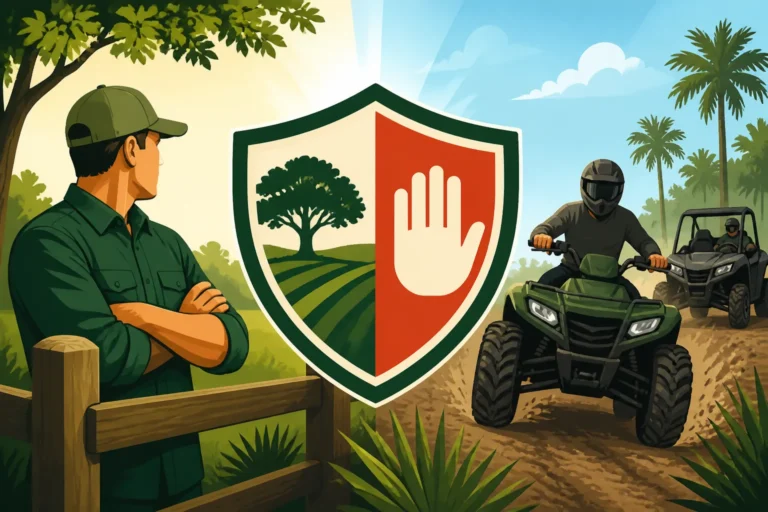
Let's be absolutely clear from the outset: the golden rule for riding an ATV on any private dirt road in Florida is having explicit, verifiable permission from the landowner. This isn't just a suggestion; it's the bedrock of legal and responsible riding. Imagine you've got a buddy who owns a sprawling ranch down in Osceola County with miles of winding dirt tracks. He says, "Yeah, come on over and ride whenever you want!" That's great, but what happens if a new gatekeeper is on duty, or if there's a misunderstanding? Verbal permission can be easily forgotten or misconstrued, especially if the owner isn't present when you're riding.
To avoid any uncomfortable confrontations or even accusations of trespassing, always, always aim for written permission. A simple email or text message confirming the terms of your access – who can ride, when, and where – can save a world of trouble. This documentation serves as a clear understanding between you and the landowner, preventing situations where a well-meaning neighbor might call the sheriff because they see someone riding on what appears to be private land without authorization. It's about respecting property rights and ensuring everyone is on the same page.
This level of clarity becomes even more critical if the land changes hands, or if you're riding on a property managed by multiple individuals, like a large hunting lease or a family trust. Without clear permission, you could unknowingly violate [Florida Trespass Law for ATV Riders] even if you thought you had the green light. The Florida statutes are quite specific about unauthorized entry, and ignorance of who owns which stretch of dirt road is rarely a valid defense. So, take the extra step, get it in writing, and keep it with you when you ride.
The "Private Property" Exemption in Florida ATV Law
One of the biggest reliefs for Florida ATV owners is the clear distinction the law makes between operating an ATV on public roads versus private property. Florida Statutes generally prohibit the operation of ATVs on public roads, streets, or highways. However, there's a significant exception carved out for private land. As long as you have the owner's express permission, you can typically ride your ATV on private property without many of the restrictions that apply to public roads.
This means that if you own the private dirt road, or have clear permission from the owner, your ATV doesn't need to be "street legal" with things like turn signals, mirrors, or specific lighting that would be required for public road use. You also don't necessarily need a driver's license to operate the ATV on purely private land, though it's always recommended to be an experienced and responsible rider. This is a key point for many riders who enjoy their machines purely for recreation or work on private land and don't wish to deal with the complexities of titling or registering for incidental road use. In essence, [Can You Ride an Untitled ATV on Private Land in Florida]? Yes, with permission, you generally can, because the title requirement for OHVs mostly kicks in when you intend to ride on designated public lands.
However, this exemption isn't a free pass for reckless behavior. While the specific road rules don't apply, common sense and general safety principles still do. If you're on your own property or property with permission, you're usually good to go without worrying about traditional vehicle registration or public road equipment. This is the foundation of much of Florida's off-road riding culture, allowing for everything from leisurely trail rides to agricultural work on [Florida Agricultural Property ATV Exceptions].
Still Mind the Rules: Safety and Local Ordinances
Even on private land, where the rules are generally more relaxed, it's not a complete Wild West. You still have a responsibility to ride safely and be mindful of other regulations, especially local county ordinances and general legal principles.
Safety should always be your top priority, regardless of where you're riding. This means wearing appropriate safety gear, including a helmet, eye protection, and sturdy footwear. While Florida law mandates helmets for riders under 16 on public lands, it's just good practice for all ages, everywhere. A severe injury on private property is still a severe injury, and protective gear significantly reduces risks. Furthermore, if you're riding with children, remember that [Florida ATV Helmet Law for Riders Under 16] is a good baseline, and direct adult supervision is critical, even when not legally mandated.
Beyond safety, you need to be aware of any specific local ordinances that might apply even to private land. While state law grants broad permission for private land riding, counties and municipalities can enact their own regulations concerning things like noise, hours of operation, and nuisance complaints. For example, if your private dirt road is located close to residential areas, operating a loud ATV late at night could lead to noise complaints, which a local sheriff might have to address. [What a Landowner Can Do About Trespassing Riders] and noise issues often fall under local jurisdiction and can lead to fines or other legal actions, even if you have permission to be on the land.
Lastly, liability is a huge consideration. If an accident occurs on private property, there are legal ramifications for both the landowner and the rider. We’ll delve into this more, but understand that operating your ATV, even on private dirt roads, comes with inherent risks. Being aware of these additional layers of rules and responsibilities ensures a much smoother and safer riding experience for everyone involved.
Practical Considerations and Potential Pitfalls
Riding on private dirt roads offers immense freedom, but it also comes with practical considerations and potential pitfalls that riders and landowners should seriously ponder. It's not just about legal permission; it's about good sense, good neighbor relations, and being prepared for the unexpected.
Liability Concerns for Owners and Riders
This is a big one that often gets overlooked in the excitement of hitting the trails. When you're riding an ATV on a private dirt road, whether it's your own property or someone else's, liability becomes a significant concern for both the landowner and the rider.
For landowners, inviting others to ride on their property, even casually, can create a "duty of care." This means the landowner might be legally obligated to ensure the property is reasonably safe for riders. If there are hidden dangers, like an unmarked ditch, a submerged culvert, or a poorly maintained bridge, and a rider gets injured, the landowner could potentially be held liable. While Florida has some recreational use statutes designed to protect landowners who allow public access for certain activities, these often come with specific conditions that might not apply to a casual invitation to ride an ATV on a private dirt road. It's wise for landowners to understand their homeowner's or liability insurance policies and consider having guests sign waivers acknowledging the risks.
For riders, understanding your own liability is equally important. Even if the landowner is found partially responsible for an accident, your actions can also lead to liability. Riding under the influence, operating a machine in disrepair, riding recklessly, or ignoring safety guidelines can all shift blame to the rider. If you cause damage to the property, or worse, injure another person while riding, you could be personally responsible for those damages. While [Do Florida ATVs Need Insurance to Be Titled] is generally not required for private land riding, having your own liability insurance (sometimes through a homeowners or umbrella policy) is a smart move to protect yourself from unforeseen costs if an accident occurs. Always ride within your skill level and the capabilities of your machine.
Noise, Trespass, and Neighborly Relations
Even with explicit permission to ride on a private dirt road, you're not riding in a vacuum. Your activities can impact neighbors, wildlife, and the overall tranquility of the area. Maintaining good neighborly relations is key to preserving your riding privileges.
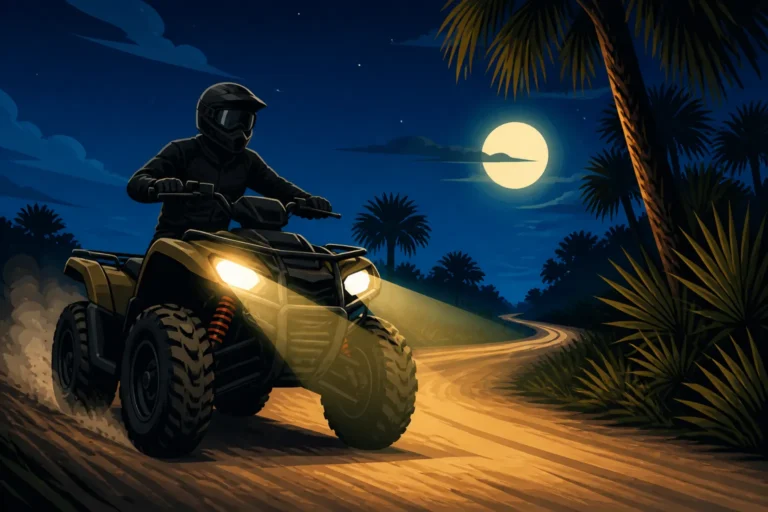
Noise is a primary concern. ATVs and UTVs, especially modified ones, can be quite loud. While the sound might be music to a rider's ears, it can be a significant disturbance to neighbors, particularly those living in rural areas who value peace and quiet. Most private landowners are sensitive to this and might impose their own rules about riding hours or noise levels to avoid complaints. Repeated noise complaints can even lead to local law enforcement getting involved, not necessarily because you're breaking ATV-specific laws, but because you're creating a public nuisance, which can be covered by general ordinances. Be considerate: avoid early morning or late-night rides, and be mindful of your exhaust system.
Trespassing is another critical issue. While you might have permission for one specific private dirt road, straying onto an adjacent property without permission immediately makes you a trespasser. This is incredibly easy to do, especially in dense Florida wilderness where property lines aren't always clearly marked. Always know your boundaries, and if in doubt, don't cross them. [Florida Trespass Law for ATV Riders] is serious, and simply saying "I didn't know" is rarely a defense if you're caught. Carrying written permission and a map of the permitted riding area can help prevent accidental trespass.
Ultimately, your actions on private dirt roads reflect not just on you, but on all ATV riders. Being respectful, keeping noise to a minimum, and staying within authorized boundaries ensures that landowners remain open to allowing ATV use, protecting this vital aspect of our riding community.
Modifying Your ATV for Private Land Riding (and Beyond)
One of the great joys of owning an ATV or UTV is the ability to customize it for specific types of riding, and private dirt roads offer the perfect testing ground for these modifications. Whether you're tackling deep ruts, sandy stretches, or just enjoying a smoother ride, the right accessories can make a huge difference.
For many, modifications start with suspension upgrades. If your private dirt roads are particularly challenging with lots of bumps, rocks, or uneven terrain, a good set of aftermarket shocks or a lift kit can dramatically improve your ride quality and ground clearance. Companies like SuperATV offer a wide range of suspension components, from simple spring upgrades to complete long-travel kits, designed to handle the most rugged conditions Florida can throw at you. These modifications not only make the ride more comfortable but also help protect your machine's undercarriage from damage.
Tire choice is another critical factor. While stock tires are fine for general use, if your private roads are consistently muddy, sandy, or rocky, specialized tires can offer much better traction and performance. Aggressive mud tires bite deep into muck, while paddle tires excel in loose sand. Even for general dirt roads, a good all-terrain tire with a tougher sidewall can prevent punctures from sharp rocks or debris. SuperATV also carries various tire options suitable for different private land terrains, allowing you to tailor your machine to your specific riding environment.
Other common modifications include winch systems, which are invaluable for self-recovery or helping out a stuck buddy, especially on isolated private roads where help might be hours away. Enhanced lighting, such as LED light bars, can dramatically improve visibility if you ever find yourself riding after dusk on private property (though remember [Florida's Daytime-Only ATV Road Rule] for any public road crossings). Skid plates, brush guards, and heavy-duty bumpers protect your investment from impacts with trees, rocks, and other obstacles that are common on less-maintained private tracks. These upgrades, while not legally required for private land, significantly enhance the safety, capability, and enjoyment of your off-road machine.
When a Private Road Connects to Public Land: Navigating the Grey Areas
Florida's landscape is a patchwork, and it's not uncommon for private dirt roads to connect directly to, or even briefly cross, public roadways. This is where things can get a little tricky, as the lenient private land rules quickly give way to stricter public road regulations.
The Brief Transition Rule
Florida law does allow for a very limited exception for ATVs to operate on public roads when necessary to cross a paved highway, street, or unpaved road, or to enter a designated off-highway vehicle (OHV) recreational riding area. This is often referred to as the "incidental crossing" or "brief transition" rule. The key here is "incidental" and "necessary." You can't just take your ATV out for a joyride down a public street because it's a "transition" to somewhere else that's miles away. The statute explicitly states that an ATV must be operated on a public road in the most direct line practicable to cross a paved or unpaved roadway or to gain access to a designated riding area.
When making such a crossing, the ATV must come to a complete stop before entering the public roadway, and yield to all traffic. Furthermore, the crossing must be made at an angle of approximately 90 degrees to the roadway, and the ATV must proceed directly across without making any turns or traveling longitudinally down the public road. This means you can't ride along the shoulder or use the public road as a connecting trail. The moment your wheels touch the public right-of-way, you are subject to public road laws, even if only for a few seconds. Any deviation from this direct, stop-and-cross rule immediately puts you in violation of [Florida ATV Road Rules: Where You Can Legally Ride].
It’s a tightrope walk: you’re trying to get from one private parcel to another, or from your private dirt road to a public trail system, and a piece of public road stands in your way. This rule acknowledges that reality but provides very little leeway. Always remember that any time your ATV is on a public thoroughfare, even briefly, you are under the watchful eye of the law.
Titling and Equipment Requirements for Public Road Crossings
While an ATV generally doesn't need to be titled or equipped for street legality when operating solely on private land, the moment you intend to use that "brief transition rule" to cross a public road, certain requirements kick in. This is where many riders get caught off guard.
First, your ATV must be titled in Florida if you intend to operate it on any public lands, which includes the act of crossing a public road to access those lands. This means understanding [Florida's Off-Highway Vehicle Title Law Explained] and ensuring your machine is properly documented. While the title doesn't act like a registration for street-legal vehicles, it's essential proof of ownership and a necessary step for any public land use.
Second, although you don't need a full "street legal" conversion for a brief crossing, your ATV must still meet basic safety equipment standards. This typically includes working headlights and taillights, even if you are crossing during daylight hours. While the statute doesn't explicitly list turn signals or mirrors for a direct crossing, having functional [Florida ATV Lights and Equipment for Road Use] is a minimum expectation for any vehicle interacting with public traffic. Moreover, the operator making the crossing must possess a valid driver's license. [Do You Need a Driver's License for an ATV in Florida?] Yes, if you're even briefly on a public road, even just to cross it, a licensed driver must be at the controls.
Consider this scenario: you're riding on a private hunting lease with miles of dirt roads. To get to another section of the lease, you have to cross a county-maintained paved road. Before you even think about putting a tire on that pavement, your ATV needs to be titled, and you need to be a licensed driver. Otherwise, that brief crossing could result in a citation, a fine, or even your ATV being impounded. It’s a stark contrast to the freedom of private land and highlights the importance of knowing these rules.
Local County Rules and Opt-Outs
To add another layer of complexity, Florida allows individual counties to have some say over ATV use, even on unpaved public roads. While the state statute sets a general framework, counties can and do modify or restrict these rules.
Some counties might have specific ordinances that designate certain unpaved county roads as permissible for ATV use, under certain conditions. These are typically rural, low-traffic dirt roads, and the county will have explicitly signed them as such. However, without such designation, assume all public roads, paved or unpaved, are off-limits except for the brief crossing rule. It’s critical to remember that [Florida Counties That Designated ATV Roads] are the exception, not the rule. You cannot assume an unpaved road is open to ATVs just because it's dirt.
Conversely, some counties might have "opt-out" provisions or more restrictive local laws that further limit ATV use, even on private land in specific contexts (e.g., noise ordinances near residential areas as mentioned before). This means that even if you're riding on your own private property, a local ordinance could still impact when or how you can ride. Always check with your local county sheriff's office or county government website to see if there are any specific local ordinances regarding ATV use that might affect your riding on private dirt roads that are close to public areas or residential zones. What might be perfectly acceptable in a remote part of Collier County could be frowned upon in a more densely populated area of Marion County.
| Feature | Private Dirt Road (with Owner's Permission) | Public Road (including brief crossings) |
|---|---|---|
| Owner/Maintenance | Private individual, group, or entity | State, County, or Municipality |
| Access | Restricted to owner, guests, or those with permission | General public access |
| ATV Title Required? | Generally No (unless for public land access) | Yes (for public land access, including crossings) |
| Driver's License? | Generally No (but recommended for safety) | Yes (for operator making the crossing) |
| Helmet Law | Under 16 (state law, always recommended) | Under 16 (state law) |
| Equipment | Basic safety gear, landowner may require more | Headlights, taillights, basic safety gear for crossing |
| Operating Rules | Owner's discretion, safety, common sense | Strict "direct, 90-degree crossing" rule, yield traffic |
| Local Ordinances | Possible (noise, hours of operation) | Fully applicable (including speed, right-of-way) |
| Trespassing Risk | High if without permission or outside boundaries | High if operating illegally on road |
Riding your ATV on private dirt roads in Florida can be an incredibly rewarding experience, offering unmatched freedom and adventure. However, that freedom comes with a significant responsibility to understand and respect the laws, property rights, and safety considerations involved. Always secure explicit permission, know your boundaries, ride safely, and be a good neighbor. By doing so, you'll ensure that the joy of off-road riding on Florida's private dirt roads remains a sustainable and enjoyable pastime for years to come.
Disclaimer
This article is for general informational purposes only and does not constitute professional advice. Laws, prices and regulations vary by location and change over time. Consult a qualified professional for guidance on your specific situation.