Okeechobee Ranch Country Riding Access
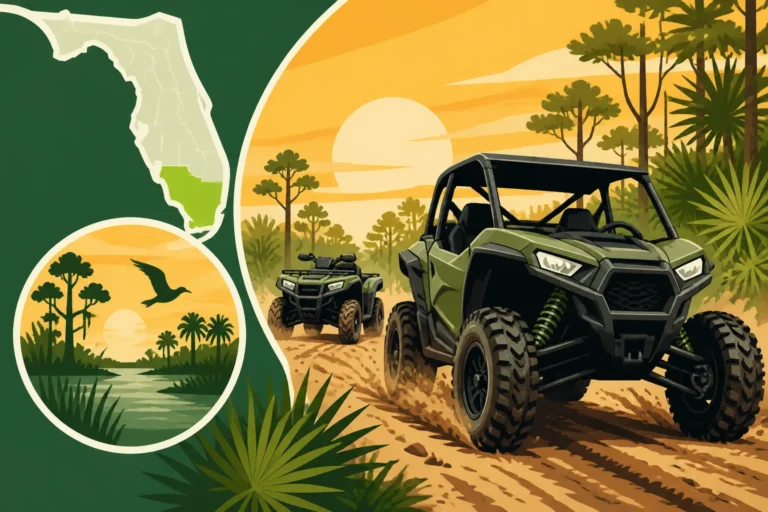
For many ATV and UTV enthusiasts in Florida, the dream of tearing up trails isn't about crowded public parks, but about the wide-open spaces of ranch country. The allure of Okeechobee's vast agricultural lands, with their sprawling fields and rugged dirt paths, is undeniable. However, navigating the rules and securing legal access to ride these private properties can feel like trying to find a needle in a haystack. This guide is here to cut through the confusion and help you understand how to legally and responsibly enjoy off-road riding in Florida's ranch heartland.
Understanding Florida's ATV Laws in Ranch Country
When you picture riding your ATV or UTV through Okeechobee's ranch country, it's easy to imagine endless freedom. But the reality is, even in rural areas, you're governed by specific Florida statutes that differentiate between private land, public roads, and designated trails. Understanding these distinctions is absolutely critical to avoid fines, property damage claims, and the ire of local landowners. It’s not just about what you want to ride on, but what you’re legally allowed to ride on.
Private Property vs. Public Roads
The most fundamental concept to grasp is the difference between private land and public roads. Florida law is very clear: ATVs and UTVs are primarily designed for off-highway use. This means that riding on public paved roads is almost universally prohibited, with very few exceptions. Even unpaved roads can be tricky, as they often fall under county or municipal jurisdiction and have their own specific rules. Your neighbor's expansive pasture, while seemingly open, is still private property, and accessing it without explicit permission is considered trespassing.
This distinction is crucial because the moment your tires touch public pavement or an unpaved county road that isn't specifically designated for OHVs, you're entering a different legal landscape. Private land, on the other hand, offers more flexibility, but that flexibility comes with a non-negotiable requirement: permission from the owner. Without it, even a brief ride across a field can lead to serious legal trouble. Always assume land is private unless clearly marked otherwise, and always seek permission.
The "Unpaved Roadway" Rule and Exceptions
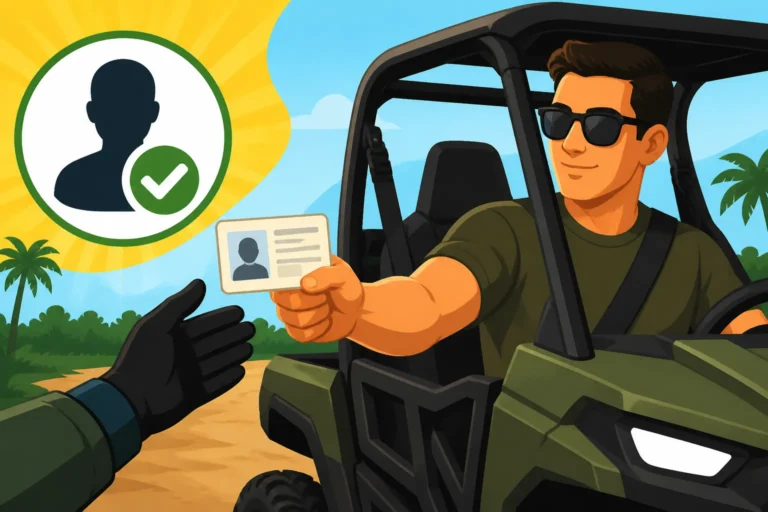
Florida Statute 316.2123 is the main piece of legislation that governs where you can and cannot ride your off-highway vehicle. It generally states that ATVs and UTVs are not permitted on public roads. However, there's a specific provision that allows for limited use on "unpaved roadways" that are not a part of the state highway system and are not maintained by a county or municipality. Even then, strict conditions apply. For instance, the rider must possess a valid driver's license, the machine must be operated only during daylight hours, and the speed limit is often capped at 35 mph.
This particular rule is often misunderstood, especially in areas like Okeechobee with many miles of dirt roads. Many of these dirt roads, even if they appear to be little more than sandy tracks, are often maintained by the county and therefore fall under the general prohibition for ATVs. You absolutely cannot assume that an unpaved road is fair game just because it's unpaved. Always check local county ordinances and signs. The intention of this state statute is more for connecting private properties or accessing trails, not for general recreational cruising on public access roads. If you're hoping to connect two sections of private ranch land via a dirt road, you need to be certain that road qualifies under the statute and that you meet all the rider requirements. You can learn more about where you can legally ride in the state by checking out [Florida ATV Road Rules: Where You Can Legally Ride].
Agricultural Exemptions for Ranchers
One key area where ATVs and UTVs are indispensable and widely used in Okeechobee's ranch country is in agricultural operations. Florida law provides specific exemptions for off-highway vehicles used for legitimate agricultural purposes. If you're a rancher or working on a ranch, you can operate an ATV or UTV on public roads for distances of up to five miles if it's "incidental to agricultural operations" and not for recreational purposes. This means tasks like checking fences, herding cattle, or transporting tools for farming work.
This exemption is vital for those who depend on their machines for their livelihood, allowing them to move between fields or to and from a main barn area without breaking the law. However, it's important to understand that this is an operational exemption, not a recreational one. A weekend rider without agricultural ties cannot simply claim this exemption. The vehicle must be clearly associated with bona fide agricultural activity. This means if you're out there with your buddies just joyriding, this exemption absolutely does not apply to you. You can dive deeper into this topic with [Florida Agricultural Property ATV Exceptions].
Navigating Access in Okeechobee Ranch Country
Gaining access to ride your ATV or UTV in Okeechobee ranch country is almost always about establishing relationships and securing explicit permission. Unlike public parks, which have clear entry points and designated trails, private ranch land requires a different approach. You can't just show up; you need to be invited. This is where a proactive and respectful attitude goes a long way, especially when dealing with landowners who are understandably protective of their property and livestock.
Securing Permission from Landowners
The golden rule for riding on private property is simple: get permission, and ideally, get it in writing. Many landowners in Okeechobee are busy managing their ranches and might be hesitant to allow strangers on their land due to liability concerns, potential damage, or disruption to their operations. However, some might be open to it, especially if you can demonstrate responsibility and offer something in return. Perhaps you could offer to help with fence mending, checking water troughs, or even assisting with small repairs.
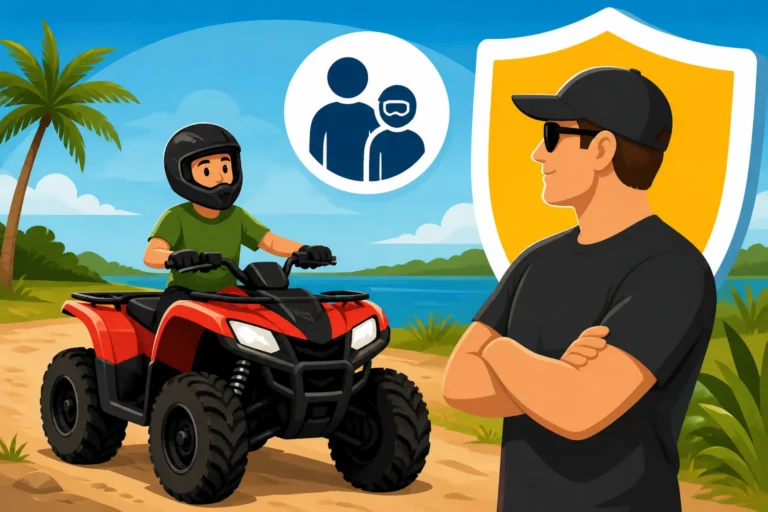
When you approach a landowner, be respectful, articulate your intentions clearly, and offer proof of insurance. Explain that you understand the rules of private property and will adhere to any guidelines they set, such as specific riding areas, times, or speed limits. Having a clear plan can make a big difference. Remember, a landowner is taking a risk by letting you on their property, so building trust is paramount. Always carry [Written Permission Slips Worth Carrying] when you ride, as it's your best defense if you're ever questioned by local law enforcement or ranch hands.
Ranch Leases and Hunting Clubs
For those looking for more consistent or long-term access to large tracts of land, joining a ranch lease or a hunting club is a common and effective strategy in rural Florida. Many ranches around Okeechobee lease out portions of their land for hunting during specific seasons, and sometimes these leases can include rights for ATV/UTV use for access to hunting blinds or game retrieval. Some landowners might even offer dedicated ATV riding leases, though these are less common and often come at a premium.
Hunting clubs, which often lease vast acreages, can provide excellent opportunities. These clubs typically have established rules and regulations for how members can use the land, including off-road vehicle access. While the primary focus might be hunting, the ability to use your machine to get to your stand or transport game can be a significant benefit. This approach offers a structured way to gain access, often with a clear set of responsibilities and a community of like-minded individuals. Just be sure to read any lease agreement carefully to understand the scope of ATV use. You might also want to explore [Ranch Easements and Written Permission] for additional context.
Public Lands and Water Management Districts
While most of Okeechobee's immediate ranch country is private, it's worth briefly considering public land options in the broader region. Florida does have state forests and national forests with designated OHV trails, such as the Ocala National Forest or Croom Motorcycle Area in the Withlacoochee State Forest. However, these are generally not within the "ranch country" definition of Okeechobee itself and require trailering your machine to a specific trailhead. These areas operate under strict permitting systems, and riding off-designated trails is prohibited.
Another potential avenue, though often highly restricted, involves lands managed by Florida's Water Management Districts (WMDs). These districts control vast tracts of land, primarily for water resource protection and flood control. Some WMDs offer limited public access for activities like hiking, fishing, and sometimes hunting, and a very small number might have specific regulations for vehicle access. However, getting [Florida Water Management District Riding Permits] for recreational ATV use is usually difficult, and only for specific, designated areas. It's crucial to check with the South Florida Water Management District (SFWMD) or whichever WMD manages the specific parcel of land you're interested in, as rules vary widely and often restrict or prohibit off-road vehicle use. Generally, the most reliable and legal way to ride in Okeechobee ranch country remains private landowner permission. For those considering other public land options, [Florida WMA Rules for ATV Riders] can provide further insight.
Preparing Your ATV/UTV for Ranch Riding
Riding in Florida's ranch country means dealing with a diverse range of terrains and conditions – from soft sand and thick palmetto scrub to mucky mud holes and rocky stretches. Unlike groomed trails, ranch land can be unpredictable, requiring your ATV or UTV to be properly equipped and maintained. Investing in the right gear and making smart modifications can make the difference between a frustrating day stuck in the muck and an enjoyable adventure. Plus, responsible riding means being prepared for anything.
Essential Gear and Modifications
When heading out into Okeechobee's ranch lands, your machine needs to be ready for anything. Good tires are paramount; consider aggressive all-terrain or mud tires, depending on the predominant terrain. For instance, if you anticipate a lot of sugar sand, you'll want something that can really dig in without sinking. If you're going to be slinging through mud, a more open, self-cleaning tread pattern will be your best friend. A winch is practically non-negotiable for self-recovery or helping a buddy out of a sticky situation, especially when you're far from any paved road. You'll thank yourself for having one the first time you sink to the axles in a hidden mud bog.
Beyond recovery gear, consider protection for your machine. Skid plates, A-arm guards, and CV boot guards are crucial for protecting vital components from rocks, stumps, and unseen debris that can quickly end a ride. A durable brush guard can protect your front end from palmetto fronds and low-hanging branches. For those tackling deeper water crossings, a snorkel kit is a wise investment, especially when dealing with unpredictable water levels. Brands like SuperATV offer a wide range of aftermarket parts, from lift kits that increase ground clearance to heavy-duty axles designed to withstand the rigors of ranch riding. Equipping your machine correctly not only enhances performance but also helps prevent costly damage.
Safety Considerations and Etiquette
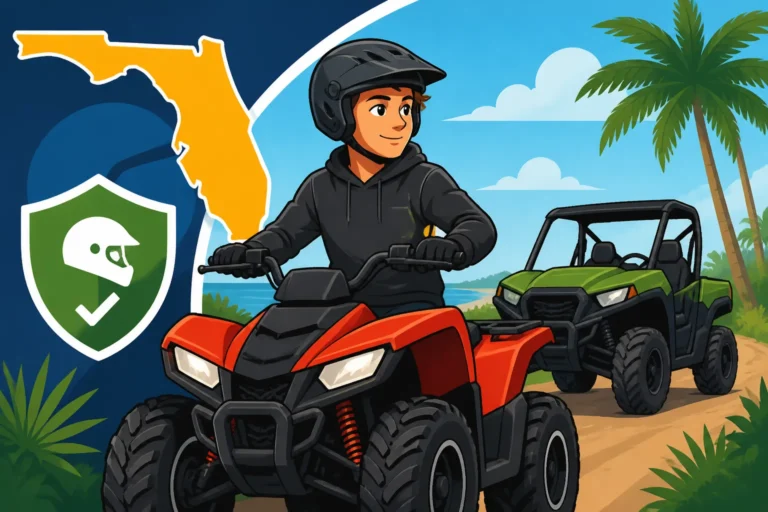
Safety should always be your top priority, especially when riding in remote ranch areas. Always wear appropriate safety gear: a DOT-approved helmet, eye protection, gloves, long pants, and sturdy, over-the-ankle boots. Even if you're an experienced rider, accidents happen, and this gear significantly reduces the risk of serious injury. Florida has specific [Florida ATV Helmet Law for Riders Under 16], but adults should wear one too. Beyond personal safety gear, carry a first-aid kit, a communication device (satellite messenger for areas with no cell service), and plenty of water.
Etiquette on private ranch land is just as important as safety. Respecting the property means staying on designated paths (if any) or within agreed-upon areas, driving slowly around livestock, and never disturbing cattle or horses. Close all gates you open, and leave no trash behind. Landowners appreciate riders who are responsible stewards of their property. Remember, your actions reflect on all ATV/UTV riders, and a negative incident can quickly lead to access being revoked for everyone. Being a good guest ensures future opportunities for yourself and others.
Maintenance for Florida's Conditions
Florida's unique climate presents specific challenges for ATV/UTV maintenance. The heat, humidity, and omnipresent sand and mud can be brutal on your machine. Regularly check and clean your air filter, as fine Florida sand can quickly clog it and cause engine damage. Frequent oil changes are also advisable, especially if you're riding in dusty or muddy conditions. Always inspect your brakes, suspension, and tires before and after each ride. Mud, in particular, can hide significant damage or loosen components.
After a muddy or sandy ride, a thorough wash is essential, paying close attention to the undercarriage, suspension components, and radiator to prevent corrosion and overheating. The relentless sun can also degrade plastics and tires over time, so proper storage is important. Keeping your machine in top condition means it's reliable when you need it most, minimizing breakdowns far from help. Consider upgrading certain components like heavy-duty ball joints or bushings from a company like SuperATV if you frequently ride in demanding Florida conditions, as stock parts can wear out quickly.
Legal and Practical Realities of Okeechobee Riding
Riding an ATV or UTV in Okeechobee ranch country isn't just about having a capable machine and knowing the terrain; it's also about understanding the legal ramifications and practical realities. Ignoring these aspects can lead to severe consequences, from hefty fines to impoundment of your vehicle, or even civil lawsuits. Being a responsible rider means being aware of the risks and preparing for them.
Enforcement and Penalties
If you're caught riding an ATV or UTV illegally in Florida, especially on private property without permission or on restricted public roads, the consequences can be significant. Trespassing on private land is a criminal offense, and landowners in rural areas are often quick to involve law enforcement to protect their property. Penalties can range from fines to arrest, and your machine could be impounded, resulting in additional towing and storage fees. For details on what you might face, consult [Florida Penalties for Illegal ATV Road Riding].
Local law enforcement, including county sheriffs and sometimes Florida Fish and Wildlife Conservation Commission (FWC) officers, are vigilant, especially in areas where illegal riding has been a problem. They are well-versed in Florida's OHV statutes and will enforce them. Operating on public roads illegally can lead to traffic citations, and if you're caught without a valid driver's license (where required), the penalties can escalate. Understanding [Florida Sheriff Enforcement of ATV Road Rules] can help you recognize the authority figures you might encounter. It's simply not worth the risk to ride illegally; the potential costs far outweigh any temporary thrill.
Insurance and Liability
Riding on private ranch land, even with permission, carries inherent risks. Accidents can happen, and someone could get injured, or property could be damaged. This is where insurance becomes critically important. Your standard automotive insurance policy likely won't cover your ATV or UTV, and your homeowner's policy may have limitations on off-road vehicle incidents. Therefore, it's highly advisable to carry specific ATV/UTV insurance that covers both property damage and liability.
Liability insurance protects you in case you are found responsible for an accident that injures someone or damages property. Imagine hitting a fence, or worse, colliding with a piece of farm equipment. Without proper liability coverage, you could be on the hook for substantial costs. Always discuss your riding habits with your insurance provider to ensure you have adequate coverage for private land use. Some landowners might even require proof of liability insurance before granting permission to ride, which is a very reasonable request given the potential risks involved.
Building Relationships with Local Communities
In rural areas like Okeechobee, reputations matter. The way you conduct yourself as an ATV/UTV rider can directly impact your ability, and the ability of others, to gain access to private land. By being respectful, responsible, and a good steward of the land, you contribute positively to the riding community's image. This means adhering to speed limits, avoiding excessive noise, and always leaving the land as you found it (or better!).
Developing positive relationships with landowners and the local community can open doors to more riding opportunities in the long run. Word travels fast in small towns, both good and bad. If you're known as a responsible rider, landowners might be more inclined to grant permission or recommend you to others. Consider supporting local businesses, participating in community events, or even offering assistance to ranchers. Ultimately, the future of private land riding in Okeechobee ranch country depends on the collective responsibility and respect shown by the riding community.
| Access Type | Description | Key Requirement | Best Use Case |
|---|---|---|---|
| Private Land | Owned by individuals/companies (e.g., ranches, farms). | Explicit written permission from owner | Recreational riding, hunting, agricultural operations |
| Public Unpaved Roads | County/municipal dirt roads, not part of state highway system. | Strict conditions (license, daytime, <35mph), if not county-maintained. | Limited connection between private properties |
| Leased Land | Access secured via a paid agreement, often for hunting or specific activities. | Lease agreement with clear OHV terms | Consistent, long-term access for recreational/hunting |
| Water Management Districts | State-managed lands for water resources. | Very limited, specific permits | Highly restricted, often not for recreational OHV |
| Designated OHV Parks | State or national forest recreation areas (e.g., Ocala, Croom). | Trail passes/permits, safety course for minors | Dedicated public trails, specific rules |
Disclaimer
This article is for general informational purposes only and does not constitute professional advice. Laws, prices and regulations vary by location and change over time. Consult a qualified professional for guidance on your specific situation.