What 316.2074 Requires of Riders Under 16
Navigating the world of ATVs and UTVs in Florida can feel like tackling a muddy trail without a map, especially when you're a parent trying to ensure your child can enjoy riding safely and legally. The specific rules for young riders are often a source of confusion, leaving many wondering what exactly is expected of them and their children. This guide will meticulously break down Florida Statute 316.2074, offering clear, empathetic, and realistic insights into what is required for ATV and UTV riders under the age of 16 in the Sunshine State.
The Heart of the Matter: Florida Statute 316.2074 for Young Riders
Florida Statute 316.2074 is the primary legislative text that lays out the ground rules for operating all-terrain vehicles within the state, with specific, critical provisions for minors. For parents, understanding this statute isn't just about avoiding a citation; it's about ensuring the safety and long-term enjoyment of the sport for their children. It acknowledges the inherent risks of off-road riding and aims to mitigate them through education and responsible operation, particularly when younger individuals are involved. This isn't some arbitrary rule designed to spoil fun; it's a foundation for a safer riding community.
Who This Statute Actually Covers: Defining "Under 16"
When the statute references "riders under 16," it's pretty straightforward: anyone who has not yet reached their sixteenth birthday falls under these special provisions. This isn't about learner's permits or provisional licenses like you might find for driving a car; it's a hard age cutoff specifically for ATVs. The legislature drew this line recognizing that younger riders generally possess less experience, judgment, and physical capability compared to adults. They might not fully grasp the dangers of riding an ATV or react as quickly to unexpected situations on a trail.
This age classification is crucial because it dictates a different set of responsibilities for both the young rider and the supervising adult. A 15-year-old operating an ATV in Florida is held to different standards than a 16-year-old, even if they ride the exact same machine. Parents often grapple with this, thinking that if their child is responsible enough for other activities, they should be for an ATV too. However, the law makes no such distinction based on individual maturity; it's a blanket rule designed for consistency and safety across the board. It's a common frustration, but one rooted in the state's efforts to prevent accidents and injuries among its youngest off-road enthusiasts.
The Core Requirements: Safety Courses and Supervision
For those under 16, Florida Statute 316.2074 essentially boils down to two critical requirements when riding on public lands: completing an approved safety course and, in many cases, direct adult supervision. These aren't suggestions; they are mandates that carry legal weight. The state understands that formal training can significantly reduce the risk of accidents by teaching proper riding techniques, hazard awareness, and responsible machine operation. It's about building a foundational skill set before a young rider hits the dirt.
The "direct supervision" aspect means an adult (typically 18 years or older with a valid driver's license) must be present and actively monitoring the minor's riding. This isn't just about being in the same general area; it implies the supervisor should be close enough to intervene if necessary, offer guidance, and ensure the minor is riding safely and within their capabilities. Think of it like teaching a new driver – you wouldn't send them out alone initially. This rule is designed to provide an immediate safety net and mentorship, especially in dynamic off-road environments. These rules are particularly relevant for anyone planning to ride at places like the Croom Motorcycle Area or other state and national forests, where officials are diligent about checking compliance. For more on this, you might want to read [Florida National Forest Under-16 Course Requirement].
Safety First: Mandatory Education for Young Florida ATV Riders
The emphasis on safety education for young ATV riders in Florida is paramount. It’s not just a hoop to jump through; it’s a genuine attempt to instill safe riding practices from an early age, making them second nature. Many parents who ride themselves understand the importance of skill and awareness on the trail, and these courses are designed to formalize that education.
What the Safety Course Entails
The required safety course for riders under 16 in Florida is comprehensive, designed to equip young riders with the knowledge and skills necessary for safe ATV operation. These courses typically cover a range of critical topics, including:
- Machine Familiarization: Understanding the parts of an ATV, how they work, and basic pre-ride inspections.
- Operating Controls: Proper use of throttle, brakes, and steering.
- Riding Techniques: Safe starting and stopping, turning, climbing hills, descending hills, and traversing obstacles.
- Safety Gear: The absolute necessity of helmets, eye protection, gloves, long pants, and long-sleeved shirts. It’s not just about wearing them, but wearing the right kind, like a USDOT-approved helmet.
- Risk Awareness: Identifying potential hazards on trails, understanding weather conditions, and avoiding dangerous situations.
- Environmental Responsibility: Learning about trail etiquette, minimizing impact on natural resources, and respecting wildlife.
These courses are offered in various formats, including online programs and hands-on, in-person training. While online courses provide convenience, in-person courses often include practical riding exercises under the guidance of certified instructors, which can be invaluable for developing real-world skills. Upon successful completion, the young rider receives a certificate, which serves as proof of their training. Remember, you'll need to be [Carrying a Safety Certificate on the Trail] whenever you're riding on public land.
Where the Safety Course is Required
It’s crucial to understand when and where this safety course is a non-negotiable requirement. Florida Statute 316.2074 specifically mandates the completion of an approved safety course for riders under 16 before they can operate an ATV on public lands. This distinction between public and private land is key. If your child is riding solely on your own private property, or land where you have explicit permission to ride, the safety course is not legally required by the state. However, it is always highly recommended for their safety, regardless of the location.
The moment you venture onto public trails, such as those found in the Ocala National Forest, Blackwater River State Forest, or the Croom Motorcycle Area, that certificate becomes essential. Enforcement officials at these locations, whether they are park rangers or county sheriffs, can and do ask for proof of this certification. Failure to produce it can result in penalties. This is why many families planning a weekend trip to a designated OHV park prioritize getting their kids certified well in advance. For a deeper dive into these requirements, check out [Florida ATV Safety Course Requirements for Riders Under 16]. Ignoring this could not only lead to a citation but also put your child at increased risk in an unfamiliar public riding environment.
The Rules of the Road (or Lack Thereof) for Minors
One of the biggest areas of misunderstanding when it comes to ATVs and UTVs in Florida, particularly for young riders, revolves around road use. Many people equate an ATV with a small vehicle and assume it might be allowed on certain roads. This is generally not the case, and the rules become even stricter for those under 16.
Understanding the "No Road Use" Standard
Let's be crystal clear: ATVs and UTVs are, by and large, not street legal in Florida. This means they are not designed or permitted for operation on paved public roads, streets, or highways. The primary reason is that these machines lack the safety features, such as turn signals, brake lights, and proper mirrors, that are standard on street-legal vehicles. They also have different handling characteristics, especially at higher speeds or on hard surfaces, which make them unsuitable for road use. This "no road use" standard applies universally to all ATV operators, but it carries extra weight and scrutiny when minors are involved.
There are extremely limited exceptions, typically involving crossing a paved road at a designated intersection or riding on certain unpaved roads within specific counties that have opted to designate them for ATV use. However, these exceptions are rare, often require specific signage, and are always subject to strict conditions. For a minor, operating an ATV on a public road, even briefly, without meeting these very specific, narrow exceptions, is a direct violation of the law. Parents should not assume that a quiet neighborhood street or a short hop across a paved area is permissible. If you're wondering more about what's allowed, you might find [Florida ATV Road Rules: Where You Can Legally Ride] to be a helpful resource. The risk of an accident, combined with the legal consequences, makes adhering to this "no road use" rule incredibly important for young riders.
Supervision and Equipment: Beyond the Safety Course
Beyond the mandatory safety course, Florida Statute 316.2074 also outlines critical requirements for adult supervision and personal protective equipment for young riders, especially if they are ever in a scenario where limited road use (like crossing) is permitted.
Adult Supervision on Roads: If a situation arises where a minor under 16 is permitted to operate an ATV on an unpaved road (and this is a rare exception, not a general rule), they must be under the direct supervision of a licensed adult. This adult needs to be physically present, riding an ATV themselves, and capable of overseeing the minor's operation. This isn't just a friendly suggestion; it's a legal requirement designed to provide an immediate safety net and ensure responsible riding. For more on this, check out [Minors Riding Roads Under Supervision in Florida].
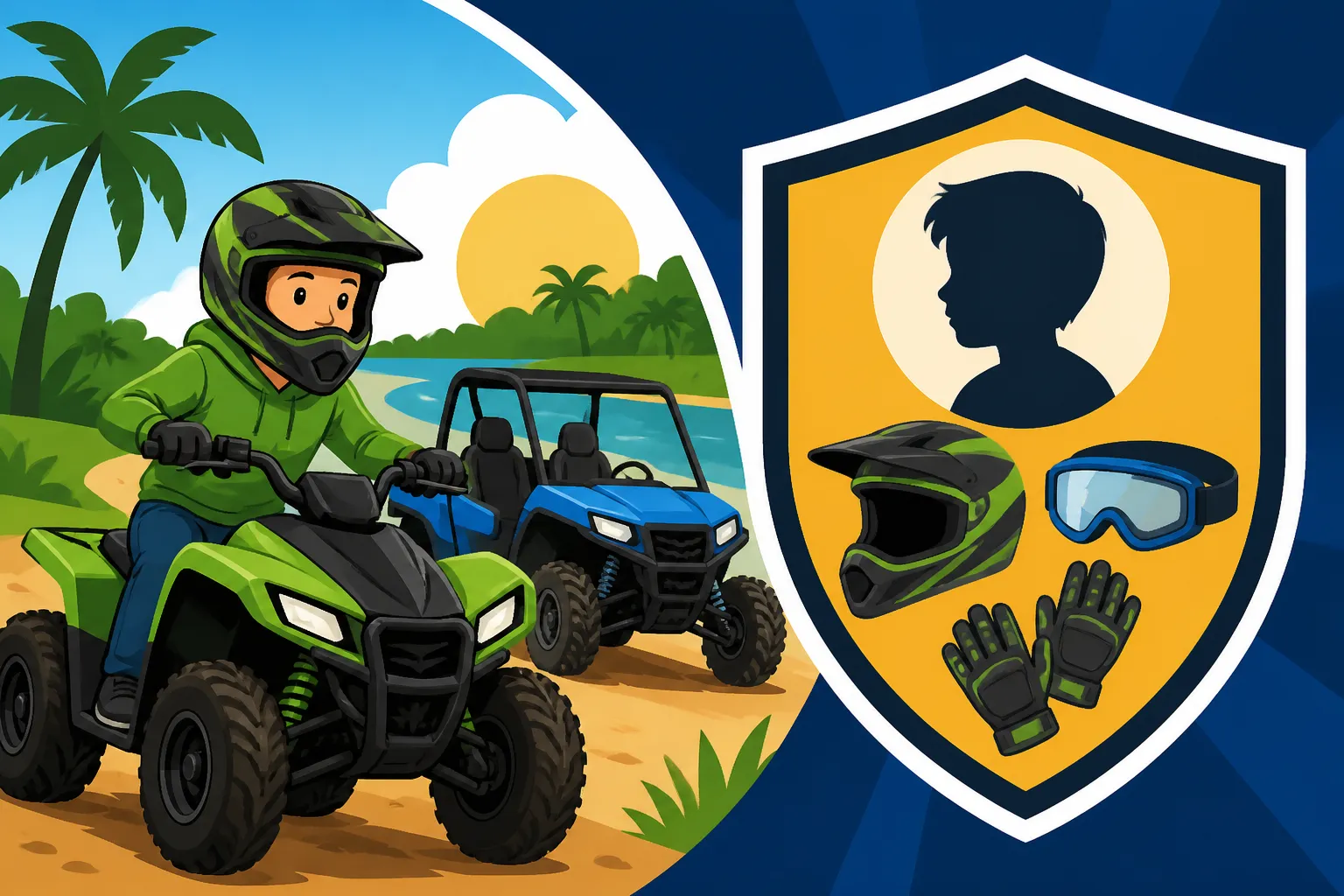
Helmet and Eye Protection: Florida law mandates that any person under 16 operating or riding as a passenger on an ATV must wear a safety helmet that complies with federal standards (USDOT approved). Additionally, they must wear eye protection. This isn't just for public land; it applies wherever they are riding. Helmets drastically reduce the risk of head injuries in a fall or collision, and eye protection shields against flying debris, branches, and dust, ensuring the rider can see clearly at all times. Think about equipping your young rider with quality gear. Many reputable brands offer excellent helmets and goggles designed specifically for off-road use, making sure young riders get the protection they need. You can find robust helmets and durable goggles that can stand up to the rigors of Florida's diverse terrain. For more specifics on helmet requirements, see [Florida ATV Helmet Law for Riders Under 16] and [Florida Eye Protection Rule for Young Riders].
Other Essential Gear: While not explicitly detailed in 316.2074, common sense and best practices dictate that young riders should always wear sturdy over-the-ankle boots, long pants, and a long-sleeved shirt or jacket. This gear provides crucial protection against abrasions, cuts, and impacts. Even in Florida's heat, these layers are non-negotiable for safety. Brands like SuperATV offer a range of accessories that, while not directly safety gear, can enhance the safety and control of the machine, making it easier for young riders to manage. Things like proper tire selection for the terrain or durable control components can make a big difference in a child's riding experience and overall safety.
Real-World Scenarios and Common Pitfalls for Parents
Understanding the letter of the law is one thing, but applying it to real-life situations can be another challenge entirely. Many parents face specific dilemmas when it comes to their kids and ATVs. Let's look at some common scenarios and how Florida Statute 316.2074 applies.
The "Backyard" vs. "Public Trail" Distinction
This is perhaps the most common area of confusion for parents. They might have a large piece of property, a farm, or a neighbor with acreage where their children ride ATVs freely, often without helmets or supervision, and certainly without a safety course certificate.
-
Riding on Private Property: If your child is riding exclusively on private land that you own or have explicit, verifiable permission to use, Florida Statute 316.2074 regarding the mandatory safety course and direct adult supervision for public lands generally does not apply. This means the state won't require a certificate or direct supervision simply because they're in your backyard. However, this does not negate the importance of safety. Accidents can happen anywhere. Many parents still opt for their children to take a safety course, even if not legally required, because the skills learned are invaluable. Likewise, wearing a helmet and eye protection should always be enforced, regardless of location. The absence of a state mandate doesn't mean the absence of risk. You might be interested in [Can You Ride an Untitled ATV on Private Land in Florida] for more context.
-
Riding on Public Trails: The moment you load that ATV onto a trailer and head to a state park, national forest, or any other designated public OHV riding area, the full weight of Florida Statute 316.2074 comes into play. Here, the safety course certificate is mandatory for riders under 16, and direct adult supervision will likely be required, depending on the specific park rules and the age of the child. Park rangers and [Florida Sheriff Enforcement of ATV Road Rules] are authorized to check for compliance. A common pitfall is assuming that because your child is a great rider on your farm, they are automatically compliant for public lands. That's a dangerous assumption that can lead to fines and a ruined day. It's about respecting the rules that allow everyone to share these spaces safely.
Consequences of Non-Compliance
Ignoring Florida Statute 316.2074 for riders under 16 isn't just a minor oversight; it can lead to significant consequences that impact both the child and the supervising adult.
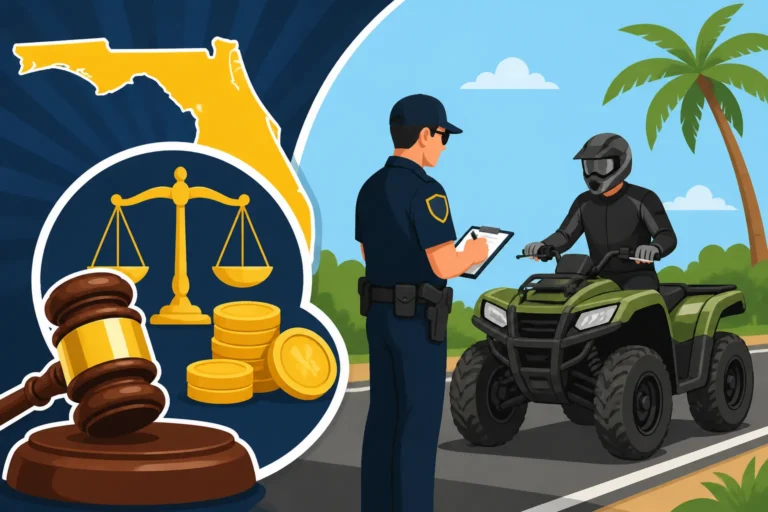
- Citations and Fines: Law enforcement officers, whether from county sheriff's departments or state park services, can issue citations for non-compliance. These can range from warnings to fines, which can quickly add up. For example, if a child under 16 is caught riding on public land without a safety certificate, the supervising adult could face a fine. If they're caught riding on an unauthorized paved road, the penalties can be even steeper, potentially escalating beyond a simple traffic citation.
- Machine Impoundment: In more severe cases, especially repeat offenses or dangerous operation, the ATV itself could be impounded. This is a huge headache and expense, requiring fees for towing and storage, in addition to resolving the initial citation. No one wants their weekend fun to end with their machine being towed away.
- Safety Risks: Beyond the legal and financial repercussions, the most significant consequence is the increased risk of injury. The rules are designed to prevent accidents. An uncertified, unsupervised minor operating an ATV on challenging public terrain is at a much higher risk of losing control, colliding with obstacles, or being involved in an accident. These aren't just statistics; these are real children whose lives could be impacted.
- Insurance Complications: In the unfortunate event of an accident, non-compliance with state laws could complicate insurance claims. An insurance company might deny coverage if the ATV was being operated illegally at the time of the incident, leaving families with substantial medical bills or repair costs.
It's clear that understanding and adhering to Florida Statute 316.2074 for riders under 16 is not optional. It’s a foundational element of safe and responsible ATV operation in the state. Whether you're considering a new machine or outfitting your current one with performance parts from a brand like SuperATV, remember that legal compliance and safety education are always the first upgrades. Ensuring your young rider is properly trained and equipped not only keeps them out of trouble but, more importantly, keeps them safe and allows them to enjoy the thrill of off-road riding for years to come.
Disclaimer
This article is for general informational purposes only and does not constitute professional advice. Laws, prices and regulations vary by location and change over time. Consult a qualified professional for guidance on your specific situation.