Direct Supervision by a Licensed Driver
For many families in Florida, the thrill of tearing through sugar sand trails or cruising down a quiet, unpaved county road on an ATV or UTV is a cherished pastime. But if you have younger riders eager to get in on the action, navigating the legal requirements can feel like trying to untangle a particularly stubborn fishing line. One of the most common points of confusion revolves around "direct supervision by a licensed driver" for minors on these types of roads. This guide aims to clear up that mystery, detailing exactly what Florida law requires, who qualifies as a supervisor, and how to keep your young riders safe and legal on the state's designated off-highway vehicle (OHV) friendly paths.
Understanding "Direct Supervision" in Florida ATV Law
It’s easy to get caught up in the excitement of riding, but when a minor is involved, the rules around supervision become absolutely critical. Florida law doesn't just suggest supervision; it mandates it in specific scenarios. Getting this wrong can lead to serious legal trouble and, more importantly, put your young rider at risk.
What the Statute Says and Doesn't Say
Florida Statute 316.2123 is the primary piece of legislation that governs ATV and UTV operation on public roads, and it's where the "direct supervision" requirement for minors comes into play. The statute specifically states that a person younger than 16 years of age may not operate an all-terrain vehicle or unencumbered off-highway vehicle on an unpaved public roadway unless he or she is under the direct supervision of a licensed driver.
What's important to note here is what the statute doesn't say. It doesn't apply to private property. If your kids are riding around your own sprawling farm, a friend's hunting camp, or a dedicated private riding park, these specific public road supervision rules typically don't apply (though private parks often have their own age and supervision requirements, so always check with them directly). The focus here is squarely on public unpaved roadways. This distinction is vital, as many riders mistakenly believe these rules apply everywhere. The frustration often stems from seeing different rules on different types of land, making it hard to keep track.
The Practical Meaning of "Direct Supervision"
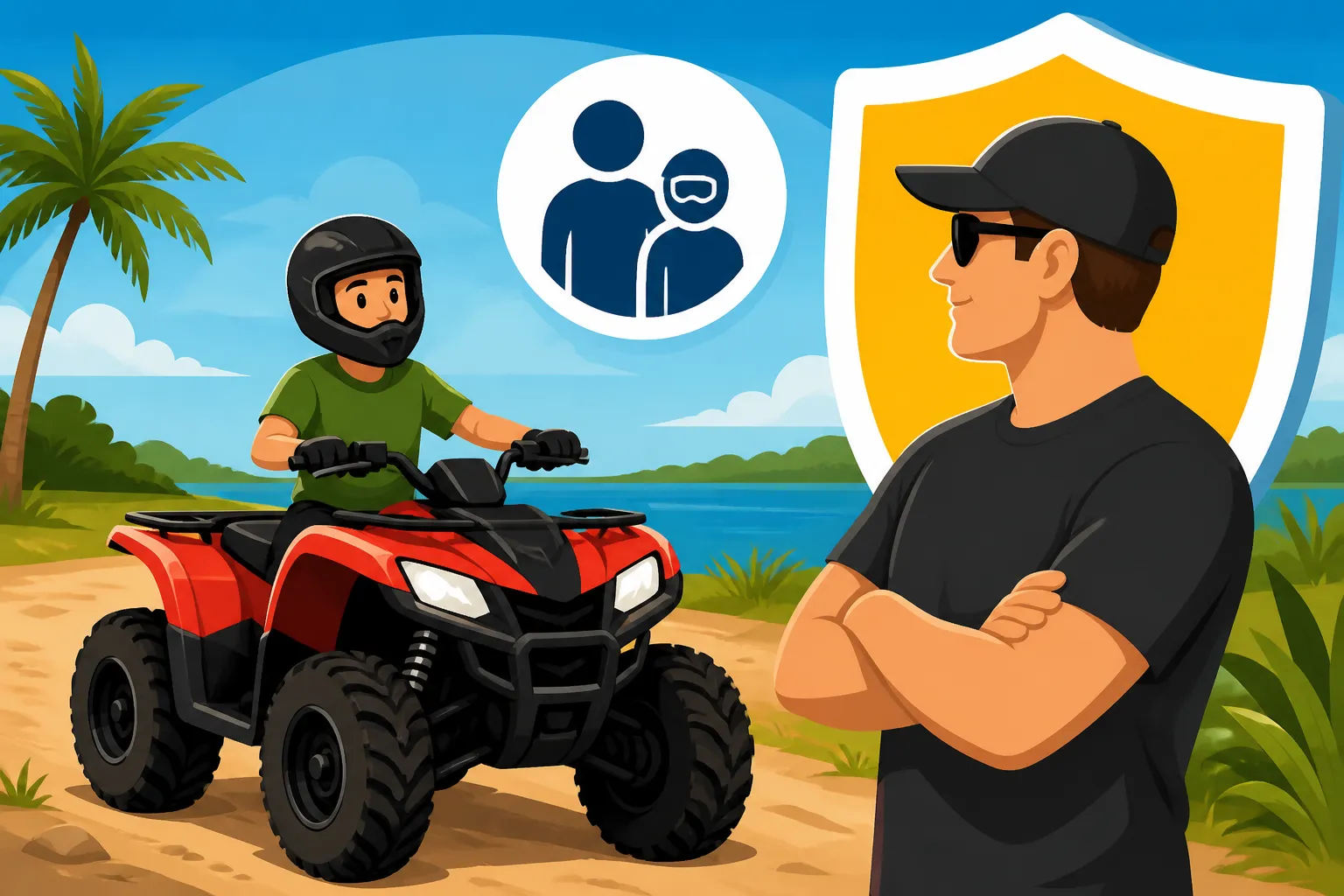
The term "direct supervision" might sound a bit vague on paper, but in practice, it means the licensed driver must be immediately present and capable of influencing or intervening in the minor's operation of the ATV or UTV. This isn't about you sitting in your truck a mile down the road while your teenager joyrides. It means active, attentive oversight.
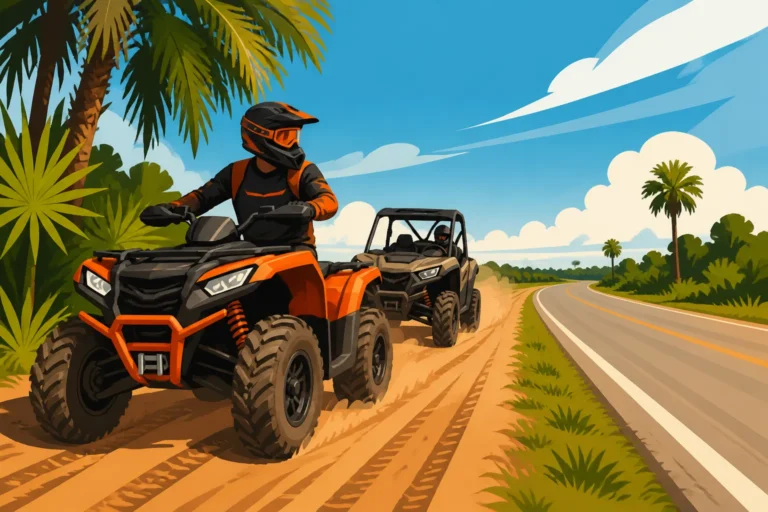
Imagine you're riding with your 14-year-old on a designated unpaved county road. "Direct supervision" would typically mean you, the licensed driver, are riding with them, either on your own ATV/UTV or as a passenger on the same machine (if it's designed for two riders and the minor is a passenger, not the operator). The key is proximity and the ability to communicate and react instantly. This could involve riding directly behind them, alongside them, or slightly ahead while still maintaining clear visual contact and a short communication distance. If your child is out of sight or earshot, you're not providing direct supervision as the law intends. This close proximity helps you guide them through tricky spots, warn them of hazards, or simply ensure they're adhering to safe riding practices. Think of it as a driving instructor in the passenger seat, but for an off-highway vehicle.
Who Can Provide Supervision? The "Licensed Driver" Requirement
The law is very specific about who can provide this supervision: a "licensed driver." This isn't just any adult, but someone who holds the proper credentials.
Defining "Licensed Driver" for ATV Supervision
For the purposes of Florida Statute 316.2123, a "licensed driver" means someone who holds a valid motor vehicle driver's license. This isn't an off-highway vehicle permit or a hunting license; it's the standard driver's license you'd use to operate a car or truck on public roads. This individual must be legally able to operate a motor vehicle themselves, proving they understand traffic laws and safe operating principles.
This means a parent, guardian, or other responsible adult who possesses a current, valid driver's license can provide the necessary supervision. It cannot be an older sibling who only has a learner's permit, or a relative who lost their driving privileges. The state wants someone with established driving experience and legal authority behind the wheel (or handlebars, in this case) to be the guiding force. So, before you head out with your young rider, double-check that the supervising adult's license is valid and current. You might be surprised how many people overlook this simple, yet critical, detail. For more on this, you might find [Do You Need a Driver's License for an ATV in Florida?] helpful.
Age and Experience of the Supervisor
While the law defines who can supervise (anyone with a valid license), it doesn't explicitly dictate the supervisor's age beyond being old enough to hold a driver's license. However, common sense and safety suggest that the supervising adult should ideally be an experienced rider themselves. Someone who understands the nuances of off-road riding, knows how their machine handles, and can anticipate potential hazards will be far more effective at "direct supervision" than a novice.
Consider a scenario where your young rider suddenly encounters a patch of deep sand or a tricky turn on a dirt road. An experienced supervisor can offer immediate verbal guidance or quickly position themselves to prevent an accident. Someone unfamiliar with ATV dynamics might be slow to react or give less effective advice. While not a legal requirement, choosing an experienced rider as a supervisor is a crucial step in ensuring the safety of everyone involved. Many enthusiasts even recommend taking a rider safety course yourself, even if you're an experienced driver, just to brush up on OHV-specific handling. You want to be a capable mentor, not just a warm body with a license.
Age Limits, Road Types, and When Supervision Becomes Essential
Understanding when supervision is required is just as important as knowing what it means. Florida law specifies both the age of the rider and the type of roadway where these rules apply.
The Critical Age Threshold for Unpaved Roads
The law states that a person younger than 16 years of age operating an ATV or unencumbered off-highway vehicle on an unpaved public roadway must be under direct supervision. This means that once a rider turns 16, this specific supervision requirement for public unpaved roads no longer applies. However, it’s important to remember that even if they're 16, they still need to adhere to all other Florida ATV road rules, such as operating only on designated unpaved roads during daylight hours.
This 16-year-old threshold is a bright line in the sand. If your child is 15 years and 364 days old, they need a licensed supervisor on an unpaved public road. The day they turn 16, that specific requirement lifts. For more detailed insights into specific age groups, you can refer to [Florida ATV Law for 14-Year-Old Riders] and [Minors Riding Roads Under Supervision in Florida]. It’s easy to assume that if a child is capable on private land, they’re ready for public roads, but the law draws a clear distinction.
Differentiating Public Unpaved Roads from Private Land
This is where many people trip up. The "direct supervision" rule for minors specifically applies to unpaved public roadways. It does not apply to private property. This distinction is huge for Florida riders, who often enjoy a mix of riding environments.
- Private Land: If you're on your own property, a friend's land, or a dedicated private riding park (like Hog Waller ATV Resort or Redneck Mud Park), the state's public road supervision rules generally don't apply. Landowners and park operators may have their own rules, but the state statute is not dictating supervision here. This is why you might see younger kids riding unsupervised at some private parks, but that doesn't mean it's legal on a county dirt road. If you're wondering about untitled machines, [Can You Ride an Untitled ATV on Private Land in Florida] offers more context.
- Public Unpaved Roads: These are roads maintained by a county, state, or federal agency that are not paved. Think about the countless dirt roads crisscrossing Florida's rural areas, state forest roads, or designated OHV trails within specific management areas. If an ATV is allowed on it, and it's unpaved and public, the supervision rule for minors under 16 is in effect. It's the "public" aspect that changes everything, introducing a need for greater regulation and oversight.
Specific Road Types Where Supervision Applies
So, what exactly counts as an "unpaved public roadway" in Florida? This category is broader than many riders initially think. It can include:
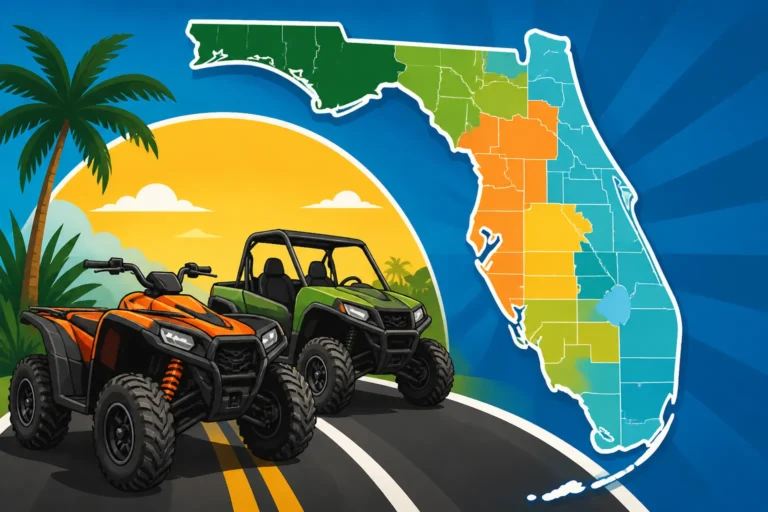
- County Dirt Roads: Many rural counties in Florida have dirt or shell roads that are part of the public road network. Some counties have specific ordinances that designate certain unpaved roads as open to ATVs, while others prohibit them entirely. It's crucial to check local county ordinances, as [Florida Counties That Designated ATV Roads] can provide more information on how some areas manage this.
- State Forest Roads: Places like Blackwater River State Forest or Tate's Hell State Forest often have extensive networks of unpaved roads that are publicly accessible. If these roads are designated for OHV use and a minor is riding, supervision is required.
- Designated OHV Trails: While many OHV trails are off-road in the truest sense, some are indeed unpaved public roadways where the rules apply. The Ocala National Forest, for example, has an extensive trail system. While much of it is pure trail, some sections might cross or utilize unpaved forest service roads. For a deeper dive into the definition, [Florida's Unpaved Road Rule for ATVs Explained] provides more detail.
It's not just about the surface; it's about the ownership and access. If it's a road the general public can access and it's not paved, and ATVs are permitted, then the supervision rule for minors under 16 is paramount. Always look for signage, as [What a Posted Speed Limit Sign Decides for Riders] can be an indicator of a public roadway where these rules apply. The landscape of Florida's riding areas is diverse, but the law provides a clear framework for these specific types of roads.
Ensuring Safety and Compliance on Supervised Rides
Beyond just meeting the legal requirement for direct supervision, it’s essential to integrate safety practices that protect both the minor and the supervisor. Legal compliance and rider safety go hand in hand, especially when involving younger, less experienced operators.
Essential Gear and Equipment for All Riders
Regardless of age or experience, proper safety gear is non-negotiable for anyone riding an ATV or UTV in Florida. For minors under 16, Florida law specifically mandates certain items when riding on public land.
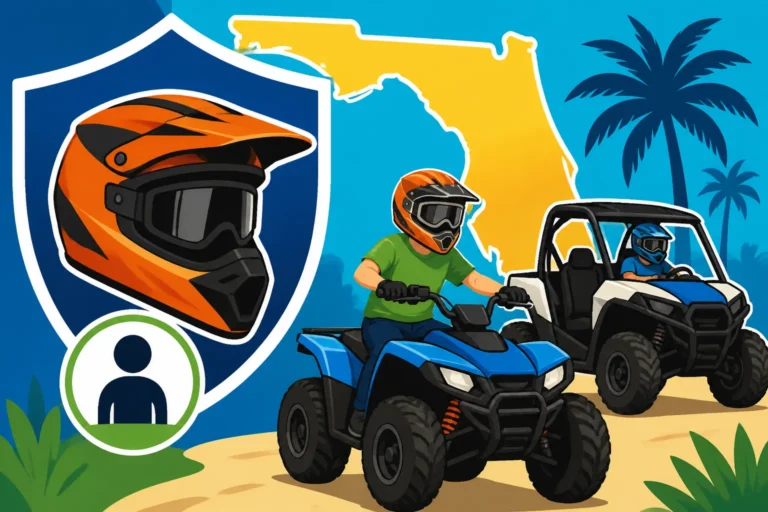
- Helmets: Florida law requires anyone under 16 operating or riding as a passenger on an ATV or UTV on public land to wear a United States Department of Transportation (USDOT) approved safety helmet. This isn't just a suggestion; it's the law, and deputies will enforce it. A good helmet is the single most important piece of safety gear. For specifics, see [Florida ATV Helmet Law for Riders Under 16].
- Eye Protection: Similarly, minors under 16 must also wear eye protection. Goggles are usually the best choice, as they offer full coverage and stay put better than sunglasses. Dust, debris, and low-hanging branches are constant threats on trails and dirt roads. Check out [Florida Eye Protection Rule for Young Riders] for more details.
- Long Sleeves and Pants: While not legally mandated for adults, it's highly recommended for all riders, especially children, to wear long-sleeved shirts and long pants. This protects against scrapes, cuts, sunburn, and minimizes exposure to insects and brush.
- Over-the-Ankle Boots and Gloves: Sturdy boots protect feet and ankles, while gloves offer grip and further protection for hands.
- Machine-Specific Gear: If your ATV or UTV has specific safety features, ensure they are in working order. For example, some side-by-sides from manufacturers like SuperATV come with advanced roll cages and safety harnesses. Always ensure these are properly used and maintained. Investing in quality accessories from a reputable brand like SuperATV can also enhance the overall safety and enjoyment of the ride.
It's a parent's responsibility to ensure their child is properly outfitted before the wheels even start turning. Skimping on safety gear is never worth the risk.
Maintaining Safe Distances and Communication
Even with direct supervision, maintaining safety during a ride requires more than just being physically present. Effective communication and smart riding habits are key.
- Safe Following Distance: As the supervising licensed driver, you should ride at a safe distance from the minor. This means far enough back to react to sudden stops or swerves, but close enough to offer immediate assistance or advice. Riding too close creates a collision risk, while riding too far behind negates the "direct supervision" aspect. Generally, a distance that allows both visual contact and clear verbal communication (or hand signals) is ideal.
- Consistent Communication: Establish clear hand signals or verbal cues before you start riding. For example, a raised hand for "stop," a pat on the helmet for "slow down," or a thumbs-up for "are you okay?" This is especially important in dusty conditions or where engine noise might make conversation difficult. If you're using a UTV, in-helmet communication systems can be incredibly useful.
- Pacing the Ride: Tailor the pace to the minor's skill level and comfort. Don't push them to go faster than they're ready for. The goal is a safe and enjoyable experience that builds confidence, not one that instills fear or leads to accidents. Remember, you're the experienced driver; use your judgment to set a responsible pace.
Understanding Posted Limits and Local Ordinances
Florida's ATV laws can be tricky because local jurisdictions often have their own rules that supplement or even override state statutes regarding specific roads. This means that what's legal in one county might be illegal just across the county line.
- Checking County Ordinances: Before heading out to an unpaved road, always check the local county's ordinances regarding ATV and UTV use. Some counties, as mentioned in [Florida Counties That Designated ATV Roads], have proactively opened specific unpaved roads to OHVs, while others have completely banned them. Websites for county clerks or sheriff's offices are good starting points. You don't want to inadvertently find yourself in violation because you assumed the rules were universal.
- Heeding Posted Signage: Always pay attention to posted signs along any roadway or trail. These signs provide critical information about speed limits, permitted vehicle types, and other restrictions. A sign indicating "No OHVs" or "Private Road" should be respected without question. Similarly, signs indicating speed limits, as discussed in [What a Posted Speed Limit Sign Decides for Riders], apply to ATVs and UTVs just as they would to cars.
- Understanding Enforcement: Florida deputies and state park rangers are well aware of the state's ATV laws. If you're pulled over or stopped, they will likely check for proper licensing of the supervisor, the age of the minor, and appropriate safety gear. [What Florida Deputies Check at a Roadside Stop] gives you an idea of what to expect. Non-compliance can lead to citations, fines, and even the impoundment of your machine, so it's far better to be informed and compliant. Ignorance of the law is never a valid excuse.
By understanding these regulations and adopting a safety-first mindset, you can ensure that your minor riders have a memorable and legal experience on Florida's unpaved roads, building skills and confidence under the watchful eye of a responsible, licensed driver.
Disclaimer
This article is for general informational purposes only and does not constitute professional advice. Laws, prices and regulations vary by location and change over time. Consult a qualified professional for guidance on your specific situation.