Osceola County Cattle Road Access
There’s a unique allure to Florida’s vast, open landscapes, especially when you picture yourself exploring them from the seat of your ATV or UTV. For those of us in Osceola County, the thought often turns to the expansive cattle roads that crisscross the rural heart of the region. However, these aren't just any dirt paths; they're working roads on private agricultural lands, and navigating them legally and responsibly with your off-highway vehicle requires a clear understanding of the rules, local customs, and landowner expectations. This guide is here to shed light on what you need to know about accessing Osceola County's cattle roads.
The Osceola Landscape: Understanding Cattle Roads
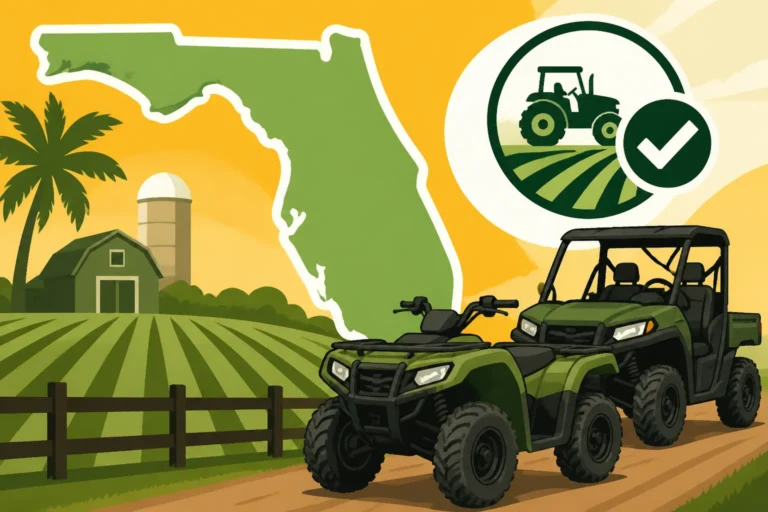
Osceola County is a fascinating blend of suburban growth and deeply rooted agricultural tradition. While Kissimmee and St. Cloud see constant development, vast tracts of land remain dedicated to ranching and farming, defining much of the county's character, especially as you head south and east. These areas are crisscrossed by a network of unpaved roads, often referred to as "cattle roads," "ranch roads," or simply "dirt roads." They weren't built for recreational riding; they were created to facilitate the movement of livestock, equipment, and personnel for daily agricultural operations.
Most of these cattle roads traverse private property. They connect pastures, provide access to barns, feedlots, and water sources, and are essential infrastructure for the ranches. Unlike designated public trails in state forests or national parks, these roads are not typically maintained for public recreational use, nor are they generally open to the public without explicit permission. The sand, muck, and uneven surfaces you encounter are a direct result of their primary purpose and the heavy vehicles that use them daily, along with the natural elements. It's crucial to understand this fundamental difference from the outset, as it informs all rules of access and proper conduct.
The experience of riding on these roads is unlike a groomed trail. You might encounter deep ruts from tractors, soft sugar sand that can swallow tires, or sudden changes in elevation. Wildlife is abundant, and, of course, there's livestock. This means a different kind of preparedness is needed, not just legally but also in terms of your machine and your riding skills. Many riders often look to aftermarket components, like heavy-duty suspension kits or improved tires from brands like SuperATV, to better handle the unpredictable nature of these working roads.
Unpaved Roads and Florida Law: What You Need to Know
Florida law has specific provisions regarding the operation of ATVs and UTVs on public roads, and it's vital to differentiate between "public unpaved roads" and the private cattle roads we're primarily discussing. While many cattle roads are unpaved, their legal status as private property significantly alters how and if you can ride on them.
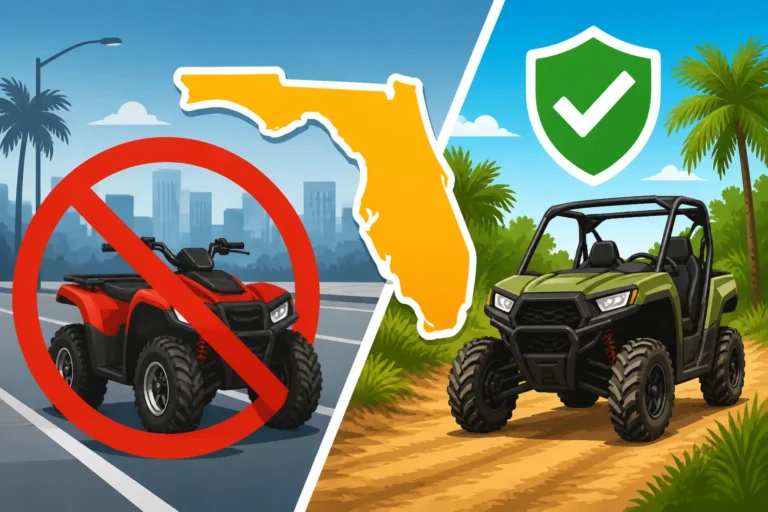
Florida Statute 316.2123 generally prohibits the operation of ATVs and UTVs on public roads, streets, or highways. However, there's a critical exception: you can operate an OHV on an unpaved road that is not a part of the State Highway System, provided the county or municipality has not prohibited such operation. This is where things get tricky in Osceola County. Even if a road looks public because it's unpaved, you must be absolutely certain it is public and not private. Most cattle roads are emphatically private.
So, when can you legally be on an unpaved road?
- Public Unpaved Roads: If a dirt road is genuinely a public right-of-way, and the county hasn't enacted a local ordinance prohibiting OHVs, you might be able to ride there. However, this is usually limited to what the law calls "incidental" use, such as traveling from one off-road area to another, or for agricultural purposes. You still need to follow rules like [Daytime Hours Only: What That Means at Dusk] and have proper safety gear, especially if you're a minor. For a deeper dive into these specifics, read [Florida's Unpaved Road Rule for ATVs Explained].
- Private Property: For the vast majority of Osceola County's cattle roads, they are on private land. This means you have absolutely no right to be there without the express permission of the landowner. Period. Trespassing is a serious offense, and it can quickly ruin the goodwill that landowners might otherwise have towards responsible riders.
It’s crucial to understand that even if a gate is open, or there’s no "no trespassing" sign, that doesn’t grant you permission. Always assume a rural, unpaved road through ranch land is private unless you have definitive proof otherwise. Ignorance of who owns the land is not a valid defense if you're caught trespassing. Always consult resources like [Florida Trespass Law for ATV Riders] to understand the potential consequences.
The Importance of Permission for Private Access
This cannot be stressed enough: for private cattle roads in Osceola County, permission from the landowner is paramount. Without it, you are trespassing, plain and simple. Ranchers work incredibly hard, and their property is not a public playground. Their primary concern is the safety and well-being of their livestock, their family, and their land. Unauthorized riders pose risks:
- Safety Concerns: Speeding ATVs can startle cattle, leading to injuries for animals or riders. There's also the risk of hitting hidden obstacles or gates.
- Property Damage: Gates left open, fences cut, or ruts caused by improper riding can cost ranchers time and money.
- Disease Spread: Bringing vehicles from other areas could inadvertently introduce diseases to livestock.
- Liability: Landowners don't want the liability risk of someone getting hurt on their property.
When seeking permission, always approach landowners with respect and a clear understanding of what you're asking for.
- Be Polite and Prepared: Explain what you want to do (e.g., ride your ATV for an hour, cross a specific area).
- Offer to Sign a Waiver: Many landowners will require a liability waiver. This protects them in case of an accident.
- Understand Their Rules: They might have specific times you can ride, areas that are off-limits, or speed limits. Adhere to these strictly.
- Get it in Writing: While not always feasible for a quick, informal arrangement, [Written Permission Slips Worth Carrying] are always a good idea. This protects both you and the landowner by clearly outlining the terms of your access.
Remember, many of these roads are actively used by working vehicles, like trucks, tractors, and other farm equipment. Your ATV or UTV might not be seen over a rise, leading to dangerous encounters. Always be alert, drive slowly, and yield to any ranch vehicles or livestock.
Practical Considerations for Riding on Osceola's Cattle Roads
If you are fortunate enough to secure permission to ride on Osceola County's cattle roads, there are several practical considerations to ensure a safe, enjoyable, and respectful experience. This isn't just about following the law; it's about being a good steward and ensuring future access for others.
Preparing Your Machine
Cattle roads are often rugged. They're not maintained like recreational trails, and you can expect anything from deep sand and mud to uneven ruts and hidden debris.
- Tires: Stock tires might not cut it. Consider all-terrain or mud-specific tires, especially if you anticipate soft ground. Brands like SuperATV offer a range of robust tire options designed for challenging off-road conditions, which can make a huge difference in traction and stability on varied terrain.
- Suspension and Ground Clearance: A higher ground clearance can prevent you from bottoming out on hidden rocks or deep ruts. Aftermarket lift kits or heavy-duty shocks can be a worthwhile investment.
- Protection: Skid plates, A-arm guards, and CV boot protectors are not luxuries on these types of roads; they are necessities. Tree stumps, rocks, and uneven terrain can quickly damage vital components. Again, SuperATV is known for offering durable protection accessories that can withstand the rigors of ranch roads.
- Maintenance: Ensure your ATV or UTV is in top mechanical condition. Check fluids, brakes, tire pressure, and lights before you head out. A breakdown far from help on a remote cattle road is no fun for anyone.
Safety Gear and Practices
Even on private land, safety should be your top priority.
- Helmets and Eye Protection: [Florida ATV Helmet Law for Riders Under 16] mandates helmets for minors, but it's always wise for adults too. Eye protection is critical for dust, debris, and insects.
- Appropriate Clothing: Long sleeves, pants, sturdy boots, and gloves will protect you from scrapes, sun, and insects.
- Communication: Cell service can be spotty in rural Osceola. Carry a fully charged phone, and consider a satellite communication device if venturing deep into remote areas. Always tell someone where you are going and when you expect to return.
- First Aid Kit: A well-stocked first aid kit is essential for any off-road adventure.
- Tools and Repair Kit: A basic tool kit, tire repair kit, and possibly a winch can get you out of a bind.
- Hydration and Snacks: Florida heat is no joke. Carry plenty of water and some energy-boosting snacks.
Etiquette Around Livestock and Property
When riding on active cattle ranches, your behavior directly impacts the landowner's operation and your welcome.
- Slow Down Around Animals: Cattle are easily spooked. Approach them slowly, give them a wide berth, and never, ever chase or harass them.
- Close All Gates: If you open a gate to pass through, close it immediately behind you, even if it looks like it was open before. This is fundamental ranch etiquette and prevents livestock from escaping.
- Stay on Designated Paths: Do not create new trails or cut across pastures. Stick to the roads you were given permission to use.
- Pack It In, Pack It Out: Leave no trace. Take all your trash with you.
- Respect Quiet Hours: If the property is near residences, be mindful of noise, especially early morning or late evening.
- Reporting Issues: If you see a downed fence, an injured animal, or any other issue on the property, report it to the landowner immediately. This shows responsibility and can help prevent bigger problems.
Protecting Your Rights and Respecting the Landowners
Understanding your rights and responsibilities when seeking [Florida Agricultural Property ATV Exceptions] for riding on cattle roads is a two-way street. While you have the right to enjoy your property or access areas where you have permission, landowners have the right to protect their livelihood and privacy.
What to Carry When You Ride:
- Proof of Permission: If you have written permission, carry it. If it's verbal, at least have the landowner's contact information readily available.
- Proof of Ownership: Always carry your ATV's title or registration. This is crucial if you encounter law enforcement or if your machine is ever stolen. [Carrying Proof of Ownership on the Trail] explains why this is so important.
- Identification: A valid driver's license (if you have one) or other photo ID. Remember, [Florida ATV Road Use Needs a Licensed Driver] if you're riding on public roads where allowed.
- Safety Certificate: If you're a minor, carry your ATV safety course certificate if applicable for public land access.
Enforcement and Consequences:
Osceola County Sheriff's deputies patrol rural areas, and they take trespassing seriously. If you're caught on private property without permission, you could face:
- Trespassing Charges: This can lead to fines, court costs, and even jail time, depending on the severity and whether it's a repeat offense.
- Impoundment of Your Vehicle: Your ATV or UTV could be impounded, incurring significant towing and storage fees.
- Loss of Future Privileges: Word travels fast in rural communities. Trespassing can permanently burn bridges with landowners, making it impossible to gain permission anywhere in the area.
Landowners are often willing to work with respectful riders, but that willingness disappears quickly when their property is disrespected. If you're ever questioned by law enforcement, be polite, explain your situation, and provide any documentation you have. If you do not have permission, accept the consequences gracefully.
Comparing Public vs. Private Access for OHVs
To help clarify the differences, here's a quick comparison of key aspects when considering riding on public unpaved roads versus private cattle roads in Osceola County.
| Feature | Public Unpaved Road (where permitted) | Private Cattle Road (with permission) |
|---|---|---|
| Legal Basis for Access | Florida Statute 316.2123 (with county discretion) | Landowner's express permission (verbal or written) |
| Primary Purpose | Public thoroughfare, often used for agricultural access or minor connectivity | Ranching operations, livestock movement, farm equipment |
| Required Documentation | Driver's license (for public road use), safety certificate (for minors), proof of ownership | Landowner permission (ideally written), proof of ownership, ID, safety certificate (for minors) |
| Trespassing Risk | Low, if specific county rules followed and road is truly public | High, if no explicit permission is granted by landowner |
| Liability | Rider assumes risk, some limited government immunity | Rider assumes risk, often requires signed liability waiver to landowner |
| Encountered Traffic | Public vehicles, farm equipment, other OHVs (if allowed) | Ranch vehicles, livestock, farm equipment |
| Typical Condition | Varies; can be graded but often rough and unmaintained | Often very rugged, soft sand, deep ruts, natural obstacles |
| Etiquette Focus | Safety, adherence to posted signs, traffic laws | Respecting private property, livestock, closing gates, leaving no trace |
Riding on Osceola County's cattle roads can be an incredibly rewarding experience, offering a glimpse into a different side of Florida. But this privilege comes with significant responsibilities. By understanding the law, respecting landowners, and preparing your machine and yourself, you can ensure your adventures are both legal and enjoyable.
Disclaimer
This article is for general informational purposes only and does not constitute professional advice. Laws, prices and regulations vary by location and change over time. Consult a qualified professional for guidance on your specific situation.