Riding a Florida Utility Easement on a Quad
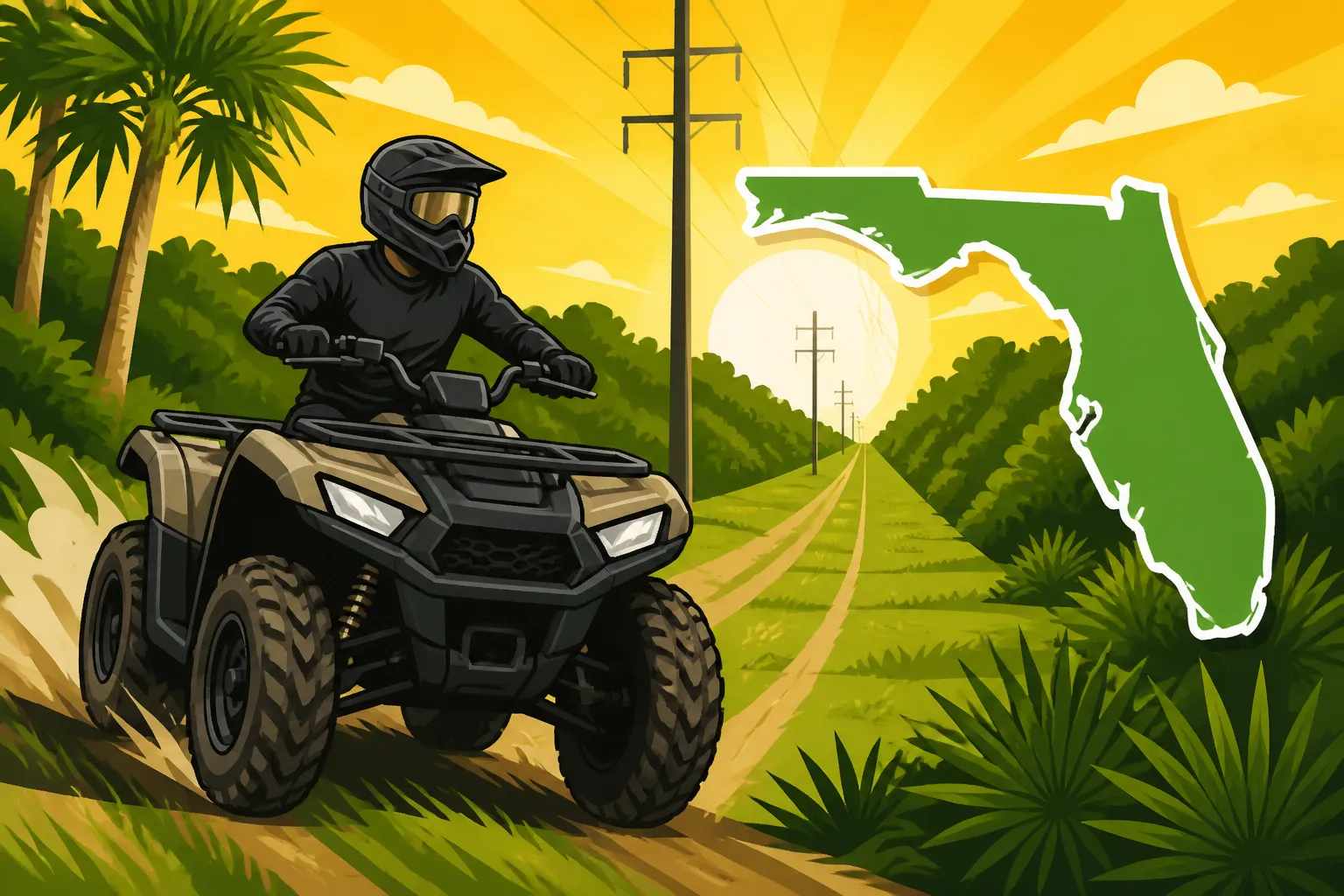
It can be incredibly tempting to see what looks like a wide-open path cutting across the Florida landscape – a clear swath under towering power lines or snaking alongside a buried pipeline. Many quad and UTV riders mistakenly assume these "utility easements" are fair game for some off-road adventure, especially when they connect one seemingly open area to another. However, riding your ATV or UTV on a Florida utility easement is almost always a serious legal risk, carrying penalties that can quickly turn your fun day into a costly nightmare. This guide will help you understand what utility easements truly are, why riding on them is usually illegal, and where you can legally and safely enjoy your machine in the Sunshine State.
Understanding Utility Easements in Florida
When you see those cleared paths, often with poles, wires, or buried markers, it's easy to think they're abandoned roads or public access routes. But the truth is much more complex and almost always points back to private property.
What Exactly Is a Utility Easement?
At its core, a utility easement is a legal right granted to a utility company (like an electric company, a water utility, or a telecommunications provider) to use a specific portion of someone else's private land for the purpose of installing, maintaining, or repairing their infrastructure. Think of it as a designated corridor where they can operate. The utility company doesn't actually own the land itself; they just have a right to access and use that strip for their specific business. This means the underlying land still belongs to the private landowner – a homeowner, a rancher, a developer, or a business.
These easements are crucial for keeping our modern world running. Power lines need a clear path, underground pipelines transport essential resources, and communication cables connect us all. The utility companies need unfettered access to these areas to ensure reliability and safety. Because of this, they are often kept clear of large trees and structures, making them look like inviting trails.
Common Misconceptions About Public Access
One of the biggest misconceptions among ATV and UTV riders is that if a utility company uses a strip of land, it automatically becomes public property or a public right-of-way that anyone can traverse. This simply isn't true in most cases. Just because Florida Power & Light has an easement for power poles across Farmer Brown's back forty, it doesn't mean you can take your quad for a spin there. The easement is granted for their use, not the general public's recreational enjoyment.
Riders might see other tracks and assume it's an unspoken rule that these areas are fair game. They might think, "Well, if the power company is driving trucks here, why can't I ride my quad?" The critical difference is that the utility company has a legal right, often recorded in public records, to be there for a specific purpose. You, as a recreational rider, typically do not. These areas are not maintained for public recreational traffic and can present hidden dangers, from uneven terrain to active utility work or unmarked obstacles.
Who Owns the Land Under the Easement?
This is where the distinction becomes crucial for off-road enthusiasts. In the vast majority of cases, the land beneath a utility easement is still private property. The individual or entity who owns the larger parcel of land (your neighbor, a farm, a timber company, a developer) retains ownership of the ground, even though the utility company has rights to a specific strip of it. This means that without explicit permission from the actual landowner, you are trespassing if you ride your ATV or UTV on that land.
There are, of course, exceptions. Some utility easements might run through land already owned by a city, county, or state – think along a municipal road or within a large publicly owned tract. However, even on public land, access for ATVs and UTVs is almost always restricted to designated trails and areas, often requiring specific permits like those discussed in [Florida OHV Permits: What You Need Before You Ride]. The presence of a utility line doesn't magically create a legal riding trail. Always assume private ownership unless you can definitively prove otherwise with official documentation.
The Legal Landscape of Riding ATVs on Easements
Understanding the legalities isn't just about avoiding a ticket; it's about respecting property rights and ensuring your own safety. Florida has clear laws that apply to these situations, and they are generally not in favor of recreational riders on utility easements.
Florida Law on Trespassing and Private Property
Florida takes trespassing seriously. According to Florida Statute, anyone who "willfully enters or remains in any structure or conveyance, or, having been authorized, licensed, or invited, is warned by the owner or lessee of the premises, or by a person authorized by the owner or lessee, to depart and refuses to do so, or who enters upon the property of another against the express warning or prohibition of the owner or lessee, or by a person authorized by the owner or lessee" is committing trespass.
What does this mean for ATV riders? If you ride on a utility easement that crosses private land without the landowner's permission, you are trespassing. It doesn't matter if there's no fence, no "No Trespassing" sign, or if it looks like everyone else rides there. The land is still private. A simple conversation with the landowner beforehand can clear things up, but proceeding without it is a gamble. The property owner has the right to contact law enforcement, and your machine could be impounded, and you could face fines. For a deeper dive into these rules, you might want to read [Florida Trespass Law for ATV Riders].
Utility Company Policies on Recreational Use
Utility companies themselves are usually very clear: they do not permit recreational use of their easements. There are several good reasons for this. First and foremost is liability. If you're injured on their easement, even if you were trespassing, it can open them up to legal challenges. They also have a responsibility to keep their infrastructure safe and operational. Recreational riding can damage sensitive equipment, compact soil around buried lines, or interfere with maintenance crews.
Beyond that, these easements often contain dangerous elements like high-voltage power lines, gas pipelines, and underground cables. Collisions, falls, or even just riding too close to these can have catastrophic consequences. Utility companies frequently post signs prohibiting trespass and recreational vehicle use. Ignoring these warnings is not only illegal but extremely dangerous. They don't want you there for your own safety and for the integrity of their service.
When Riding Might Be Permitted (Very Rare Cases)
Let's be incredibly clear: getting permission to ride a utility easement is rare and complex. You would need explicit, written permission from two separate entities: the private landowner and the utility company that holds the easement.
- Landowner Permission: This is usually the first hurdle. You'd need to identify the landowner, contact them, and get their explicit consent. They might have concerns about liability, property damage, or noise. If they agree, always get it in writing, specifying the dates, times, and exact areas you're allowed to ride. A good resource for understanding this is [Written Permission Slips Worth Carrying].
- Utility Company Permission: This is almost impossible to obtain for recreational purposes. Utility companies are not in the business of managing recreational trails. Their primary concern is service and safety. Granting permission to individuals for riding would create a massive liability and management headache. It's safe to assume they will deny any such requests outright.
So, while theoretically possible, practically speaking, you should never count on being able to ride a utility easement legally. It's simply not a viable option for responsible riders seeking legal places to enjoy their quads.
Practical Advice for Florida ATV Riders
Given the complexities and risks associated with utility easements, what's a responsible Florida ATV or UTV rider to do? The answer is to focus on legitimate, legal riding opportunities and understand the consequences of straying from them.
How to Identify Legal Riding Areas
The best way to avoid trouble is to stick to designated, legal riding areas. Florida is a fantastic state for off-road enthusiasts, offering a variety of terrain in its state forests, national forests, and private mud parks. These areas are specifically managed for OHV use, meaning they have proper trail markings, safety regulations, and often amenities like parking and restrooms.
Start your search with official state and federal resources. The Florida Forest Service and the National Forests in Florida provide maps and information on their OHV trail systems. Popular spots include [Croom Motorcycle Area: Florida's Biggest OHV Park] in the Withlacoochee State Forest, [Ocala National Forest ATV Trails in Florida], and the Blackwater River State Forest's Clear Creek OHV Area. These locations not only offer miles of diverse trails but also ensure that you're riding legally and safely. Always check the rules for each location, as they can vary regarding machine width (like [Florida's 55-Inch ATV Definition and Why It Matters]), helmet requirements ([Florida ATV Helmet Law for Riders Under 16]), and permits.
Seeking Permission: The Right Way
If you absolutely believe a specific piece of private land (not necessarily a utility easement) would be perfect for riding, the only legitimate way to access it is by obtaining permission from the landowner. Here's a quick rundown:
- Identify the Landowner: Use county property appraiser websites, which are public records, to find out who owns the parcel.
- Make Contact: Approach them respectfully. Explain what you're asking for, why, and express your commitment to being a responsible rider.
- Discuss Terms: Be open to their conditions. They might have specific days or times, require you to stay on certain paths, or ask for proof of insurance.
- Get it in Writing: If they agree, create a simple written agreement. This protects both you and the landowner. Include dates, times, specific areas, and any agreed-upon rules. This prevents misunderstandings down the line.
Remember, this is for private land without a utility easement. If there's an easement involved, you still have the near-impossible task of getting utility company consent. For the vast majority of riders, this route is simply not feasible.
Consequences of Illegal Easement Riding
The risks of riding illegally on utility easements far outweigh any perceived benefits. Florida law enforcement and utility companies actively patrol and monitor these areas. The consequences can be severe:
- Trespassing Charges: This can range from a misdemeanor to a felony, depending on the circumstances (e.g., repeated offenses, property damage). This means fines, court costs, and potentially a criminal record.
- Vehicle Impoundment: Law enforcement can seize your ATV or UTV, leading to impoundment fees, towing charges, and a lengthy process to get your machine back, if you can at all. This alone can cost hundreds or even thousands of dollars. You can learn more about related penalties in [Florida Penalties for Illegal ATV Road Riding].
- Liability for Damages: If you damage utility infrastructure or private property, you will be held financially responsible. This could include repair costs, legal fees, and even punitive damages.
- Personal Injury: These areas are not designed for recreational riding. You could encounter hidden dangers like exposed pipes, unmarked dips, soft ground, or even active work crews. If you're injured, your insurance might not cover it, and you'll have no legal recourse.
- Negative Impact on the Riding Community: Illegal riding gives the entire ATV/UTV community a bad name, leading to stricter regulations, fewer legal riding areas, and increased animosity from landowners.
It's simply not worth it. The thrill of a quick, illicit ride pales in comparison to the potential legal, financial, and physical repercussions.
Alternatives to Utility Easements for Trail Riding
Instead of risking legal trouble and personal safety on utility easements, Florida offers a wealth of legal and exciting opportunities for ATV and UTV riders. Embracing these alternatives not only keeps you on the right side of the law but also contributes to the preservation and expansion of dedicated off-road spaces.
Exploring Florida's Designated OHV Parks and Forests
Florida boasts an impressive network of publicly managed off-highway vehicle (OHV) parks and state/national forest trails. These are specifically designed, maintained, and permitted for ATV and UTV use, offering a safe and legal environment for riders of all skill levels.
- State Forests: Areas like the Croom Motorcycle Area in the Withlacoochee State Forest are legendary among Florida riders. Croom offers miles of diverse terrain, from sandy scrub to tighter wooded trails, and even a technical riding area. Similarly, the Clear Creek OHV Area in Blackwater River State Forest and the Tate's Hell OHV Trail System provide fantastic, managed riding experiences. These areas often require a day-use fee or an annual pass, which helps fund trail maintenance and improvements.
- National Forests: The Ocala National Forest is another gem, featuring extensive trail systems like the Ocala Centennial OHV Trail. Riding in a national forest can offer a different feel, with vast landscapes and diverse ecosystems. Like state forests, these areas require appropriate permits.
These managed trails offer not just legality, but also a safer, more predictable environment. You know the trails are designed for OHVs, and there's typically better signage and, sometimes, ranger presence for assistance. For more details on accessing these areas, check out [Florida ATV Trails: Every Public Riding Area].
Private Riding Clubs and Lease Land
Beyond public lands, private riding clubs and leased properties offer another excellent alternative. These options often provide unique terrain, a strong sense of community, and sometimes, amenities not found on public trails.
- Private Parks: Florida is home to several private mud parks and off-road resorts, such as Hog Waller ATV Resort in Palatka or Redneck Mud Park near Punta Gorda. These parks are purpose-built for off-road recreation, often featuring mud bogs, challenging obstacles, and camping facilities. They typically charge an entry fee, which grants you legal access to their designated riding areas. These parks are also great places to connect with fellow riders and participate in organized events.
- Lease Land & Clubs: Some groups or individuals lease large tracts of private land specifically for off-road riding. Joining such a club or participating in a lease agreement provides guaranteed legal access. This often comes with rules set by the club or landowner, which members must adhere to. This can be a fantastic way to access terrain that might otherwise be unavailable, ensuring you always have a place to ride legally.
Customizing for Legal Trails vs. Illegitimate Areas
When you invest in your ATV or UTV, you want to make sure those upgrades enhance your legal riding experiences. Products from reputable brands like SuperATV are designed to improve performance, durability, and capability on legitimate trails, not to help you evade law enforcement on illegal easements.
For example, if you're tackling the deep sand sections of Ocala National Forest or the mud pits at Hog Waller, a SuperATV lift kit could give you the ground clearance you need, or a durable winch could be invaluable for recovery in a legal mud hole. Upgrading to heavy-duty axles or A-arms from SuperATV prepares your machine for the rigors of challenging, permitted trails. These types of modifications enhance your enjoyment and safety within the bounds of the law, allowing you to confidently navigate diverse terrains found in Florida's designated riding spots.
Conversely, customizing your machine with the intent of riding on illegal utility easements is a wasted effort. No amount of horsepower, tire grip, or suspension travel will save you from a trespassing charge, a hefty fine, vehicle impoundment, or potential personal injury. Legal consequences far outweigh any perceived advantage your modifications might give you on an unauthorized path. Focus your passion for customization on making your machine perfect for the amazing, legal trails Florida has to offer. Remember that even for limited road use on designated county roads, [Florida Rules for a Quad With Headlights and Turn Signals] still apply, further distinguishing legal and illegal usage.
Comparing Riding Locations: Legal Trails vs. Utility Easements
To put it all in perspective, here's a quick comparison of what you can expect when choosing between a legal riding area and an unauthorized utility easement.
| Feature | Legal OHV Trails/Parks | Utility Easements (Unauthorized) |
|---|---|---|
| Legality | Fully permitted, often regulated by state/federal agencies. | Illegal trespass in most cases, on private land or restricted public land. |
| Safety | Managed trails, some signage, ranger presence possible. | Unmanaged, hidden dangers (wires, pipes, uneven ground), no oversight. |
| Liability | Clearly defined, often requires waivers/permits. | High personal liability for injury, damage, and legal fees. |
| Cost | Day-use fees, annual passes, or private park entry fees. | Fines, impoundment fees, towing, potential legal costs (much higher). |
| Amenities | Parking, restrooms, maps, sometimes camping/wash stations. | None, you are on private land with no facilities. |
| Terrain | Diverse and challenging, but designed for OHV use. | Can be varied, but not maintained for recreational riding; dangers abound. |
| Community | Strong rider community, organized events. | No community, isolated activity, often leads to conflict. |
| Vehicle Risk | Standard wear and tear, designed for activity. | High risk of damage due to hidden obstacles; impoundment risk. |
Don't let the allure of a seemingly open path on a utility easement lead you astray. Florida offers incredible legal riding opportunities for ATVs and UTVs. By choosing designated trails, supporting public parks, and seeking permission for private land, you ensure a safe, legal, and truly enjoyable experience for yourself and the entire riding community.
Disclaimer
This article is for general informational purposes only and does not constitute professional advice. Laws, prices and regulations vary by location and change over time. Consult a qualified professional for guidance on your specific situation.