Helmets That Meet the USDOT Standard
Riding an ATV or UTV in Florida is an exhilarating experience, but the thrill can quickly turn to disaster without the right safety gear. Many riders underestimate the critical role a proper helmet plays, often opting for cheaper, non-compliant options that offer little real protection. This guide will walk you through everything you need to know about helmets that meet the USDOT standard, why it's a non-negotiable requirement for your safety, and how to ensure you're making the best choice for every ride.
Florida's ATV Helmet Laws and the USDOT Standard Explained
Navigating the rules for off-road vehicles in Florida can feel like a maze, especially when it comes to safety equipment. However, when it comes to helmets, the message is clear: protection isn't just a suggestion, it's a legal and personal necessity. Understanding the specific laws, particularly around the USDOT standard, is your first step to riding safely and legally.
Who Needs to Wear a Helmet in Florida?
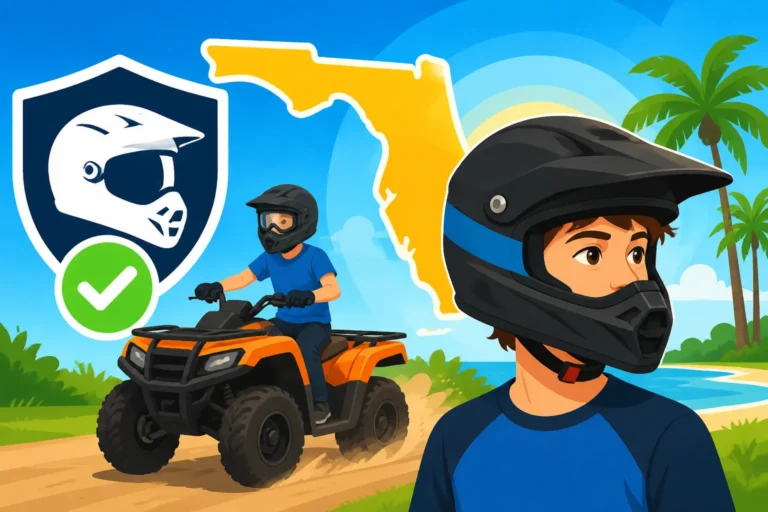
Florida law is quite specific about who must wear a helmet when operating an ATV or UTV, especially for younger riders. If you're under the age of 16, a helmet is absolutely mandatory when you're riding an ATV on public lands, designated trails, or any property other than your own private land where you have exclusive permission. This isn't just a recommendation; it's a hard and fast rule designed to protect the most vulnerable riders. Even if you're on a family farm with permission, if it's not your private land, or if it's public land like a state forest, that helmet needs to be on and securely fastened.
Now, for riders aged 16 and older, the law is a bit different when it comes to ATVs. While a helmet isn't legally mandated for adults on ATVs everywhere in Florida, it's always, always, always recommended. However, if you find yourself on any public road or highway where ATV use might be permitted under very specific circumstances – like crossing a roadway or riding on designated unpaved county roads – then a USDOT-compliant helmet becomes a legal requirement for all riders, regardless of age. This applies to side-by-sides (UTVs) as well, especially if you're looking into [Is a UTV Street Legal in Florida?]. The intent here is clear: whenever there's potential interaction with traffic or higher speeds, the highest standard of head protection is expected. Always check the specific county ordinances, as [Florida County ATV Opt-Outs: Why Rules Change at the Line] means regulations can vary quite a bit.
The Legal Requirement: Why "DOT Approved" Matters
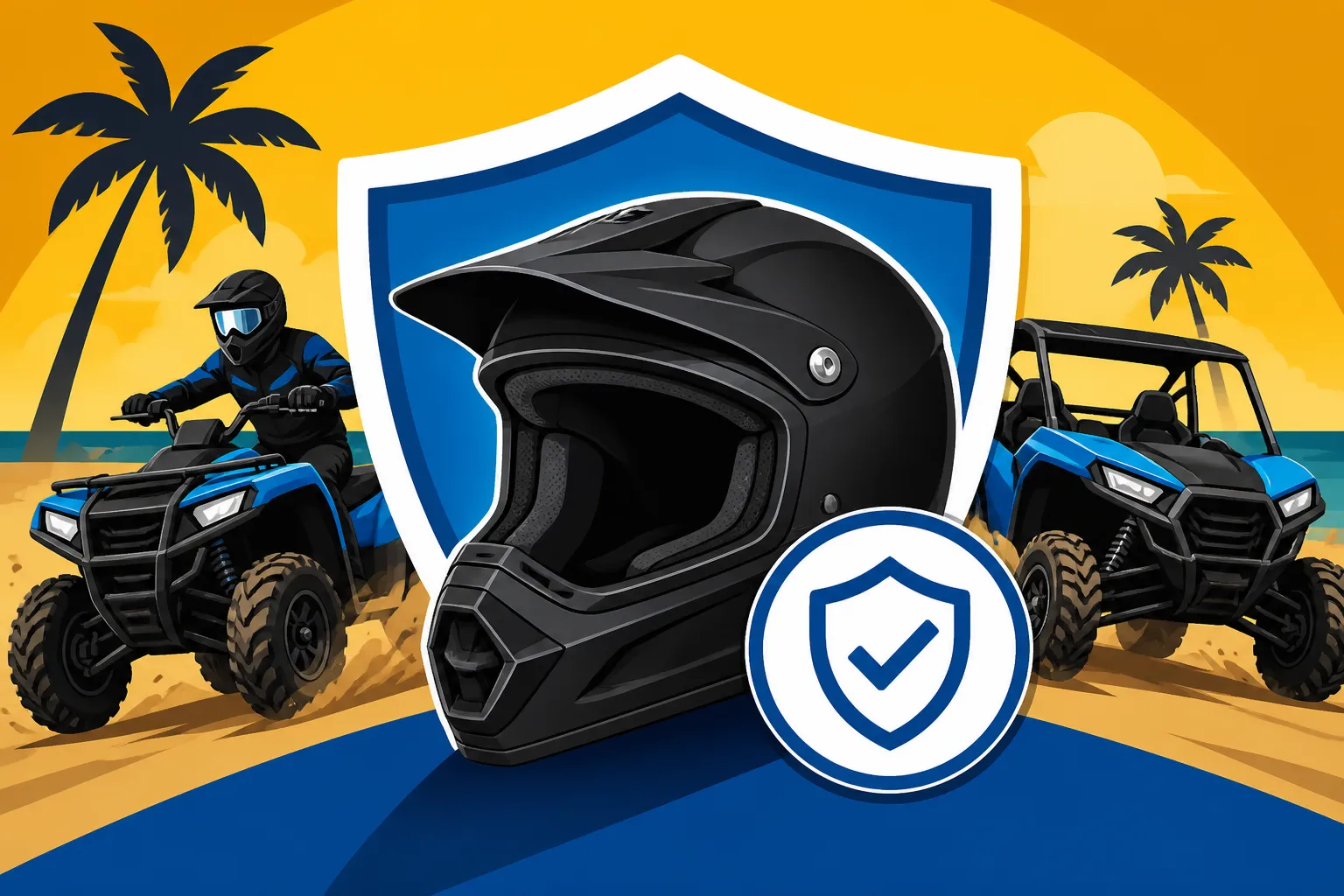
When the law says a helmet is required, it almost universally specifies that it must be "DOT approved," which means it meets the Federal Motor Vehicle Safety Standard (FMVSS) 218, set by the U.S. Department of Transportation. This isn't just bureaucratic jargon; it's a critical safety designation. A helmet that is DOT approved has been subjected to rigorous testing to ensure it can withstand certain impacts, has sufficient penetration resistance, and offers adequate peripheral vision. Without this certification, a helmet is essentially a decorative piece of headwear, offering minimal, if any, real protection in the event of a crash.
The "DOT approved" label isn't just about avoiding a ticket; it's about providing a measurable standard of safety. When you see that sticker, you're looking at a helmet designed to protect your brain from severe trauma, which is the most common cause of death and serious injury in ATV and UTV accidents. Opting for a non-DOT helmet, or even one marketed as "novelty," is a dangerous gamble with your life and well-being. Furthermore, if you're ever in an accident, law enforcement and insurance companies will certainly be looking for that DOT certification, especially if you're riding on public land or roads where it's required by law.
State Regulations Beyond Federal Mandates
While the USDOT standard provides a baseline, Florida's state regulations sometimes add additional layers, particularly concerning minors. The [Florida ATV Helmet Law for Riders Under 16] is a prime example, making helmets a mandatory piece of gear for all young riders on public land. This isn't a suggestion; it's a law that carries penalties for non-compliance. Additionally, the state has specific rules about other safety equipment. For instance, young riders also need appropriate [Florida Eye Protection Rule for Young Riders], further emphasizing a holistic approach to safety for those most at risk.
These state-specific rules are often a response to accident statistics and a recognition of the inherent risks of off-road riding, especially for inexperienced or younger operators. Even when adults aren't legally required to wear a helmet, understanding these regulations helps foster a culture of safety. Florida wants riders to enjoy its vast network of trails and unpaved roads, but always with safety as the utmost priority. Whether you're hitting the trails at Croom or exploring designated areas in the Ocala National Forest, knowing these rules is key to a responsible and enjoyable ride. [Florida Ranger Checks at a Trailhead] often include looking for proper safety gear, so it pays to be prepared.
Deciphering the USDOT Certification: More Than Just a Sticker
Many riders see a "DOT" sticker on a helmet and assume that's all there is to it. But what does that sticker actually signify? It's much more than a simple label; it's a declaration that the helmet has undergone rigorous testing and meets a specific set of performance criteria designed to save lives. Understanding the science and standards behind that sticker is crucial for appreciating its importance.
What the Federal Motor Vehicle Safety Standard 218 Means
The "DOT" in "DOT approved" refers to the Federal Motor Vehicle Safety Standard (FMVSS) 218, which specifically outlines the performance requirements for motorcycle helmets. Although primarily written for motorcycles, these same standards apply to helmets used for ATVs and UTVs in jurisdictions that mandate helmet use, like Florida for certain riders and situations. FMVSS 218 dictates minimum levels of protection, not maximums, meaning a helmet can exceed these standards, but it cannot fall below them to be DOT certified.
This standard covers several critical aspects of helmet performance. First, it dictates the extent of the impact-attenuating liner (the energy-absorbing foam inside the helmet) and the shell's ability to resist penetration. It also specifies the retention system's strength (the chin strap) to ensure the helmet stays on during an impact. Furthermore, FMVSS 218 sets minimum peripheral vision requirements, ensuring riders can see adequately to their sides. This holistic approach means that a DOT-certified helmet is designed to protect your entire head from a variety of potential injury mechanisms in a crash. It's not just about one type of impact; it's about comprehensive protection.
The Rigorous Testing Process for Certification
Helmets don't just get a DOT sticker because a manufacturer says they're good. They undergo a battery of stringent tests to prove their worth. The FMVSS 218 standard requires helmets to meet specific criteria under laboratory conditions. This includes impact attenuation testing, where helmets are dropped from various heights onto different types of anvils (flat, hemispherical, curbstone) to measure how much force is transferred to a simulated head. The goal is to ensure the helmet effectively dissipates impact energy, preventing it from reaching the rider's brain.
Beyond impact tests, helmets are also subjected to penetration resistance tests, where a sharp object is dropped onto the helmet to ensure the shell and liner can prevent sharp objects from piercing through to the head. The chin strap and retention system are tested for strength and elongation to guarantee the helmet won't fly off during a collision. While manufacturers self-certify that their helmets meet the standard, the DOT routinely purchases helmets from the market and conducts its own compliance testing to ensure manufacturers are adhering to these crucial safety regulations. This ongoing oversight adds an extra layer of assurance that the sticker on your helmet means what it says.
Understanding the Components of a Safe Helmet
A USDOT-compliant helmet isn't just a single piece; it's a system of carefully engineered components working together to protect your head. At its core, every safe helmet has an outer shell, an impact-absorbing liner, a comfort padding layer, and a retention system (chin strap). The outer shell, often made from advanced composites like fiberglass, carbon fiber, or polycarbonate, is designed to spread the force of an impact over a larger area and resist penetration. This first line of defense is crucial for protecting against sharp objects and abrasive slides.
Beneath the shell lies the most critical component: the impact-absorbing liner, typically made of expanded polystyrene (EPS) foam. This liner is designed to crush and deform upon impact, slowing down the head's deceleration and dissipating kinetic energy, thus reducing the risk of brain injury. Different densities of EPS foam might be used in various zones of the helmet to optimize energy absorption for different types of impacts. The comfort padding provides a snug fit and wicks away moisture, while the retention system, with its D-rings or quick-release buckle, ensures the helmet stays firmly in place during a crash. Each component is vital, and the USDOT standard ensures that all these parts meet minimum performance criteria to offer robust protection.
Practical Guide to Identifying a Compliant Helmet
With so many helmets on the market, it can be tough to tell the genuinely protective ones from the imposters. Knowing what to look for, and where to buy, is key to ensuring you're getting a helmet that truly meets the USDOT standard and will protect you on Florida's trails and roads.
Locating the Official USDOT Certification Sticker
The easiest and most critical way to identify a USDOT-compliant helmet is to look for the official "DOT" certification label. This label is typically located on the back exterior of the helmet, usually near the bottom edge. It's not just a small, subtle sticker; it's a clear, legible decal that includes the letters "DOT," followed by "FMVSS No. 218," and then the manufacturer's name or brand, and the model number. Sometimes it also includes the word "CERTIFIED." If this label is missing, unclear, or appears tampered with, the helmet should be treated as non-compliant, regardless of what the seller might claim.
It's important to differentiate this official DOT sticker from other labels. Some helmets might have a small sticker that just says "DOT" but lacks the full FMVSS 218 text or manufacturer info. These can sometimes be misleading. Reputable manufacturers ensure their DOT label is prominently displayed and includes all the necessary information. Taking a moment to verify this detail can be the difference between a helmet that actually protects you and one that simply looks the part. This small sticker is your assurance that the helmet has undergone the necessary testing and meets federal safety standards.
Warning Signs of a "Fake" DOT Helmet
Unfortunately, the market is sometimes flooded with "novelty" helmets or those with counterfeit DOT stickers. These helmets are incredibly dangerous because they offer virtually no real protection, yet they might appear to be compliant. One of the biggest red flags is a helmet that looks exceptionally thin, lightweight, or poorly constructed. Genuine DOT-compliant helmets have a substantial feel to them due to the robust outer shell and the thick, energy-absorbing EPS liner. If a helmet feels unusually light or flimsy, it's a huge red flag.
Another common giveaway for fake DOT helmets is the chin strap. On a compliant helmet, the chin strap is securely anchored and feels sturdy. Fake helmets often have weak, easily detachable, or poorly stitched straps. Be wary of helmets that are excessively cheap; while price isn't the only indicator, legitimate safety gear requires quality materials and engineering, which comes at a cost. Always compare the helmet in question to known, reputable brands. If a deal seems too good to be true, especially for a "DOT" helmet, it probably is. Your safety is worth investing in a verified product.
Reputable Brands and Where to Buy Safely
To avoid the pitfalls of fake helmets, always purchase from reputable brands and authorized dealers. Well-known helmet manufacturers have a vested interest in maintaining their reputation for safety and quality. Brands like Bell, Shoei, Arai, HJC, LS2, Fox Racing, and many others consistently produce DOT-compliant helmets that also often meet higher international standards like Snell or ECE. Even brands specializing in ATV/UTV accessories, such as SuperATV, will recommend and sometimes stock helmets from these trusted manufacturers because they understand the importance of certified protection.
When buying, choose established powersports dealerships, sporting goods stores with dedicated motorcycle/ATV sections, or reputable online retailers that specialize in safety gear. Avoid flea markets, unverified online sellers, or generic discount stores where the authenticity of safety equipment can be questionable. Always check the seller's return policy and ensure they offer product warranties. Remember, a helmet is a critical piece of safety equipment, not just an accessory. Investing a little more time and money to purchase from a trustworthy source ensures you're getting genuine protection on your Florida adventures.
The Grave Risks of Non-Compliant or Improperly Worn Helmets
Riding an ATV or UTV without a proper helmet, or with one that doesn't meet the USDOT standard, is like playing Russian roulette with your head. The risks extend far beyond a potential ticket; they involve severe, life-altering consequences for your health, your finances, and your freedom.
Personal Safety: The Unseen Dangers of Substandard Protection
The most immediate and dire risk of a non-compliant helmet is the complete lack of effective protection in a crash. A helmet that doesn't meet USDOT standards simply isn't engineered to absorb and distribute the forces of an impact properly. Think of it this way: a properly certified helmet is designed to sacrifice itself, crushing its EPS liner to slow your head down gradually, converting violent kinetic energy into harmless deformation of the foam. A cheap, flimsy helmet, on the other hand, will likely just crack, deform minimally, or even shatter, transferring almost all the impact force directly to your skull and brain.
This can lead to devastating injuries: severe concussions, skull fractures, subdural hematomas, and diffuse axonal injuries – all of which can result in permanent brain damage, paralysis, or death. Even a seemingly minor tumble off a quad can result in a catastrophic head injury if your helmet isn't up to the task. It's not just about the big crashes either; even low-speed impacts can cause significant trauma if your head isn't adequately protected. [Florida's Off-Highway Vehicle Title Law Explained] outlines general safety, but the helmet is your primary defense against the most severe outcomes. When you're out on a challenging trail, a USDOT helmet is your most important piece of gear.
Legal Repercussions: Fines and Liabilities in Florida
Beyond the immediate physical dangers, operating an ATV or UTV in Florida without a legally required, USDOT-compliant helmet can lead to significant legal troubles. If you're a minor under 16, or if you're riding on a public road where helmets are mandated for all, failing to wear a proper helmet can result in fines and citations. These penalties can add up, and repeat offenses can lead to more severe consequences. Law enforcement officers, whether it's a county sheriff or a state park ranger, are well aware of the helmet laws and will enforce them to ensure public safety.
But the legal ramifications don't stop at fines. In the event of an accident, if you weren't wearing a legally required, compliant helmet, you could face increased liability. Even if another party was partially at fault, your own failure to comply with safety laws could be used against you in a civil lawsuit, potentially reducing any compensation you might otherwise receive or even making you solely responsible for damages. This is especially relevant if you're found to be operating an ATV on a public road or street where a helmet is non-negotiable, as detailed in [Florida ATV Road Rules: Where You Can Legally Ride]. The simple act of wearing the right helmet can protect you not just physically, but legally and financially as well. [Florida Penalties for Illegal ATV Road Riding] can be substantial, and not wearing a helmet often compounds these issues.
Insurance Implications After an Incident
The financial fallout from a helmet-related incident can be devastating, especially when it comes to insurance. If you're involved in an ATV or UTV accident in Florida and were not wearing a legally required, USDOT-compliant helmet, your insurance provider might deny coverage for your medical expenses or the damage to your machine. Many policies have clauses that require adherence to local laws and safety regulations. If you've violated a mandatory helmet law, the insurance company could argue that you were negligent and therefore not eligible for full benefits.
Imagine facing massive medical bills for a severe head injury, only to find your health insurance or powersports insurance company refusing to cover the costs because you weren't wearing a DOT-approved helmet. This could leave you with hundreds of thousands of dollars in debt, on top of dealing with a debilitating injury. It's a risk no rider should ever take. Always verify your insurance policy's stipulations regarding safety gear. Ensuring your helmet is up to standard and always worn when required is a simple, cost-effective way to protect both your health and your financial future.
Choosing the Right Helmet: Fit, Features, and Riding Style
Selecting a helmet isn't just about meeting the legal requirement; it's about finding the best protection and comfort for your specific needs and riding style. A properly chosen helmet enhances your riding experience and significantly boosts your safety.
Getting the Perfect Fit: A Crucial Safety Step
The most important factor, even more than brand or price, is fit. A USDOT-compliant helmet can only do its job if it fits your head correctly. A helmet that's too loose will shift around during a ride, impairing vision and, more critically, it can come off during an impact or allow your head to move too much within the shell, negating its protective qualities. Conversely, a helmet that's too tight will be uncomfortable, cause headaches, and can even dangerously restrict blood flow, distracting you from the trail.
To find the perfect fit, measure the circumference of your head just above your eyebrows. Then, consult the helmet manufacturer's sizing chart. When you try the helmet on, it should feel snug all around your head, with no pressure points. Your cheeks should be compressed slightly, and the helmet shouldn't move when you try to rotate it from side to side or front to back. If you can slip your fingers between your head and the helmet, it's too big. The chin strap should be adjusted so it's tight enough that you can't pull the helmet off your head. Spend time trying different sizes and brands; just like shoes, helmet fits vary. A well-fitting helmet should be so comfortable you almost forget you're wearing it, allowing you to focus on the ride.
Types of Helmets for Different Riding Conditions
While all USDOT-compliant helmets offer essential protection, different styles cater to various riding conditions and preferences. Understanding these types can help you make an informed choice for your Florida adventures.
| Helmet Type | Description | Ideal Use | Pros | Cons |
|---|---|---|---|---|
| Full-Face | Encloses the entire head and face, with a movable visor. | Road riding, higher speeds, general trail use, unpredictable weather. | Maximum protection, excellent weather sealing, quiet, integrated visor. | Can be hot, heavier, limited airflow, visor can fog. |
| Off-Road/Motocross | Distinctive long visor, open face with no integrated shield, aggressive styling, good ventilation. | Aggressive trail riding, racing, hot weather, mud parks. | Superior airflow, lightweight, good for goggles, extended visor for sun/roost protection. | Requires separate goggles, more exposure to elements, noisier at speed. |
| Modular/Flip-Up | A hybrid, allowing the chin bar and visor to be lifted up. | Touring, street-legal UTVs, riders who want convenience for talking/drinking. | Versatility of open-face and full-face, convenience for short stops. | Heavier, generally less protective than dedicated full-face in chin bar area, more complex mechanics. |
| Open-Face (3/4) | Covers top, back, and sides of the head, leaving the face exposed. | Casual riding, cruisers, street-legal golf carts/LSVs, some UTVs. | Lightweight, good airflow, feels less restrictive. | Minimal face protection, requires separate eye protection, louder. |
For most ATV and UTV riders tackling Florida's diverse terrain, an off-road/motocross helmet is a popular choice due to its excellent ventilation and compatibility with goggles. However, if you're riding a street-legal UTV on public roads, a full-face or modular helmet might offer better comfort and protection from the elements. Companies like SuperATV often feature a variety of helmet types from various manufacturers in their catalogs, catering to every rider's needs. Consider the environment you ride in most often – hot, humid trails or open, dusty roads – and choose a helmet that aligns with those conditions.
Helmet Care and Maintenance for Longevity and Safety
Even the best USDOT-compliant helmet won't protect you indefinitely if it's not properly cared for. Helmets are designed for a limited lifespan, typically around five to seven years from the date of manufacture, even if they haven't been in a crash. Over time, the materials, especially the EPS liner and outer shell, can degrade due to exposure to UV light, sweat, chemicals, and normal wear and tear. Always check the manufacture date inside your helmet.
Regular cleaning is also crucial. Use mild soap and water to clean the exterior shell; avoid harsh chemicals or solvents that can degrade the helmet's materials. The interior padding is often removable and washable, which helps keep the helmet fresh and prevents bacteria buildup. Always store your helmet in a cool, dry place, away from direct sunlight and extreme temperatures, which can accelerate material degradation. Most importantly, if your helmet has sustained any impact, even if it looks fine on the outside, replace it immediately. The EPS liner is designed to crush on impact, and once it has done its job, it cannot absorb energy again effectively. A seemingly minor drop onto a hard surface can compromise its integrity.
Beyond Head Protection: Comprehensive ATV/UTV Safety Gear
While a USDOT-compliant helmet is undeniably the most crucial piece of safety gear, comprehensive protection for ATV and UTV riding in Florida extends well beyond your head. Being fully prepared means safeguarding your entire body against the unique hazards of off-road adventures.
Eye Protection: Seeing Clearly and Safely
Just as important as a helmet is proper eye protection. Whether you choose an off-road helmet that requires separate goggles or a full-face helmet with an integrated visor, your eyes need to be shielded from dust, flying debris, branches, insects, and intense sunlight. Florida's trails, especially in dry conditions, can kick up a lot of dust, and a single piece of grit in your eye can lead to a momentary loss of control, potentially causing a serious accident.
Goggles designed for powersports offer a wide field of vision, anti-fog coatings, and impact-resistant lenses. They should fit snugly over your face and inside your helmet opening without pinching or leaving gaps. For UTV riders, a clear visor on a full-face helmet is excellent for keeping out the elements, but also consider sunglasses or tinted visors for bright sunny days. Remember, the [Florida Eye Protection Rule for Young Riders] is a legal requirement for minors, but it’s a smart practice for all riders, regardless of age. Always carry a spare pair of goggles or a clear visor for changing light conditions or if your primary eye protection gets damaged.
Body Armor, Gloves, and Boots for All-Around Protection
While a helmet protects your head, the rest of your body is just as vulnerable. Investing in appropriate body armor, gloves, and boots can significantly reduce the severity of injuries in a fall or collision. Body armor, including chest protectors, back protectors, and elbow pads, can shield you from impacts with the ground, handlebars, or other obstacles. This is especially crucial for more aggressive trail riding or if you're exploring technical terrains.
Gloves are essential for protecting your hands from blisters, cuts, and abrasions, and they also improve your grip on the handlebars, which is vital for control. Look for gloves with reinforced palms and knuckle protection. Sturdy, over-the-ankle boots are equally critical. They protect your feet and ankles from impacts, provide ankle support against twists and sprains, and offer grip on the footpegs. Regular street shoes or sneakers simply don't offer enough protection against the heavy machinery and rugged terrain of ATV and UTV riding. Brands like SuperATV offer a range of accessories to outfit your machine, but don't forget to outfit yourself with personal protective equipment as well.
Essential Gear for Public Land and Road-Legal Riding
When you venture onto public lands in Florida, like state forests or designated [Florida ATV Trails: Every Public Riding Area], or if you're riding a street-legal UTV on specific unpaved roads, there's even more gear to consider. Beyond your personal protective equipment, carrying a small toolkit, a first-aid kit, and essential recovery gear like a tow strap can make a huge difference in an emergency. [Florida ATV Road Use Needs a Licensed Driver] means you'll likely have a wallet and phone, but always carry extra water, snacks, and a way to communicate, especially if you're riding in remote areas with limited cell service.
For any road-legal riding, ensuring your UTV has functioning headlights, taillights, turn signals, and mirrors is not just for convenience, it's often a legal requirement. Riders should also be aware of [Florida ATV Passenger Rules] and ensure any passenger also has appropriate safety gear, including a USDOT helmet if required for their age or the riding situation. If you're riding with a passenger, especially when considering [Florida Rules for Riding Two Up on a Quad], ensuring both riders are properly geared up is paramount. Being prepared with both personal safety gear and essential trail gear means you're ready for anything Florida's off-road landscape throws your way, allowing you to focus on the fun and adventure.
Disclaimer
This article is for general informational purposes only and does not constitute professional advice. Laws, prices and regulations vary by location and change over time. Consult a qualified professional for guidance on your specific situation.