Ranch Easements and Written Permission
Navigating private ranch lands in Florida with your ATV or UTV can feel like a maze, especially when you're unsure about who owns what, where you can legally ride, and what kind of permission you actually need. Many riders assume that if there's an easement, they're good to go, but that's a common misconception that can lead to big trouble. This guide will walk you through the ins and outs of ranch easements in the Sunshine State and explain why having clear, written permission is your best friend for a hassle-free ride.
Understanding Ranch Easements in Florida
When you look at a vast stretch of Florida ranchland, it's easy to imagine wide-open spaces perfect for exploring on your quad or side-by-side. However, the legal reality of land ownership, especially concerning easements, is far more complex than just seeing an open path. Assuming a path is accessible just because it appears to cut through private property can land you in hot water.
What Exactly is an Easement?
At its core, an easement is a legal right that allows one party to use another's land for a specific purpose. Think of it as a designated pathway or access point carved out of a larger piece of property. It's not ownership, but rather a limited right to use. In Florida, these often come up for things like utility lines, shared driveways, or giving a landlocked parcel access to a public road. An easement might allow a utility company to maintain power lines across a ranch, or it could give a neighbor the right to cross your property to get to theirs. [Florida Agricultural Property ATV Exceptions] might touch on some related concepts, but it's important to remember that general agricultural use is different from recreational riding access.
These rights are usually established through formal agreements, deeds, or sometimes even by long-standing, undisputed use (though prescriptive easements are harder to prove). They can be "appurtenant," meaning they benefit an adjacent property, or "in gross," meaning they benefit a specific person or entity, like a power company. The critical thing to remember is that an easement explicitly defines what can be done on the land, and for what purpose. It doesn't grant carte blanche access for any activity you might imagine.
How Easements Impact ATV and UTV Riding Access
Here's where many ATV and UTV riders get confused. Just because a ranch has an easement running through it – perhaps for a drainage canal or an access road for agricultural machinery – does not automatically mean you have the right to ride your recreational vehicle on it. An easement for "ingress and egress" (entering and exiting) typically refers to passage for ordinary vehicular traffic, not necessarily recreational off-road vehicles. If the easement was established for a specific utility or farming purpose, riding your quad for fun can easily be seen as exceeding the scope of that granted right. This could be considered trespassing, even if you feel like you're "just using the road."
Consider a scenario where an easement exists for a neighbor to access their property via a dirt road across a larger ranch. This easement grants them the right to drive their car or truck, or perhaps even farm equipment, to their land. It doesn't automatically extend to you and your friends wanting to spend the day exploring that dirt road and the surrounding areas on your ATVs. The landowner still retains ownership of the underlying land and can restrict activities not covered by the easement. Attempting to use these routes without explicit permission can lead to confrontations, legal action, and a tarnished reputation for all riders. Understanding [What a Landowner Can Do About Trespassing Riders] is crucial here.
The Critical Role of Written Permission for ATV/UTV Riding
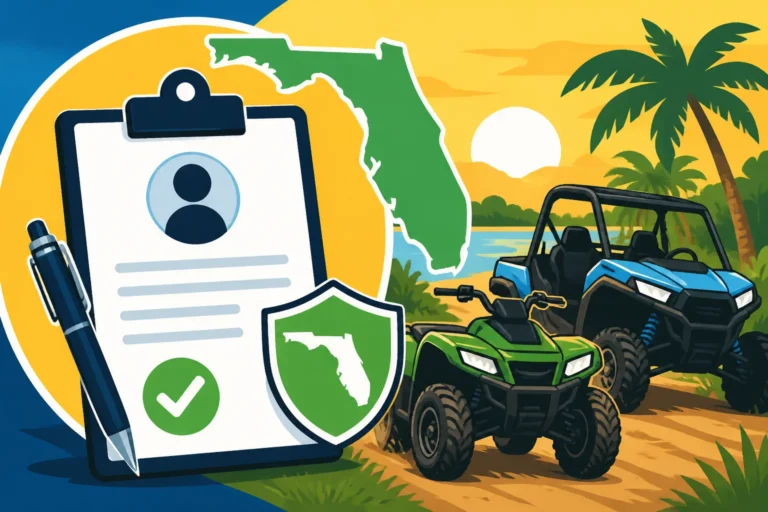
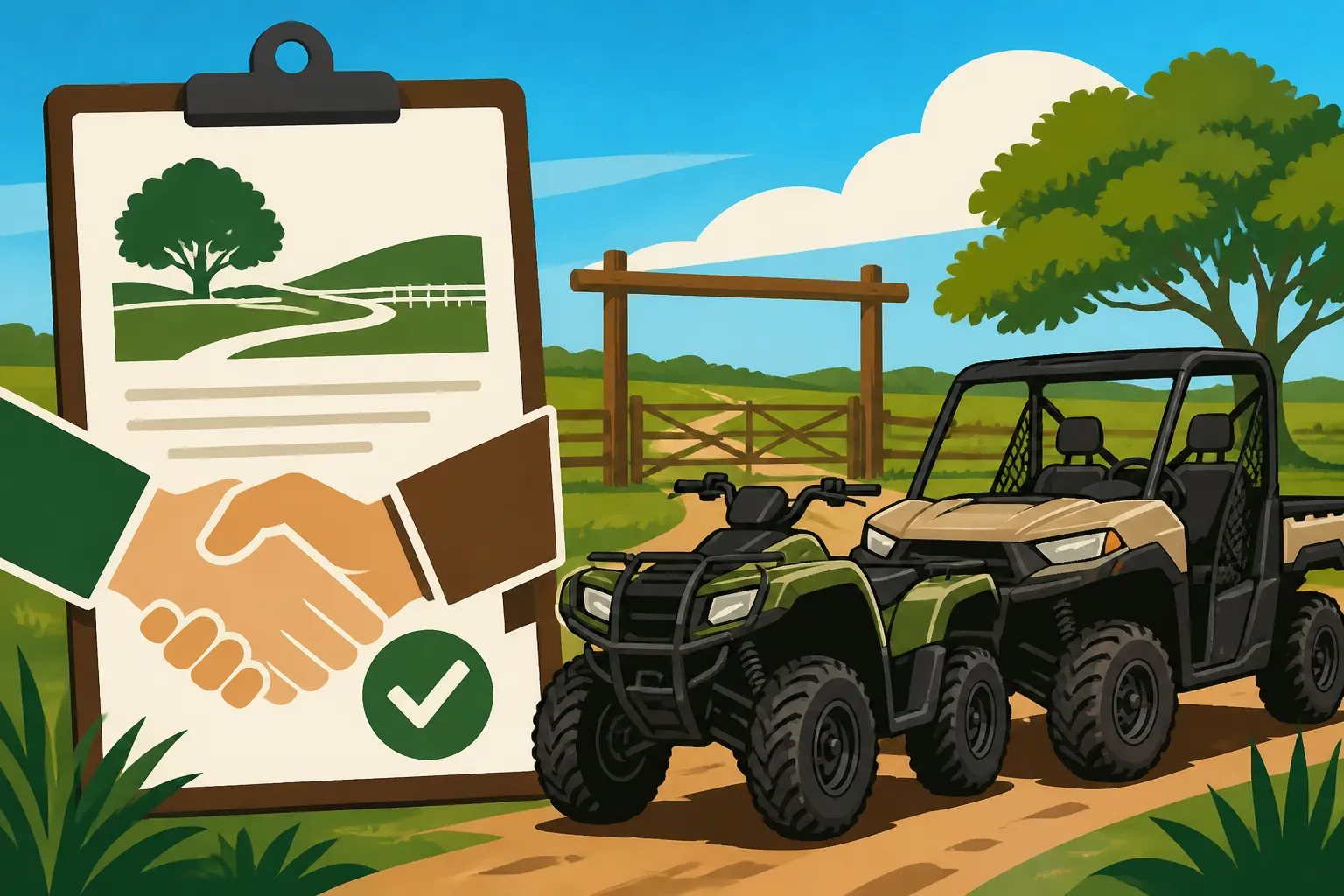
Even if you're riding on private land you believe you have permission for, relying on a verbal "sure, go ahead" is often not enough. For both your protection and the landowner's peace of mind, getting things in writing is paramount. This isn't about distrust; it's about clarity and protection.
Why You Absolutely Need Written Permission Even on Easements
The biggest reason to get written permission, especially when dealing with easements or any private land, is to avoid being accused of trespassing. In Florida, riding on private property without the owner's express permission is illegal. A verbal agreement can be misunderstood, forgotten, or even denied, leaving you with no defense if law enforcement or the landowner decides to take action. This is particularly true if the land changes hands, or if the person who gave you verbal permission is no longer associated with the property. A clear, physical document acts as undeniable proof of your right to be there. This isn't a situation where you can simply hope for the best; the potential legal and financial consequences are too significant. Many riders find themselves in trouble because they adopted the "ask forgiveness, not permission" mentality, which, in these situations, almost always leads to undesirable outcomes like fines, impoundment of your machine, or even a ban from ever riding on that property again. This is why a well-documented permission slip is essential, sometimes even more important than [Carrying Proof of Ownership on the Trail] itself.
Furthermore, written permission is a critical liability shield for the landowner. Should an accident occur while you're riding, a written permission slip outlines the terms of your access and can help protect the landowner from claims of negligence. For instance, if you injure yourself or damage your vehicle, the permission form can state that you understand the inherent risks of riding an ATV or UTV and release the landowner from liability. This gives landowners a strong incentive to grant access, knowing their exposure to risk is managed. Without it, most will err on the side of caution and deny access altogether.
What a Good Written Permission Slip Should Include
A solid written permission slip isn't just a scribble on a napkin. It should be a clear, comprehensive document that leaves no room for ambiguity. Here's what you absolutely need to include to make sure everyone is on the same page:
- Names and Contact Information: Full names of the landowner (or authorized representative) and all riders being granted permission, along with current contact details.
- Dates and Duration: Clearly state the dates or period for which permission is granted (e.g., "October 1, 2024, to October 31, 2025" or "for the day of November 15, 2024").
- Property Description: A specific description of the land, including the address and, if possible, legal parcel numbers or a clear map outlining the permitted riding areas. This helps avoid confusion about where you can and cannot ride, especially if it's a large ranch.
- Allowed Activities: Explicitly state that ATV/UTV riding is permitted. You might also specify if other activities, like hunting or camping, are allowed.
- Machine Types: List the specific types of vehicles permitted (e.g., "ATVs," "UTVs," "side-by-sides," "quads").
- Specific Routes/Areas: Clearly delineate the trails, roads, or areas where riding is allowed. This might involve marking a map or describing boundaries (e.g., "only on established dirt roads within the north pasture").
- Rules and Restrictions: Any specific rules the landowner has, such as speed limits, noise restrictions, hours of operation, requirements for helmets or other safety gear, [Florida ATV Passenger Rules], or areas to avoid (e.g., near livestock, cultivated fields, or residential buildings).
- Liability Waiver: A clause where the rider acknowledges the risks of off-road riding and agrees to release the landowner from liability for injury or property damage.
- Signatures: Both the landowner and all riders should sign and date the document. It's also a good idea to have it witnessed or even notarized for extra legal weight.
Having a robust permission slip gives peace of mind to everyone involved. For riders, this document, perhaps kept safe in a weatherproof bag or secured storage box on your SuperATV machine, is your golden ticket, proving you're not trespassing. You might consider carrying a copy of your [Written Permission Slips Worth Carrying] along with your vehicle registration.
Navigating Access: Tips for Riders and Landowners
Securing access to private ranch land for ATV or UTV riding doesn't have to be an intimidating process. With a thoughtful approach and a willingness to communicate, riders can often forge positive relationships with landowners, benefiting both parties.
Approaching Landowners for Permission
The key to gaining permission starts with respect and a clear demonstration of responsibility. Don't just show up unannounced at a ranch gate with your quad on a trailer. Instead, try to make initial contact in a formal, polite way. Perhaps a phone call or a letter of introduction explaining who you are, what you'd like to do, and your commitment to responsible riding. Many landowners are wary of off-road enthusiasts due to past negative experiences with trespassers, littering, or damage. Your goal is to show them you're different.
When you do meet, come prepared. Have a map of the property and point out the specific areas you're interested in riding. Explain your understanding of [Fence Lines, Gates and Riding Etiquette] and assure them you will always leave gates as you found them, avoid sensitive areas, and respect livestock. You could offer to help with light maintenance, such as clearing fallen branches from trails, picking up trash, or even helping with fence repairs. Building this kind of trust and offering tangible benefits can often sway a hesitant landowner. Remember, it's about building a relationship, not just getting a temporary pass.
What to Do If Permission is Denied or Revoked
It's important to understand that landowners have every right to deny or revoke permission to ride on their property for any reason. If your request is met with a "no," or if permission you once had is suddenly withdrawn, the most crucial thing you can do is accept it gracefully. Arguing or trying to ride anyway will only solidify negative perceptions and could lead to legal trouble. Respecting their decision, even if it's disappointing, preserves your reputation and the reputation of the wider ATV/UTV community.
If private land access isn't an option, or if you prefer official trails, Florida offers a wealth of public riding opportunities. Places like [Florida ATV Trails: Every Public Riding Area], [Florida Mud Parks: Where Riders Actually Go], or [Ocala National Forest ATV Trails in Florida] provide designated, legal riding zones that are maintained and regulated. These areas often have specific permit requirements, safety rules, and designated trails suitable for various skill levels. Exploring these alternatives means you can still enjoy your passion without risking trespassing charges or damaging private property relationships. Understanding [Florida's Off-Highway Vehicle Title Law Explained] is also important, as public land use almost always requires your machine to be titled.
Protecting Yourself: Liability and Safety
Riding an ATV or UTV, especially on private land, comes with inherent risks. While the thrill of open spaces is undeniable, understanding liability and implementing safe practices is crucial for both riders and landowners. Ignorance of these factors can lead to serious consequences, from personal injury to significant financial burdens.
Understanding Liability for Riders and Landowners
When you ride an ATV or UTV, you are accepting a certain level of risk. Should an accident occur on private property, the question of liability becomes paramount. For the rider, this means being prepared for potential injuries or damage to your machine. Having your own off-road vehicle insurance is a smart move, as your standard car insurance typically won't cover ATV accidents. [Insurance After an Off-Road Collision] can be a complex issue, so understanding your policy before an incident occurs is essential. If you cause damage to the landowner's property, you could be held financially responsible.
For landowners, granting access to riders, even with permission, carries a degree of risk. This is why a well-drafted written permission slip with a strong liability waiver is so important. Florida has "recreational use" statutes that offer some protection to landowners who allow the public to use their land for recreation without charge, but these laws can be complex and don't always fully shield a landowner from all liability. The clearer the terms of access and the more robust the waiver, the better protected the landowner is if something goes wrong. Without clear permission and a waiver, a landowner might be hesitant, or even outright refuse, to allow any recreational riding to avoid potential lawsuits. They're primarily interested in protecting their assets, so showing you've taken steps to minimize their risk will go a long way.
Best Practices for Safe and Responsible Riding on Private Land
Riding responsibly is not just about following the law; it's about being a good steward of the land and a respectful guest. Even with written permission, operating your ATV or UTV on a ranch requires adherence to certain best practices. Always stick to the agreed-upon routes and areas. Do not venture off marked trails or into prohibited zones. Respect any stated speed limits, especially near homes, livestock, or sensitive natural areas.
It's also crucial to practice "leave no trace" principles. Pack out everything you pack in, and if you see trash, consider picking it up. Be mindful of noise levels, especially early in the morning or late in the evening. Wildlife is often abundant on ranch lands, so be aware of your surroundings and avoid disturbing animals. Always ensure your machine is in good working order; a well-maintained ATV equipped with quality parts from SuperATV is less likely to break down and cause issues on remote property. Lastly, always inform someone of your riding plans – where you're going and when you expect to return – especially if you're riding alone. This simple safety measure can be a lifesaver in case of an emergency on private, potentially remote, property.
Here's a quick comparison of what separates general easement access from specific written permission for ATV/UTV riding:
| Feature | Easement Access (General) | Written Permission (Specific ATV/UTV) |
|---|---|---|
| Legal Basis | Right to use for a specific, defined purpose (e.g., utility, road) | Explicit consent from landowner for recreational ATV/UTV use |
| Scope of Use | Limited to the easement's original intent (e.g., driving a car, maintaining lines) | Clearly defines areas, times, and activities allowed for riding |
| Recreational Riding | Generally not implied or permitted unless explicitly stated | Explicitly granted for specific riders and machines |
| Liability Protection | Limited, landowner still exposed if use exceeds scope | Offers significant protection for landowner through waivers |
| Proof of Right | Often recorded in property deeds, but open to interpretation | Clear, signed document proving agreement and terms |
| Risk of Trespassing | High, if recreational use is not the easement's intent | Low, as long as terms of permission are followed |
| Landowner Relationship | Often transactional, based on legal right | Fosters trust and mutual respect, potential for long-term access |
Disclaimer
This article is for general informational purposes only and does not constitute professional advice. Laws, prices and regulations vary by location and change over time. Consult a qualified professional for guidance on your specific situation.