Florida Trail Riding and Lovebug Season
Lovebug season can turn a Florida trail ride into a sticky cleanup job: bugs coat your goggles, collect on your machine’s front end, and make it harder to see. A little preparation helps you ride more comfortably and protect your ATV or UTV from packed-on debris. Here’s how to plan a ride, stay visible, and clean up without damaging your gear.
What Lovebug Season Means for Florida Trail Riders
Lovebugs are most noticeable during seasonal swarms, often in spring and late summer or early fall. The timing and intensity vary, so a trail that was clear last weekend may feel very different on your next visit. They’re more nuisance than threat, but a cloud of insects can still turn an enjoyable ride into an uncomfortable one.
How lovebugs affect a ride
The main trouble is visibility. Bugs can stick to goggles, helmet visors, windshields, and face shields, leaving a smeary film that makes it harder to spot ruts, roots, trail markers, or riders ahead. Even if the insects aren’t dangerous by themselves, repeatedly wiping your goggles with a glove can spread the mess and scratch a lens if grit is caught in it.
Your machine takes a hit, too. Splatter tends to build up on the grille, radiator area, front plastics, lights, and other exposed surfaces. On a UTV, the windshield and front grille can collect enough debris to make cleaning a chore. On an ATV, riders may notice bugs on their helmet, chest, and handlebars, especially when riding at speed or following another machine.
Lovebug swarms don’t always line up neatly with a particular riding area or time of day. A breezy stretch of trail may be manageable while a sheltered, sunny section nearby feels thick with insects. Staying flexible is more useful than assuming a whole region will be either clear or swarmed.
When and where you may notice more insects
Lovebugs often become more noticeable in warm conditions and around open areas, roads, and vegetation. Their presence can change over the course of a ride, so prepare for the possibility even if the trailhead seems fine. A route with long exposed sections can feel very different from a shaded, slower trail through scrub or woods.
Conditions also change with the weather. Heat, humidity, rain, and wind can affect both the insects and your comfort on the machine. If you’re already adjusting plans for humidity or changing trail conditions, [Florida Trail Riding in the Rainy Season] and [Florida Trail Riding in Summer Heat] can help you think through the other seasonal challenges that may shape a ride.
Rather than treating lovebug season as a reason to cancel every outing, plan for a shorter first ride or keep an alternative route in mind. If insects make visibility unpleasant, you can take a break, clean your lenses, or call it early instead of pushing on with a compromised view.
Prepare Your Gear and Machine Before You Ride
A few inexpensive, practical items can make cleanup much easier. The goal is not to keep every bug off your machine—that’s unlikely during a heavy swarm—but to protect your view and avoid letting debris sit where it can cause problems.
Protect your eyes, face, and exposed surfaces
Wear goggles or a helmet face shield that gives you a clear, secure view. Bring a clean microfiber cloth and a small amount of lens-safe cleaner, and keep them in a clean bag or container so they don’t pick up sand. If your lens gets covered in bugs, stop somewhere safe before cleaning it. Rubbing a dirty lens with a dusty glove or shirt can leave scratches that are frustrating on the next bright day.
A spare lens or a second pair of goggles can be useful on a long outing. If you ride with a passenger or a group, remind everyone to bring a way to clean their own eyewear. Having one cloth passed between several riders is an easy way to transfer grit and grime from one lens to another.
For a UTV, a removable windshield coating or protective film may make cleanup easier, but use only products suited to the windshield material. Some cleaners can cloud or damage plastic surfaces. For an ATV, pay particular attention to the headlight lenses and the front area around the grille. If you use a mesh screen to catch debris, make sure it doesn’t restrict airflow to the radiator.
Check cooling airflow and basic supplies
Before starting out, look at the radiator and grille area for leaves, mud, or other buildup. During the ride, keep an eye out for debris collecting there. A layer of bugs alone may be just a mess, but any material restricting airflow can contribute to overheating, particularly when you’re moving slowly through deep sand or working the machine hard.
Pack water, a small trash bag, a lens cloth, and a soft brush or rinse bottle if you have room. A gentle rinse is often better than scraping dried insects off plastics or a windshield. Avoid poking tools into the radiator fins; they can bend easily, and damage may make cooling less effective.
If riding in hot weather is part of the plan, make room for water breaks and a little extra time for cleanup. [Florida Trail Riding Gear for the Heat] covers other comfort essentials that pair well with a lovebug-season kit. Riders heading to areas near Ocala or Tampa can also look over [Florida ATV Trails Near Ocala] or [Florida ATV Trails Near Tampa] while considering which ride length and terrain make sense for the day.
Ride Safely When Bugs Reduce Visibility
The bigger safety issue is not usually an individual bug; it’s losing a clear view or reacting suddenly when visibility changes. Slow down if needed, keep space between machines, and stop before you clean your gear.
Adjust speed and following distance
When riding in a group, leave more room between machines than you might on a clear day. The rider in front can throw insects, dust, and debris into the air behind them. Extra space gives you more time to react if someone slows for a turn, stops at an intersection, or encounters an obstacle.
Avoid wiping your goggles while moving. Even a brief glance away from the trail can be enough to miss a rut or a sharp bend. If your view becomes smeared, pull off only where it is safe and permitted, let the group know you’re stopping, and clean your lens before continuing.
Use trail signals and communicate clearly with your group, especially if people are riding different types of machines or at different speeds. A quick stop to clear a windshield can surprise a rider who is close behind. The same courtesy applies when a machine is overheating or needs a break: make your intentions clear and move out of the riding line when it is safe.
Choose a route that fits the conditions
If bugs are especially thick, favor a shorter or more familiar route rather than pushing into an unfamiliar section with poor visibility. A marked trail can still have confusing intersections, soft sand, standing water, or uneven ground. Before leaving, check for current access information and trail notices. Conditions and closures can change, so [Florida Trail Closures You Should Check First] is a useful reminder to check the route rather than rely on an old plan.
Map access can help you keep track of trailheads, junctions, and your route when you’re unfamiliar with an area. Some riders use onX Offroad to review routes before heading out; if you do, download or otherwise prepare the information you’ll need before reaching a place with limited cell service. A map is a planning aid, not a substitute for posted signs, land-manager instructions, or safe riding decisions.
The right trail also depends on who is with you. A beginner, a child, or a rider who is already uncomfortable in the heat may be better off with a shorter outing and easier terrain. Don’t let the time you spent hauling to the trailhead pressure you into continuing when visibility or comfort has become a problem.
| Riding condition | What to do | Why it helps |
|---|---|---|
| Bugs are collecting on goggles | Stop in a safe place and clean the lens with a clean cloth | Keeps you from wiping while distracted or scratching the lens |
| A rider ahead is throwing up insects and dust | Increase following distance | Gives you more time to see obstacles and react |
| Debris is building near the grille | Stop and inspect the cooling area safely | Helps catch airflow restrictions before they become a problem |
| Visibility is poor on an unfamiliar trail | Slow down, use a familiar route, or turn back | Reduces the risk of missing a turn or hazard |
| The group is getting uncomfortable | Take a break and reassess the plan | Prevents fatigue and frustration from driving unsafe choices |
Clean Up After a Lovebug-Heavy Ride
It’s tempting to leave cleanup until tomorrow, especially after a long drive home. A quick, careful rinse soon after the ride is usually easier than tackling dried-on residue later. You don’t need an aggressive approach; patience and the right tools matter more than scrubbing hard.
Remove residue without scratching surfaces
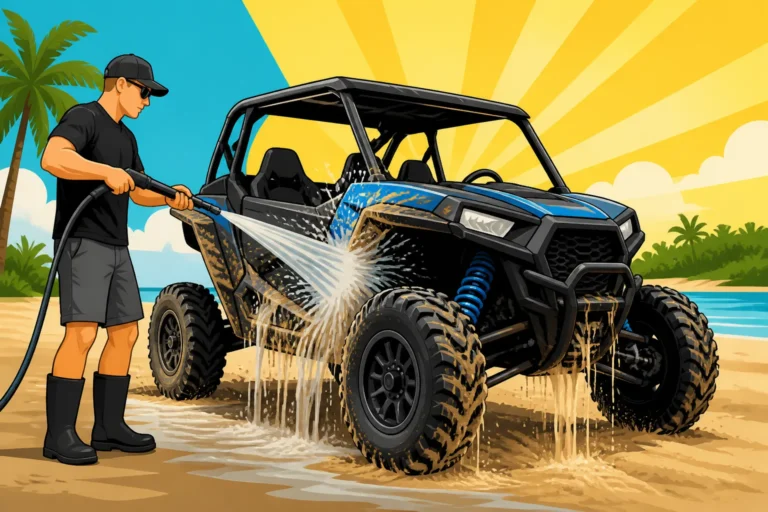
Start by rinsing the machine with water to loosen dirt and bug residue. Let the water do some of the work before using a soft cloth or sponge. On a windshield or plastic body panel, test any cleaner on a small area and follow the manufacturer’s guidance. Don’t use an abrasive pad or a dry towel on grit-covered surfaces.
Give extra attention to the grille, radiator guard, lights, and other areas where debris can collect. If you’re rinsing the radiator, use a gentle flow and avoid bending the fins. A pressure washer held too close can damage delicate parts or force debris deeper into places you’re trying to clean.
Clean goggles, visors, and windshields separately with products that are safe for their material. Keep a dedicated lens cloth for eyewear rather than using the same cloth you used on the machine. That small habit can prevent scratches and streaks the next time you ride.
Inspect the machine before putting it away
After rinsing, check that the radiator area is clear and that mud, leaves, or other debris haven’t been left packed around it. Look over lights, tires, brakes, and visible cables for anything unusual. If the machine ran hotter than normal or warning indicators appeared, don’t assume a wash has solved the issue; inspect it further or have a qualified mechanic check it before the next ride.
Some riding areas have washdown stations, while others don’t. If you’re choosing a destination partly around cleanup convenience, check the location’s facilities before you go. [Florida Riding Areas With Washdown Stations] may help you narrow down what to look for, but confirm details with the riding area before making the drive.
Be considerate when cleaning at a shared facility. Keep mud and debris out of drains where prohibited, don’t block access for other riders, and follow posted instructions. Good cleanup habits matter at home, too: remove insects before residue hardens, store wet gear so it can dry, and keep your goggles protected from dust between rides.
Lovebugs can make trail riding messier, but they don’t have to ruin the day. Protect your vision, give other riders room, watch the machine’s cooling area, and keep your plan flexible if conditions become uncomfortable. Respecting posted rules and trail etiquette helps everyone; [Florida OHV Trail Etiquette Locals Expect] is a useful companion for planning a considerate ride.
Disclaimer
This article is for general informational purposes only and does not constitute professional advice. Laws, prices and regulations vary by location and change over time. Consult a qualified professional for guidance on your specific situation.