Polk County ATV Title Walk-In Wait
You've just gotten yourself a sweet new (or new-to-you) ATV or UTV in Florida, and naturally, you're excited to hit the trails around places like Hog Waller or Croom. But before you can truly enjoy those adventures, there's a small but significant hurdle: titling your machine at the Polk County Tax Collector's office. Nobody loves waiting in line, especially when you're itching to ride. This guide is here to walk you through what to expect when you head to a Polk County office for your ATV title, how to potentially reduce your wait, and what crucial paperwork you'll need to make the process as smooth as possible.
Understanding the Polk County Tax Collector's Office and ATV Titling
When it comes to getting your ATV or UTV legally recognized in the Sunshine State, the local tax collector's office is your primary destination. It's a place many Floridians know well, often associated with car tags and driver's license renewals. However, it's also where the magic happens for your off-highway vehicles. Knowing their role and what a typical visit entails can significantly ease any anxiety about the process.
Why You're Heading to the Tax Collector for Your ATV Title
In Florida, the Department of Highway Safety and Motor Vehicles (FLHSMV) oversees vehicle titling, but the actual, boots-on-the-ground work is handled by county tax collectors. For those of us in Polk County, that means a visit to one of the conveniently located offices. You're not just going there to get a piece of paper; you're formally establishing legal ownership of your ATV or UTV. This is critical for several reasons, including preventing theft, proving your purchase, and meeting state requirements for riding on public lands. Whether you've just bought a brand-new quad from a dealer, are transferring ownership after a private sale, or need a replacement for a lost title, the tax collector's office is the official gateway. They ensure all the necessary forms are completed accurately and that the state's titling fees are collected.
It’s easy to think of these machines as purely recreational toys, but from the state's perspective, they're vehicles that require proper documentation just like your car or truck. The procedures and the meticulousness required are very similar. Ignoring this step can lead to complications down the road, especially if you plan on selling your machine later or ever need to make an insurance claim. Even if you're only riding on private land, having your title squared away provides clear proof of ownership, which is invaluable.
The various reasons you might walk through those doors range from obtaining an initial title for a machine fresh off the showroom floor, to transferring a title after purchasing a used quad from a neighbor, or even applying for a duplicate if your original title has gone missing. Each scenario has its own specific set of required documents, which we'll delve into shortly. Knowing exactly why you're there and what documents are required for that specific transaction is the first step in minimizing your time spent waiting.
The Typical Walk-In Experience at a Government Office
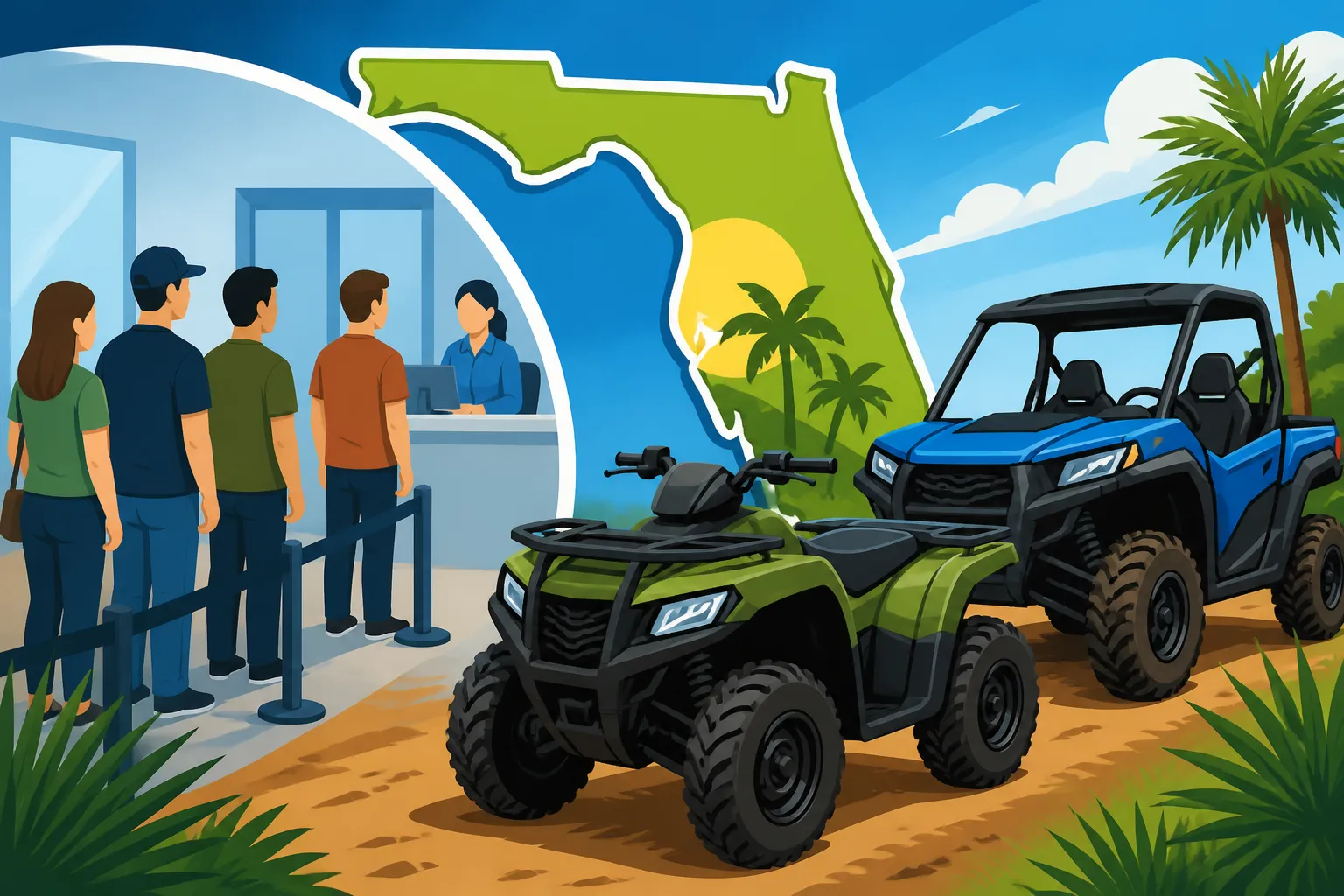
Let's be real: visiting any government office usually conjures images of long lines, waiting room purgatory, and perhaps a slightly sterile atmosphere. The Polk County Tax Collector's office, while aiming for efficiency, is no exception to the general experience of public service centers. When you arrive for a walk-in visit, you'll typically start by signing in, either at a front desk or using a self-service kiosk. This usually involves selecting the type of service you need, which helps the staff direct you to the right queue. Once signed in, you'll receive a number and then find a seat in the waiting area.
The waiting room itself can be a microcosm of everyday life, filled with individuals handling everything from driver's license renewals to business tax applications. You'll hear numbers being called, see people approaching the counter, and then observe them leaving, hopefully with their tasks accomplished. It's a system designed to process a high volume of diverse transactions, which means your specific ATV title request is just one of many different services being provided. Patience is definitely a virtue here.
The actual time you spend waiting can vary wildly, depending on a multitude of factors, some within your control and some completely out of it. The time of day, the specific day of the week, and even the time of year can all play a significant role. It's not uncommon for folks to set aside a good chunk of their day for these visits, just to be safe. Thinking you can pop in and out during your lunch break might be a bit optimistic, especially for a detailed transaction like a title transfer or a more complex scenario. The goal, then, is to arm yourself with strategies and information to make that waiting period as short and productive as possible.
Navigating Wait Times for ATV Titling in Polk County
Dealing with government offices can feel like a roll of the dice when it comes to wait times. One day you might sail through, and the next you're settling in for an epic saga. When you're trying to title your ATV in Polk County, managing these expectations and having a few tricks up your sleeve can save you a lot of frustration. Understanding what drives those waiting periods is the first step to beating them.
Factors Influencing Your Wait Time at the Polk County Office
Several elements conspire to create those variable wait times at the Polk County Tax Collector's office. Being aware of them can help you plan your visit strategically. For starters, the time of day and week is a huge factor. Mondays and Fridays, especially first thing in the morning or right before closing, tend to be the busiest. Everyone wants to get their errands done at the start or end of the work week. Mid-week days, like Tuesday, Wednesday, or Thursday, often see a slight lull in activity, making them potentially better choices. Arriving mid-morning or early afternoon, avoiding the initial rush and the lunch crowd, might also work in your favor.
Then there are the peak seasons and cyclical rushes. Think tax season, which can bring in a flood of people with various financial needs. The end of the month often sees a bump in visitors as people rush to complete transactions before deadlines. Holidays, or the days immediately surrounding them, can also be unexpectedly busy as people use their time off to run errands. If you're dealing with anything more complex than a straightforward title transfer, like [Titling a Homemade or Rebuilt ATV in Florida] or navigating a situation where the seller lost the paperwork, that added complexity can increase the time required at the counter, which in turn impacts the overall wait for everyone else.
Finally, staffing levels and unexpected events can play a role. While tax collector offices strive for consistent service, unforeseen absences or surges in particular types of transactions can temporarily overwhelm the available staff. A sudden influx of customers for a specific service, perhaps something unrelated to ATVs, can bottleneck the entire process. While you can't control these factors, being prepared with all your documents and knowing what to expect can ensure that once your number is called, your transaction contributes as little as possible to the wait time for those behind you.
Strategies to Minimize Your Time in the Waiting Room
Nobody wants to spend more time than necessary sitting in a government waiting room, no matter how engaging your phone might be. While you can't eliminate the wait entirely for a walk-in visit, there are definitely ways to stack the odds in your favor when going to the Polk County Tax Collector's office for your ATV title. The first and perhaps most crucial tip is to check online before you go. Many county tax collector websites, including Polk County's, offer tools to view current wait times or even allow you to join a virtual queue from home. If you see that one office has a significantly shorter wait than another, it might be worth the extra drive. Even if they don't have a real-time wait tracker, they often provide general information on peak hours.
Timing your visit strategically is paramount. As mentioned, Mondays and Fridays are often the busiest. Aim for a mid-week visit, perhaps on a Tuesday, Wednesday, or Thursday. Furthermore, consider going mid-morning or mid-afternoon, avoiding the very opening rush and the lunchtime crush. These times often see fewer people trying to squeeze in a quick visit before or after work. A little bit of planning around their published hours can make a big difference in the pace of your visit.
The absolute best strategy to minimize your personal time at the counter, and thus contribute to a smoother flow for everyone, is to arrive fully prepared. This means having every single document, every form filled out accurately, and all necessary payments ready. There's nothing that slows down the line more than someone who has to step aside to fill out a form, hunt for a missing ID, or realize they don't have the correct proof of ownership. We’ll get into the specific paperwork in the next section, but suffice it to say, don’t underestimate the power of preparation. If you're organized, your transaction can be completed quickly, freeing up the counter for the next person and keeping the line moving.
Finally, while this guide focuses on walk-ins, always briefly consider if alternatives exist. Some tax collector offices offer appointments for certain services, or perhaps even a mail-in option for specific transactions, though initial ATV titling usually requires an in-person visit. Polk County has multiple tax collector locations; a quick check of their website might reveal if one particular branch typically handles a lower volume of traffic, especially if you live in an area that makes visiting multiple offices feasible. Always double-check which location is most convenient and potentially less crowded for your specific needs.
Essential Paperwork for a Smooth Polk County ATV Title Process
Okay, so you've timed your visit, you're mentally prepared for a potential wait, and now it's time for the real make-or-break element of your ATV titling journey in Polk County: the paperwork. Walking into the Tax Collector's office without all your ducks in a row is the surest way to face delays, rejections, and the dreaded "you'll have to come back another day" pronouncement. Proper preparation here isn't just about saving time; it's about ensuring your transaction is successful on your first attempt.
The Core Documents You'll Need for Any ATV Title Transaction
Regardless of whether your ATV is brand new or previously owned, there's a set of foundational documents you absolutely must have when applying for a title at the Polk County Tax Collector's office. First and foremost is proof of ownership. If your ATV is new, this will be the Manufacturer's Statement of Origin (MSO), sometimes called a Manufacturer's Certificate of Origin (MCO). This is essentially the birth certificate of your machine. For a used ATV, you'll need the previous owner's properly assigned title. This is where many private sales run into trouble if the title is lost or not correctly transferred.
Secondly, a bill of sale is incredibly important, especially for private sales. While an MSO or properly assigned title is the primary proof of ownership, a well-drafted bill of sale clearly outlines the transaction details, including the buyer, seller, purchase price, date, and a description of the ATV. It serves as an additional layer of protection and clarity. If you're buying from a private seller, ensure it details the VIN and any other identifying information. Websites like LawDepot can be a real lifesaver here, offering templates for a [Florida ATV Bill of Sale: What It Needs to Say] that are legally sound and comprehensive, ensuring you don't miss any critical details that could cause a hiccup at the counter.
Of course, you'll need your personal identification. A valid Florida driver's license or state ID card is standard. This verifies who you are and that you are legally capable of owning a vehicle. Make sure it's current and matches the name you want on the title. You'll also need to complete the Florida HSMV Form 82040, which is the Application for Certificate of Title With/Without Registration. You can usually download and print this form from the FLHSMV website ahead of time, or pick one up at the Tax Collector's office. Filling it out accurately and completely before you get to the counter can save precious minutes.
Finally, you'll need to be ready with payment for the associated fees. There's the initial title application fee, service charges, and sales tax. While specific figures can change, expect to pay a base fee for the title application itself, plus a service charge the county collects. Sales tax will also be calculated based on the purchase price of your ATV, unless an exemption applies. Make sure you know what payment methods your specific Polk County Tax Collector office accepts (cash, check, debit/credit cards) and have enough funds available. Knowing the shape of these costs, like the [Florida ATV Title Fee Breakdown: $29 Plus Service Charges], allows you to budget accordingly.
Specifics for Different Scenarios and Avoiding Pitfalls
While the core documents cover most situations, certain scenarios require additional paperwork or specific attention to detail. If you're buying a used ATV, it's crucial to confirm that there are no outstanding liens on the machine. A clean title is vital. If a lien was recorded, you’ll need a lien satisfaction document from the financial institution to clear it before you can transfer the title solely into your name. This is an important step to prevent future headaches and ensure you actually own the machine free and clear, as outlined in [Florida ATV Title With a Lien Recorded].
For those bringing an out-of-state ATV into Florida after moving, you'll need a VIN verification. This involves having an authorized agent (like a Florida law enforcement officer, a licensed dealer, or a notary public with specific authorization) physically inspect your ATV to verify the Vehicle Identification Number. This ensures the machine matches its documentation and hasn't been reported stolen elsewhere. Understanding [Who Can Verify an ATV VIN in Florida?] is key to getting this crucial step done correctly.
If you're lucky enough to receive an ATV as a gift, the process is a little different than a standard sale. You'll still need the original title, but instead of a bill of sale indicating a purchase price, you'll likely need a specific affidavit or statement of gift to exempt you from sales tax. This process for a [Florida Off-Highway Vehicle Title for a Gifted Quad] ensures the transaction is properly documented even without monetary exchange.
One common pitfall is incomplete or improperly filled-out forms. Double-check everything. Ensure all signatures are present, dates are correct, and all required fields are filled in. If a section doesn't apply, mark it as "N/A" rather than leaving it blank. Using a reliable resource like LawDepot can help you create professional, accurate documents, such as a legally robust bill of sale, which minimizes the chances of rejection due to formatting or missing information. Remember, the clearer and more complete your submission, the faster the Tax Collector's staff can process it, and the sooner you'll be on your way to enjoying your ATV.
Beyond the Counter: What Happens After You File
So, you've braved the wait, presented all your perfectly organized paperwork, and successfully completed your ATV titling transaction at the Polk County Tax Collector's office. Phew! While the hardest part might be over, there are still a few things to know about what happens next and some important considerations for your newly titled machine. Your journey isn't quite finished until that title is safely in your hands (or virtually in your state file).
Understanding the Processing and Receiving Your Title
Once you've left the counter, your application enters the processing phase. In Florida, like many states, there's a modern system that heavily relies on electronic titles. This means that your title might not immediately be printed and handed to you. Instead, it might exist as an electronic record with the state. This system is designed for efficiency and security, reducing the risk of lost or damaged paper titles. However, you do have the option to request a paper copy, usually for a small fee, if you prefer a physical document for your records. Knowing [When a Florida Quad Title Is Electronic Only] can save you from worrying if your title doesn't arrive in the mail immediately.
Regarding the timeline for receiving your title, whether electronic or paper, it generally takes a few weeks. The exact duration can vary depending on the volume of applications the state is processing, but typically you can expect an electronic record to be updated relatively quickly, and a paper title to arrive in the mail within a couple of weeks to a month. It's rarely an instant process, so manage your expectations. If you're ever curious about the status of your application, some counties or the FLHSMV website might offer tools to check where your application stands, providing peace of mind after you've submitted your documents. This can be a useful way of [Checking Where Your Florida Title Application Stands] without having to call or revisit the office.
It's also worth noting that once titled, your ATV's information is officially on record with the state. This record is crucial for future transactions, such as selling the ATV, or in unfortunate events like theft. The electronic system ensures that this information is always accessible to authorized parties. Should you ever need a duplicate title down the road, the process is streamlined because your initial titling information is already in the system.
Important Considerations After Titling Your ATV
Titling your ATV isn't just a bureaucratic chore; it unlocks several important legal and practical aspects of ownership. One of the most significant is the ability to legally ride on public lands in Florida. The state's off-highway vehicle (OHV) laws require ATVs used on public land to be titled. This means that if you plan on visiting popular riding areas like the Ocala National Forest or Croom Motorcycle Area, your title is a prerequisite. Ignoring this requirement can lead to fines or other penalties, making it clear that [Riding Public Land as the Trigger for a Title] is a critical detail.
After you receive your title, whether electronically or on paper, it’s always wise to keep diligent records. Make copies of all the documents you submitted, including your application, bill of sale, and the front and back of your new title. Store these in a safe place, separate from the original title if you opted for a paper copy. This provides a backup in case of loss or damage, and can be invaluable if you ever need to prove ownership for insurance or resale purposes. It's a simple step that can prevent future headaches.
Finally, remember that the title is a living document, tied to your machine and your ownership. Should your personal information change, such as your address, it's important to update your title records. This can typically be done through the Tax Collector's office as well, ensuring that all state communications and records remain accurate. Should the unforeseen happen and your title gets lost or damaged, you'll also be able to apply for a [Florida ATV Title Lost or Damaged: Getting a Duplicate] relatively easily, thanks to the state's established process and your original filing. Your titled ATV is now officially part of Florida's recreational landscape, ready for countless adventures!
Disclaimer
This article is for general informational purposes only and does not constitute professional advice. Laws, prices and regulations vary by location and change over time. Consult a qualified professional for guidance on your specific situation.