What a Posted Speed Limit Sign Decides for Riders
It's incredibly frustrating trying to figure out Florida's rules for riding ATVs and UTVs, especially when you think you're doing everything right by sticking to unpaved roads, only to wonder if that posted speed limit sign applies to you. This guide is here to untangle the confusion, clarify exactly what those speed limit signs mean for ATV and UTV riders on Florida's permissible unpaved roads, and ensure you're riding safely and legally.
Understanding Florida's ATV and UTV Road Use Laws
Florida's stance on ATVs and UTVs on public roads can feel like a tangled mess of "can I?" and "can't I?". You see people riding them in some places, but then you hear about tickets in others. The key is understanding that, for the most part, these machines are not street legal in the traditional sense, like a car or motorcycle. They're designed for off-highway use, and their road privileges are very specific and limited.
The General Rule: No Paved Roads
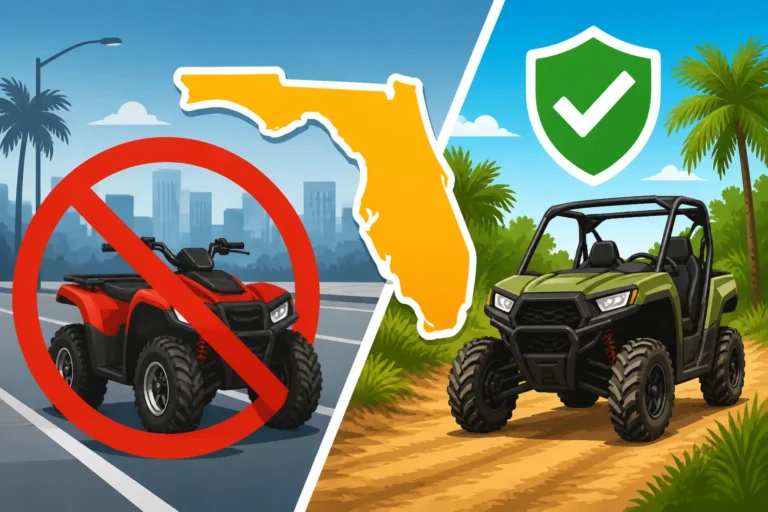
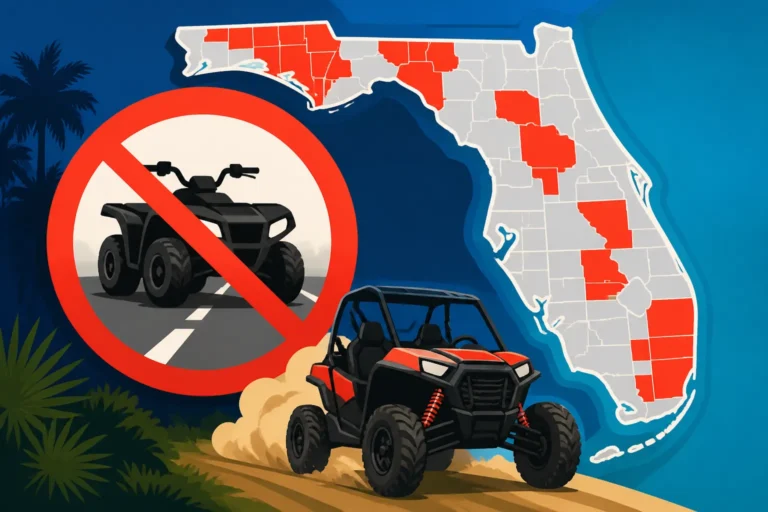
Let's start with the big one: most ATVs and UTVs are absolutely forbidden on paved public roads in Florida. This isn't just a suggestion; it's a hard-and-fast rule under Florida Statute 316.2123. It can be tempting to just zip across a paved section to get to another trail or to head to the corner store for a cold drink, but doing so opens you up to citations, fines, and even having your machine impounded. The law is pretty clear that these vehicles are not built for asphalt and don't belong there. This rule is designed for safety, as ATVs and UTVs lack many of the safety features and road manners of conventional vehicles. For a deeper dive into where you can and can't ride, check out [Florida ATV Road Rules: Where You Can Legally Ride].
The Unpaved Roadway Exception
However, there's a significant exception that many riders cling to, and it's where the posted speed limit signs come into play: unpaved public roads. Florida law does allow ATVs and UTVs to operate on "unpaved roadways" where the posted speed limit is 35 mph or less. This is a game-changer for many folks who live in rural areas or near extensive dirt road networks. It means you might be able to use your machine to get to a fishing spot, access a back forty, or even just cruise down a sandy path that leads to your buddy's house, as long as that unpaved road meets the criteria. The definition of "unpaved roadway" is also crucial, and you can learn more about it in [Unpaved Roadway: How the Statute Defines It]. This specific allowance is critical for many, as it bridges the gap between strictly off-road use and the practical needs of rural residents and recreational riders.
The Specifics of Unpaved Roadway Speed Limits
Now, let's get down to the core question: what does that posted speed limit sign actually mean for you, the ATV or UTV rider, on these permitted unpaved roads? It's not just a suggestion; it's a legal directive.
35 MPH or Less: The Golden Rule
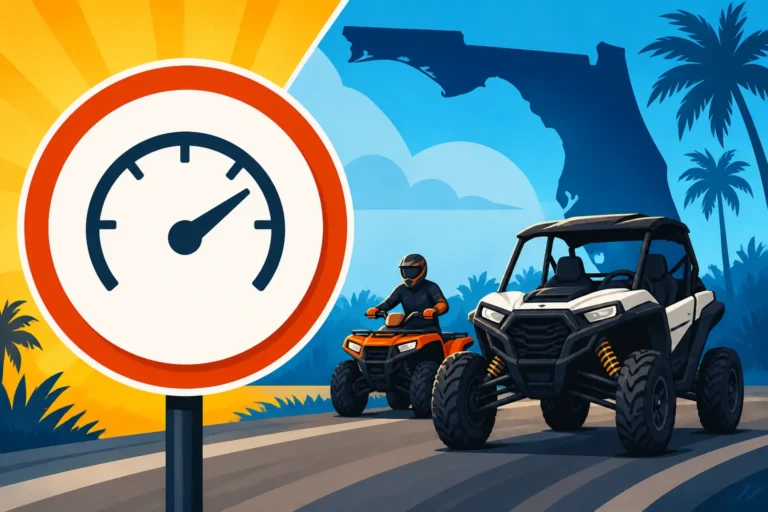
The Florida statute is quite clear: an ATV or UTV can only be operated on an unpaved public roadway if the posted speed limit on that roadway is 35 miles per hour or less. If you're on an unpaved road with a sign that says "SPEED LIMIT 45" or "SPEED LIMIT 50," then your ATV or UTV should not be on that road, period. It doesn't matter if you think you can maintain control or if you're only going 20 mph. The determining factor is the posted speed limit for that specific section of road, not your actual speed. This is a critical distinction many riders miss, leading to unexpected tickets. So, when you're planning your route, always keep an eye out for those black and white signs. You can find more details on this specific limit in [Florida ATV Speed Limit on Unpaved Roads].
Obeying the Posted Limit (or Lower)
If the unpaved roadway does have a posted speed limit of 35 mph or less, then you are legally obligated to obey that posted limit. If the sign says "SPEED LIMIT 25," you cannot go 30 mph. If it says "SPEED LIMIT 35," you can't push it to 40 mph. It's the same rule that applies to cars, trucks, and any other street-legal vehicle. In fact, due to the nature of ATVs and UTVs – their open-air design, different handling characteristics, and lack of certain safety features – it's often wise to ride at a speed below the posted limit, especially if road conditions are dusty, bumpy, or visibility is low. Just because you can legally go 35 mph doesn't mean it's always the safest or smartest choice on every unpaved surface. Common sense and defensive riding are always your best allies.
What if There's No Posted Sign?
This is a common scenario in many rural, unpaved areas of Florida. You're cruising down a dirt road, having a blast, and you realize there isn't a single speed limit sign in sight. So, what's the rule then? Generally, if an unpaved road doesn't have a posted speed limit sign, the default speed limit in Florida is often 30 mph in residential or business districts and 55 mph elsewhere, though local ordinances can vary greatly. However, remember the golden rule for ATVs and UTVs: they are only permitted on unpaved roadways where the posted speed limit is 35 mph or less. Therefore, if there's no posted speed limit, you generally cannot assume it automatically falls under the 35 mph or less category, especially if it's an open rural road. This ambiguity makes it risky to ride an ATV or UTV on unpaved roads without clear signage confirming the speed limit. It's best to err on the side of caution and assume that if there's no sign, it might not be a permissible road for your OHV, unless you've confirmed with local authorities that it specifically falls under the 35 mph exception. This is one of those grey areas where knowing your local county rules is paramount.
Beyond Speed Limits: Other Road Use Regulations
While speed limits are crucial, they are far from the only rules you need to follow if you're riding your ATV or UTV on Florida's unpaved roads. Ignorance of other regulations won't excuse you from a citation.
Driver's License and Age Requirements
Just because you're on a dirt road doesn't mean the rules for operating a motor vehicle go out the window. If you're operating an ATV or UTV on a public unpaved roadway in Florida, you must possess a valid driver's license. This isn't just for cars; it applies to any motor vehicle on a public right-of-way. Furthermore, there are age restrictions, especially for minors. While youth ATVs exist, if a minor is riding on a permissible unpaved roadway, they generally need to be under the direct supervision of a licensed adult. These rules are in place for safety, as public roads, even unpaved ones, present different hazards than private property or dedicated off-road trails. Never let an unlicensed or underage rider take your machine on these roads without understanding the strict regulations around [Minors Riding Roads Under Supervision in Florida].
Necessary Equipment for Road Use
Thinking about taking your machine on an unpaved road? You'll need more than just a working engine. Florida law requires certain equipment if you're going to operate an ATV or UTV on any public road, even the permissible unpaved ones. This typically includes working headlights, taillights, brake lights, a horn, and at least one rearview mirror. While your off-road machine might have some of these, it often won't have all. If you're serious about utilizing these limited road privileges, you'll need to outfit your ATV or UTV properly. Companies like SuperATV offer a wide range of accessories, from turn signal kits to mirrors and horn kits, designed to help you meet these requirements. Ensuring your machine is equipped correctly isn't just about avoiding a ticket; it's about making yourself visible and safe to other potential road users, including farm equipment or other slow-moving vehicles that frequent these types of roads. This often means adding a [Florida Rules for a Quad With Headlights and Turn Signals] system that goes beyond basic trail lights.
Passenger Rules and Helmet Laws
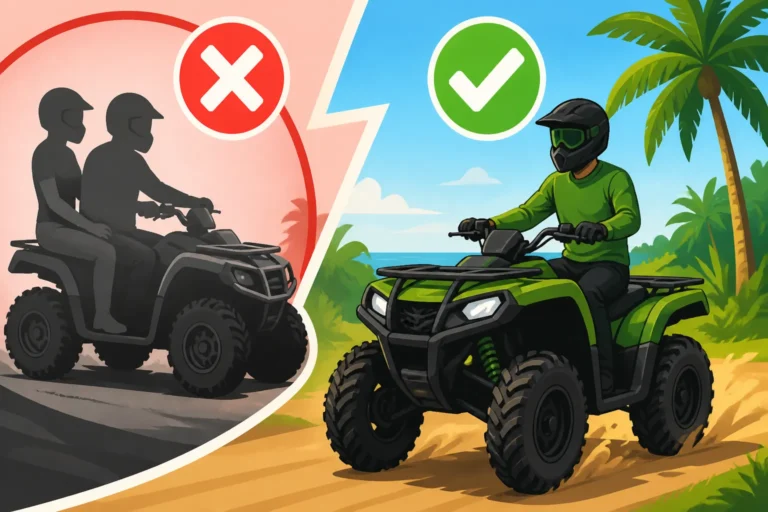
Another set of critical regulations to remember relates to passengers and protective gear. For ATVs, generally, they are designed for a single operator unless specifically manufactured for two riders. Carrying a passenger on a single-rider ATV on a public road is typically illegal and highly dangerous. UTVs, being multi-passenger vehicles, are a different story, but their passenger capacity should not be exceeded. Helmets are also a big deal, especially for younger riders. In Florida, any ATV or UTV rider under the age of 16 must wear a DOT-approved helmet and eye protection when operating on public lands or roads. While adults over 16 aren't legally required to wear a helmet on these specific unpaved roads (as they would be on an off-road trail in a state park), it is always highly recommended for your safety. A sudden washout or hidden pothole can quickly turn a fun ride into a serious accident. For specific rules regarding who can ride and where, refer to [Florida ATV Passenger Rules] and [Florida ATV Helmet Law for Riders Under 16].
Consequences of Disregarding Speed Limits and Road Rules
Ignoring Florida's ATV and UTV road rules, especially those concerning speed limits, can lead to a lot more than just a stern talking-to. The consequences can range from inconvenient to downright expensive and impactful.
Fines and Citations
The most immediate consequence of violating speed limits or other road rules is a traffic citation, much like you'd receive in a car. The specific fines can vary by county and the severity of the offense, but they are rarely cheap. Exceeding the speed limit on an unpaved road, or even riding on an unpaved road with a posted limit over 35 mph, will likely result in a moving violation. These aren't just minor infractions; they can add points to your driver's license, potentially increasing your insurance rates. Imagine thinking you're enjoying a peaceful ride only to get hit with a hefty fine and points on your license because you misinterpreted a speed sign. You can read more about typical costs in [Florida ATV Ticket Cost for Illegal Road Riding].
Impoundment and Forfeiture
This is where things can get really serious. If you're caught operating your ATV or UTV illegally on a public road – especially if it's a repeat offense, or if you're involved in an accident – law enforcement has the authority to impound your machine. Getting an impounded vehicle back is a major headache, involving impound fees, storage costs, and potentially legal battles. In extreme cases, particularly involving egregious violations or serious accidents, your ATV or UTV could even be subject to forfeiture, meaning you could permanently lose ownership of your machine. This is a stark reminder that these aren't toys when on public land; they are treated as motor vehicles under the law, and serious infractions carry serious penalties.
Increased Liability and Insurance Issues
Beyond fines and impoundment, operating your ATV or UTV illegally on a public road significantly increases your liability. If you're involved in an accident while violating speed limits or other road rules, you will almost certainly be found at fault. This means you could be personally responsible for property damage, medical bills, and other costs incurred by any other parties involved. Most standard ATV/UTV insurance policies are designed for off-road use on private land or designated trails. Operating illegally on public roads could void your coverage, leaving you completely exposed financially. Even if you have a great machine with parts from SuperATV, if you're not following the rules, that investment can quickly become a major liability. It's always best to check your specific policy to understand its limitations, but generally, illegal operation will not be covered.
Equipping Your Machine for Road-Legal Riding (Where Permitted)
If you're determined to take advantage of Florida's unpaved road exceptions for your ATV or UTV, you need to ensure your machine is properly equipped. It's not just about what you can do, but what you should do to be safe and compliant.
Essential Lighting and Signaling Upgrades
As mentioned, Florida law requires specific lighting for vehicles operating on public roads, even unpaved ones. Your off-road machine might have basic headlights and taillights, but that's often not enough. You'll likely need to add turn signals (front and rear), a brake light, and possibly even a license plate light if your state requires one for LSVs (which some UTVs convert to). A horn is also a must-have. These are critical safety features that allow you to communicate your intentions to other drivers and make your presence known. Many aftermarket companies, including SuperATV, offer comprehensive street-legal kits for popular ATV and UTV models, which bundle these components together for easier installation. This saves you the headache of sourcing individual parts and ensures compatibility.
Mirrors and Visibility Aids
Visibility is paramount on any public roadway, even dusty, unpaved ones. Your typical ATV or UTV often comes with minimal mirrors, if any. For road use, you'll need at least one rearview mirror, and ideally, two side mirrors to give you a clear view of what's behind and beside you. Wide-angle mirrors can be particularly helpful for UTVs. Beyond mirrors, consider adding reflective tape to your machine, especially if you anticipate riding at dusk or dawn. While night riding is generally prohibited on these unpaved roads, increased visibility is always a good idea. Enhancing your visibility helps prevent accidents, especially with other vehicles that might be traveling faster or producing a lot of dust.
Upgrading Tires and Suspension (Consideration for Road Use)
While not strictly a legal requirement for simply riding on unpaved roads, the type of tires and suspension you have can significantly impact your safety and comfort. Aggressive mud tires, while fantastic for slinging mud at a park, can be noisy, wear quickly, and offer less predictable handling on harder packed dirt or gravel roads. If a significant portion of your riding involves unpaved public roads, you might consider a more all-terrain (AT) tire with a tighter tread pattern, which offers a smoother ride and better longevity on varied surfaces. Similarly, a well-tuned suspension is crucial for absorbing bumps and maintaining control, especially when encountering unexpected potholes or washouts that are common on unpaved roads. Some riders even opt for lift kits from brands like SuperATV to gain more ground clearance, which can be beneficial for navigating deep ruts or uneven terrain on these roads. While these aren't legal mandates for the 35 mph rule, they are practical considerations for safer and more enjoyable road-legal riding.
Comparing OHV Road Use to Low-Speed Vehicles (LSVs)
It's easy to confuse the limited road access for ATVs and UTVs with the rules for Low-Speed Vehicles (LSVs) or even golf carts in Florida. While some UTVs can be modified to meet LSV requirements, they are distinct categories with different rules.
Florida's LSV Definition and Requirements
A Low-Speed Vehicle (LSV) in Florida is generally defined as a four-wheeled vehicle whose top speed is greater than 20 miles per hour but not greater than 25 miles per hour. LSVs must be titled and registered, and they are allowed on public roads where the posted speed limit is 35 mph or less. However, the key difference is that an LSV must meet a much more extensive list of safety equipment requirements, including headlamps, stop lamps, turn signals, taillamps, reflex reflectors, a rearview mirror (or two exterior side mirrors), a parking brake, a windshield, seat belts, and a Vehicle Identification Number (VIN). Modifying a UTV to become an LSV is a significant undertaking that goes far beyond just adding a few lights. For more information, you can look at [Florida Low-Speed Vehicle Rules for Side-by-Sides] and [Turning a Side-by-Side Into a Florida LSV].
Why an ATV/UTV Isn't an LSV (Typically)
Most ATVs and UTVs, as they come from the factory, do not meet the definition or safety equipment requirements of an LSV. Their top speeds often exceed 25 mph, and they lack many of the mandated safety features. While a UTV might seem like it's "close" to an LSV, the legal distinction is clear and important. Trying to pass off a standard UTV as an LSV without undergoing the full conversion and registration process will land you in trouble. This is why many riders simply stick to the unpaved road exception for their ATVs and UTVs rather than attempting a full LSV conversion, which often involves a significant investment in parts and certification. The rules for [Florida LSV Registration and Insurance Rules] are quite specific and comprehensive, highlighting the difference.
Operational Differences and Restrictions
The operational differences between a standard ATV/UTV on permissible unpaved roads and a registered LSV on similar roads are crucial. While both are limited to roads with a 35 mph posted speed limit or less, the LSV has broader access to paved municipal roads within that speed restriction. ATVs and UTVs, even when meeting the unpaved road exception, are still generally prohibited from crossing paved state or county roads except at specific intersections. LSVs, by contrast, can often navigate these paved roads more freely within their speed limits. This means that while your ATV might be fine on the dirt track leading to the lake, an LSV could potentially take you all the way into town on low-speed paved streets. Understanding these distinctions is key to staying legal and avoiding unexpected fines.
| Feature / Vehicle Type | ATV/UTV (Unpaved Road Exception) | Low-Speed Vehicle (LSV) |
|---|---|---|
| Roads Permitted | Unpaved roads, posted limit 35 mph or less | Any road, posted limit 35 mph or less (paved/unpaved) |
| Top Speed | Varies (often >25 mph) | >20 mph but not >25 mph |
| Driver's License | Required | Required |
| Registration/Title | Title required (OHV), No road registration | Title & Registration required |
| Headlights/Taillights | Required | Required |
| Brake Lights | Required | Required |
| Turn Signals | Required | Required |
| Horn | Required | Required |
| Rearview Mirror | Required (at least one) | Required (or two side mirrors) |
| Windshield | Not typically required | Required |
| Seat Belts | Not typically required (except UTVs for safety) | Required |
| Passenger Rules | Single rider (ATV), capacity limits (UTV) | Based on seat capacity |
| Insurance | Recommended (off-road), specific to LSV for road use | Required for road use |
| Crossing Paved Roads | Limited (often only at intersections) | Generally permitted within speed limits |
Staying Safe and Legal on Florida's Unpaved Roads
Riding an ATV or UTV in Florida can be an absolute blast, especially when you understand the specific nuances of the law. Staying safe and legal means being informed and prepared.
Always Check Local Ordinances
Florida's state law provides the framework, but counties and even municipalities have the power to enact their own specific ordinances regarding ATV and UTV use, especially on roads. A county might have designated certain unpaved roads for OHV use, while a neighboring county might prohibit them entirely. Before you venture out, especially if you're in an unfamiliar area, it's always a smart move to check with the local Sheriff's office or county administration for any specific rules that apply. What's legal on a dirt road in Marion County might be illegal in Polk County. This due diligence can save you a lot of grief and ensure your ride is worry-free.
Defensive Riding and Awareness
Even on permissible unpaved roads, defensive riding is crucial. These roads are often shared with cars, trucks, farm equipment, bicycles, and pedestrians. Dust can obscure vision, gravel can cause loss of traction, and unexpected potholes or washouts are common. Always maintain a safe following distance, especially in dusty conditions. Be prepared for oncoming traffic around blind corners. Use your signals, and make sure your machine's lighting is always on, even during the day, to maximize your visibility. Remember that not every driver expects to see an ATV or UTV on these roads, so assume others might not see you. Safety should always be your top priority, above all else.
Carrying Proof of Ownership and Identification
Whenever you're operating your ATV or UTV on any public land or road, you should always carry proof of ownership (like your title or registration), a valid driver's license, and any required permits (if applicable for public riding areas). Law enforcement can and will stop you to verify these documents. Being unable to produce them can lead to delays, further questioning, or even citations. Having everything in order shows you're a responsible rider and can help ensure a smooth interaction with law enforcement if you're ever stopped. Don't let a missing piece of paperwork turn a pleasant ride into an unnecessary hassle.
Disclaimer
This article is for general informational purposes only and does not constitute professional advice. Laws, prices and regulations vary by location and change over time. Consult a qualified professional for guidance on your specific situation.