Drainage Ditch Riding in Florida
There's a certain wild appeal to Florida's landscape, full of hidden nooks and crannies that just look like they'd be perfect for an ATV or UTV adventure. Among these tempting spots are the countless drainage ditches and canals crisscrossing the state. It’s easy to look at a seemingly abandoned stretch of ditch bank or a dry canal bed and think, "Hey, this looks like a great spot to ride!" But that innocent thought can quickly lead to a heap of trouble, both legally and physically. This guide is here to shed light on the realities of drainage ditch riding in Florida, helping you understand the allure, the very real dangers, and why it's almost always a bad idea.
The Allure and Danger of Florida's Drainage Ditches
Let’s be honest, we’ve all seen them. Those long, winding paths of earth, sometimes grassy, sometimes sandy, often leading away from paved roads and into what looks like untouched wilderness. For ATV and UTV riders, these drainage ditches can look like an open invitation to explore, a secret shortcut, or a private off-road playground away from crowded public trails. But beneath that tempting surface lies a host of hidden hazards and legal pitfalls that can turn a fun ride into a costly nightmare.
Why Riders Are Drawn to Ditches
The appeal is understandable. You’re driving down a county road, and there, running parallel or cutting across, is a drainage ditch. It often looks like a natural trail, free from obstacles, and sometimes even offers a bit of elevation change or a sandy stretch that mimics a real riding area. For many, it feels like an escape from the paved world, a chance to truly feel off-grid. In some rural areas, these ditches might even appear to be part of an informal network that locals have used for generations.
There's also the perception of privacy. Away from official parks and busy roads, a ditch might seem like a place where you can ride without drawing attention, practice new techniques, or simply enjoy a quiet spin without others around. This feeling of solitude and unimpeded access can be a powerful draw, especially for those who live in areas without easy access to designated off-road parks. It taps into that core desire many of us have as riders – the freedom to explore and conquer new terrain.
The Hidden Hazards
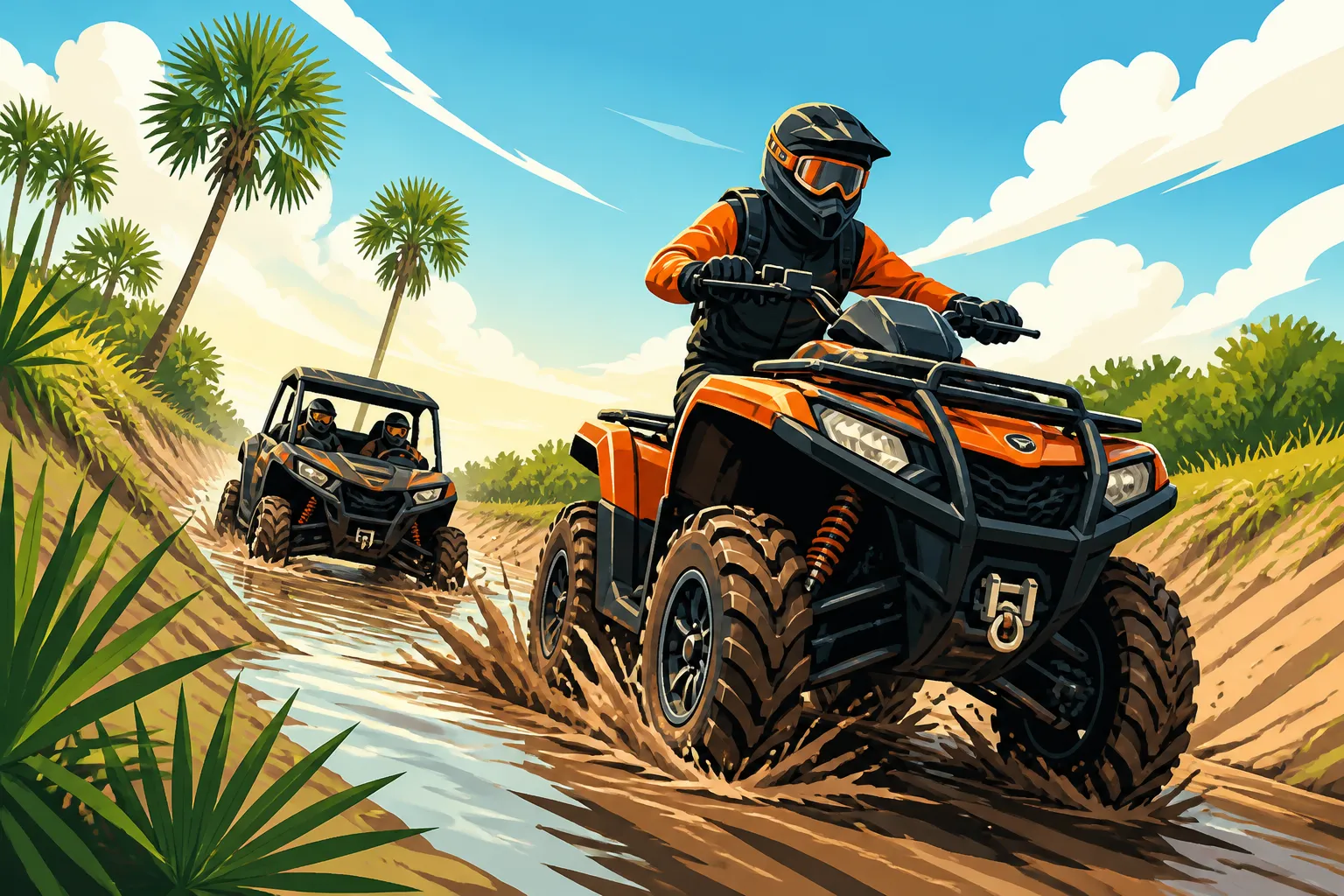
What looks like a harmless ditch from the road can be a serious trap once you're in it. Florida's sandy soil, while fun to ride on, is incredibly unstable, especially after rain or prolonged dry spells. What looks like firm ground can quickly turn into deep, energy-sapping sugar sand that can swallow tires whole or hide dangerous ruts. Then there's the water itself. Many drainage ditches are designed to carry water, and even if they look dry on the surface, pockets of deep mud, standing water, or even submerged obstacles can be lurking just beneath. You might think you're crossing a shallow puddle only to find yourself axle-deep in thick, gooey mud, risking getting stuck or even overturning your machine.
Beyond the terrain, there are unseen man-made hazards. Drainage ditches often contain buried pipes, concrete structures, culverts, and erosion control features that are simply not designed for the impact and weight of an ATV or UTV. Striking one of these can cause significant damage to your machine, or worse, lead to serious injury. Think about hidden rebar, crumbling concrete, or sudden drops where culverts have washed out. You’re not in a controlled environment like a designated park; you’re in a functional piece of infrastructure that was never intended for recreational use.
The Legal Landscape: Is Drainage Ditch Riding Permitted in Florida?
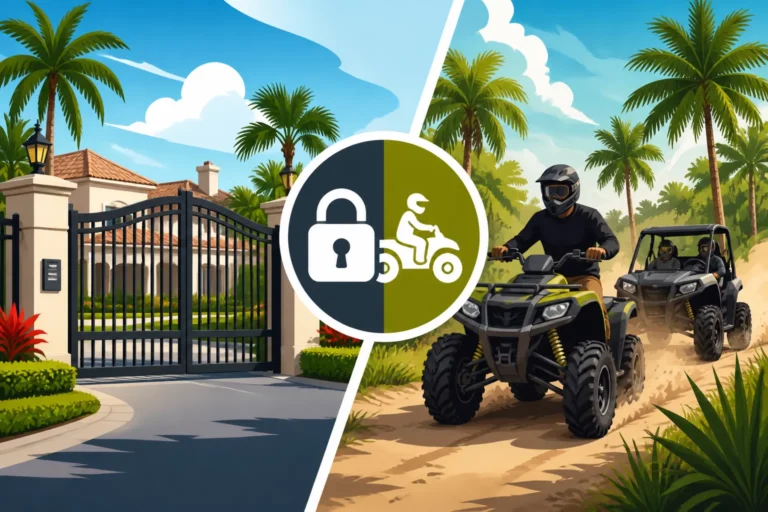
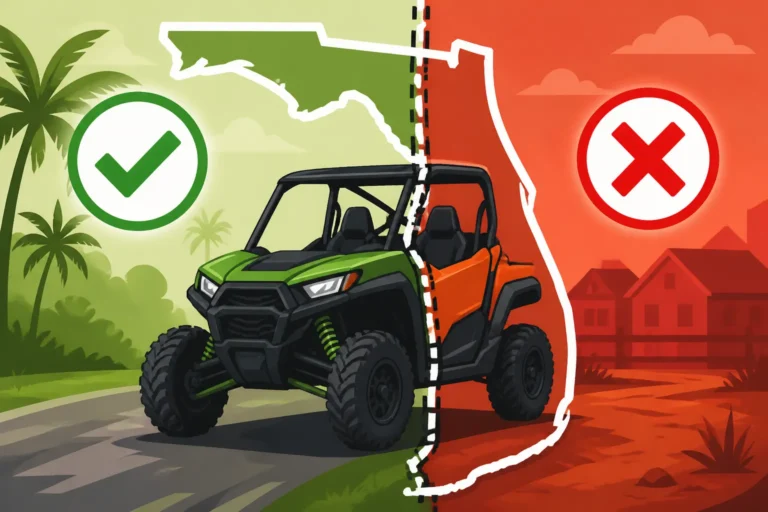
This is where the rubber meets the road, or rather, where your tires meet the law. The simple, often inconvenient truth is that riding in drainage ditches in Florida is almost universally not permitted. While a ditch might look like public land, it's rarely recreational public land. Instead, it's typically either private property or part of a public utility system with strict rules against unauthorized vehicle access.
Public vs. Private Drainage Systems
The vast majority of drainage ditches and canals in Florida fall under the jurisdiction of county, municipal, or state entities like Water Management Districts. These aren't public parks; they're critical infrastructure designed to manage stormwater runoff, prevent flooding, and maintain water quality. Because of their essential function, these areas are typically off-limits to recreational vehicles. Unauthorized use can interfere with maintenance, cause erosion, and even damage the system itself. Think about it: if every rider decided to use these ditches as trails, the constant traffic would quickly degrade their functionality, leading to bigger problems for everyone.
Then there are ditches on private land. Many rural properties, farms, and ranches have private drainage systems. Even if these ditches appear to be open and connected to other "trails," riding on them without explicit permission from the landowner is a clear act of trespassing. And in Florida, trespassing can carry significant penalties. [Florida Trespass Law for ATV Riders] is quite clear on this point.
Trespassing Laws and Consequences
When you ride in a drainage ditch without permission, you are most likely trespassing. Even if there are no "No Trespassing" signs immediately visible, it's the rider's responsibility to know whose land they are on. Ignoring this can lead to some pretty unpleasant consequences.
- Fines and Legal Charges: Trespassing is a criminal offense. Depending on the specifics, you could face hefty fines, especially if your riding causes damage to the property or infrastructure. Repeat offenses can lead to more severe charges.
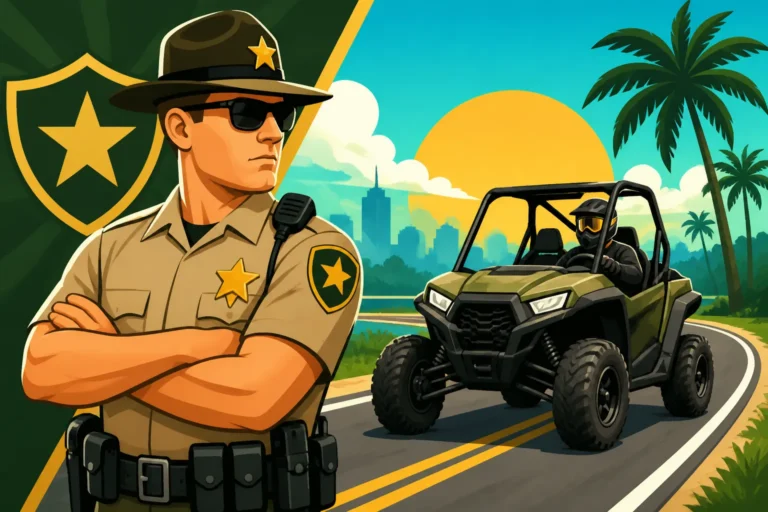
- Vehicle Impoundment: Law enforcement, including county sheriffs or Water Management District officers, have the authority to impound your ATV or UTV if you're found trespassing. Getting your machine back from impound can be an expensive and time-consuming ordeal, involving impound fees, storage fees, and potentially court costs. For more on this, check out [Florida ATV Impound After a Road Violation].
- Damage Liability: If your riding causes any damage to the drainage system, private property, or the environment (like erosion or pollution), you could be held financially responsible for those repairs. This can easily run into thousands of dollars.
- Environmental Impact: Beyond the legal and financial, there's the environmental impact. Riding in sensitive areas can damage local ecosystems, disturb wildlife, and accelerate erosion, especially in Florida's fragile wetlands and sandy soils. This is often why Water Management Districts are so vigilant about unauthorized use.
| Perceived Benefit of Ditch Riding | Actual Risk & Consequence |
|---|---|
| "Open, untamed riding space" | Unseen hazards, unstable terrain, sudden drops. |
| "Away from crowded trails" | Trespassing charges, fines, vehicle impoundment. |
| "Looks like public access" | Often private land or public utility right-of-way. |
| "No one will know" | Law enforcement patrols, angry landowners. |
| "A quick shortcut" | Legal liability for property damage. |
| "Fun mudding opportunities" | Machine stuck, damage to environment, costly tow. |
Water Management District Land and Riding
Many of Florida’s extensive network of canals and ditches are managed by one of the state's five Water Management Districts (WMDs). These districts are responsible for protecting water resources, managing floods, and maintaining wetlands. Their lands are generally not open for recreational ATV or UTV riding. In fact, they often have specific rules and regulations prohibiting unauthorized vehicle use to protect these vital systems.
Officers working for these WMDs, or local law enforcement patrolling WMD properties, are well-versed in these rules and will not hesitate to issue citations or impound vehicles found on their land without a specific, rare permit. Trying to argue that you didn't know it was WMD land won't hold up in court. If you're ever in doubt about a specific area, it's crucial to consult the WMD's official website or contact them directly. Ignoring these rules is a direct violation of environmental protection laws and can lead to severe penalties. For a broader understanding, see [Water Management District Land and Riding] and [Florida Water Management District Riding Permits].
Protecting Yourself and Your Machine: What Riders Need to Know
Given the significant risks, both legal and physical, the best way to protect yourself and your machine is to simply avoid riding in drainage ditches unless you have explicit, written permission from the landowner or managing authority. However, understanding the nuances of property access and knowing where to find legitimate riding opportunities are key to responsible riding in Florida.
Understanding Property Lines and Easements
A common misconception is that if a ditch runs through an easement, it's fair game for riding. This isn't usually the case. An easement grants a specific party (like a utility company or a government agency) the right to use a portion of someone else's property for a specific purpose – for example, to maintain power lines or manage water flow. It does not automatically grant public access for recreational activities like ATV riding. The underlying land still belongs to the private property owner, and their permission is almost always required.
To avoid inadvertently trespassing, it's essential to understand who owns the land you're riding on. Property appraiser websites, often managed by county governments, can provide parcel maps that show property lines and ownership details. If you're unsure, or if an area looks like it might be private, the safest course of action is to assume it is private and seek clarification. Getting a written permission slip from a landowner, as discussed in [Written Permission Slips Worth Carrying], is the only sure way to avoid a trespassing charge on private property. Even if a ditch has been used by locals for years, that doesn't make it legal – it just means they haven't been caught yet. [What a Landowner Can Do About Trespassing Riders] can give you more insight into property owner rights.
Seeking Permitted Riding Areas
Instead of risking fines, impoundment, or injury in a drainage ditch, channel your riding energy into Florida's many legitimate and fantastic off-road parks and trails. Florida boasts a variety of public and private riding areas designed specifically for ATVs and UTVs, offering everything from challenging mud holes to winding sand trails.
Public options include the state forests and national forests, such as the Ocala National Forest and Blackwater River State Forest, which offer miles of designated trails. Private mud parks like Hog Waller and Redneck Mud Park also provide extensive, purpose-built areas where you can ride legally and safely. These places are designed to handle off-road vehicles, often have safety staff, and provide a much more controlled and enjoyable experience. You can find comprehensive lists and details about these places by looking up [Florida ATV Trails: Every Public Riding Area]. Not only is it legal, but it's also a much safer and more reliable way to enjoy your machine. When riding in these designated areas, make sure your machine meets the [Florida's Off-Highway Vehicle Title Law Explained] requirements and you have the necessary [Florida Ranger Checks at a Trailhead] documentation.
The Risks Beyond Legality
Even if you could technically get away with riding in a drainage ditch without being caught, there are still ethical and environmental considerations. Our natural environment is precious, and responsible off-roaders understand the importance of treading lightly. Unauthorized riding in ditches can lead to:
- Erosion: The tires of ATVs and UTVs can tear up soft banks, leading to erosion, especially during or after rain. This not only damages the land but can also compromise the integrity of the drainage system itself.
- Water Quality Degradation: Kicking up mud and sediment can pollute the water in the ditch, which often flows into larger bodies of water, impacting aquatic life and overall water quality. Spills of fuel or oil from accidents further exacerbate this.
- Habitat Disruption: Many ditches, particularly in rural areas, serve as habitats for various small animals, birds, and insects. Unauthorized riding can disturb these habitats and displace wildlife.
- Negative Public Perception: Every time a rider acts irresponsibly, it reinforces negative stereotypes about the entire off-roading community. This can lead to more restrictions, more closures, and a tougher fight for access to legitimate riding areas. By sticking to permitted trails, you help demonstrate that off-roaders are responsible stewards of the land.
Equipment and Preparation (If You Do Have Legal Access)
While legal access to a drainage ditch for riding is rare, there might be unique circumstances, such as riding on your own private property or with explicit, documented permission on a specific ranch easement. In such cases, preparing your machine and yourself is crucial, as drainage ditches often present challenges different from typical trails.
Machine Preparedness
If you're legally riding in an environment that includes ditches, your ATV or UTV needs to be ready for potentially tough conditions. Florida's sandy and often wet terrain means your tires are your first line of defense. [Mud Tires for a Weekend at a Mud Park] are excellent for traction in deep, gooey conditions, but even all-terrain tires should be checked regularly for wear and proper inflation.
Consider the potential for water crossings. Drainage ditches are for water, after all. If you anticipate deep water, a snorkel kit can be a wise investment to protect your engine from hydrostatic lock. However, installing a snorkel kit doesn't give you license to ride through every deep water crossing you encounter; it merely offers some protection if you misjudge depth or encounter unexpected water. Always assess water depth and current before entering. Also, make sure your machine’s general maintenance is up to date – clean air filter, proper fluid levels, and good brakes are non-negotiable when riding in potentially challenging environments. Having basic recovery gear, like a winch or tow strap, is also a smart move if you're navigating unpredictable terrain.
Rider Safety Gear
Regardless of where you ride, safety gear is paramount. For ditch riding, where hidden hazards are common, this becomes even more critical.
- Helmet: A DOT-approved helmet is non-negotiable. Even a low-speed tip-over in soft sand can result in a head injury. Make sure it fits snugly and is in good condition.
- Eye Protection: Goggles or a helmet with a face shield will protect your eyes from flying debris, branches, mud, and the ever-present Florida bugs.
- Gloves: Protect your hands from blisters, abrasions, and impacts.
- Long Sleeves and Pants: Even in Florida's heat, long sleeves and pants made of durable material can protect your skin from scrapes, sun exposure, and insect bites.
- Boots: Sturdy over-the-ankle boots with good grip will protect your feet and ankles and help prevent injuries if you need to put a foot down.
- First-Aid Kit: Always carry a basic first-aid kit, especially if you're riding in more remote areas.
- Communication: Cell service can be spotty in certain parts of Florida. Consider carrying a satellite messenger or riding with others who can assist if you get into trouble.
Ultimately, while the idea of riding in Florida's drainage ditches might seem appealing, the risks far outweigh any perceived benefits. Stick to designated trails, respect private property, and understand the law. This approach not only ensures your safety and the longevity of your machine but also helps preserve access for all responsible riders.
Disclaimer
This article is for general informational purposes only and does not constitute professional advice. Laws, prices and regulations vary by location and change over time. Consult a qualified professional for guidance on your specific situation.