Florida UTV Title for a Machine Over 1,500 Pounds
If you've recently acquired a beefy side-by-side or a robust utility vehicle here in Florida, you might be scratching your head trying to figure out the titling process, especially with all the talk about weight limits. It's easy to assume all off-highway vehicles are titled the same, but the Sunshine State makes some crucial distinctions based on your machine's dry weight. This guide will clarify exactly what you need to know about titling a UTV that tips the scales at over 1,500 pounds, helping you navigate the paperwork with confidence.
Understanding Florida's UTV (ROV) Definition and Weight Rules
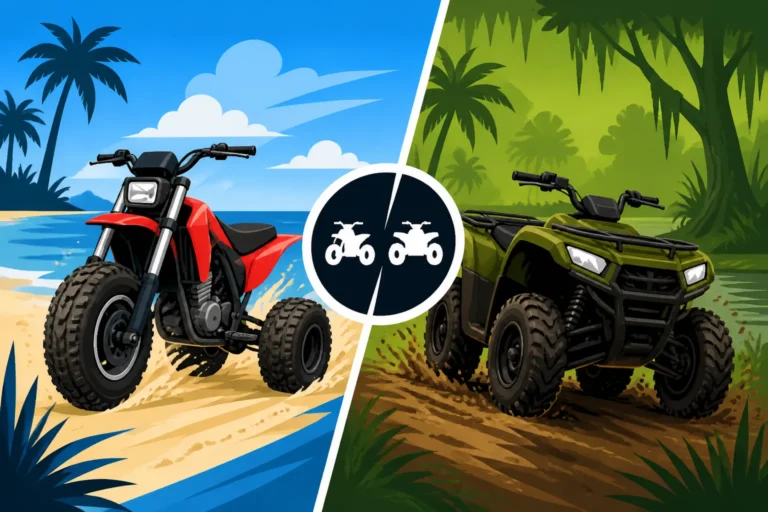
It's really common for folks to use "ATV" and "UTV" interchangeably, but when it comes to Florida law and titling, these aren't the same. The state of Florida has specific definitions that dictate how your off-highway vehicle is classified, and for UTVs – which Florida often refers to as Recreational Off-highway Vehicles (ROVs) – the dry weight is a huge factor. This isn't just bureaucratic red tape; it genuinely affects the forms you fill out, the fees you pay, and even where you can legally ride. Getting this distinction right from the start can save you a whole lot of headache down the line.
The Critical 1,500-Pound Dry Weight Mark
For many people, the 1,500-pound mark is where the confusion really kicks in. In Florida, an All-Terrain Vehicle (ATV) is defined, in part, as a motorized off-highway vehicle 55 inches or less in width, with a dry weight of 1,500 pounds or less. It’s designed to travel on four low-pressure tires and has a seat designed to be straddled by the operator. So, if your machine weighs more than 1,500 pounds dry, it simply isn't an ATV by Florida's legal definition.
Instead, your heavier machine likely falls into the category of a Recreational Off-highway Vehicle (ROV). Florida's statute specifically defines an ROV as a motorized off-highway vehicle that is "not more than 80 inches in width, has a dry weight of 1,500 pounds or more, but not more than 3,500 pounds, and is designed to travel on four or more non-highway tires." This is a critical distinction because it means the titling process, while similar in many ways, is for an ROV, not an ATV. Understanding this is your first step to getting the correct paperwork in order. The larger and heavier your machine, the more likely it falls into this ROV class, which helps clear up any ambiguity about whether you're dealing with an ATV or something else entirely. [Florida ROV Definition: 80 Inches and 3,500 Pounds] dives deeper into this specific classification.
Beyond Weight: Width and Other ROV Characteristics
While weight is a primary identifier, it's not the only factor that sets an ROV apart from a traditional ATV in Florida. Another key measurement is width. An ATV must be 55 inches or less in width. ROVs, on the other hand, are typically wider, with Florida defining them as "not more than 80 inches in width." This wider stance often means a different seating arrangement, usually side-by-side seating more akin to a car, rather than the straddle seat of an ATV.
These machines are also typically equipped with features like a steering wheel, roll-over protection structures (ROPS), and sometimes even seatbelts. These design elements are what make them "recreational off-highway vehicles" and differentiate them from the smaller, more agile ATVs. When you're heading to the Florida Department of Highway Safety and Motor Vehicles (FLHSMV) or your local tax collector's office, they'll be looking at all these characteristics to ensure your vehicle is correctly classified before issuing a Florida UTV Title for a Machine Over 1,500 Pounds. It's not just about what you call it; it's about what the state calls it, and their definitions are quite precise.
Here’s a quick comparison of the key distinguishing features:
| Feature | Florida ATV (All-Terrain Vehicle) | Florida ROV (Recreational Off-highway Vehicle) |
|---|---|---|
| Dry Weight | 1,500 pounds or less | 1,500 pounds or more, but not exceeding 3,500 pounds |
| Width | 55 inches or less | Not more than 80 inches |
| Tires | 4 low-pressure tires | 4 or more non-highway tires |
| Seating | Seat designed to be straddled by the operator | Side-by-side seating (often multiple passengers) |
| Steering | Handlebars | Steering wheel |
| Safety Feature | Often no formal ROPS | Typically includes ROPS (Roll-Over Protection Structure) |
| Purpose | Single-operator recreational/utility | Multi-passenger recreational/utility |
The UTV Titling Process in Florida: What You'll Need
So, you've got your powerful side-by-side, it weighs more than 1,500 pounds, and you know it's an ROV in Florida's eyes. Now comes the nitty-gritty of getting that title in your name. The process involves a few key steps and a stack of paperwork, and it's essential to have everything squared away before you even walk through the door of the county tax collector's office. Think of it like packing for a long trail ride; you wouldn't head out without your essentials, right? The same goes for titling your vehicle.
Essential Documents for Your Heavier UTV
The first hurdle is gathering the right paperwork. Whether you bought your new UTV from a dealership or snagged a used one in a private sale, the foundation of your title application relies on solid proof of ownership. If your UTV is brand new, you'll need the Manufacturer's Certificate of Origin (MCO), which is basically the birth certificate for your machine. This document confirms that your UTV is new and hasn't been titled before. Make sure the MCO is properly assigned to you by the dealer.
For a used UTV, you'll need the previous owner's Florida title, signed over to you. It sounds simple, but you'd be surprised how often titles are lost, damaged, or improperly filled out. Always ensure the seller has properly signed and dated the title, and that all necessary fields are completed. If there was a lien on the previous title, make sure it's been properly satisfied and released. In either case, a bill of sale is also highly recommended, especially for private sales. You can find robust templates online for a Florida bill of sale, which can be very helpful for documenting the transaction details. A reputable service like LawDepot offers customizable templates for bills of sale, ensuring you don't miss any critical information when documenting your purchase. This acts as an extra layer of proof and outlines the terms of the sale, protecting both you and the seller. [Florida ATV Bill of Sale: What It Needs to Say] offers a good guide for what to include.
Beyond proof of ownership, you’ll also need to complete the Florida Application for Certificate of Title With/Without Registration (Form HSMV 82040). This form asks for all the details about your UTV and yourself as the owner. You'll need to provide your Florida driver's license or identification card, and if you're a new resident, you might need to show proof of Florida residency. Remember, accuracy is key here. Double-check every VIN, every name, and every address. A small error can lead to delays, forcing you to start the process all over again.
Navigating the Application and Fees
Once your documents are in order, it's time to face the music – the application process itself and the associated fees. You'll typically take all your paperwork to your local Florida county tax collector's office. While some things can be done online, getting a title for a new-to-you machine usually requires an in-person visit, particularly for the initial application. They'll review all your documents, verify the VIN, and collect the required fees.
The initial titling fee in Florida for an off-highway vehicle, which includes your heavier UTV, is generally a standard amount. On top of that, you'll pay a service charge to the tax collector's office, and a small trust fund fee. If you’re a new resident bringing in an out-of-state UTV that was previously titled, there might be an initial registration fee to factor in, though ROVs don't receive traditional license plates like cars do. Expect to pay sales tax on the purchase price of your UTV, unless an exemption applies. This tax is usually collected at the time of titling if you bought it from a private seller, or by the dealer if you purchased it new. [The $29 Initial Title Application Fee Explained] provides a comprehensive look at the base cost.
Don't forget that if you want your title faster than the standard mail delivery, Florida offers an expedited "Fast Title" option for an additional charge. This can be a lifesaver if you're in a hurry to get that physical title in hand for financing or resale. While the fees can add up, remember they're a necessary part of legally owning and using your UTV on public lands in Florida. Knowing what to expect and having the exact amounts (or at least knowing they're variable and to check current figures) ready can make the transaction much smoother.
Common Pitfalls and Important Considerations for Heavier UTV Owners
Even with all your ducks in a row, the world of UTV titling can throw a few curveballs. There are specific scenarios and distinctions that often trip up new (and even experienced) owners of heavier side-by-sides. We're talking about things like buying a used machine with a murky past, understanding how sales tax applies, and grasping the crucial difference between a title and a registration in the context of an off-highway vehicle. These aren't minor details; they can lead to unexpected costs, legal headaches, or even prevent you from fully enjoying your machine.
Buying a Used UTV Over 1,500 Pounds
Purchasing a used UTV that weighs over 1,500 pounds can be a fantastic way to get a great machine without the new-vehicle price tag. However, it also comes with its own set of challenges, especially concerning the title. The biggest pitfall is buying a UTV without a proper title, or with a title that has issues. Always, always insist on seeing the physical title and ensuring it's clear of any liens before you hand over your money. A reputable seller will have a clear title in their name, ready to be signed over to you. Don't fall for stories about "the title is in the mail" or "I just haven't gotten around to titling it."
If the seller has lost the title, they are the one who needs to apply for a duplicate before they can legally transfer ownership to you. Trying to title a machine when the seller couldn't provide a clean, properly endorsed title can become an administrative nightmare. This often involves applying for a bonded title, which is a much more complex and costly process. Make sure the VIN on the title matches the VIN on the UTV itself exactly. Discrepancies here are a major red flag. When drafting a bill of sale for a private transaction, you can use a service like LawDepot to create a comprehensive document that protects your interests and clearly states the terms, including acknowledging the transfer of the title. This is particularly important for higher-value machines like heavier UTVs. [Buying a Used ATV in Florida: Transferring the Title] offers good advice that applies equally to UTVs.
Sales Tax and Other Financial Aspects
One common surprise for private sale buyers is the sales tax. When you buy a UTV from a licensed dealer, they'll collect the sales tax directly from you at the point of sale. However, if you purchase your UTV from a private individual, you're responsible for paying the Florida sales tax when you apply for the title at the tax collector's office. This isn't an option; it's a requirement. The sales tax is generally calculated on the purchase price you state on the bill of sale or the MCO, or on the fair market value of the UTV, whichever is higher. So, don't try to lowball the price on your bill of sale, as the state might still assess tax based on an estimated value, and it could also raise red flags for potential tax evasion.
Beyond sales tax, consider other financial implications. While Florida doesn't require insurance for titling an ROV, some financing companies will mandate comprehensive insurance coverage if you take out a loan for your UTV. It's also wise to consider insurance even if not required, as these machines can be a significant investment and accidents do happen. Lastly, if you have a lien on your UTV – meaning you financed it – the lienholder's information will be recorded on your title, and the title might be held electronically until the loan is paid off. Understanding [Florida Sales Tax When You Title an ATV] can provide more detail on how these taxes apply to off-highway vehicles in general.
Titling vs. Registration: What it Means for Your Ride
Here in Florida, it's crucial to understand that titling an ROV, even a hefty one over 1,500 pounds, is not the same as registering a car or truck. When you title your UTV, you are establishing legal ownership. The state issues you a Certificate of Title, which is proof that the UTV belongs to you. However, unlike street-legal vehicles, ROVs generally do not receive a license plate or traditional registration decal in Florida.
This distinction is important because it means that even though your UTV is titled, it's still primarily an off-highway vehicle. Titling your UTV simply allows you to legally operate it on designated public off-highway vehicle (OHV) trails and areas within Florida, provided you also comply with any other requirements like safety courses or OHV permits for those specific areas. It also helps prove ownership in case of theft. What it doesn't do is make your over-1,500-pound UTV street legal for paved roads, sidewalks, or most other public thoroughfares. You'll still need to haul it to the trails on a trailer. Knowing the difference between [Florida ATV Title vs Registration: The Difference] is key to staying within the law and avoiding unnecessary fines or issues with authorities.
Disclaimer
This article is for general informational purposes only and does not constitute professional advice. Laws, prices and regulations vary by location and change over time. Consult a qualified professional for guidance on your specific situation.