LSV Registration and the Insurance It Triggers
It’s a common dream for many Florida off-road enthusiasts: taking your beloved side-by-side from the dusty trails and seamlessly transitioning to a quick run to the local hardware store or a leisurely cruise through your neighborhood streets. You see golf carts doing it, so why not your UTV? The truth is, while it’s not as simple as slapping a license plate on your rig, converting your UTV into a Low-Speed Vehicle (LSV) is a viable path, but it comes with a specific set of requirements, particularly around registration and, crucially, insurance. This guide will walk you through the often-confusing landscape of Florida's LSV rules, explaining exactly what your side-by-side needs to become street-legal and what kind of insurance coverage you’ll be looking at once it does.
Understanding Florida's Low-Speed Vehicle (LSV) Definition
Before you even think about hitting the pavement, it's absolutely critical to understand what Florida considers a Low-Speed Vehicle (LSV). This isn't just a casual term; it's a legal classification that dictates everything from what equipment your machine needs to where you can legally drive it. Many folks mistakenly believe their UTV or golf cart automatically qualifies for road use, but the state has very specific criteria that must be met. Ignoring these can lead to fines, citations, or worse, an uninsured accident.
What Makes a UTV an LSV in Florida?
Florida law defines a low-speed vehicle as any four-wheeled vehicle whose top speed is greater than 20 miles per hour but not greater than 25 miles per hour. This is the cornerstone of the LSV definition, and it’s where many UTVs face their first hurdle. If your side-by-side can go faster than 25 mph, it immediately disqualifies it from being an LSV, no matter what other modifications you make. If it goes slower than 20 mph, it might fall into another category, like a golf cart, which has different rules.
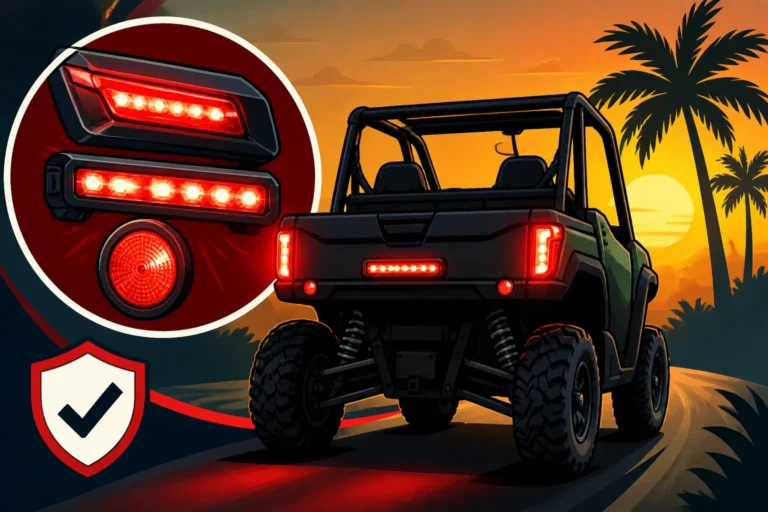
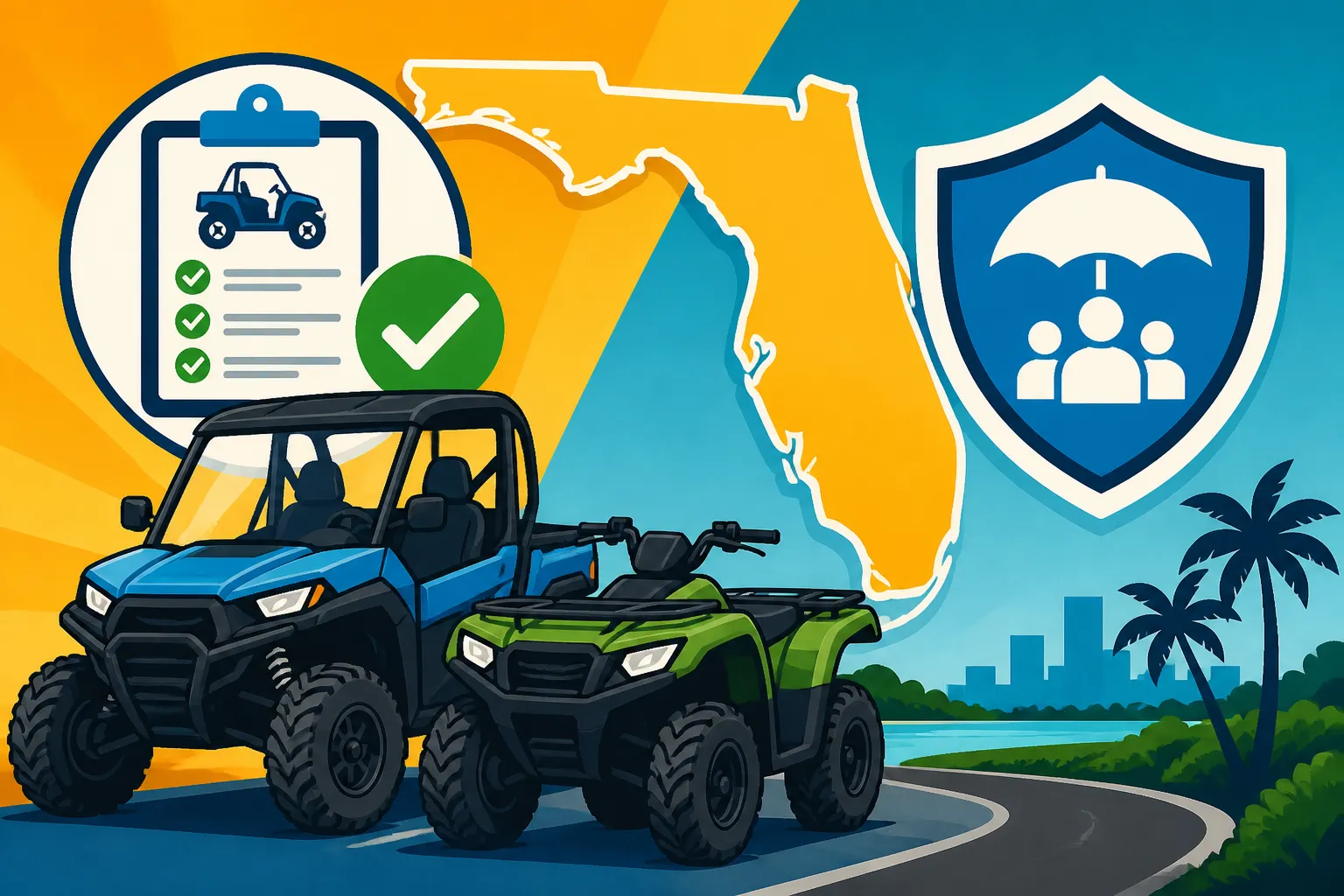
Beyond speed, an LSV must be electric or gas-powered and have a gross vehicle weight rating (GVWR) of less than 2,500 pounds. While many modern UTVs might meet the weight requirement, controlling the top speed can be a significant modification. Moreover, an LSV must be equipped with several key safety features to be considered street-legal. These include headlamps, tail lamps, stop lamps, turn signals, reflex reflectors, parking brakes, a rearview mirror, a windshield, seat belts, and a vehicle identification number (VIN). Every single one of these components needs to be present and fully functional. Trying to get away with a missing turn signal or a cracked windshield simply won't cut it when you go to register it.
The Difference Between an ATV, UTV, and LSV for Road Use
It’s easy to get these terms mixed up, but their legal implications for road use in Florida are vast. An All-Terrain Vehicle (ATV) is generally a smaller, single-rider or two-rider machine designed for off-road use, typically with a width under 55 inches. ATVs are largely prohibited from paved public roads in Florida, with very limited exceptions for crossing or specific unpaved county roads. Even with a title, an ATV is not intended for regular street use. [Are ATVs Street Legal in Florida?] explores this in more detail.
A Utility Task Vehicle (UTV), or side-by-side, is typically wider, often seats two or more people side-by-side, and is also primarily designed for off-road work or recreation. Like ATVs, UTVs are generally not permitted on paved public roads in Florida.
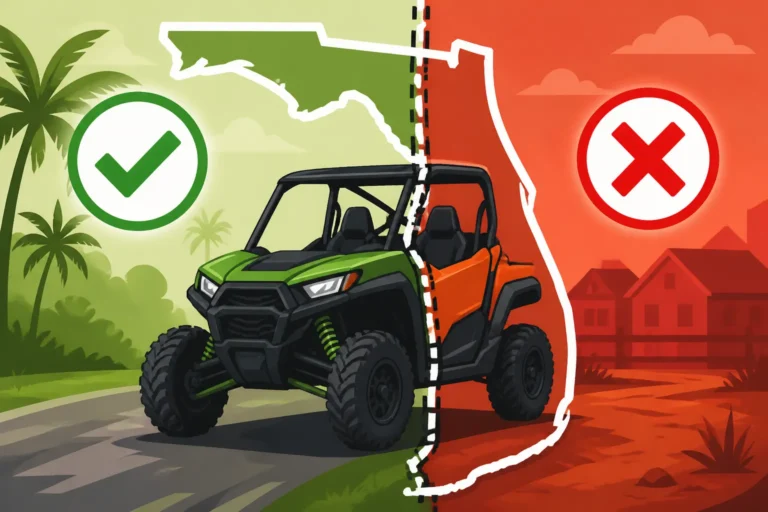
An LSV, however, is a specific classification that a UTV (or even a golf cart) can become if it meets all the stringent equipment and speed requirements set forth by state law. It’s not about what the machine was, but what it is modified to be. Without meeting the LSV criteria, your UTV remains an off-highway vehicle, subject to all the restrictions of off-road machines. This distinction is crucial because without LSV status, you cannot legally operate your UTV on most public roads, and therefore, standard auto insurance policies won't cover it for such use. [Florida Low-Speed Vehicle Rules for Side-by-Sides] provides more insights into these distinctions.
Why Florida's LSV Rules Matter for Your Machine
Understanding and adhering to Florida's LSV rules isn't just about avoiding a ticket; it's about safety, liability, and enjoying your machine legally. Imagine you’ve spent countless hours and dollars turning your UTV into what you believe is a street-legal marvel, only to find out you missed a crucial detail, like the speed governor setting, or a proper windshield. You could be pulled over, cited, and your vehicle potentially impounded.
Beyond that, the classification directly impacts your insurance needs, which we’ll dive into shortly. Without proper LSV classification and subsequent registration, your machine is simply not recognized as a legal road vehicle. This means any accident you’re involved in on a public road, no matter how minor, could lead to significant personal liability because your vehicle was not legally permitted to be there. This is a far cry from the carefree off-road riding where different rules apply. Taking the time to properly convert and register your UTV as an LSV ensures that you, your passengers, and your investment are protected when you venture onto public streets.
The LSV Registration Process in Florida
Once you've wrapped your head around the definition and decided your UTV is a prime candidate for LSV conversion, the real work begins: getting it registered. This isn't a quick trip to the tag office with just your bill of sale. There's a methodical process involving equipment modifications, inspections, and a specific set of paperwork. It can feel like a bureaucratic maze, but tackling it step by step will get you there.
Essential Equipment for LSV Conversion
As mentioned, a Florida LSV needs to be outfitted with specific safety gear. This isn't optional; it's mandatory. Think of it like taking an exam: you need to tick every box to pass. Here’s a detailed list of what you'll need:
- Headlamps: These aren't just for looking good; they need to meet DOT standards for brightness and beam pattern to ensure visibility for you and to other drivers, especially at dusk or dawn.
- Tail Lamps and Stop Lamps: Again, DOT compliant. These are crucial for signaling your presence and braking intentions to vehicles behind you.
- Turn Signal Lamps: Front and rear, clearly visible to indicate turns. Many UTVs might have basic lights, but a full turn signal kit, often with a horn and an indicator on the dash, is usually required. Companies like SuperATV offer comprehensive street-legal kits that bundle many of these components together, making the conversion process much smoother.
- Reflex Reflectors: Strategically placed on the vehicle to increase visibility from all angles, especially at night.
- Parking Brake: A functional parking brake is a must for safety when parked on an incline or just to keep the vehicle stable.
- Rearview Mirror: At least one, allowing the driver to see at least 200 feet to the rear. Often, a side mirror for the passenger side is also a good idea, or even required in some instances.
- Windshield: A proper safety-glass windshield, not just a plastic half-windshield, is typically required. It needs to provide clear visibility and offer protection from debris.
- Seat Belts: For every seating position. These must be properly installed and functional, just like in a standard car.
- Vehicle Identification Number (VIN): Your UTV should already have one. This is essential for identification and titling.
- Speed Governor: The most critical component. Your UTV's engine management system or a physical governor must limit its top speed to no more than 25 mph. This usually requires a professional adjustment or an aftermarket solution.
Once all these modifications are complete, your machine will often need to be inspected by a designated authority, such as a Florida Highway Patrol (FHP) officer or a licensed dealer, to verify that it meets all the LSV equipment standards. This step ensures that your conversion is not just cosmetic but fully compliant with safety regulations.
The Paperwork Trail: What You'll Need to Submit
Gathering the right documents is key to a smooth registration process. You can’t just show up with your shiny, converted UTV; you need proof of ownership, identity, and compliance.
First and foremost, you'll need your Manufacturer's Certificate of Origin (MCO) if your UTV is new, or the previous title if you bought it used. This proves you are the rightful owner. If you’re coming from out-of-state, you’ll also need your out-of-state title. [Titling an Out-of-State ATV After Moving to Florida] explains this process in more detail. Along with this, you’ll likely need a Bill of Sale as proof of purchase, detailing the transaction, especially if you bought it from a private seller.
Next, you'll need to complete Florida's Application for Certificate of Title With/Without Registration (HSMV 82040). This form is your primary document for getting the vehicle registered and titled as an LSV. On this form, you'll indicate that the vehicle is an LSV. You'll also need proof of your identity, such as a Florida driver’s license or state ID.
Another critical piece of paperwork is the VIN verification. This ensures the VIN on your UTV matches your documents and has not been altered or tampered with. This verification can often be done by a Florida Notary Public, a licensed dealer, or law enforcement. [Who Can Verify an ATV VIN in Florida?] can offer more guidance on this. The inspecting officer or dealer will also typically sign off on the fact that your vehicle meets all the required LSV safety equipment standards during this process.
Finally, you'll need proof of insurance. This is non-negotiable for an LSV. You'll need to show that you have valid Florida Personal Injury Protection (PIP) and Property Damage Liability (PDL) insurance coverage specifically for your now-classified LSV. We'll delve deeper into these insurance requirements in the next section. Without this, your registration application will be denied.
Where to Go and What to Expect at the Tax Collector's Office
Once you have all your documents in order and your UTV is properly equipped and inspected, your next stop is your local Florida County Tax Collector's office or a licensed Florida motor vehicle service center. These are the places where you'll submit your application and ultimately receive your new LSV title and registration. [Where to File an ATV Title in Florida] is a good resource for general titling locations that also apply to LSVs.
When you arrive, expect to present all your carefully prepared documents to a clerk. They will review everything, check for completeness, and ensure all requirements are met. This is where attention to detail pays off – a missing signature, an incomplete form, or an expired ID can lead to delays and multiple trips.
You will pay fees for the title application, plate, and potentially a sales tax, depending on when and where you purchased the vehicle. Be prepared for these costs, which can vary. If everything is in order, the clerk will process your application, and you'll typically receive your new LSV license plate and registration sticker on the spot. The actual paper title might be mailed to you later, especially if there's a lien involved, or it might be issued electronically. [Electronic Title vs Paper Title for a Quad] explains these options.
The process might take a little time, especially if the office is busy, so it’s always a good idea to go during off-peak hours if possible. Don't be afraid to ask questions if something is unclear. The staff at the Tax Collector's office are there to guide you through the process, though they won't necessarily know the specifics of your UTV conversion project.
Navigating the Insurance Requirements for LSVs
This is where things often trip people up. Many UTV owners have off-road insurance, or even comprehensive coverage for their machine, but that rarely extends to street-legal use as an LSV. Once your UTV transforms into a Low-Speed Vehicle and gets that coveted license plate, Florida law dictates a whole new set of insurance obligations, just like any other street-legal automobile.
Why Your Standard UTV Insurance Won't Cut It
Most off-road UTV insurance policies are designed to cover accidents and damages that occur off-road. This means trails, private property, mud parks, and other non-public road environments. They typically cover theft, fire, collision on the trails, and possibly some liability if you cause damage to someone else's property off-road.
However, when you register your UTV as an LSV and take it onto public paved roads, it's no longer just an off-road toy in the eyes of the law; it's a motor vehicle. Standard UTV policies usually have exclusions for "street legal" use or any operation on public roads. Relying on such a policy for your LSV could leave you completely uninsured in the event of an accident on a public street. This is a critical distinction, and one that could lead to significant financial hardship if overlooked. Imagine getting into a fender bender on the way to the store and finding out your policy denies the claim because you were driving a legally registered LSV on a public road – it's a nightmare scenario you want to avoid.
Required Coverage: PIP and PDL Explained
Florida law mandates specific types of insurance for all registered motor vehicles, and this absolutely includes your newly classified LSV. These are Personal Injury Protection (PIP) and Property Damage Liability (PDL).
- Personal Injury Protection (PIP): This is often called "no-fault" insurance in Florida. It covers your medical expenses and lost wages, regardless of who was at fault in an accident. Florida law requires a minimum of $10,000 in PIP coverage. This coverage is crucial because it helps ensure you and your passengers receive medical care without immediate arguments over fault, which can significantly speed up recovery.
- Property Damage Liability (PDL): This coverage pays for damage your LSV causes to someone else's property in an accident, up to your policy limits. This could be damage to another vehicle, a fence, a mailbox, or any other property. Florida law requires a minimum of $10,000 in PDL coverage. This is vital because if you accidentally cause damage to someone else's car, for example, your PDL coverage will help cover the repair costs, saving you from paying out of pocket.
While PIP and PDL are the minimum legal requirements, many drivers choose to add other types of coverage for more comprehensive protection, such as:
- Bodily Injury Liability (BIL): This covers medical expenses and lost wages for others if you are found at fault in an accident, beyond what their PIP covers.
- Collision Coverage: This pays for damage to your LSV if it collides with another vehicle or object.
- Comprehensive Coverage: This covers damage to your LSV from non-collision events like theft, vandalism, fire, or natural disasters.
It’s always a good idea to discuss these options with your insurance provider to ensure you have the right level of protection for your specific needs and budget. [Florida LSV Registration and Insurance Rules] further clarifies these obligations.
Finding the Right LSV Insurance Provider
Finding insurance for an LSV might require a bit more effort than insuring a standard car, but it's certainly available. Not all insurance companies are equally familiar with LSVs, so it pays to shop around and be very clear about what you're trying to insure.
Start by contacting your current auto insurance provider. Explain that you are converting a UTV into a Florida-registered Low-Speed Vehicle and need PIP and PDL coverage. Be prepared to provide details about the vehicle's make, model, year, VIN, and its modifications (especially the speed governor). Some mainstream auto insurers may offer policies for LSVs, treating them much like golf carts or other specialized vehicles.
If your current provider doesn't offer suitable coverage, or if their rates seem high, reach out to insurance brokers who specialize in recreational vehicles or specialty vehicle insurance. They often have access to multiple carriers and can help you find a policy that fits your LSV's specific needs and ensures you meet Florida's legal requirements.
When getting quotes, always confirm that the policy explicitly covers operation on public roads in Florida and clearly states that it includes the mandated PIP and PDL coverage. Don't assume anything. Ask specific questions about coverage limits, deductibles, and any exclusions. It's also wise to inquire about any potential discounts, such as those for safety courses or multi-policy bundles. Take your time, compare quotes, and choose a policy that gives you peace of mind, knowing your street-legal UTV is fully protected.
Benefits and Limitations of LSV Status
So, you’ve put in the work, gathered the parts (maybe from SuperATV!), jumped through the hoops, and now your UTV is a bona fide Florida LSV with a shiny new license plate and proper insurance. Congratulations! But what does this newfound street legality actually mean for your riding adventures? It opens up a world of convenience, but it also comes with very distinct boundaries you need to respect.
Where You Can Legally Drive Your LSV
The primary benefit of LSV status is the ability to operate your side-by-side on certain public roads. In Florida, LSVs can generally be driven on any street with a posted speed limit of 35 mph or less. This covers a vast network of residential streets, neighborhood roads, and many secondary routes that connect communities. Imagine being able to cruise from your house to the grocery store, a friend's place, or the local park without having to load your UTV onto a trailer!
Many planned communities, particularly those designed with golf cart traffic in mind, are perfect for LSV use. You'll find designated cart paths, specific crossings, and often an entire culture built around these slower-moving vehicles. For example, [Florida Neighborhood Streets and Golf Cart Communities] highlights areas where such vehicles are prevalent. It makes short trips incredibly convenient and enjoyable, enhancing your lifestyle. Just remember that even on these roads, you still need to follow all standard traffic laws – stop signs, traffic lights, yielding, and signaling are all still in effect. And of course, you still need a valid driver's license to operate an LSV on public roads. [Do You Need a Driver's License for an ATV in Florida?] clarifies the requirements for licensed operation.
The Trade-Offs: What LSV Status Doesn't Allow
While LSV status grants you significant freedom, it's crucial to understand its limitations. An LSV is not a regular car, and it cannot be treated as such.
Firstly, the biggest restriction is the speed limit. You cannot operate your LSV on any road with a posted speed limit exceeding 35 mph. This immediately rules out major arterial roads, state highways, and interstates. Even if you encounter a short stretch of road that temporarily goes above 35 mph, you must avoid it or find an alternative route. Attempting to drive on these higher-speed roads can lead to severe penalties, as your LSV simply isn't designed for those speeds and poses a safety risk to both you and other motorists. [Florida LSV Top Speed Limit] reinforces this critical rule.
Secondly, while LSVs are generally permitted on many unpaved roads and dirt paths within the 35 mph limit, you must always be mindful of local ordinances. Some counties or municipalities might have specific restrictions or outright bans on LSV use on certain roads, even if they technically fall within the state's 35 mph rule. Always check with local authorities if you're unsure about specific routes in your area. Additionally, LSVs are typically restricted from sidewalks and bike paths unless explicitly permitted by local signage, which is rare outside of very specific communities. [Florida Sidewalk and Bike Path Rules for Quads] outlines the general prohibitions that also apply here.
Finally, while you might have converted your UTV into an LSV, it doesn't grant you access to dedicated ATV or OHV trails that require specific permits or classifications beyond street legality. An LSV is for road use, not necessarily for hardcore off-roading, though many can still handle light trail riding on private property.
The Peace of Mind from Proper Registration and Insurance
The process of converting your UTV to an LSV, getting it properly registered, and securing the right insurance might seem daunting. There's an initial outlay of time, effort, and money for the equipment and the paperwork. However, the peace of mind that comes with knowing you're operating your machine completely legally and safely on Florida's roads is truly invaluable.
When you're properly registered and insured, you mitigate the risk of hefty fines for illegal road use, potential vehicle impoundment, and, most importantly, devastating personal liability in the event of an accident. You're protected by your PIP and PDL, ensuring that medical bills and property damage are covered, rather than falling solely on your shoulders. It means you can enjoy the versatility of your side-by-side – whether it's for chores around your property, running errands in town, or leisurely drives through your neighborhood – without the constant worry of legal repercussions. It allows you to embrace the unique blend of utility and recreation that a properly converted and street-legal LSV offers, making it a truly rewarding investment.
Disclaimer
This article is for general informational purposes only and does not constitute professional advice. Laws, prices and regulations vary by location and change over time. Consult a qualified professional for guidance on your specific situation.