Florida’s Daytime-Only ATV Road Rule
One of the most common questions I hear from fellow ATV and UTV enthusiasts in Florida is about riding after dark. There's nothing quite like the idea of a serene evening cruise on an unpaved trail, or perhaps an early morning start to beat the heat, but the rules aren't always clear. Many riders find themselves frustrated, wondering why their machine with perfectly good headlights can't be on a county dirt road after sunset. This guide is here to shed some much-needed light on Florida's "daytime-only" rule for ATVs on public roads, helping you understand where and when you can legally ride, and why those restrictions are in place.
Understanding Florida's "Daytime-Only" Rule for ATVs
Let's face it, we all love spending time outdoors, and for many of us, that means hitting the trails on our ATVs or UTVs. But in Florida, as soon as the sun dips below the horizon, or before it's fully risen, the rules of the road for off-highway vehicles change dramatically. It's a key regulation that often trips up even seasoned riders, leading to confusion and, sometimes, unexpected citations.
What "Daytime Hours Only" Truly Means for ATV Riders
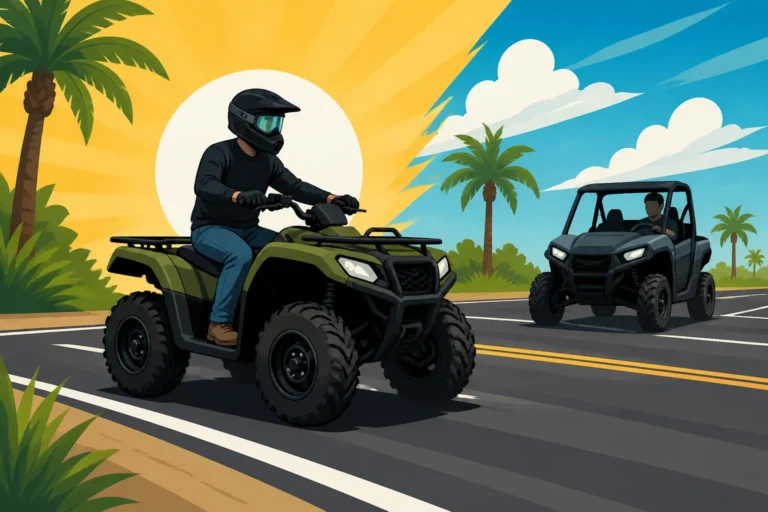
When the Florida statute talks about "daytime hours only," it's not just a suggestion; it's a specific legal window. For all intents and purposes, this means from sunrise to sunset. It's not about how much natural light is available, or whether you can see perfectly well with your machine's headlights. The moment the official sunset time hits, or before sunrise, your ATV or UTV should not be operating on any public road in Florida, even those designated for off-highway vehicle use.
This rule can be incredibly frustrating. You might have just finished a fantastic day of riding, and you're only a mile or two from your truck, but now the sun is setting, and you're technically in violation. Or perhaps you want to get an early start on a long trail ride to avoid the afternoon thunderstorms, only to find you can't even get to the trailhead legally until the sun is up. It feels counterintuitive, especially if your machine is equipped with powerful lighting from a company like SuperATV that makes night riding in an off-road park a blast. But on public roads, the rules are rigid, and [Daytime Hours Only: What That Means at Dusk] often catches riders off guard.
Why This Rule Exists: Safety and Visibility
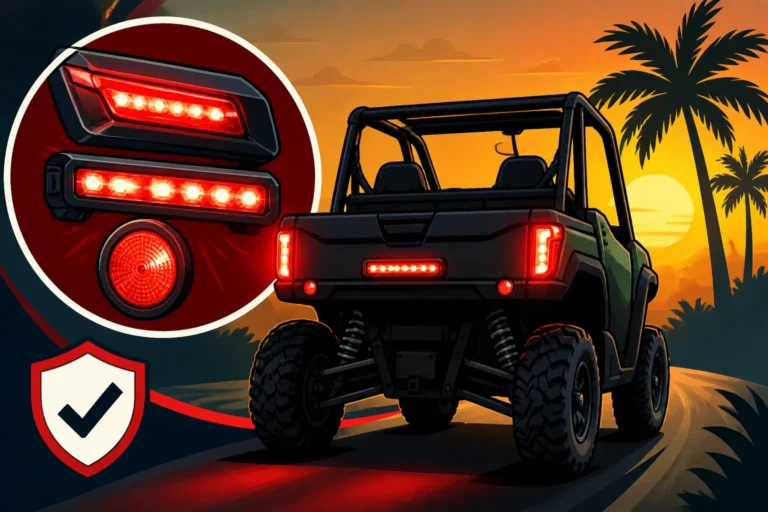
The primary reason behind the "daytime-only" rule boils down to safety and visibility for everyone on the road. While your ATV might have some lights, they typically don't meet the comprehensive standards required for street-legal vehicles after dark. Think about it: cars, trucks, and motorcycles have specific requirements for headlights (high and low beams), tail lights, brake lights, turn signals, and side reflectors, all designed to make them visible from various angles and distances in low light conditions.
ATVs, by design, are not built for public road use, especially not after dark. Their lighting systems are generally intended for off-road visibility, not for safely navigating mixed traffic environments. Without the full suite of required lighting, an ATV or UTV becomes a much harder vehicle to see for other drivers, particularly on dimly lit, unpaved roads where unexpected obstacles or turns might exist. This significantly increases the risk of accidents, not just for the ATV rider, but for anyone else sharing that stretch of road. The rule also helps protect wildlife that might be more active at dawn and dusk, as well as pedestrians and cyclists who might be using the same unpaved pathways. Simply put, [Why Night Road Riding Is Not Allowed in Florida] is about preventing collisions and ensuring everyone's safety.
Where the Daytime Rule Applies: Designated Unpaved Roads
It's crucial to understand where this "daytime-only" rule actually applies. Florida law is very specific about the types of roads that ATVs and UTVs might be allowed on, and it strictly differentiates these from paved roads, highways, and even certain other unpaved areas. Knowing these distinctions can save you a lot of headache and potential trouble.
The Specifics of "Unpaved Roadway" Under Florida Law
When the statute talks about an "unpaved roadway," it's painting a clear picture of what's allowed. We're talking about dirt roads, gravel paths, shell rock trails, or anything that doesn't have a hardened, paved surface like asphalt or concrete. This expressly excludes sidewalks, bike paths, and definitely any multi-lane highways or main streets. It's important to differentiate these from private trails or specific off-road parks, which operate under different rules.
The intent is to allow some limited access for off-highway vehicles on rural, less-trafficked routes that are naturally suited for their design, but only when visibility is at its peak. This helps keep these machines off high-speed, paved roads where they pose a greater risk due to their lower top speeds, different handling characteristics, and lack of full street-legal equipment. Understanding [Unpaved Roadway: How the Statute Defines It] is fundamental to knowing where your ATV can legally roam.
Identifying Legally Designated ATV Roads in Florida Counties
Just because a road is unpaved doesn't automatically mean you can ride your ATV on it. Florida law grants individual counties the authority to designate specific unpaved roads within their jurisdiction for ATV use. This means that rules can, and do, vary from county to county. What's legal in Polk County might be prohibited in Marion County, and vice-versa.
So, how do you know which roads are open to you? The best bet is to check with the specific county's sheriff's office or public works department. Many counties will have maps or lists of designated roads on their websites. You'll also typically find signs posted at the entry points of these roads, clearly indicating that ATV use is permitted. Without such designation, even an unpaved road is off-limits for your off-highway vehicle. Always look for those official signs, and if in doubt, assume it's prohibited. It's not uncommon for riders to get lost or venture onto an unmarked road, only to find themselves facing a citation. Make sure you're familiar with [Florida Counties That Designated ATV Roads] and how to recognize [Signed ATV Roads and How to Spot One] before heading out.
Equipment and Enforcement: Why You Can't Just Add Lights
It’s natural to think, "Well, my ATV has a pretty bright light bar, surely that’s enough for a quick ride after dark?" Many riders invest in powerful aftermarket lighting from brands like SuperATV, thinking they can circumvent the daytime-only rule. However, the law isn't about the intensity of your lights; it's about the type of vehicle and its legal classification for road use.
The Difference Between ATV and Street-Legal Vehicle Lighting
This is a really critical point that often gets misunderstood. An ATV, even one decked out with an impressive array of LED light bars and auxiliary spotlights, typically does not have the full suite of lighting required for a street-legal vehicle to operate after dark. Think about it: a street-legal vehicle needs low-beam headlights that don't blind oncoming traffic, high beams, turn signals that flash front and rear, brake lights that activate when you slow down, and rear taillights that are constantly illuminated. It also often requires specific reflectors and side markers.
Most ATVs and UTVs, even those with factory-installed headlights and taillights, lack these comprehensive features. They might have a decent forward-facing light, but they often don't have separate brake lights, proper turn signals, or the necessary side visibility. Even if you've added a brilliant light bar or auxiliary lights from a reputable company like SuperATV, these are designed for off-road visibility and do not magically convert your ATV into a street-legal machine for nighttime road use. The law is looking for specific equipment standards, not just "being able to see." Understanding [Florida ATV Lights and Equipment for Road Use] highlights this distinction perfectly.
Consequences of Night Riding on Designated ATV Roads
Ignoring the "daytime-only" rule, even on a designated unpaved road, can lead to some pretty unwelcome consequences. Law enforcement officers, including Florida Highway Patrol and county sheriff's deputies, are aware of these regulations and do patrol these areas. If you're caught riding your ATV on a public road after sunset or before sunrise, you could face a citation and a fine.
Beyond the immediate financial hit, there's always the risk that your machine could be impounded, leaving you with the hassle and expense of retrieving it. But even more importantly, the safety risks are real. Riding an ATV at night on any shared public road, even an unpaved one, dramatically increases your chances of being involved in an accident. Other drivers might not see you, you might not see an unexpected obstacle or another vehicle, and wildlife becomes a much bigger hazard. This is why [Florida Penalties for Illegal ATV Road Riding] are in place, and why [Florida Sheriff Enforcement of ATV Road Rules] takes this rule seriously – it's about preventing serious injury or worse.
Exceptions and Alternatives for Evening Riding
While the "daytime-only" rule for public roads might feel restrictive, it's important to remember that it doesn't apply everywhere. There are definite alternatives and exceptions that allow you to extend your riding adventures beyond the sun's schedule, provided you're in the right place.
Private Property Riding Without Time Restrictions
This is the big one! The "daytime-only" rule, and indeed most of the public road restrictions, apply to public roadways. If you own private land, or have explicit permission from a landowner, you can ride your ATV or UTV any time of day or night you please, assuming you're not violating local noise ordinances or creating a public nuisance. This means if you've got a large property or access to a friend's farm, you can enjoy those moonlit rides or early morning excursions without worrying about the state's road rules.
Just be a good neighbor, especially if your property borders residential areas. Nobody wants to be woken up by a roaring engine at 2 AM. Always ensure you have clear permission if you're not on your own land, and be mindful of your surroundings. This freedom is why many riders seek out private clubs or land leases for their off-road enjoyment. For more on this, you might be interested in [Can You Ride an Untitled ATV on Private Land in Florida], though titling and riding rules are separate concepts.
Designated Off-Highway Vehicle Parks and Their Hours
Florida is home to some fantastic dedicated off-highway vehicle parks and trail systems, and many of these have their own specific operating hours, which can sometimes include opportunities for night riding or extended evening access. Places like [Croom Motorcycle Area: Florida's Biggest OHV Park] within the Withlacoochee State Forest, or various private mud parks like Hog Waller or Redneck Mud Park, will have clearly posted gate hours and rules.
While Croom typically operates during daylight hours, some private parks are specifically known for their weekend events that can stretch into the night, offering a safe, controlled environment for riding after dark. These parks often have amenities like camping, so you can make a whole weekend out of it. Always check the park's specific website or call ahead for their current hours, event schedules, and any special rules regarding night riding. This is where you'll find true [Florida Night Riding Areas] that cater to those who want to extend their time on the machine. These are designed for off-road use, so they have different expectations regarding lighting and safety than a shared public roadway.
Common Misconceptions and Practical Tips
The "daytime-only" rule for ATVs on Florida roads might seem straightforward on paper, but in practice, many riders harbor misconceptions that can lead them astray. Let's clear up some of those common misunderstandings and offer practical advice to ensure your riding stays fun and legal.
"My Headlights are Bright Enough!" – Why That's Not the Point
This is perhaps the biggest misconception out there. Many riders truly believe that if their ATV has powerful headlights, or if they've upgraded with a high-intensity light bar (maybe even from SuperATV), they should be good to go on an unpaved road after dark. The reality is, the law isn't based on your personal assessment of your machine's illumination. It's about a specific legal definition of an off-highway vehicle and the conditions under which it's permitted on public ways.
The rule exists because ATVs are not designed or equipped to meet the comprehensive lighting and safety standards of street-legal vehicles for night operation. Even if you feel you can see perfectly well, other drivers, pedestrians, or even wildlife might not see you. The law aims to create a consistent standard for safety, not to evaluate the luminosity of every individual ATV on the road. So, while those aftermarket lights are fantastic for tearing up trails in a designated park after hours, they won't grant you legal passage on a Florida county road after sunset.
Planning Your Ride Around Florida's Sunset
The best advice for navigating Florida's "daytime-only" rule is to plan your rides meticulously around the sun's schedule. This means knowing your local sunrise and sunset times, which are readily available on any weather app or website.
- Start Early, Finish Early: If you're planning a long trail ride that involves using designated unpaved roads to connect sections, consider starting your day well before noon. This gives you ample daylight hours to complete your journey without rushing as dusk approaches.
- Monitor the Clock: Keep an eye on the time, especially in the late afternoon. If you're deep in the woods or far from your truck, you'll need to factor in travel time to get back to a legal off-road area or your trailer before the sun officially sets.
- Trailer After Dark: If your ride unexpectedly extends past sunset, or if you simply want to move your ATV at night, the safest and most legal option is to load it onto a trailer. Trailering your machine home is perfectly legal, allowing you to bypass the "daytime-only" restriction for the vehicle itself.
- Know Your Route: Be intimately familiar with your planned route, including all designated ATV roads and connecting trails. This way, you won't get lost and find yourself in an unfamiliar area as daylight fades, increasing the risk of both a citation and an accident.
By being proactive and respectful of the natural light cycle, you can still enjoy countless hours of riding in Florida, maximizing your daylight adventures and staying compliant with the law.
| Scenario | Time of Day | Location | Legal Status | Key Considerations |
|---|---|---|---|---|
| Riding to a local store | Day | Paved Public Road | Illegal | ATVs are not street legal on paved roads, regardless of time. |
| Riding to a trailhead | Day | Designated Unpaved Road | Legal (if designated) | Only on specifically designated county unpaved roads, sunrise to sunset. |
| Riding on personal property | Day or Night | Private Land | Legal | No state time restrictions, but check local noise ordinances. |
| Riding in an OHV park | Day or Night | Designated OHV Park | Varies by park rules | Check park-specific operating hours; some parks permit night riding events. |
| Riding home from a trail | Night | Designated Unpaved Road | Illegal | The "daytime-only" rule applies after sunset. Must trailer. |
| Crossing a paved highway | Day | Paved Public Road | Legal (under specific conditions) | Only at a right angle, with extreme caution, and not for travel on the highway. [Florida ATV Crossing a Paved Highway] |
Disclaimer
This article is for general informational purposes only and does not constitute professional advice. Laws, prices and regulations vary by location and change over time. Consult a qualified professional for guidance on your specific situation.